

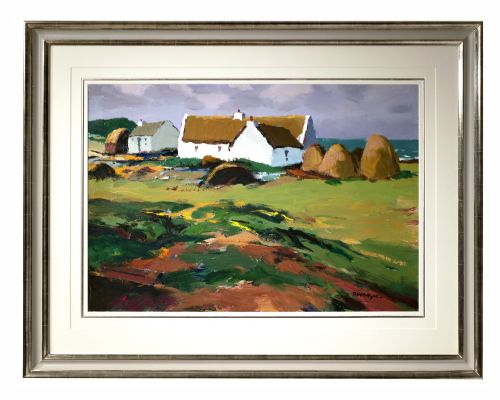
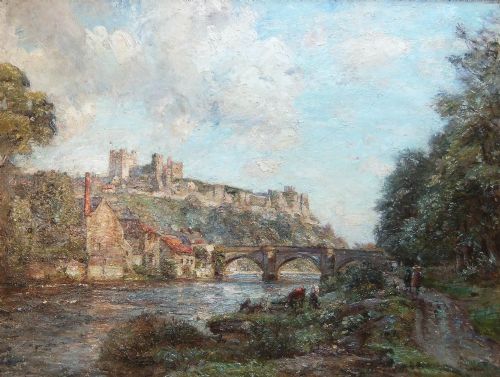
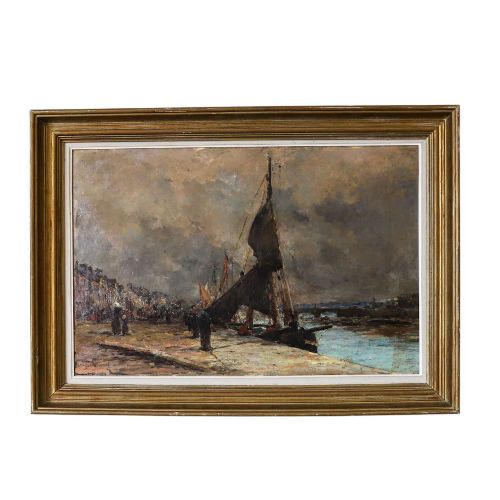
Impasto Landscape Painting
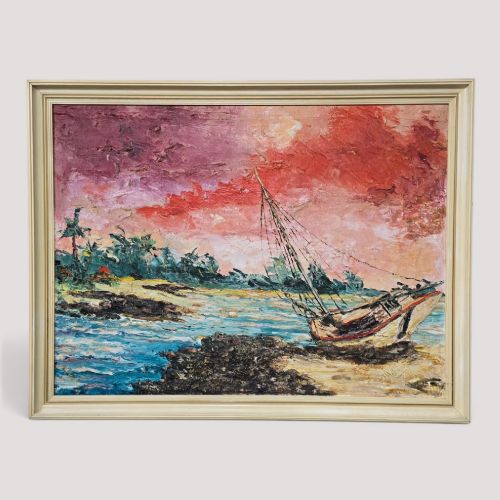
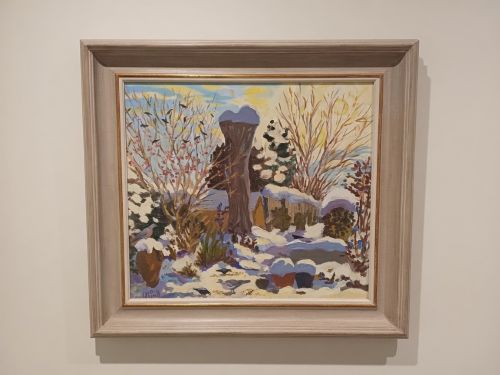
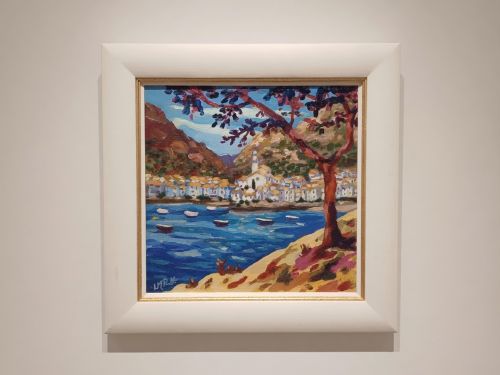
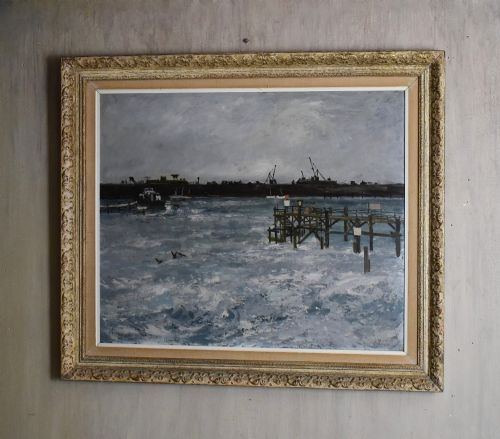
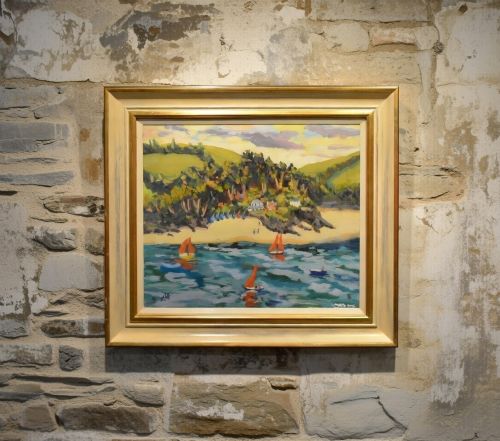
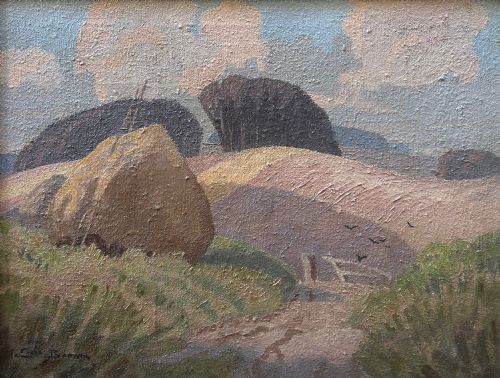
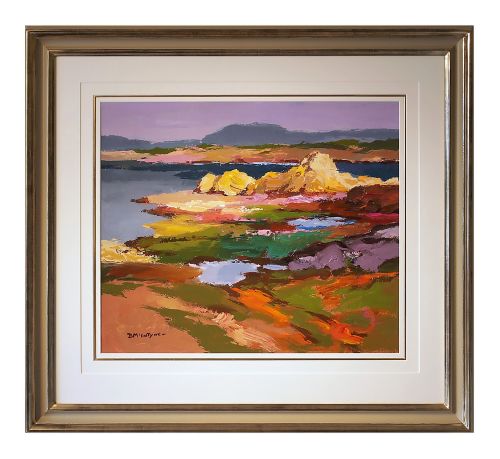
When you search for impasto landscape painting, you find works where thick paint builds texture and brings the scenery to life.
Impasto Landscape Painting
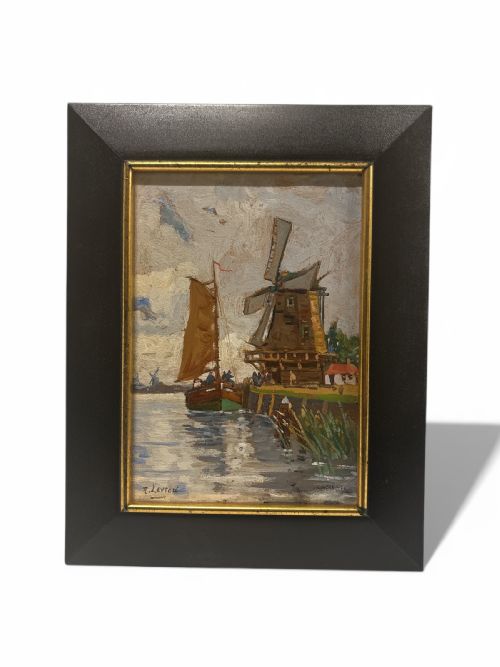
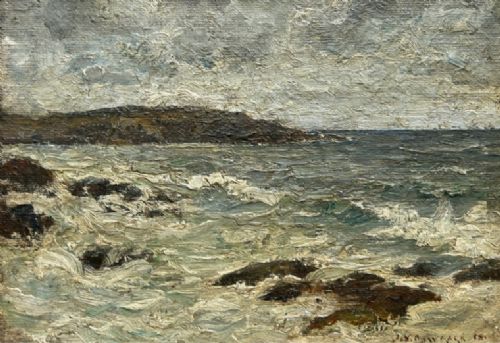
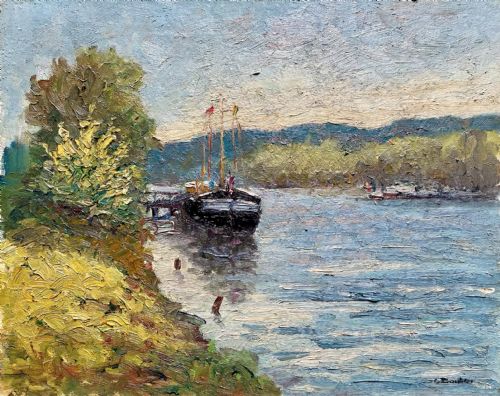
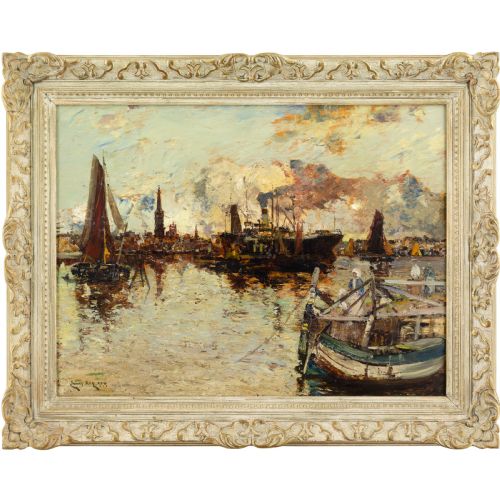
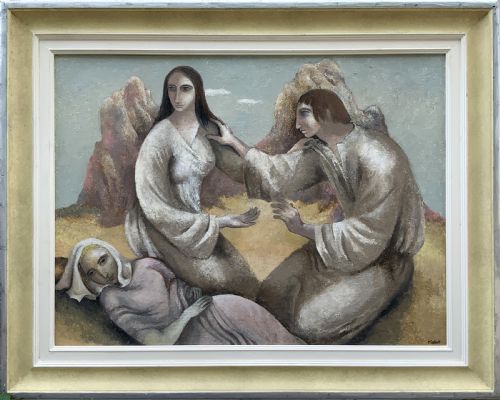
An impasto landscape painting uses heavy layers of pigment to create raised surfaces that catch the light and suggest depth, movement, and touch. These works capture outdoor scenes, harbours, and townscapes across various periods.
Most examples found here date from the twentieth century, spanning Edwardian times through the nineteen-sixties, with strong representations of British and French regional views. You will frequently encounter oils applied thickly to canvas or wooden board, often housed in period wooden frames.
Materials and technique
Artists build these pieces using oil paint applied thickly with brushes or palette knives directly onto canvas or board. This method leaves distinct ridges and marks that remain visible once the medium dries.
Supports range from stretched canvas to rigid wooden board, sometimes mounted inside original wooden or gilt frames that complement the heavy surface texture of the artwork.
Impasto Landscape Painting Retail Price Guide 2026
Typical asking prices for impasto landscape painting among the pieces listed under this phrase on Sellingantiques today, from the lower quarter to the upper quarter. They describe what is for sale here now, not the wider market.
Some paintings retain traces of sand and studio dust embedded permanently in the thickest ridges of the dried oil.
What varies in quality
Quality rests on the confidence of the brushwork and how purposefully the pigment builds the surface texture. Stronger pieces show a clear command of light and form through the thickness of the application.
The harmony of the palette and the preservation of the paint surface also set examples apart. Works where the texture remains crisp and stable command greater attention.
Kenneth Cozens·James Kay·Lucy Pratt·Peter Brannan·Eric Brown·Christine Nesbit·Donald McIntyre·Herbert Royle·Lilian Colbourn·Ronald Ossory Dunlop·Helen Layfield Bradley·Jean-Baptiste Olive·Raymond Picque·James Fry·Gabriel Dauchot·Cecil Rochfort D'Oyly-John·Caroline Burnett·Mercedes Legrand
The Impasto Landscape Painting Glossary
- Impasto
- A technique where paint is laid onto a surface in very thick layers, usually thick enough that the brush or palette-knife strokes are visible. This creates a tactile, three-dimensional quality on the flat plane.
- Board
- A rigid wooden panel used as a support for painting instead of stretched canvas. It provides a firm foundation for heavy pigment applications.
- Post-Impressionism
- An art movement developing roughly from the late nineteenth century onwards, extending Impressionism while rejecting its limitations. Artists focused on heavier symbolism and expressive use of paint.
- Canvas
- Closely woven fabric stretched across a wooden frame to form a tight surface for painting. It remains one of the primary supports found in these selections.
Impasto Landscape Painting: Frequently Asked Questions
How do I care for impasto paintings?
Keep the thick paint surfaces free of dust using a very soft, dry brush very gently. Avoid touching the raised pigment ridges directly.
Position the work away from direct sunlight and dramatic humidity changes to protect the oil medium and canvas or board support.
Are these paintings usually framed?
Many examples retain their original wooden or gilt frames which were selected to match the period and style of the artwork. These frames often show minor age-related wear that corresponds to the date of the piece.
Check individual descriptions to confirm whether a specific wooden frame is included with the painting.
How can I tell the period?
Dating relies on stylistic clues like mid-century abstraction or post-impressionist brushwork, alongside framing materials and artist signatures. Canvas types and backing boards also offer helpful chronological indicators.
Many listings include specific decades or known artist life dates to help place the work accurately.
What subjects are most common?
Landscapes, coastal harbours, townscapes, and rural scenes dominate the selections. These include views from British and French locations captured outdoors.
Artists frequently focused on changing weather effects, marine views, and seasonal rural work.