



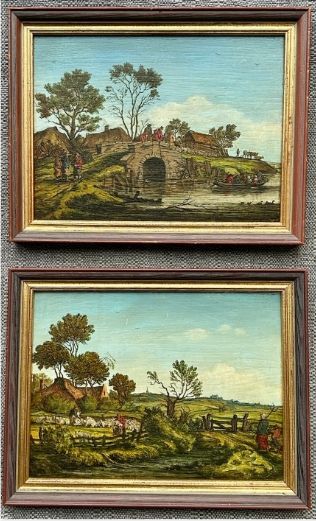
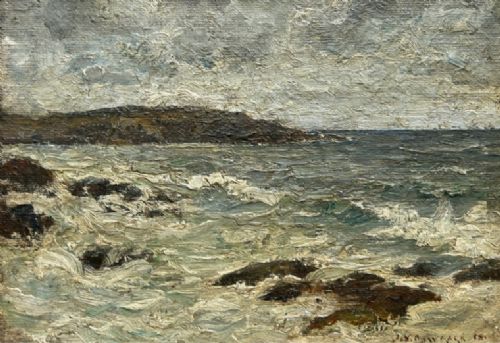

Original Oil Artwork
Original oil artwork brings lasting depth and pigment to a wall through centuries of painterly tradition.
Original Oil Artwork
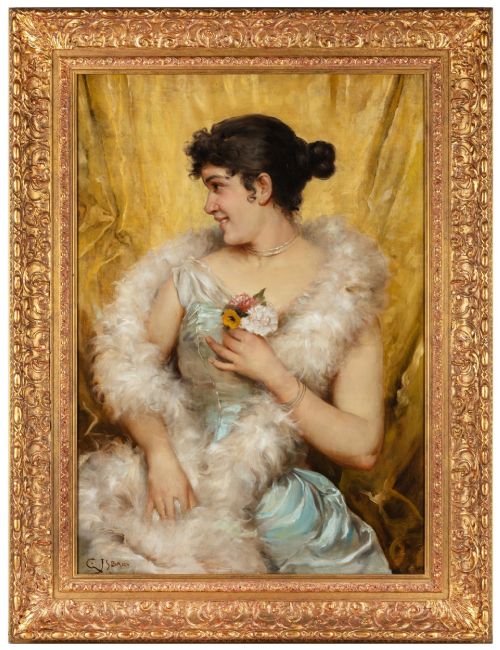
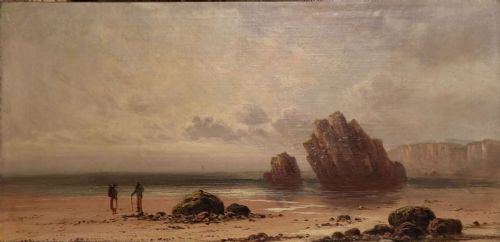
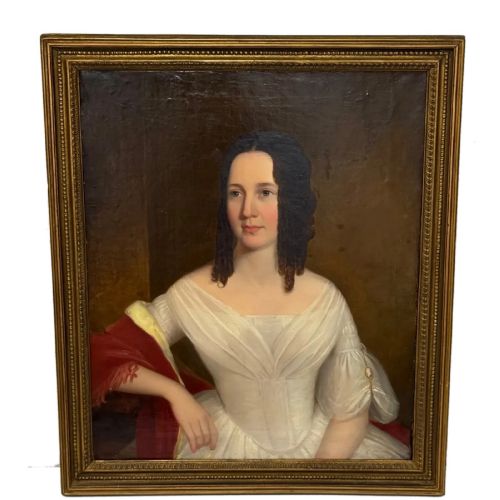
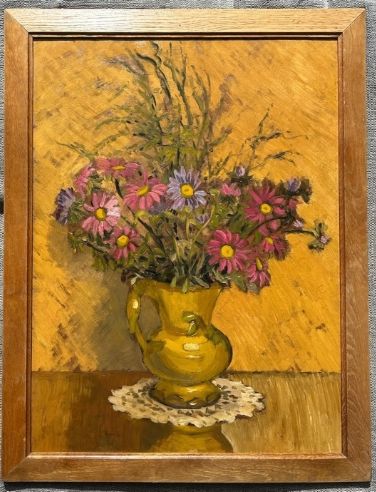
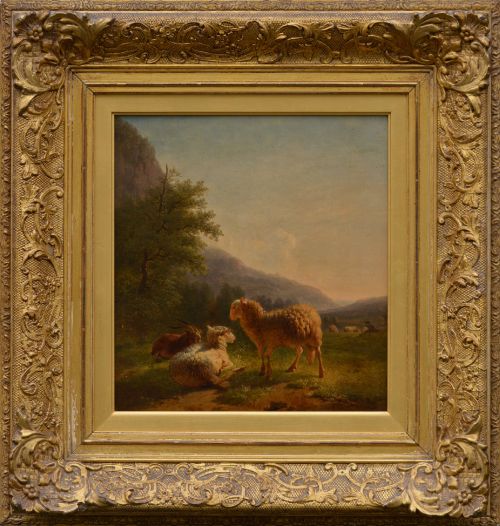
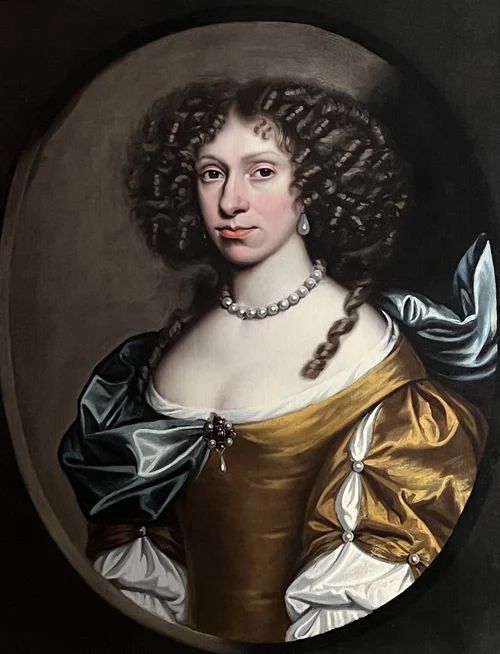
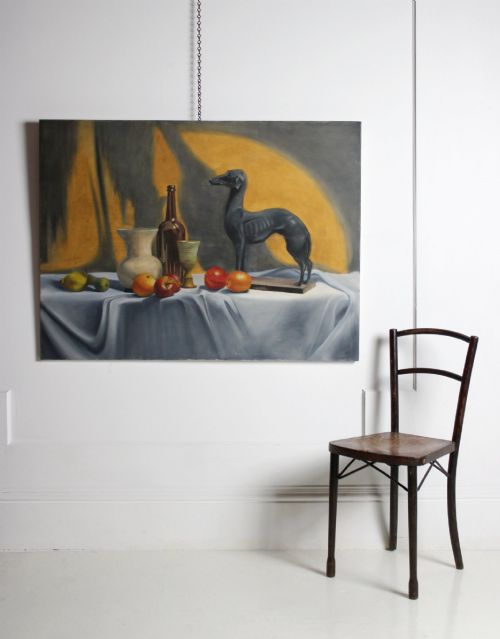
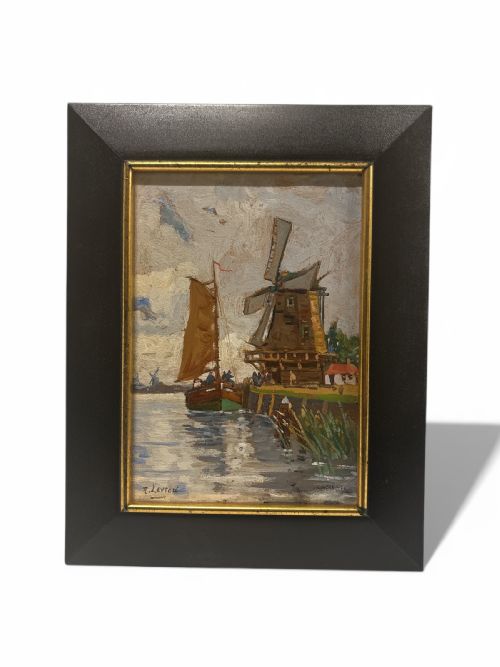
Original oil artwork encompasses painted compositions executed directly by hand upon surfaces such as canvas, wood panel and board. These pieces range from intimate still life subjects to sweeping landscapes and detailed portraiture.
The selections available span periods from the nineteenth century through to the mid-twentieth century. Works frequently originate from British, French, Dutch and Italian hands, reflecting diverse regional painting traditions.
Collectors encounter various established formats within this category, including coastal scenes, woodland vistas and floral arrangements. Each piece preserves the distinct touch and palette of its creator.
Materials and Technique
Artists built these compositions utilising oil paint applied to stretched canvas, wooden panels or prepared boards. The slow-drying nature of oil medium allowed makers to blend tones gradually and work rich layers of pigment.
Many works retain their period frames constructed from wood, finished with layers of gesso and frequently highlighted with gilt. These frames form an integral part of the physical object, often dating alongside the canvas.
Original Oil Artwork Retail Price Guide 2026
Typical asking prices for original oil artwork among the pieces listed under this phrase on Sellingantiques today, from the lower quarter to the upper quarter. They describe what is for sale here now, not the wider market.
Current listings feature oil paintings spanning from the seventeenth century through to the mid-twentieth century on canvas, wood and board.
Assessing Quality
Quality rests in the handling of brushwork and the confidence of the composition. Superior examples demonstrate a careful balance of light, shadow and colour that brings depth to the subject.
The preservation of the paint surface and the stability of the support material influence the integrity of the piece. Original frames featuring well-preserved gilt gesso ornamentation add to the completeness of the work.
G. J. S. Bary·Kenneth Cozens·Eugène Verboeckhoven·David Scougall·Tom Campbell·Clifford Hanney·William Howard Hardy·Frederick Marriott·Arthur Wardle·Eugène-Louis Gillot·John Horace Hooper·Robert Heinrich·William Joseph Shayer Senior·Alfred Fontville de Breanski Jr·Oliver Clare·Kershaw Schofield·George Houston·Robert Morson Hughes·Vittorio Reggianini·Thomas W Lascelles
The Original Oil Artwork Glossary
- Oil on Canvas
- Pigment mixed with drying oil applied to a woven fabric stretched across a wooden frame. This surface provides a slight spring and subtle texture beneath the brush strokes.
- Wood Panel
- A rigid wooden support used by artists instead of fabric. Panels offer a completely stable base that prevents the cracking often associated with aged canvas.
- Impasto
- Paint applied thickly to a canvas or board, leaving prominent brush or palette knife marks. This technique creates a three-dimensional surface that catches the light.
- Giltwood
- Wood that has been coated with a thin layer of gold leaf or metallic powder. It frequently frames period paintings to enhance the visual presentation.
- Gesso
- A plaster-like mixture applied to wood or canvas as a prepared base for painting. In framing, it provides a smooth surface for intricate mouldings before gilding.
Original Oil Artwork: Frequently Asked Questions
How do I care for original oil artwork?
Keep paintings away from direct sunlight and sudden temperature shifts to protect the canvas and pigment. Dust the surface gently with a soft, dry brush without using liquid cleaners.
Ensure the room maintains stable humidity to prevent the wooden stretcher bars or panels from warping over time.
Can I reframe an antique oil painting?
Original frames often share the age and history of the artwork, so many collectors prefer to keep them together. If a frame suffers from severe structural damage, conservation offers a way to secure the pieces.
Any replacement frame should match the period style of the painting to maintain historical harmony.
What is the difference between canvas and board?
Canvas consists of woven fabric stretched over a wooden frame, offering flexibility and a characteristic textile texture. Board provides a rigid, flat surface that resists sagging and punctures.
Both supports have been used for centuries, with the choice depending on the artist's personal preference and portability needs.
How do I identify the period of a painting?
Examine the materials of the stretcher, the type of nails or fixings used at the back, and the style of the frame. Clothing, architecture and landscape details within the subject matter also offer strong chronological clues.
Signatures and maker inscriptions recorded on the reverse often point to specific active years of the artist.