


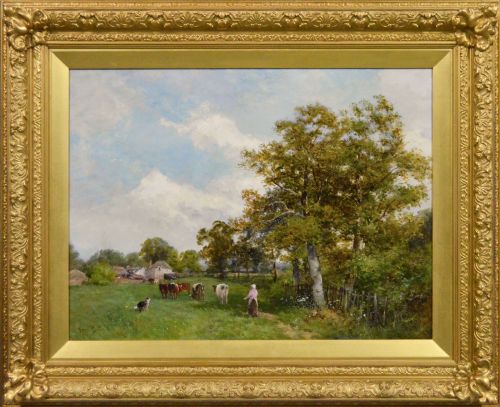
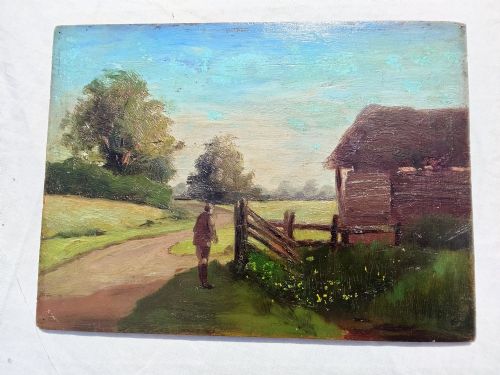
Countryside Oil Painting
A countryside oil painting brings the quiet charm of fields, rivers and farmsteads directly into your home.
What these countryside oil paintings are
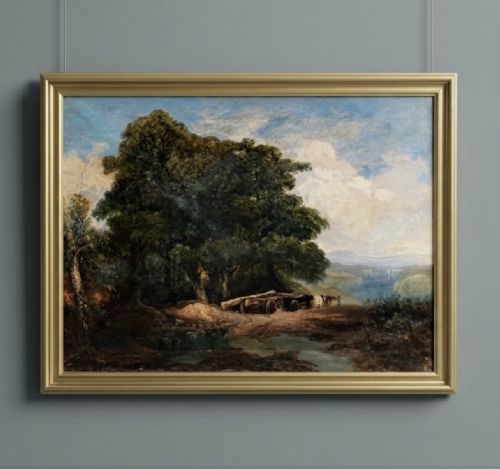
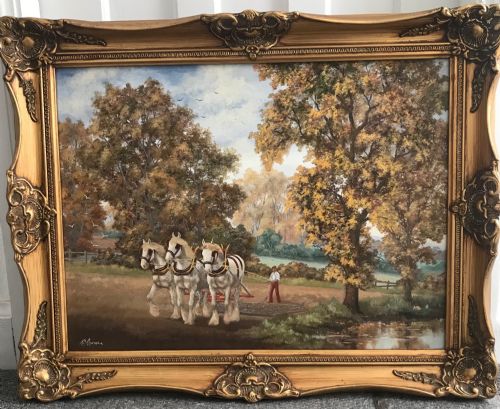
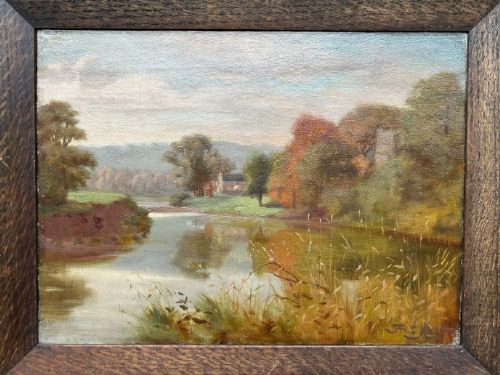
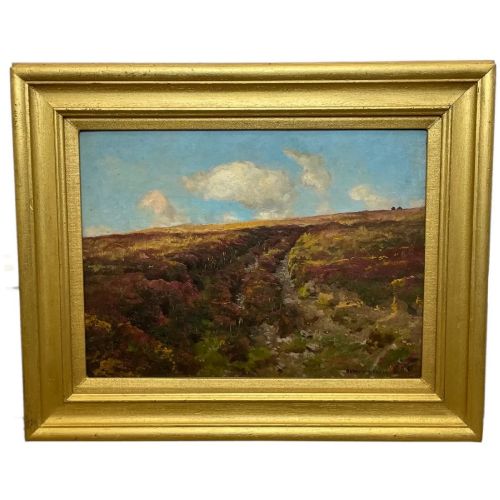
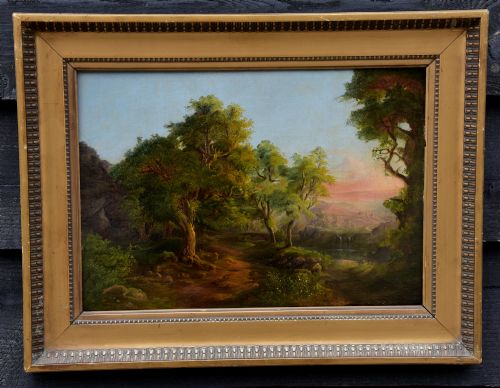
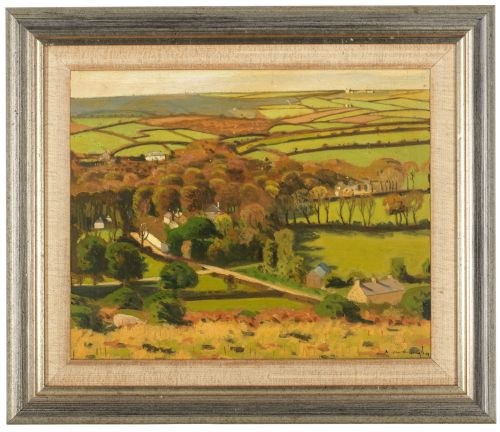
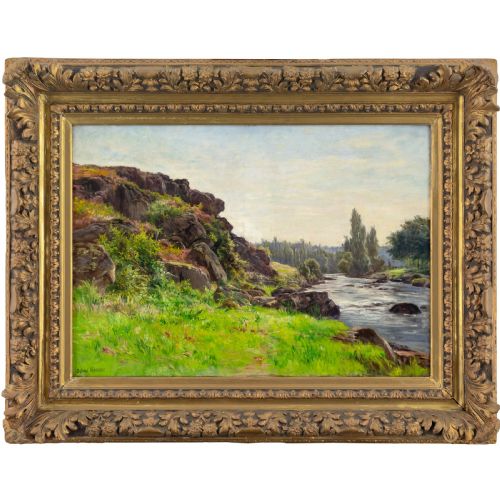
A countryside oil painting captures rural scenes including harvests, cottages, farmsteads, and river landscapes across Britain. These works span the Victorian era, the nineteenth century, and twentieth-century periods up to the nineteen-fifties.
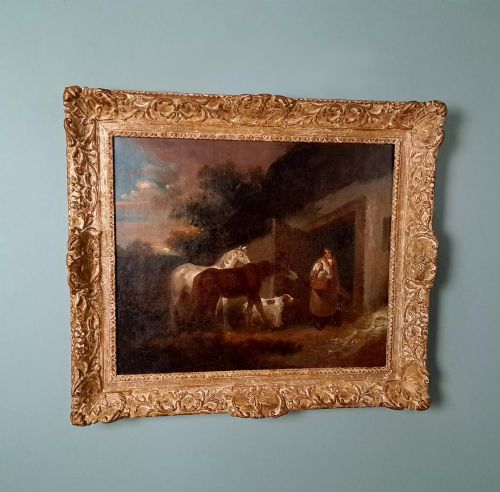
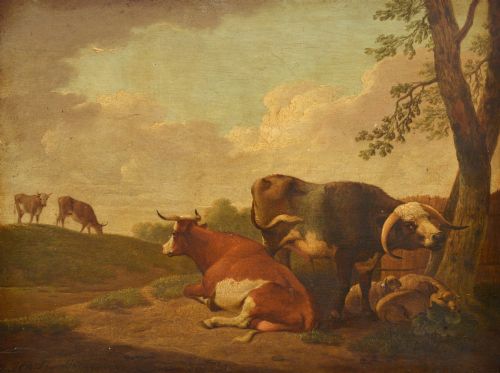
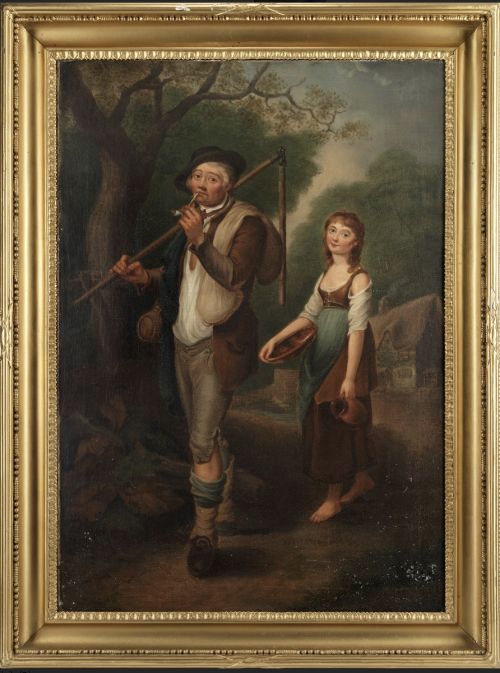
The most common examples on this page are framed oils on canvas or panel depicting pastoral views, sheep in landscapes, and haystacks. Buyers encounter both signed works by known artists and pieces attributed to the English School.
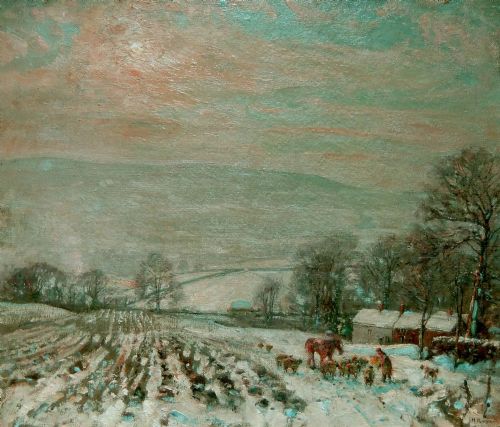
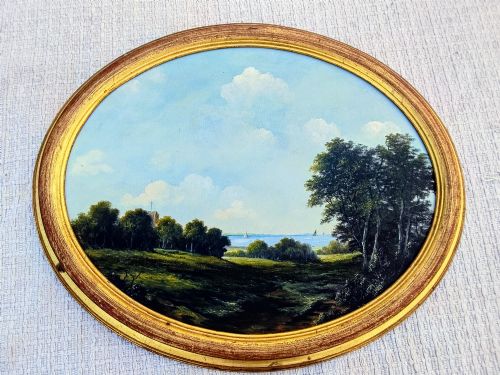
Subjects range from woodland scenes and winter pastures to river crossings and coastal or village settings. Each piece preserves a historical view of rural life through painted pigment.
How they were made
Artists painted primarily with oil paint on stretched canvas, wooden panels, or board supports. These grounds were often prepared with gesso before the application of pigment.
Retail Price Guide 2026
Typical UK retail prices for countryside oil painting, calculated from the Sellingantiques database of over a million retail prices indexed since 2003. This retail price guide relies exclusively on Sellingantiques data; no external sources or auction records are used, so the figures do not describe the wider market.
Listings feature works from the Victorian era, the nineteenth century, and mid-twentieth-century decades utilising canvas, wood panel, board, and giltwood frames.
What varies in quality
Quality rests in the handling of light, brushwork depth, and the naturalism of the rural composition. Impressionist and post-impressionist approaches show varying degrees of painterly freedom.
Original giltwood frames and swept mouldings add considerable visual weight and period context compared to plain or later replacements.
Eric Brown·Owen Bowen·James William Stamper·Percy Hipkiss·J Bell·Jack Cross·FW Hinsley·John Westall·Pamela Hughes
The Countryside Oil Painting Glossary
- Canvas
- A heavy woven fabric stretched across a wooden frame to serve as the painting support. It forms the base for most traditional oil paintings.
- Gesso
- A plaster-like mixture applied to panels or canvases to prepare a smooth surface for painting. It creates a stable white ground.
- Giltwood
- Wood carved and coated with gold leaf or metallic paint to create a decorative frame. This finish characterises many traditional picture frames.
- Fabric Slip
- A narrow fabric border placed inside the main frame surrounding the canvas. It provides a soft visual transition between image and moulding.
- Impressionism
- A style of painting focusing on light and its changing qualities rather than fine detail. British practitioners adapted this approach for rural scenes.
Frequently Asked Questions
What is a countryside oil painting?
A countryside oil painting is a work of art executed in oil pigments on canvas or panel that depicts rural scenes, farming life, and natural landscapes. These pieces record historical views of the countryside, primarily focusing on British topography and pastoral life.
Such artworks range from intimate nineteenth-century panels to larger twentieth-century canvases. They offer a direct window into historical rural environments.
How do I date an antique oil painting?
Dating relies on examining the materials, stretcher frames, canvas preparation, and stylistic markers of the period. Victorian and nineteenth-century works often feature hand-hammered tacks, dense canvas weaves, and specific frame profiles.
Signatures, inscriptions on the reverse, and biographical details of the artist also help narrow the timeframe. Comparing the painting technique to known movements like British Impressionism provides further chronological context.
How should I hang and display my painting?
Hang your oil painting on an interior wall away from direct sunlight, high humidity, and extreme temperature fluctuations. Proper picture wire and wall fixings suited to the weight of the gilt frame ensure safe suspension.
Allow adequate breathing space around the frame so the artwork can be appreciated without visual clutter. Good ambient lighting enhances the texture of the oil paint and the detail of the gesso frame.
How do I care for an antique oil painting?
Dust the surface of the canvas and the gilt frame very gently using a soft, dry artist's brush or feather duster. Avoid using water, chemical cleaners, or damp cloths on either the painted surface or the frame.
Maintain stable indoor environmental conditions to prevent the canvas from slackening or the wooden panel and gesso from cracking. Professional conservation should be sought if the paint layer shows signs of instability.