


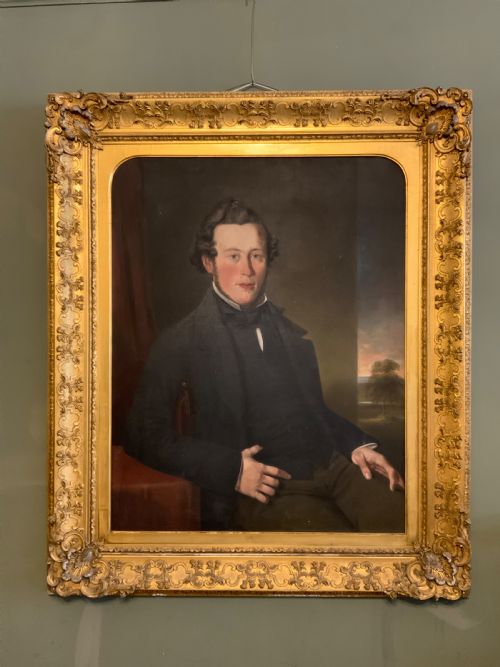
Traditional Fine Art Painting
Traditional fine art painting brings the depth of historical portraiture and landscape directly onto your walls.
Traditional Fine Art Painting
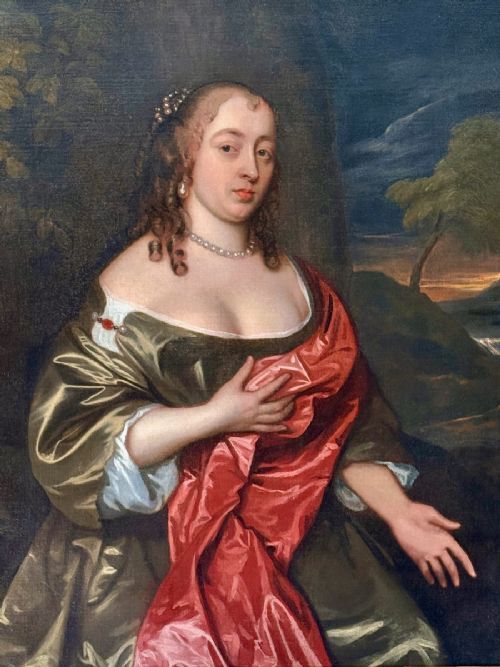
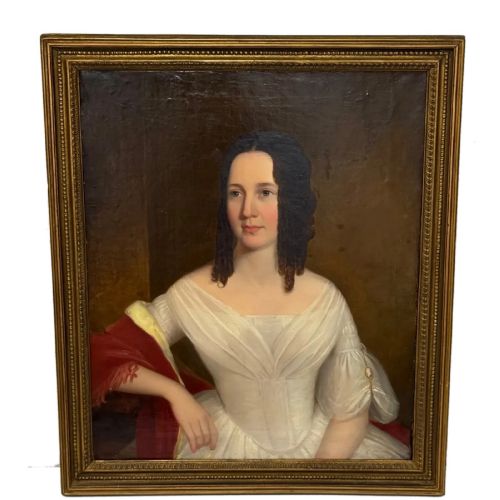
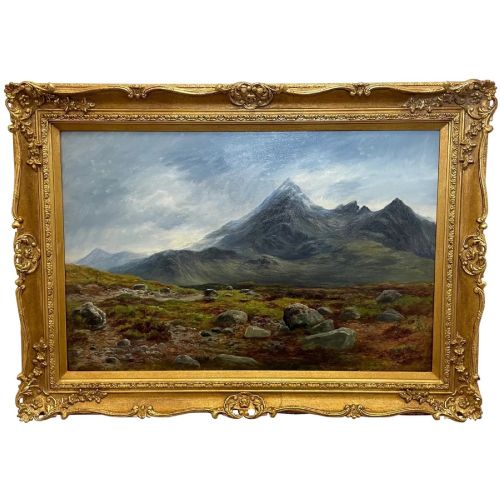
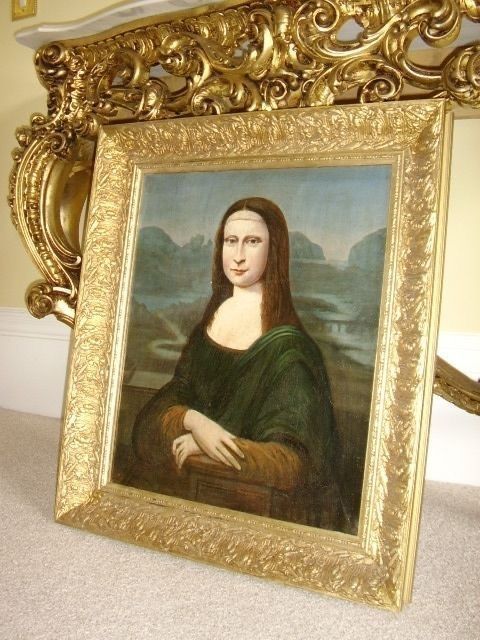
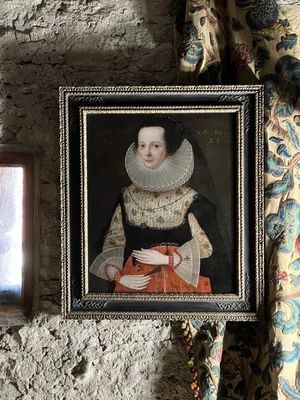
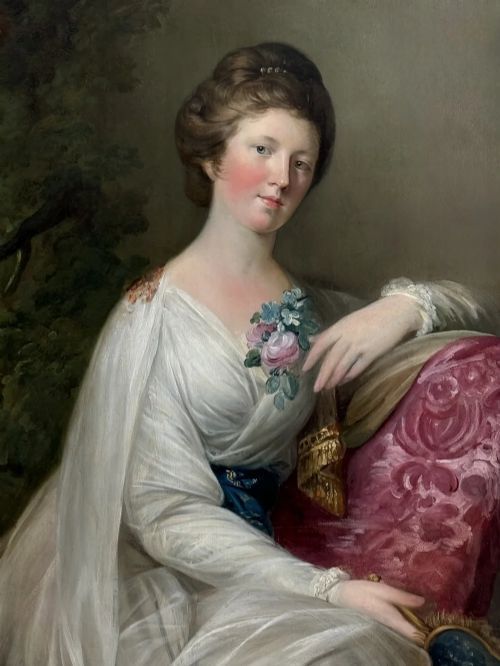
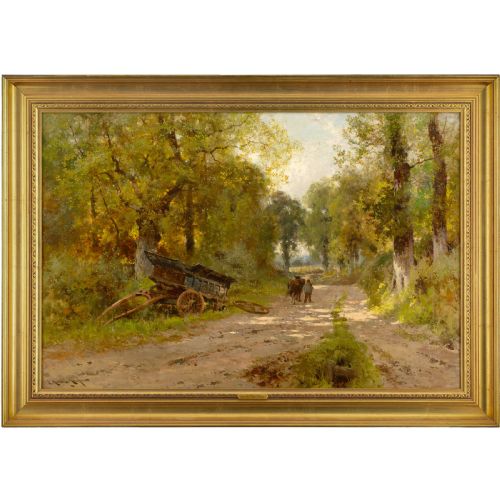
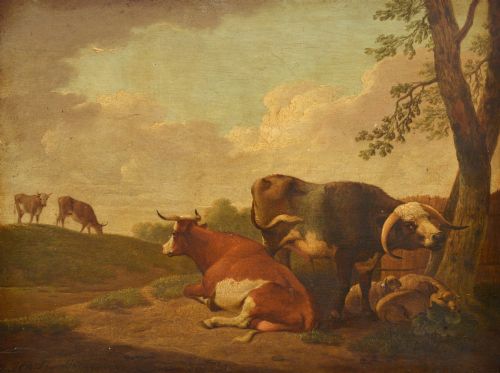
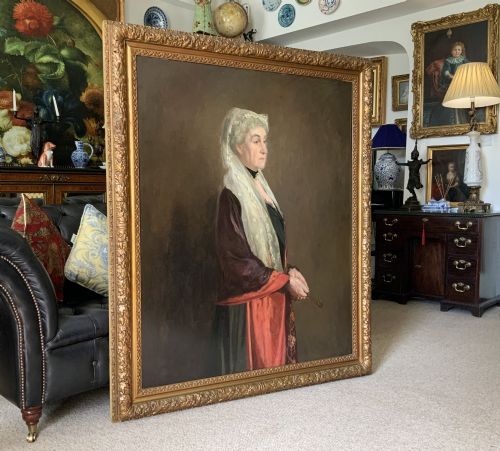
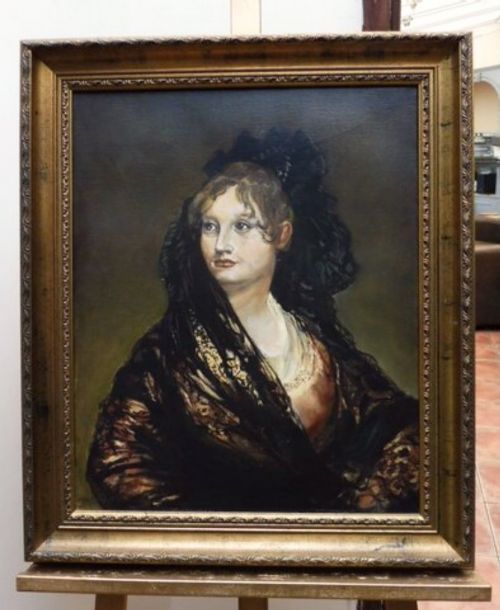
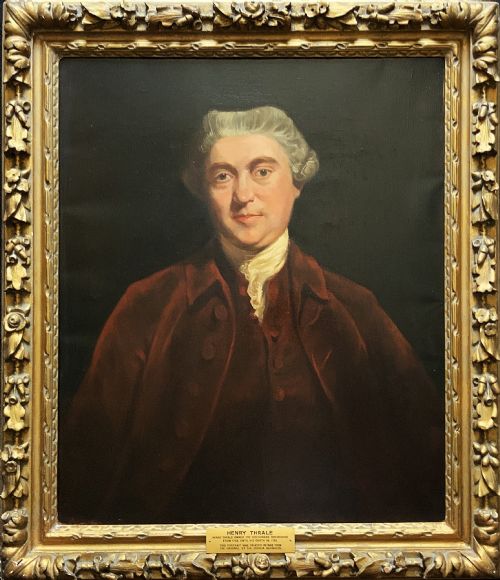
Traditional fine art painting encompasses oil paintings and watercolours spanning from the seventeenth century through to the mid twentieth century. When exploring traditional fine art painting, you encounter works executed across Victorian, Edwardian, and Georgian periods, alongside Scottish and continental schools.
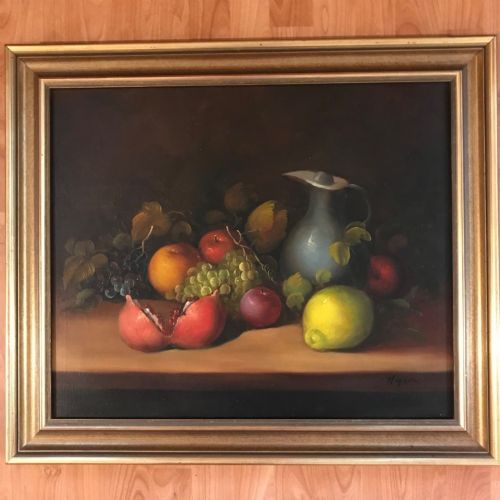
The subjects range from intimate portraits of noblewomen and gentlemen to expansive highland landscapes, rural genre scenes, and detailed still lifes with fruit. Many pieces on this page originate from named British and European artists working within established academic and regional traditions.
Materials and construction
The physical foundation of these pieces relies primarily upon oil paint applied to canvas, wood panels, or boards, housed within period frames fashioned from giltwood and gold leaf. Canvas supports receive initial sizing and priming grounds before the application of oil pigments, allowing artists to build rich layers of colour and shadow.
Wood panels and boards provide a rigid surface suited to fine detail work in landscapes and interior scenes, while watercolour paintings utilise paper supports. Giltwood frames, often original to the period, complete the construction with carved ornamentation.
Traditional Fine Art Painting Retail Price Guide 2026
Typical asking prices for traditional fine art painting among the pieces listed under this phrase on Sellingantiques today, from the lower quarter to the upper quarter. They describe what is for sale here now, not the wider market.
Canvases capture domestic tranquility through depictions of sheep grazing in Scottish highlands and children fishing under willow trees.
Distinctions in quality
Quality within traditional fine art painting reveals itself in the confident handling of light, anatomical precision, and the subtlety of tonal transitions across the subject. Masterly brushwork brings fabrics, foliage, and human expressions to life with convincing depth, whereas lesser examples rely on stiff repetition and flat planes.
The preservation of the original pigment layer and the integrity of the canvas or wood support also dictate the standing of a piece. Works retaining their untouched surface texture and authentic period frames command greater regard among collectors.
JOHN HAYLS·William Beattie-Brown·GEORGE GRAHAM·Tom Campbell·George Willison·John Horace Hooper·Hendrik Willem Schweickhardt·Francisco José de GOYA y Lucientes·Sir Joshua Reynolds·George Houston·C. Sørensen·Albert Clark·W.R. Waters·Jonny Gaston·John Lübschitz·Gainsborough·Howard Helmick·Edward Ladell·Max Kaltenmoser·James Hamilton·Stephen Pearce·Ian Parker·Alfred G. Morgan
The Traditional Fine Art Painting Glossary
- Oil on Canvas
- A painting technique where oil-based paints are applied to a woven fabric stretched across a wooden frame. This method allows for slow drying times, facilitating smooth blending and rich colour saturation.
- Genre Painting
- Depictions of everyday life, domestic interiors, or social scenes involving ordinary people. These works provide valuable social history alongside artistic merit.
- Giltwood
- Wood, typically carved timber, coated with a thin layer of gold leaf or gold paint. It frequently forms the decorative frame surrounding a traditional painting.
- Wood Panel
- A rigid flat piece of timber utilised as a painting support prior to the widespread adoption of canvas. Panels often yield exceptionally stable surfaces for early portraits.
- Watercolour Painting
- A medium consisting of pigments suspended in a water-soluble vehicle, usually applied to paper. It yields transparent washes of colour distinct from opaque oils.
Traditional Fine Art Painting: Frequently Asked Questions
How do I identify the period of an oil painting?
Dating a traditional painting relies on examining the stretcher frames, canvas type, costume details of the sitters, and pigment composition. Written signatures and dates on the reverse or front provide direct clues.
Stylistic markers such as Victorian realism or Georgian portrait conventions further narrow down the decade of creation when documentation is absent.
Where should I hang a traditional oil painting?
Traditional oils suit principal reception rooms, studies, and hallways where stable ambient temperatures prevail. Avoid placing them in direct sunlight or above active fireplaces to protect the canvas and giltwood frame.
Ensure the wall fixtures securely support the weight of heavy wooden frames typical of nineteenth-century artwork.
What is the difference between oil on canvas and oil on board?
Oil on canvas utilises a flexible woven textile stretched tightly over a wooden frame, offering a textured surface for brushwork. Oil on board employs a rigid wooden or composition panel as a firm support for the paint.
Both mediums were utilised extensively across different periods, with boards often favoured for smaller plein air landscapes and studies.