




Early Twentieth Century Artwork
Early twentieth century artwork brings together oil paintings, watercolours, and carved sculptures from periods spanning the Edwardian era through the nineteen-thirties.
Early Twentieth Century Artwork
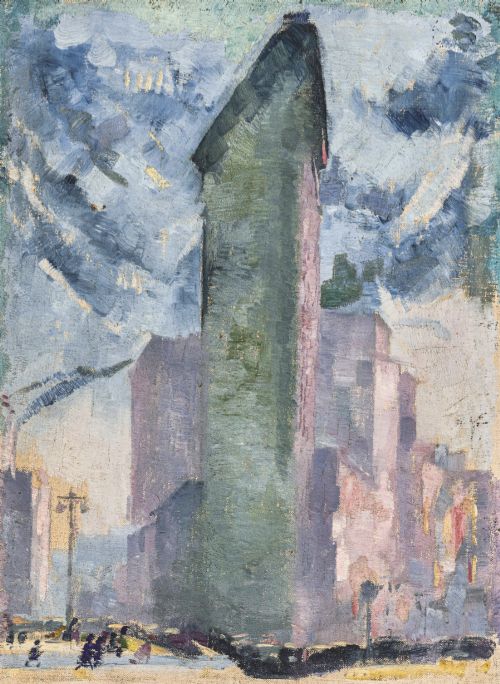
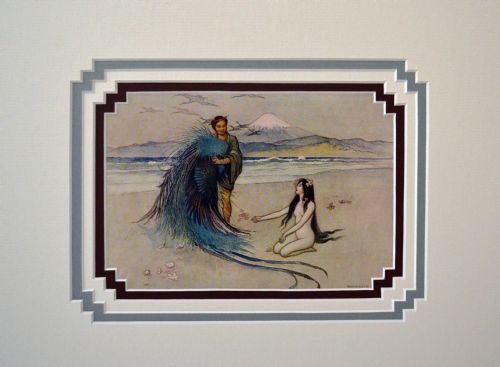
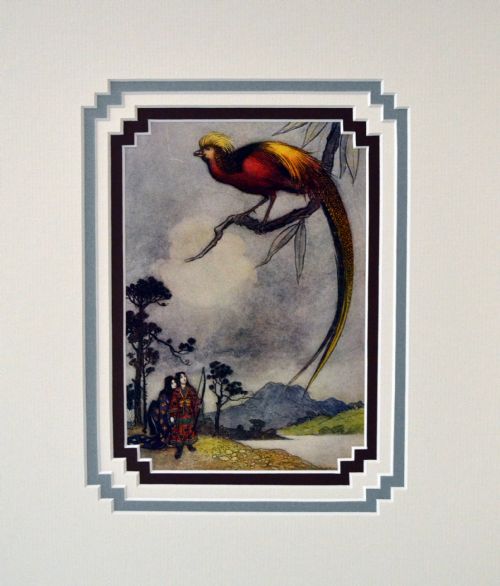
Early twentieth century artwork encompasses oil paintings, watercolours, original prints, and carved sculptures produced across British and European schools. These pieces reflect movements such as British Impressionism, Post-Impressionism, and Art Nouveau.
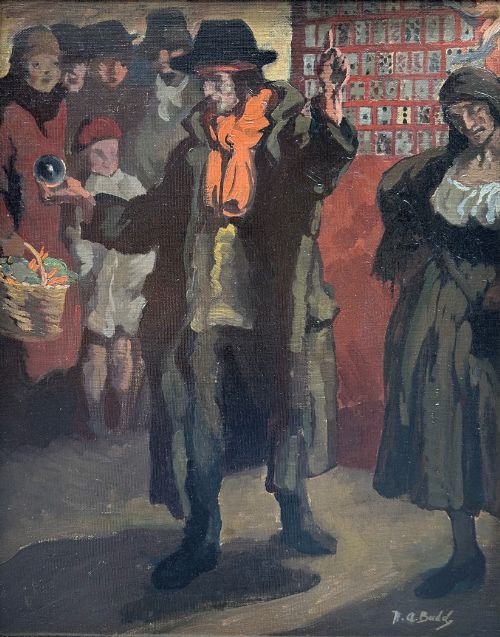
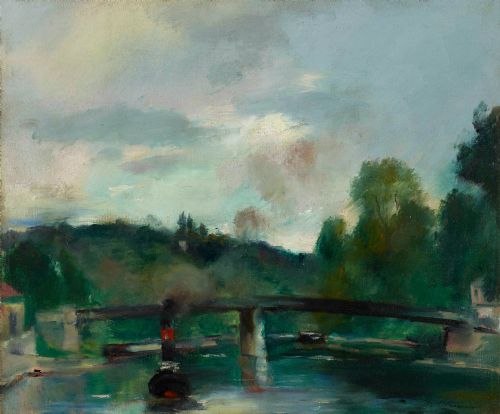
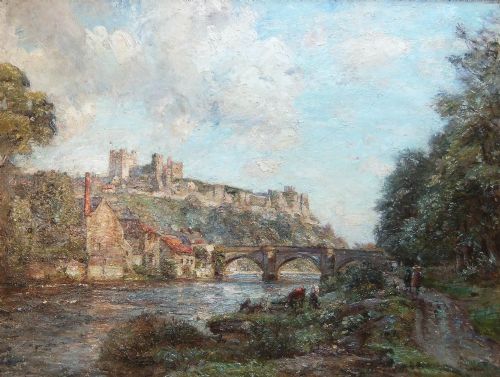
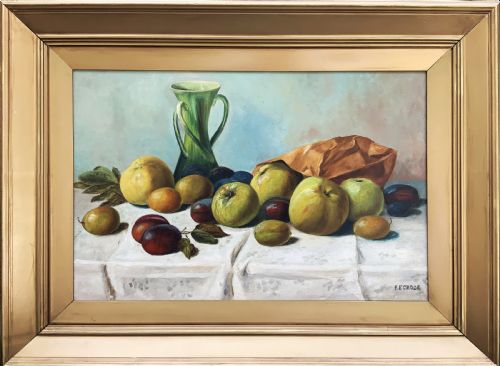
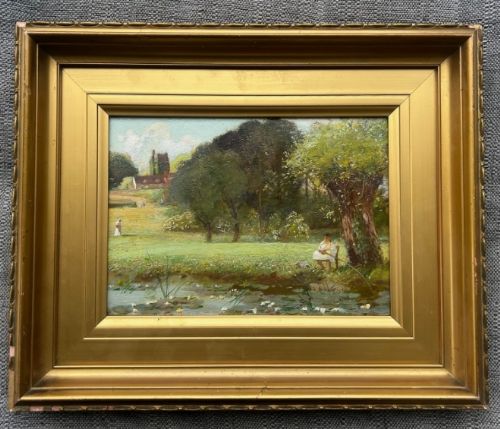
Most items on this page lean towards landscapes, marine scenes, and portraiture created in oil paint or watercolour on canvas, board, paper, or wood panels.
The selection ranges from regional British scenes to continental subjects, demonstrating the varied output of painters and sculptors working in the opening decades of the twentieth century.
Materials and techniques
Artists worked primarily with oil paint on canvas, board, or wood panels, alongside watercolours and ink drawings on paper. Canvas supports often bear the texture of woven fabric, while board and panel provide a rigid surface for detailed brushwork.
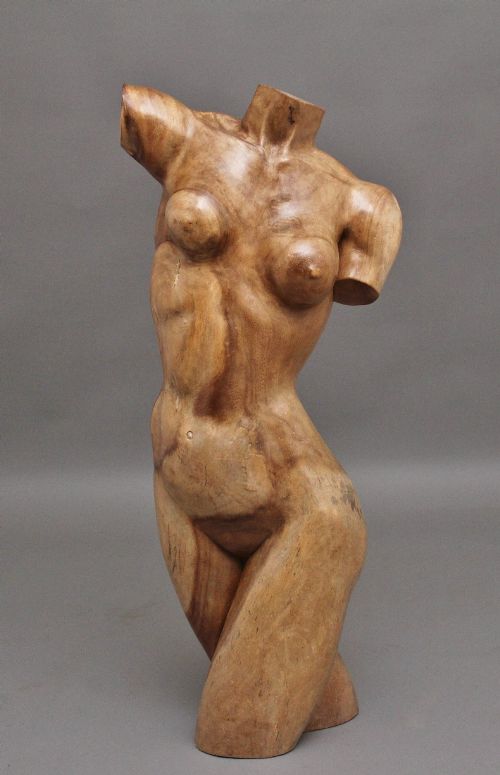
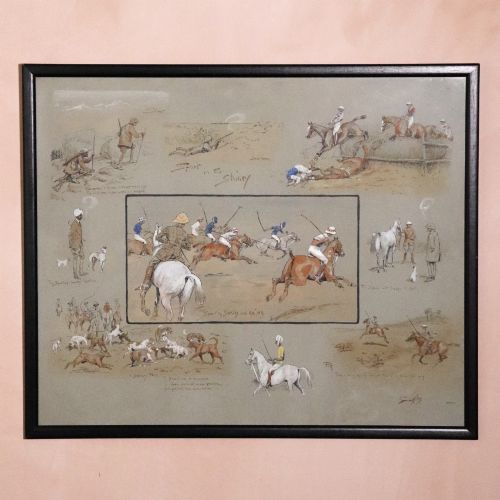
Sculptural pieces utilise carved materials such as wood, forming life-size figures, while other works employ enamel applied to copper. Framing frequently incorporates period burr wood or moulded surrounds that complement the artwork.
Early Twentieth Century Artwork Retail Price Guide 2026
Typical asking prices for early twentieth century artwork among the pieces listed under this phrase on Sellingantiques today, from the lower quarter to the upper quarter. They describe what is for sale here now, not the wider market.
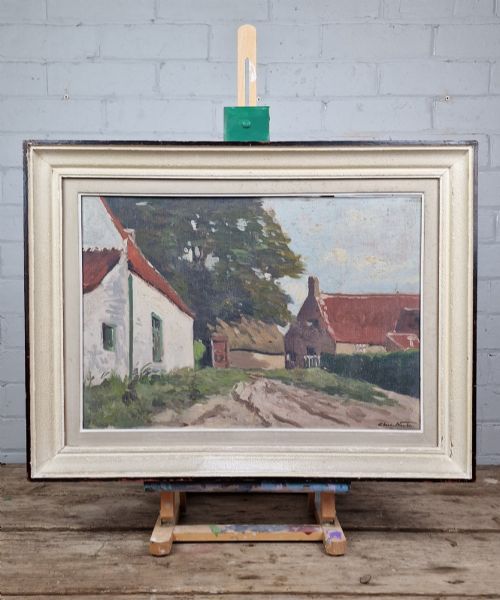
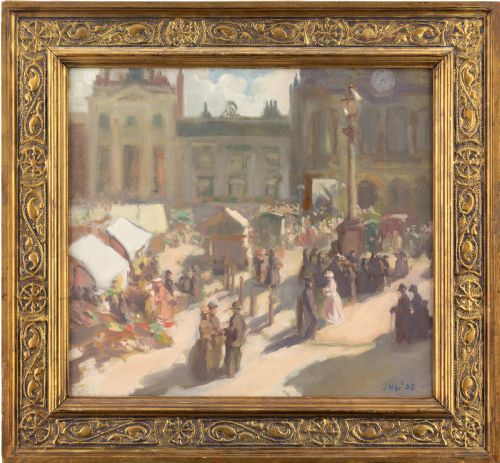
Several artists clearly paused to paint local golf courses, bustling markets, and quiet farmyards while the twentieth century gathered pace.
Distinctions in quality
Quality rests in the surety of the brushwork, the handling of light, and the compositional balance achieved by the artist. Stronger pieces display confident application of pigment and a clear sense of place or form.
The preservation of the original surface, whether oil on canvas or watercolour on paper, determines the visual impact. Works that retain their original tones and stable supports stand apart from those with heavy restoration.
Charles Houben·Herbert Ashwin Budd·Alfred Wolmark·Henri Ottmann·John Hodgson Lobley·Herbert Royle·Warwick Goble·Antoine Calbet·Sir David Murray·Friedrich von Kaulbach·J D Fergusson·William Grant Murray·Florence Hess·Andrew Young·Berthe des Clayes·William Lambert Bell·Fred Lawson·Frank Wood·Richard Geiger·Owen Bowen·Fred Mayor·Ernest Higgins Rigg·George Hamilton Constantine·Walter Henry Sweet
The Early Twentieth Century Artwork Glossary
- Oil paint
- A medium consisting of pigments suspended in a drying oil, typically linseed, allowing for rich colour depth and blended brushstrokes.
- Watercolour
- A painting method where water-soluble pigments are applied to paper, producing transparent washes and delicate tones.
- Post-Impressionism
- An art movement following Impressionism that extended its use of vivid colours while emphasising geometric forms and expressive brushwork.
- Wood panel
- A flat wooden support used as a rigid alternative to canvas for oil paintings during the period.
Early Twentieth Century Artwork: Frequently Asked Questions
What periods do these artworks cover?
The pieces span the Edwardian era, the nineteen-tens, twenties, and thirties, alongside select nineteenth-century works and mid-century items.
This broad timeline captures diverse stylistic shifts across British and European art schools.
Are these works signed by the artists?
Many of the listed oil paintings and watercolours bear signatures or inscriptions identifying the creator or the depicted location.
Attributions also rely on documented styles and period framing consistent with the artist's working dates.
How should I care for these paintings?
Keep oil and watercolour works away from direct sunlight and damp environments to protect the pigments and paper or canvas supports.
Display them on stable interior walls with steady temperature and humidity levels.
What framing comes with the artwork?
Pieces often arrive in period frames, including burr wood surrounds and moulded wooden profiles appropriate to the date of creation.
These original or period-matched surrounds complement the visual style of the painting or print.