




Staithes Group Oil Painting
These staithes group oil painting works capture northern light and rural scenes through expressive brushwork.
Staithes Group Oil Painting
A staithes group oil painting represents the output of northern artists working under the influence of Impressionism around the early twentieth century. These pieces record landscapes, harbours, farmyards, and still life arrangements from periods spanning 1900 to 1930.
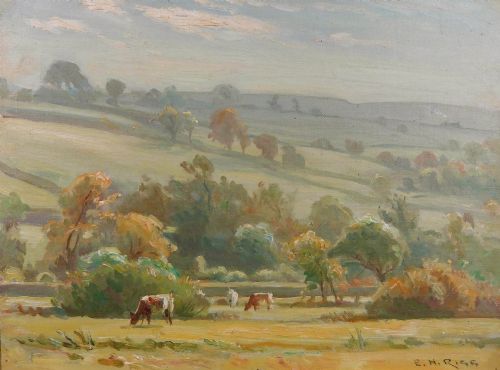
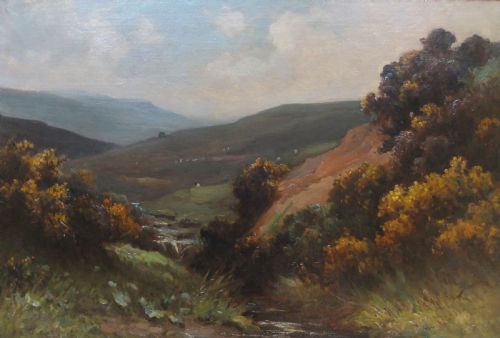
The most common version met on this page is a landscape on canvas or board depicting Yorkshire valleys, rivers, and village houses. Artists render these scenes with attention to changing atmospheric conditions and natural light.
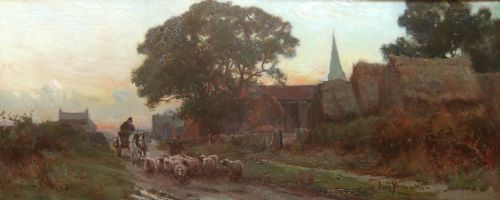
Subjects extend beyond coastal villages to include moorland streams, garden flowers, and agricultural scenes. The works connect closely to northern topography, particularly Yorkshire locations like Swaledale and Wharfedale.
Materials and Technique
Artists painted primarily with oil paint applied to canvas, wood, board, or timber panels. The medium allowed for textured impasto and blended passages that capture the play of light on water, foliage, and stone.
Brushwork remains loose and observational, aligning with British Impressionism of the period. Pigments build up direct, visible strokes to suggest movement in clouds, water, and foliage without rigid academic finish.
Staithes Group Oil Painting Retail Price Guide 2026
Typical asking prices for staithes group oil painting among the pieces listed under this phrase on Sellingantiques today, from the lower quarter to the upper quarter. They describe what is for sale here now, not the wider market.
Materials recorded across these listings include canvas, oil paint, wood, board, and timber.
Evaluating the Range
Quality separates through the confidence of the handling and the cohesion of the composition. Stronger examples deploy paint with purpose, where every stroke defines form and atmosphere effectively.
The resonance of the palette and the management of light dictate visual success. Works that capture specific weather effects or subtle tonal shifts in landscape settings hold greater engagement than routine topographical records.
Ernest Higgins Rigg·Owen Bowen·Florence Hess·Frederick W Jackson·Paul Paul·James Watson·James William Booth
The Staithes Group Oil Painting Glossary
- Board
- A rigid flat support made of timber or wood pulp used by artists in place of stretched canvas.
- Impressionism
- A style of painting emphasising immediate visual impressions and loose brushwork rather than detailed realism.
- Panel
- A flat wooden support prepared with a ground layer for oil painting.
- Still Life
- An artwork depicting inanimate subject matter, typically commonplace objects such as flowers or fruit.
Staithes Group Oil Painting: Frequently Asked Questions
What is a staithes group oil painting?
These works are paintings created by artists associated with the northern Impressionist movement active around Yorkshire. They record rural views, coastal scenes, and domestic subjects from the early decades of the twentieth century.
The artists embraced plein air methods and loose brushwork. Their output documents regional landscapes using oil on canvas or board.
How should I care for these paintings?
Keep oil paintings away from direct sunlight and steady humidity levels to protect the paint layer and support. Avoid hanging them near heat sources that might dry out the wood or canvas.
Dust surfaces gently with a soft, dry brush when necessary. Consult a professional conservator for cleaning or restoration work.
What periods do these paintings cover?
The pieces listed date from the early twentieth century, specifically between 1900 and 1930. This timeframe encompasses the core working years of the northern artists.
Stylistic shifts across these decades reflect the ongoing development of British Impressionism. Most examples belong to the years around 1910 and 1920.
What materials were used?
Artists used oil paint applied to stretched canvas, wood panels, or timber boards. These supports provided stable surfaces for textured application.
The combination of oil medium and varied supports allowed painters to work outdoors and capture transient effects of light.