



Framed British Landscape Art
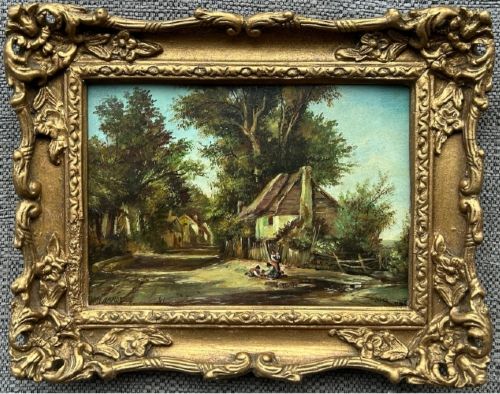
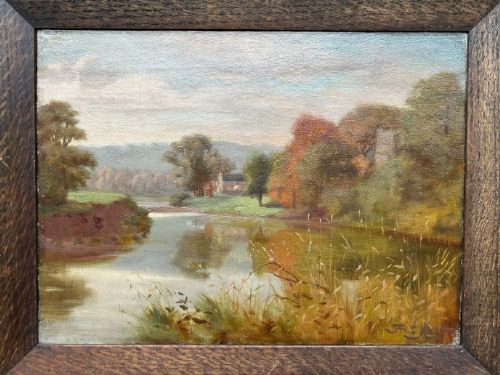
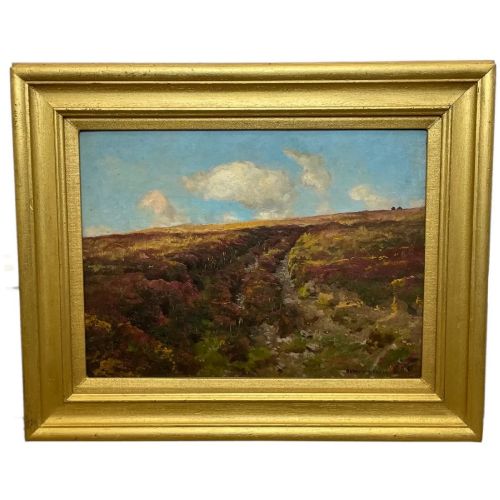
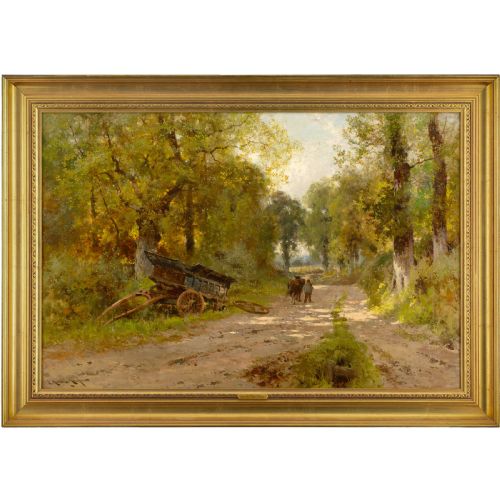
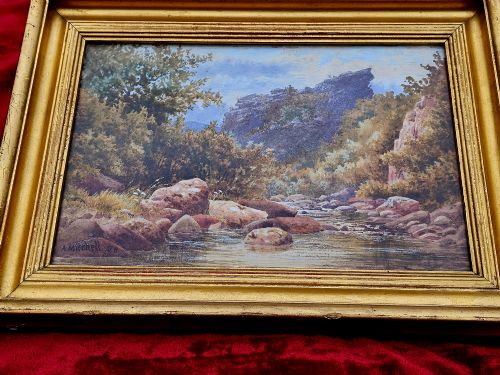
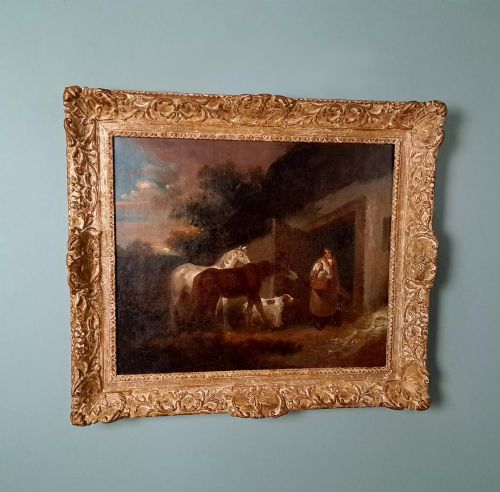
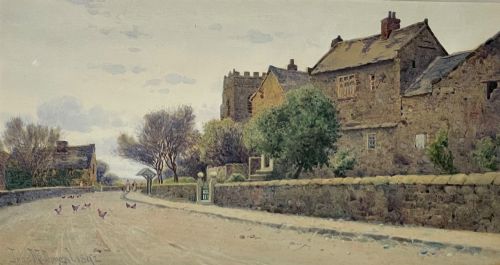
Framed british landscape art captures the natural contours of the countryside through oil paint and watercolour.
Framed British Landscape Art
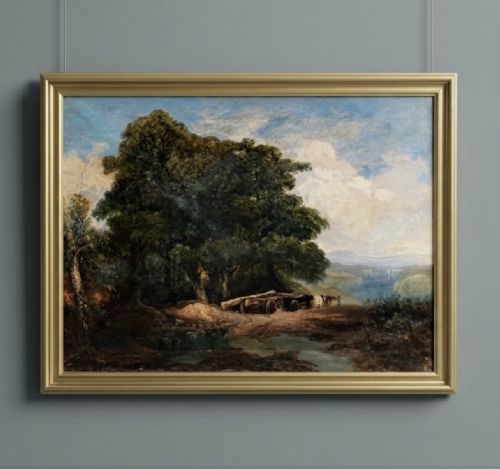
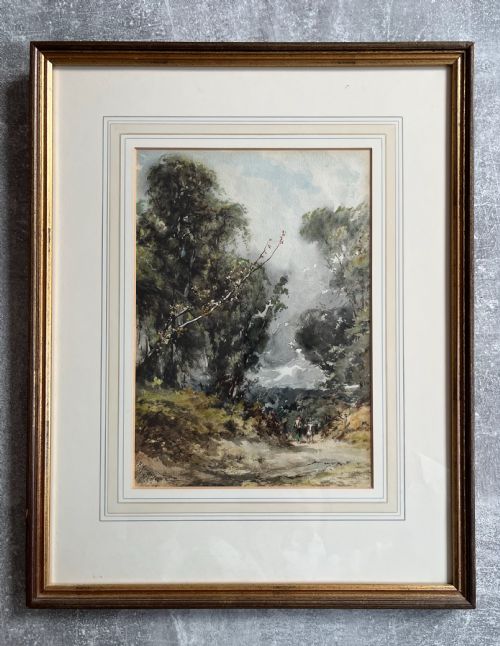
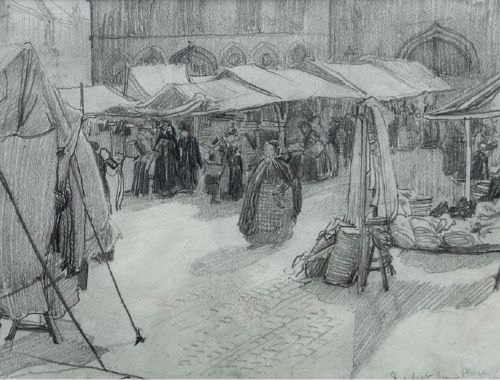
Framed british landscape art encompasses original oil paintings, watercolours, and drawings depicting rural scenery, coastal views, and urban waterways across various periods. Buyers seek these works to bring traditional depictions of the countryside and coastal havens into domestic interiors.
The pieces on this page span from the nineteenth century through the Edwardian era into the mid twentieth century, reflecting shifting attitudes toward nature and place. Watercolour and oil on canvas predominate, housed within period wood and gilt frames.
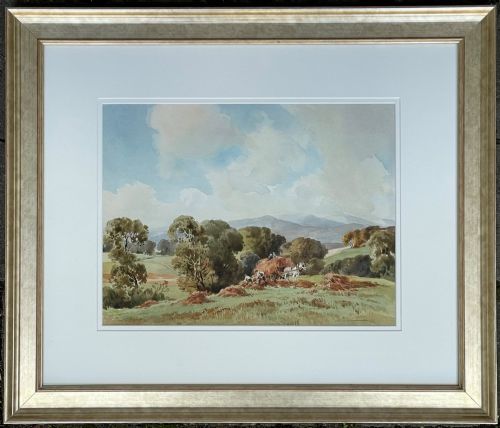
Victorian and Edwardian examples sit alongside modern British interpretations, showing scenes from Scotland, Wales, Cornwall, and the Lake District. Painters documented local topography, agricultural life, and marine harbours with varying degrees of academic finish and impressionistic brushwork.
Materials and techniques
Artists painted primarily in oil on canvas or panel, or applied watercolour pigments to paper, utilising brush, pencil, and charcoal for preliminary sketching. Watercolours rely on the luminosity of white paper showing through translucent washes, while oils build up rich texture and depth on woven grounds.
Support materials range from wooden panels and stretched canvas to heavy rag paper, often protected beneath glass for works on paper. Frames constructed from wood and finished with gilt leaf enclose the compositions, defining the boundary between the artwork and the room.
Regional subjects include coastal scenes in Cornwall, Scottish waterways, and pastoral views from the Lake District and Wales.
Factors of quality
Quality rests upon the handling of light, atmospheric perspective, and the confidence of the draughtsmanship within the composition. Masterful brushwork and subtle colour harmonies distinguish accomplished studio or en plein air studies from rigid topographical recording.
The preservation of the original medium, the condition of the paper or canvas, and the integrity of the period frame contribute to the overall standing of an artwork. Works carrying clear signatures by established regional schools demonstrate greater documentary and artistic weight.
Richard Sebastian Bond·George Fotherly Hargitt·James Orrock·Henry Percy Huggill·William H Myers·George Graham·Thomas Ellison·Clifford Hanney·Percy Lancaster·William Howard Hardy·Frederick Marriott·Arthur Wardle·John Horace Hooper·A. Mitchell·William Joseph Shayer Senior·John McDougal·Alfred Fontville de Breanski Jr·Sidney A. Court·EJ Letheren·Edward Mills·Robert Leslie Howey·Kershaw Schofield·William Banks Fortescue·Robert Morson Hughes·Thomas Barker of Bath
The Framed British Landscape Art Glossary
- Watercolour
- A painting method in which the paints are made of pigments suspended in a water-based solution. These works typically require framing behind glass to protect the paper support from atmospheric moisture.
- Oil on Canvas
- A technique utilising pigments bound with an oil medium applied to a stretched fabric support. This combination allows for rich blending of tone and texture.
- En Plein Air
- The practice of painting outdoors to capture direct observations of natural light and weather. Artists utilised portable materials to record shifting landscape conditions on site.
- Norwich School
- A regional collective of artists influenced by Dutch landscape traditions who depicted local scenery. Their works emphasise atmospheric skies and rural pathways.
- Gilt Wood
- Timber framing finished with a thin layer of gold leaf or metallic powder. These surrounds often feature decorative moulding characteristic of their period of origin.
Framed British Landscape Art: Frequently Asked Questions
How should I hang framed british landscape art?
Hang these artworks at eye level on walls protected from direct sunlight to prevent fading of watercolours and oil pigments. Ensure the hanging wire and wall fixings safely support the weight of the wood and gilt frames.
Keep pieces away from fluctuating heat sources such as radiators to protect canvas tension and wood stability. Grouping works of similar scale creates a cohesive display without overcrowding the wall.
What subjects appear in nineteenth century watercolours?
Nineteenth century watercolours frequently depict coastal harbours, fishing boats, and rural agricultural scenes such as herding sheep or harvesting crops. Artists travelled through Wales, Scotland, and English counties to record local topography.
These compositions often capture transient weather effects, moody skies, and everyday rural labour. Painters worked both on site and in studios to produce finished exhibition pieces.
How do I identify the period of a landscape painting?
Examine the materials, stretcher bars, framing style, and any artist signatures or dates inscribed on the reverse. Stylistic traits such as Victorian academic detail or early twentieth century impressionistic brushwork offer chronological clues.
Examine the type of canvas or paper and the construction methods of the wooden frame. Handwritten gallery labels or remnants of exhibition stamps on the back often record provenance.
Are these paintings original works?
The listings comprise original paintings, watercolours, and drawings executed by hand rather than mass-produced reproductions. Each piece represents a unique artistic interpretation of a specific British location.
Signatures, artist ciphers, and contemporary exhibition records help verify individual authorship. Hand-mixed pigments and visible brush strokes confirm the direct touch of the maker.