

English Landscape Oil Painting
An English landscape oil painting captures the changing rural scenery, rivers, and coastal views of Britain across past centuries.
What They Are
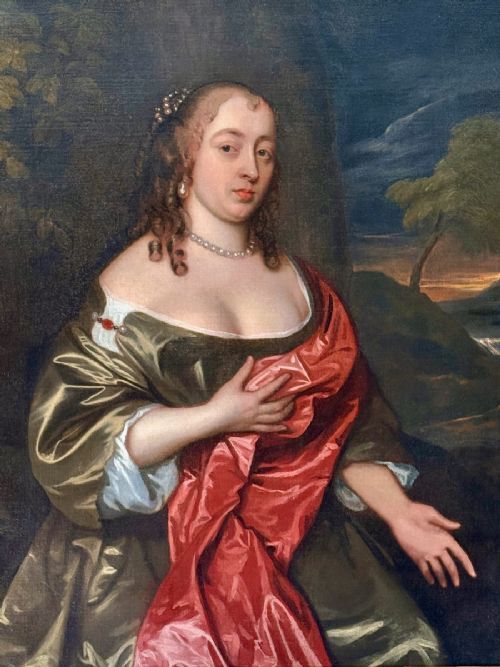
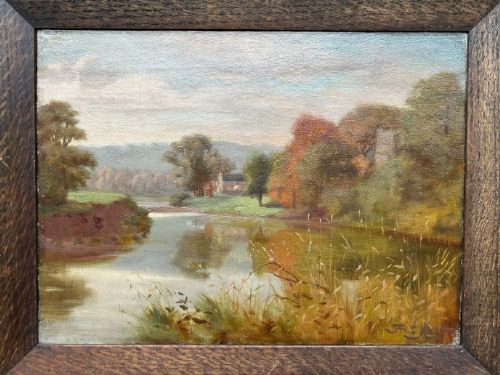
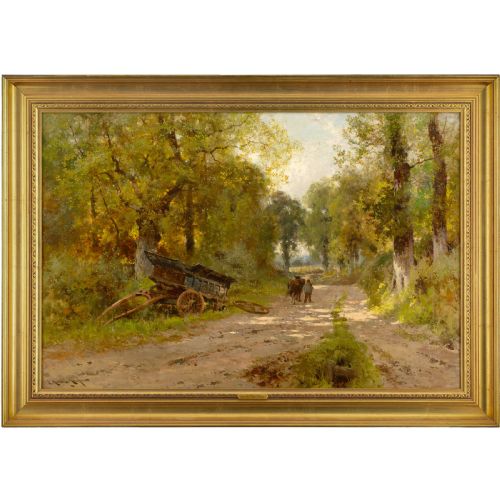
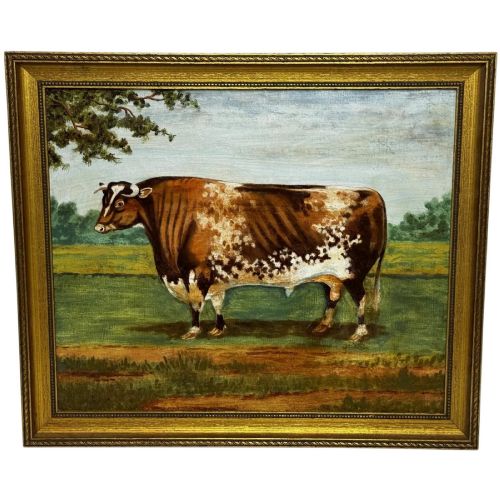
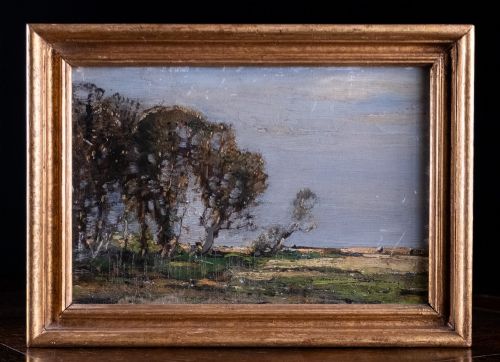
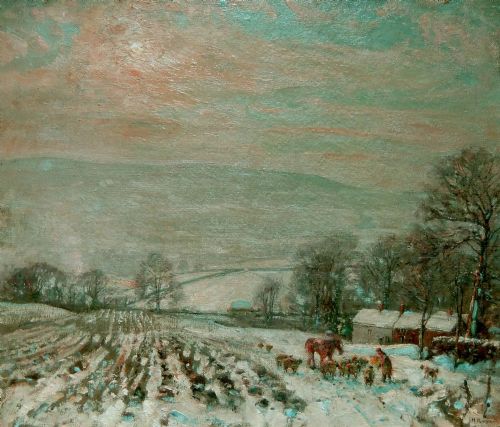
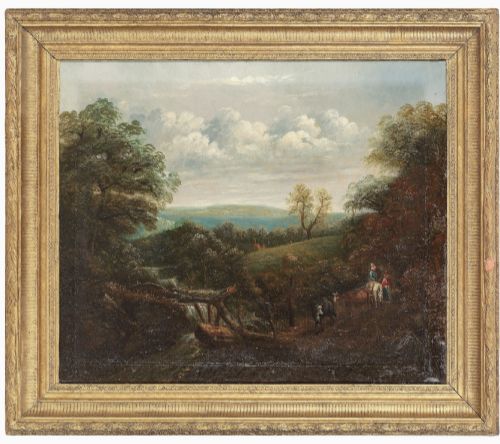
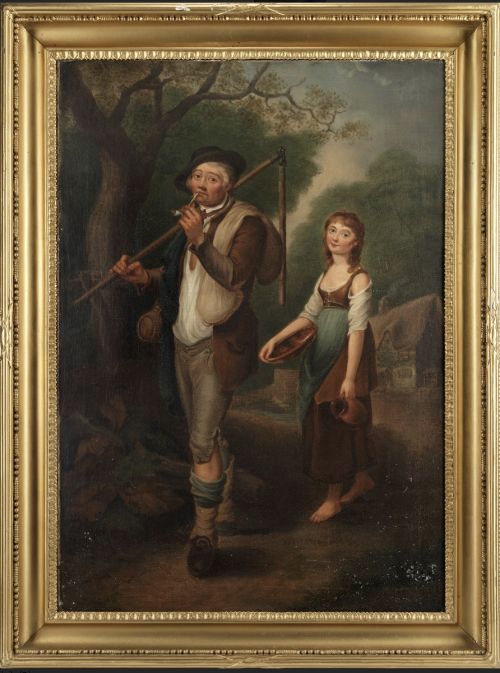
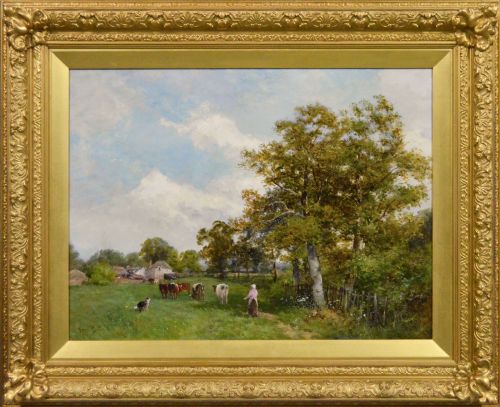
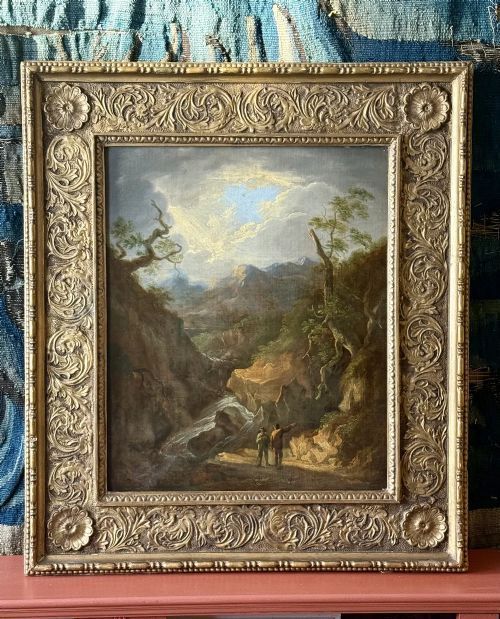
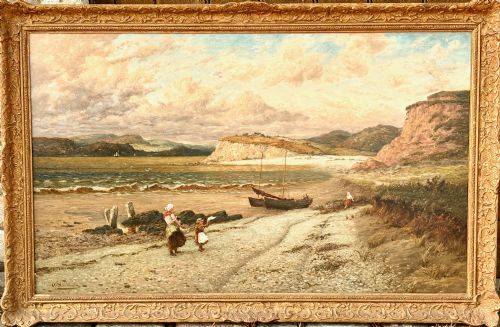
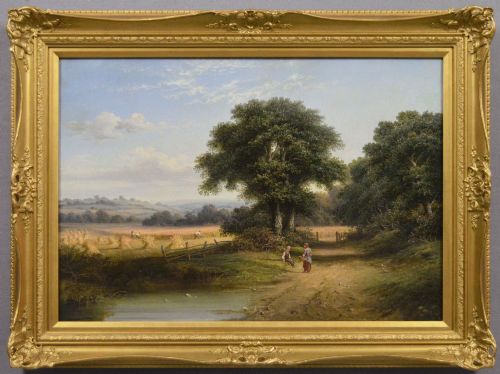
An english landscape oil painting portrays rural scenes, agricultural land, river valleys, and coastal vistas produced by British artists. The examples on this page span from the Georgian and Regency eras through the Victorian period and into mid-century modern movements.
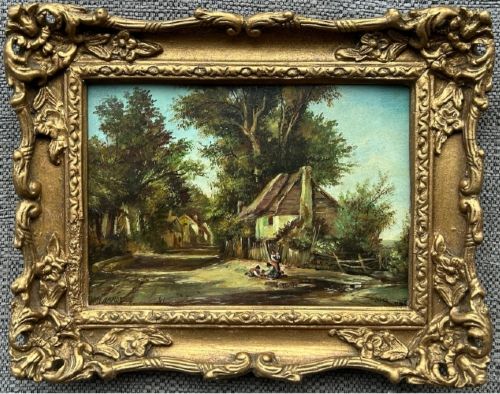
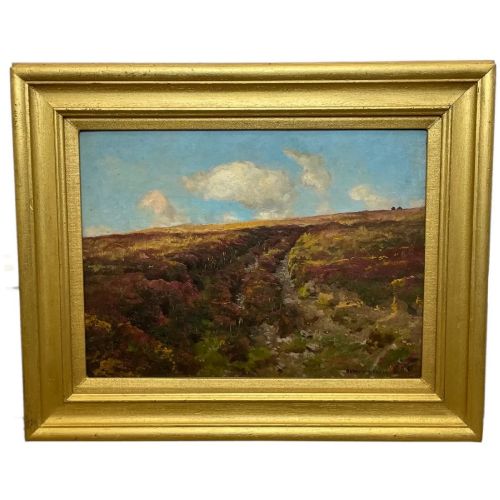
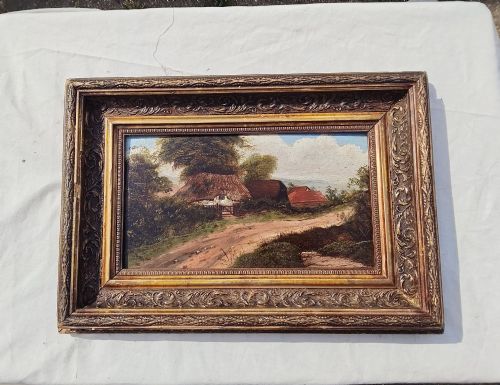
The most common formats met here are framed canvases and portable wood panels or boards depicting local country views, pastoral idylls, and Yorkshire dales. These works range from informal studio sketches to finished compositions bearing artist signatures.
Rural subjects dominate the selection, often including cottages, windmills, farmyards, and figures near water. Buyers encounter both named regional painters and anonymous works catalogued under historical British schools.
What Varies in Quality
Execution and brushwork separate routine topographical records from masterly interpretations of light and atmosphere. Superior panels display confident handling of tone and perspective, particularly in skies and distant horizons.
The harmony between the painting and its period frame influences the overall integrity of the piece. Works that retain their original giltwood or walnut surrounds preserve a more complete historical character.
Retail Price Guide 2026
Typical UK retail prices for english landscape oil painting, calculated from the Sellingantiques database of over a million retail prices indexed since 2003. This retail price guide relies exclusively on Sellingantiques data; no external sources or auction records are used, so the figures do not describe the wider market.
Several panels double as working surfaces, bearing unrelated sketches and forgotten notes painted on their reverses.
T C Hofland·Reginald Grange Brundrit·Edith E Foster·Stephanie Cooper·Arthur W Newsholme·William Burns·James Fenton·Singleton Jowett·Percy Hipkiss·Majorie Hoare·W Matthews·J Bell·C Harrison·William B Dealtry·James Hardaker·G E Roberts·Joseph Appleyard·L Wilkinson·John Smith Atherton·Gordon Clifford Barlow·Claude Horsfall·Angus Rands·A Sefton·William Ashton·J Lawrence Hart
The English Landscape Oil Painting Glossary
- Canvas
- A heavy woven fabric stretched across a wooden frame to serve as a painting support. It provides a flexible texture that absorbs multiple layers of oil paint.
- Gesso
- A plaster-like mixture applied to wood panels or canvases to prepare a smooth surface for painting. It seals the support and enhances the luminosity of subsequent oil layers.
- Plein air
- The practice of painting outdoors to capture direct observations of natural light and weather. This method grew in popularity during the nineteenth and twentieth centuries.
- Board
- A rigid wooden or fibrous sheet utilised as a compact alternative to stretched canvas. It suits smaller landscape studies executed outside the studio.
- Giltwood
- Wood carved and coated with gold leaf or metallic powder to form decorative frames. Period examples complement nineteenth-century and Georgian canvases.
Frequently Asked Questions
What periods do these paintings cover?
The inventory encompasses works created from the late eighteenth century through the Georgian and Victorian eras up to the mid-twentieth century.
Earlier examples often reflect traditional topographical recording, while twentieth-century pieces adopt impressionist and modern British idioms.
Are these paintings signed by the artists?
Many works bear legible signatures, monograms, or studio attributions inscribed on the front or reverse of the canvas and board.
Others originate from regional schools or anonymous makers whose identities remain unrecorded beyond their stylistic group.
What surfaces were used for these landscapes?
Artists utilised stretched canvas, wooden panels, cardboard, and mahogany boards depending on the scale and date of the composition.
Stretched canvas predominated for larger framed works, whereas smaller boards suited rapid outdoor sketching trips.
How should I display an oil painting at home?
These works require placement away from direct sunlight and excessive humidity to protect the oil pigments and wooden supports.
Matching the painting with its original period frame or a complementary wooden moulding preserves the historical context of the piece.