



20th Century Landscape Painting
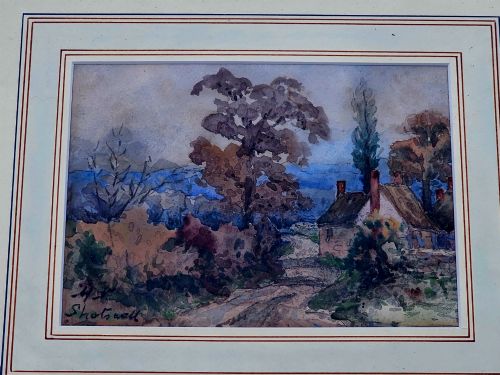
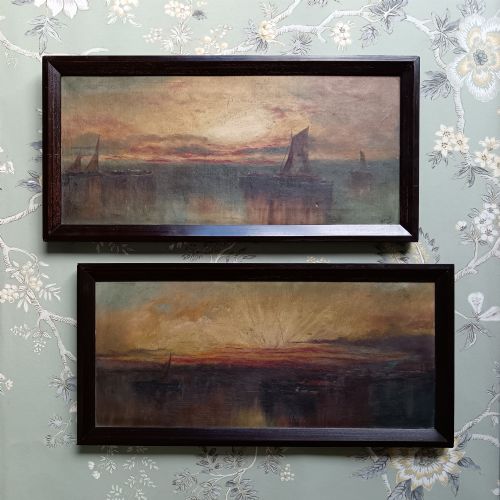
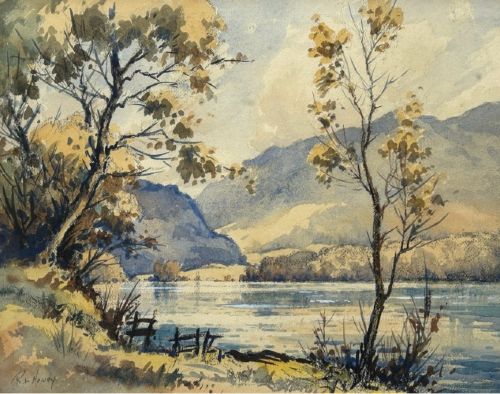
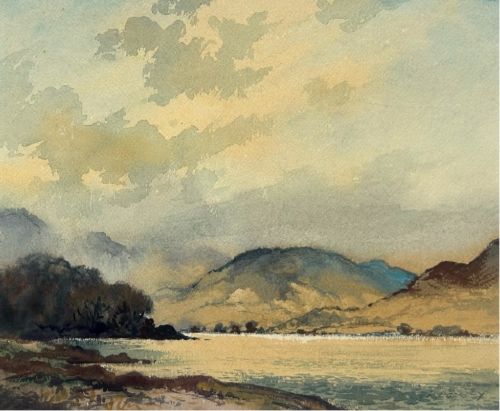
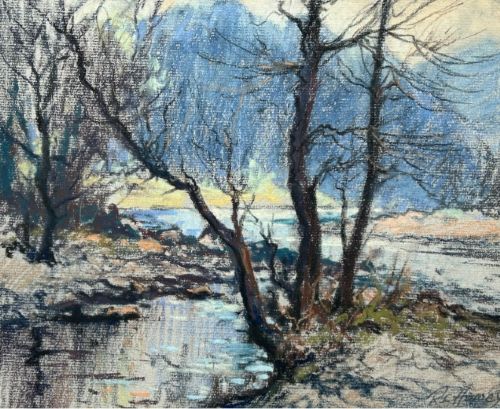
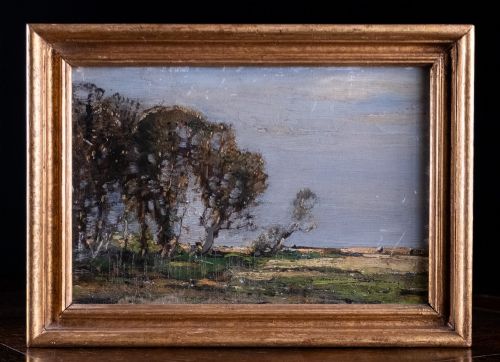
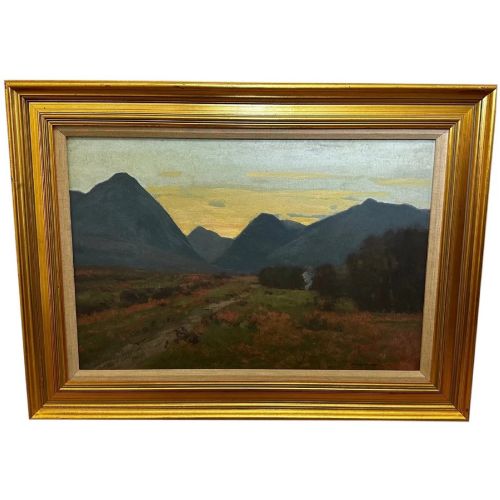
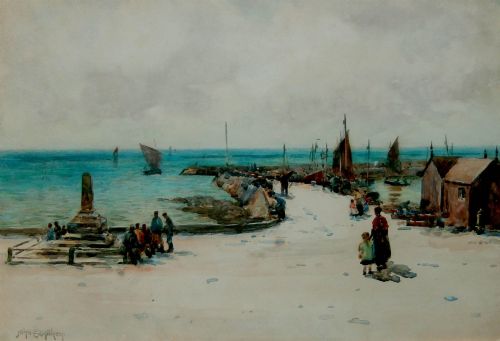
These 20th century landscape painting works capture regional rivers, coastal views and rural fields through the brush of varied regional artists.
20th Century Landscape Painting
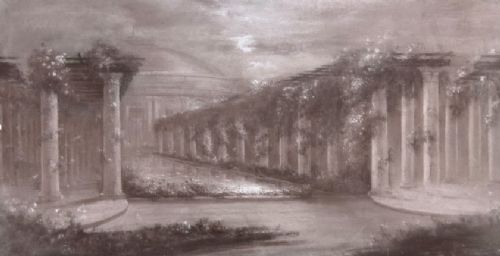
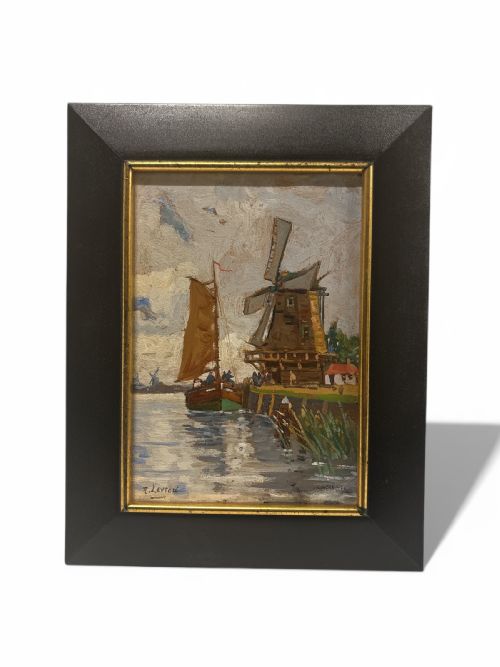
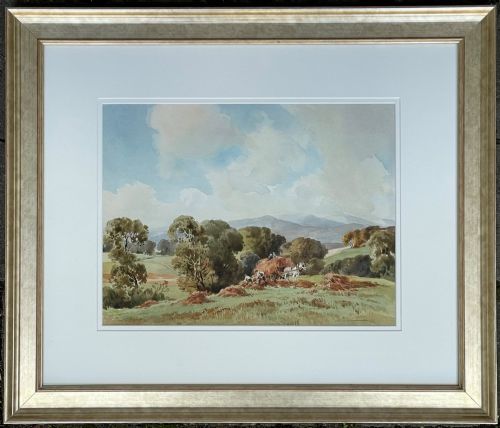
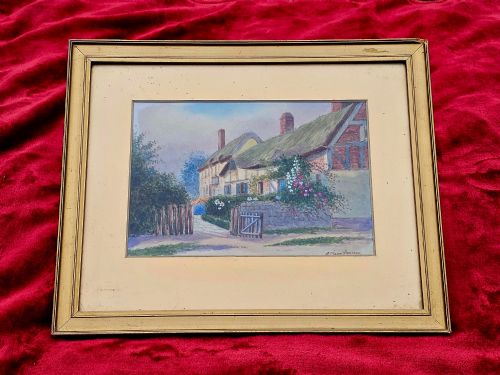
A 20th century landscape painting captures rural fields, rivers, coastal views and village scenes created during the Edwardian era and subsequent decades. Buyers discover regional British views alongside continental European scenes recorded in diverse painting traditions.
The selections span delicate watercolours on paper and textured oil paintings on canvas, board or wood panels. Many bear the signatures of known regional artists or emerge from anonymous schools.
Works range from small cabinet pieces to substantial framed canvases depicting cattle, woodlands, marine settings and architectural landmarks.
How They Were Made
Artists applied oil paint or watercolour using brushes, sometimes building thick impasto layers on canvas, board or wooden panels. Papers were often attached to canvas stretchers or card supports for stability.
Supports varied from stretched canvas and primed wooden panels to textured art paper, card and pastel boards. Framed presentations frequently utilised wood mouldings and gilt surrounds.
20th Century Landscape Painting Retail Price Guide 2026
Typical asking prices for 20th century landscape painting among the pieces listed under this phrase on Sellingantiques today, from the lower quarter to the upper quarter. They describe what is for sale here now, not the wider market.
Listings feature works executed on canvas, board, paper and wood panels across British and European subjects.
What Varies In Quality
Quality rests upon the confidence of the brushwork, the handling of light, and the subtlety of atmospheric tone across the composition. Stronger pieces display assured perspective and a defined sense of place rather than mechanical execution.
The preservation of the pigment and the integrity of the original support, whether canvas, board or paper, influence the enduring clarity of the artwork.
Tom Campbell·Percy Lancaster·George Houston·Robert Leslie Howey·William Burns
The 20th Century Landscape Painting Glossary
- Impasto
- Paint applied thickly to a canvas or board, standing out in relief from the surface so that brush or palette knife marks remain visible.
- Watercolour
- A painting method in which the paints are made of pigments suspended in a water-based solution, typically worked upon absorbent paper.
- Stretcher
- A wooden frame that supports a painted canvas, keeping the fabric taut and stable.
- Panel
- A flat piece of wood or other rigid material used as a flat support for oil paintings.
20th Century Landscape Painting: Frequently Asked Questions
How do I care for an antique oil painting?
Keep paintings away from direct sunlight and excessive moisture fluctuations to protect the canvas and pigments.
Dust the surface gently with a soft, dry brush and avoid chemical cleaners.
What is the difference between oil and watercolour?
Oils use slow-drying pigments suspended in oil on canvas or board, allowing rich layers and textured impasto.
Watercolours utilise water-soluble pigments on paper, creating translucent washes and lighter effects.
How can I tell the period of a painting?
Examine the materials, stretcher construction, framing style and artist signatures recorded on the work.
Comparative stylistic traits such as Impressionist or Modern British influences also help indicate the decade.
Are these paintings supplied with frames?
Many works retain their original or period frames, such as gilt wood mouldings that complement the art.
Individual listings note whether a piece is framed or presented on an unframed support.