
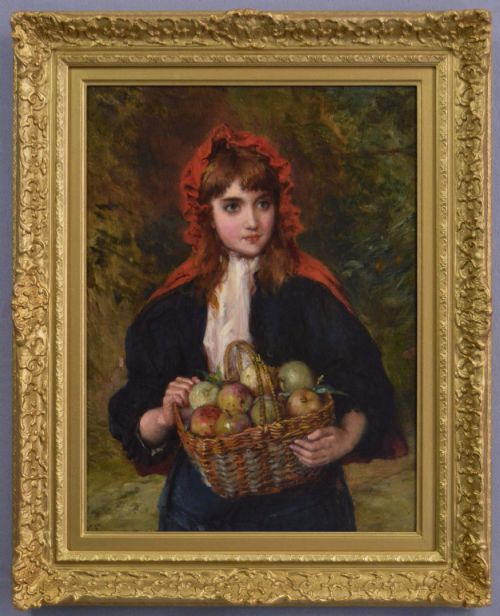
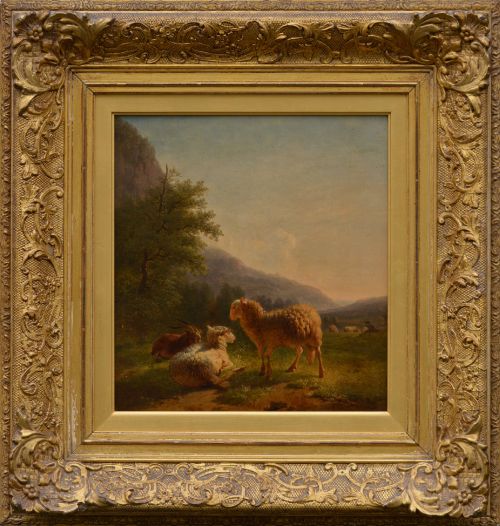

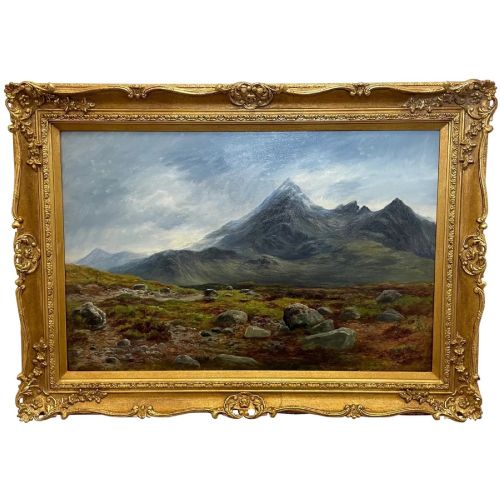
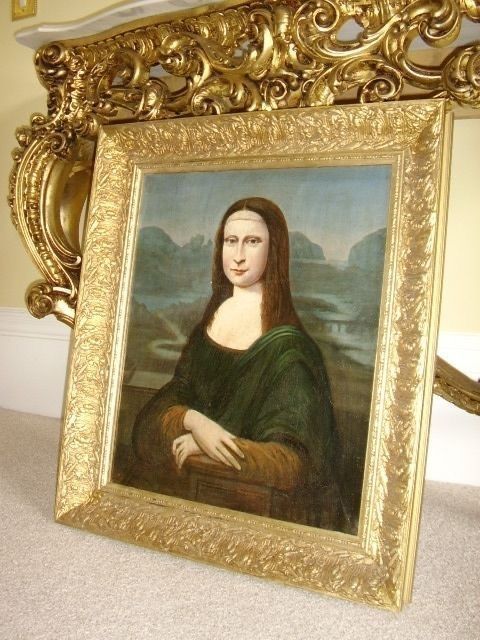

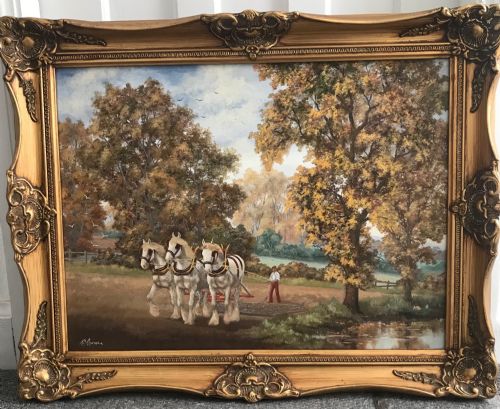
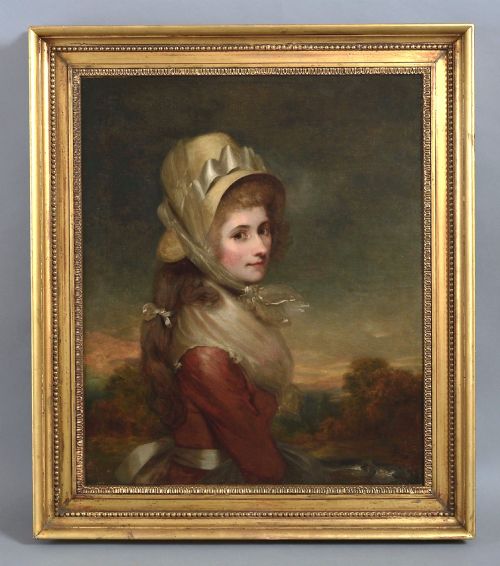
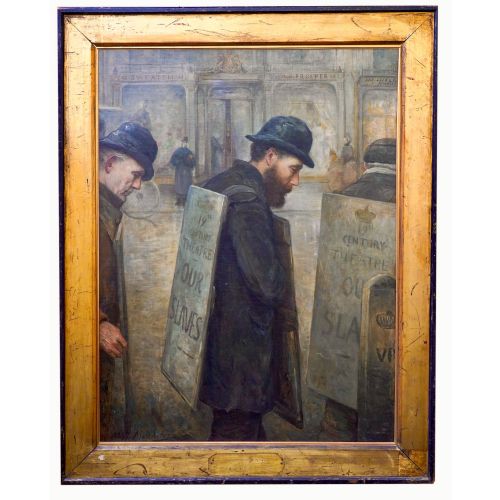
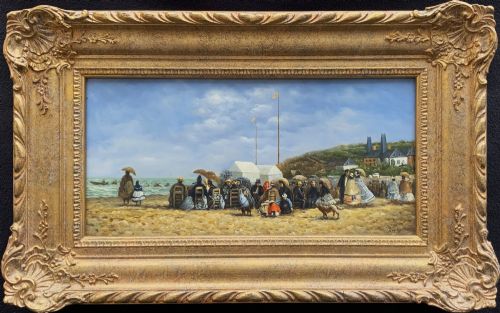
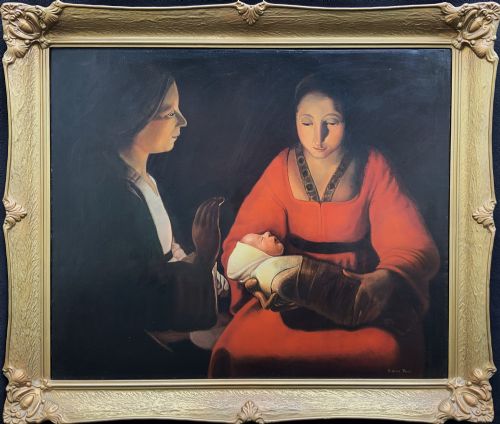

Gold Framed Canvas Painting
A gold framed canvas painting brings centuries of portraiture, landscape and narrative art onto the wall through oil and giltwood.
Gold Framed Canvas Painting
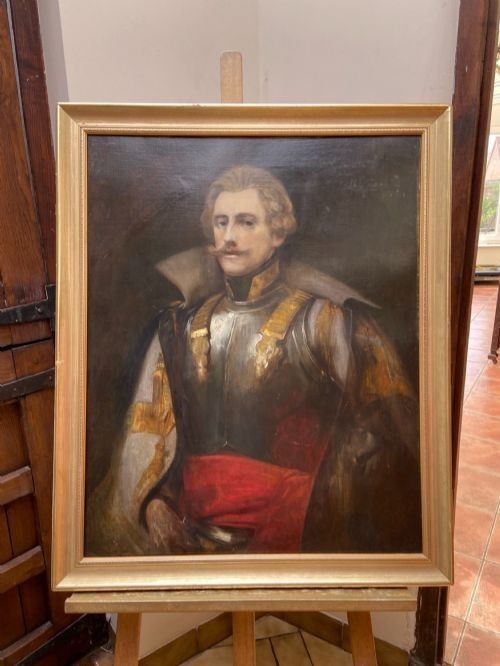
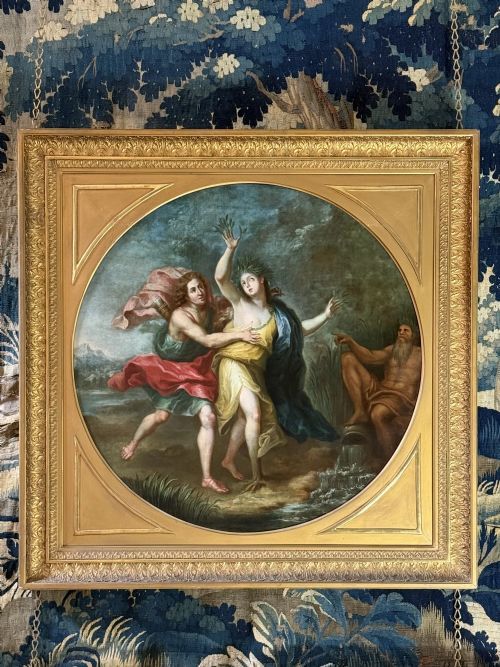
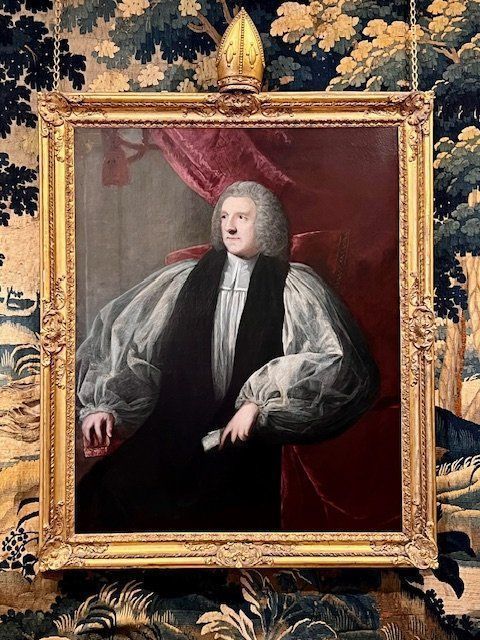
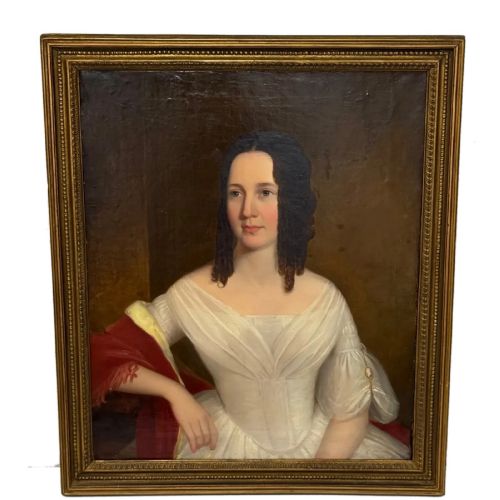
A gold framed canvas painting encompasses works created across the seventeenth, eighteenth, nineteenth and twentieth centuries. These pieces predominantly take the form of oil paintings on canvas, capturing subjects from classical portraiture to British landscapes and social history scenes.
Buyers browsing this collection encounter works spanning diverse historical contexts, including Georgian, Victorian and Edwardian periods. Portraits of nobility and gentry sit alongside coastal views and pastoral scenes.
The most common formats on this page are framed wall art and fine art oil paintings housed within decorative timber surrounds. Each piece reflects the aesthetic priorities of its specific era, from Baroque formality to Post-Impressionist colouration.
Materials and construction
These works rely on oil paint applied to woven canvas stretched over wooden supports. Pigments mixed with binding oils allow for depth of tone and layered detail, visible across portraits and landscapes alike.
The surrounding frames are built from wood, often coated in gesso to provide a smooth ground for finishing. Artisans then applied gold leaf or metallic leaf to create the luminous borders characteristic of these pieces.
Gold Framed Canvas Painting Retail Price Guide 2026
Typical asking prices for gold framed canvas painting among the pieces listed under this phrase on Sellingantiques today, from the lower quarter to the upper quarter. They describe what is for sale here now, not the wider market.
Sheep, horses and merchants share wall space here with nobility, sailors and ladies knitting quietly.
Assessing quality
Quality in these works rests upon the skill of the brushwork and the anatomical or spatial accuracy of the composition. Masterful handling of light, shadow and texture distinguishes accomplished works from simpler studio output.
The integrity and craftsmanship of the surround also define the tier of the piece. Hand-carved wooden frames finished with genuine gold leaf demonstrate superior artisanal commitment compared to later moulded substitutes.
Charles Antoine Coypel·Sir Joshua Reynolds·William Oliver·Jean Baptiste Van Loo·William Beattie Brown·Jozsef Molnar·Sir Martin Archer Shee·Felix Stone Moscheles·Georges de La Tour·John Hayls·Valentine T Garland·John Maler Collier·Dumini Leopoldo·Sir Peter Lely·Arthur Wardle·Jeremiah Davison·Francois Boucher·John Horace Hooper·William McAlpine·Reginald Arthur Borstel·Sir Godfrey Kneller·Pieter Borsseler·Lemuel Francis Abbott·Paul White·Francisco Jose de Goya y Lucientes
The Gold Framed Canvas Painting Glossary
- Oil on Canvas
- A traditional painting medium where pigments suspended in drying oils are applied to a prepared fabric stretched on a wooden frame. This combination allows for rich blending and enduring visual depth.
- Giltwood
- Timber carved and subsequently covered with a thin layer of gold leaf or gold paint. It provides a reflective, ornate boundary for fine art.
- Gesso
- A plaster-like mixture applied to wooden frames as a smooth base before gilding. It gives the substrate a uniform surface for intricate moulding.
- Post-Impressionism
- An art movement extending beyond Impressionism that prioritised symbolic content and expressive use of paint. Works in this style show distinctive brushwork and vibrant palettes.
- Baroque
- An artistic style prevalent in the seventeenth and eighteenth centuries characterised by drama, tension and deep chiaroscuro lighting. Portraits and scenes from this period emphasise grand scale and theatrical presence.
Gold Framed Canvas Painting: Frequently Asked Questions
How do I clean a gold framed canvas painting?
Dust the canvas gently with a soft, dry artist brush or feather duster to remove surface particles without pressing into the weave. Avoid liquid cleaners or household detergents, which can damage both the oil paint layers and the delicate gilt surface of the frame.
For deeper conservation needs or accumulated grime, consult a professional art restorer rather than attempting chemical intervention at home. Professional assessment ensures the structural stability of both canvas and wood remains uncompromised.
Where should I hang a piece?
Select an interior wall away from direct sunlight and strong heat sources like radiators, which cause canvas to warp and paint to crack. Stable indoor humidity levels protect the wooden stretcher bars and the gesso layers of the frame from deterioration.
Ensure the wall fixings match the weight of the work, particularly for monumental pieces featuring dense timber frames. Secure hanging hardware distributes the load evenly across the structure.
How do I identify the period of the frame?
Frame construction often mirrors the stylistic conventions of the era in which the artwork was created. Hand-carved wooden mouldings with traditional gesso and gold leaf indicate earlier craftsmanship, while later variants may use composition ornament. Nail types, wood shrinkage on the reverse, and corner joins provide further clues to the age of the framing housing the canvas.