
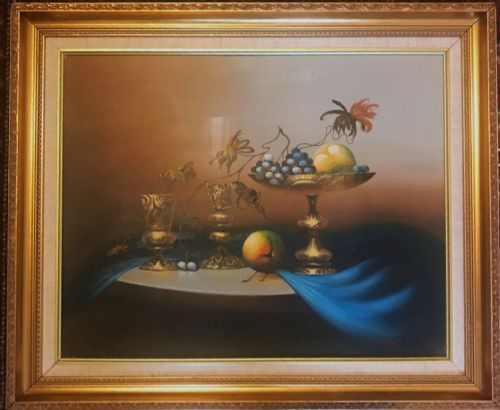
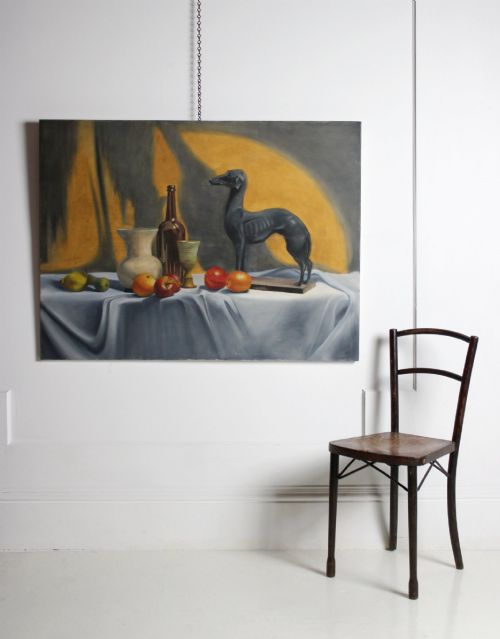
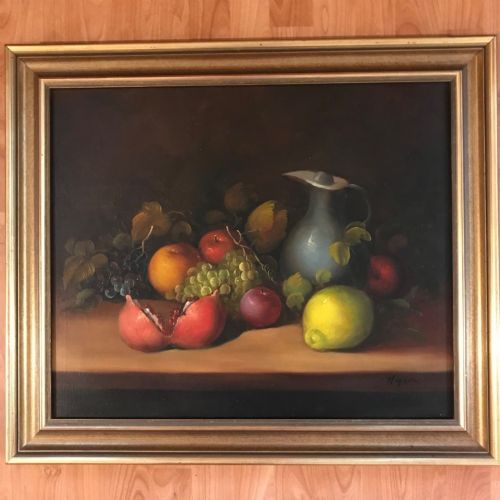
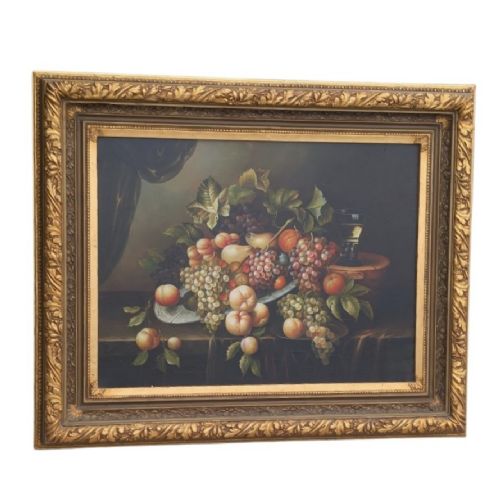
Antique Fruit Still Life
When you search for antique fruit still life, you encounter centuries of detailed oil paintings and painted porcelain celebrating harvested bounties.
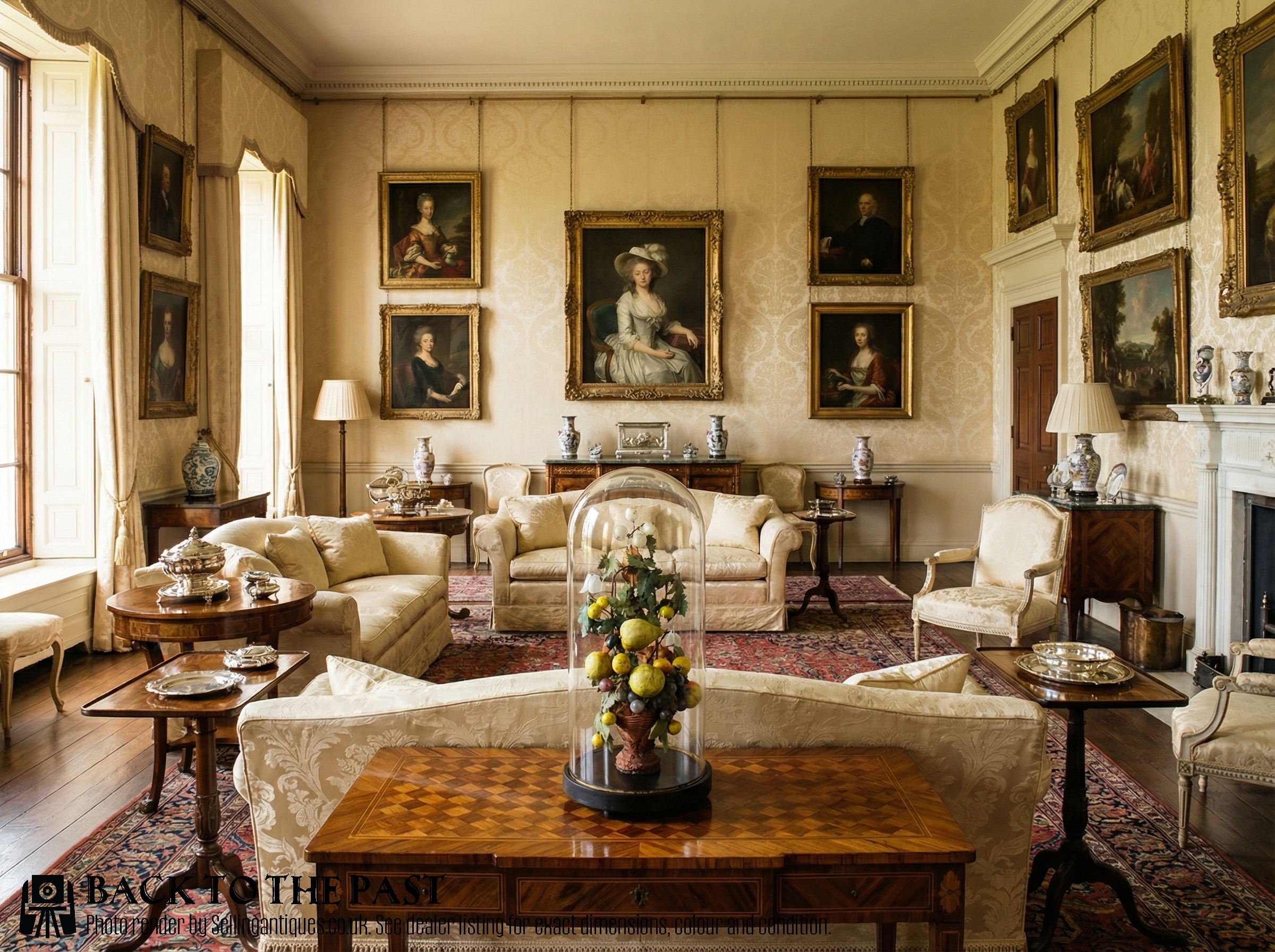
Antique Fruit Still Life
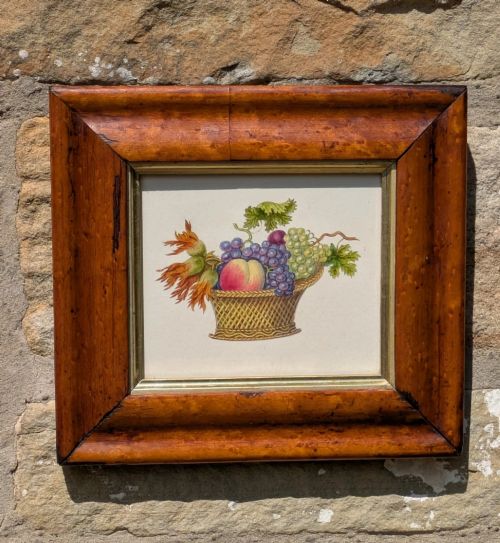
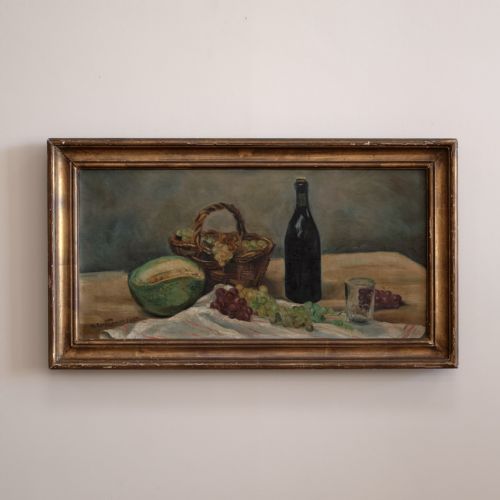
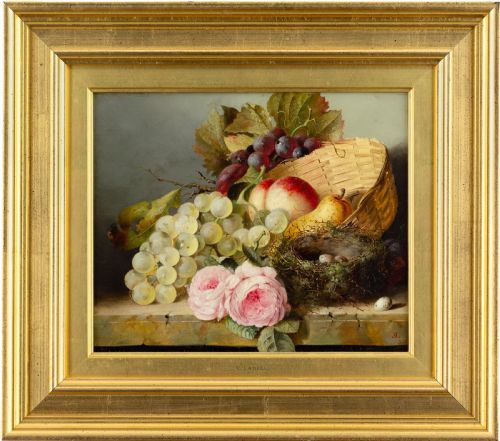
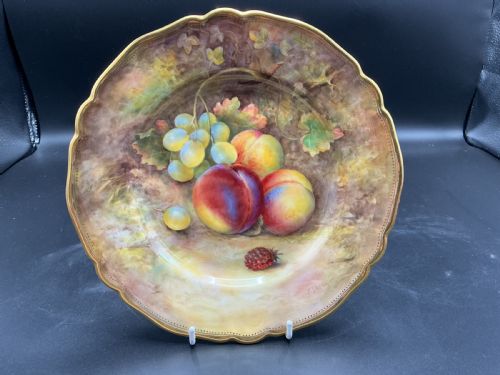
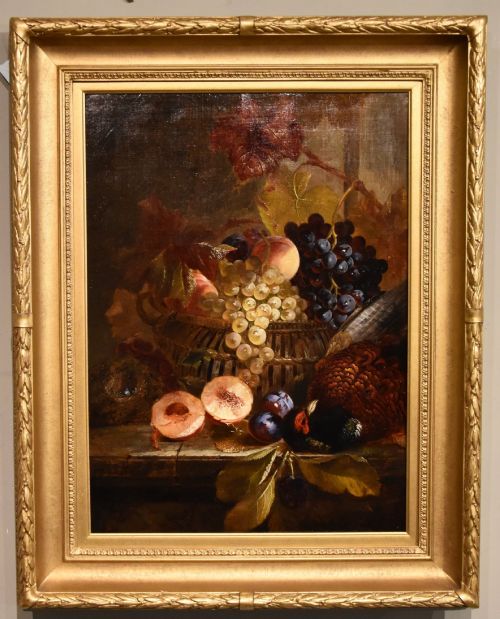
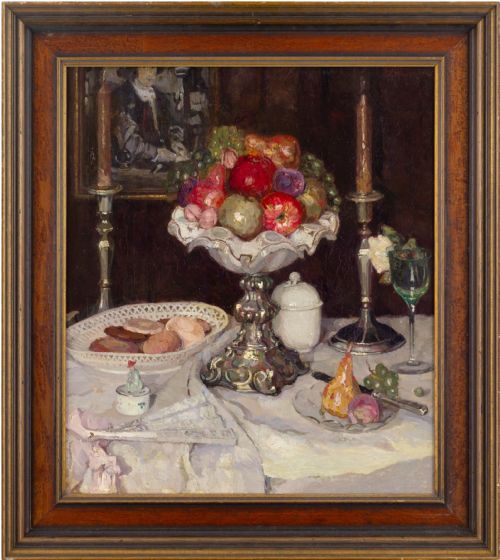
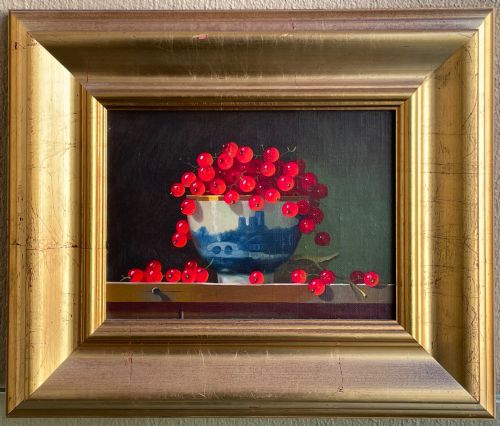
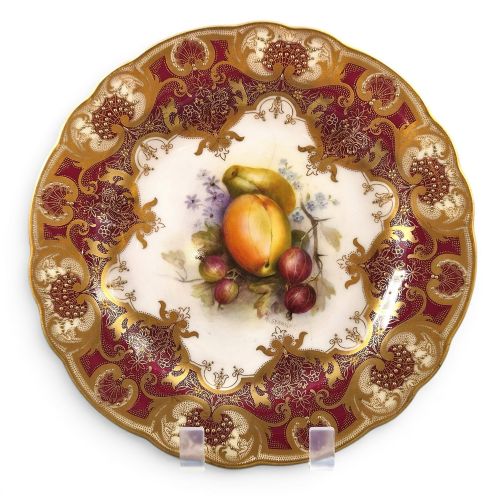
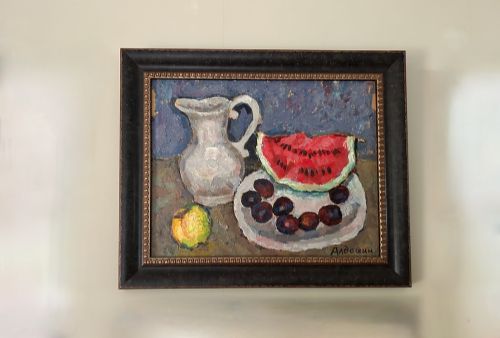
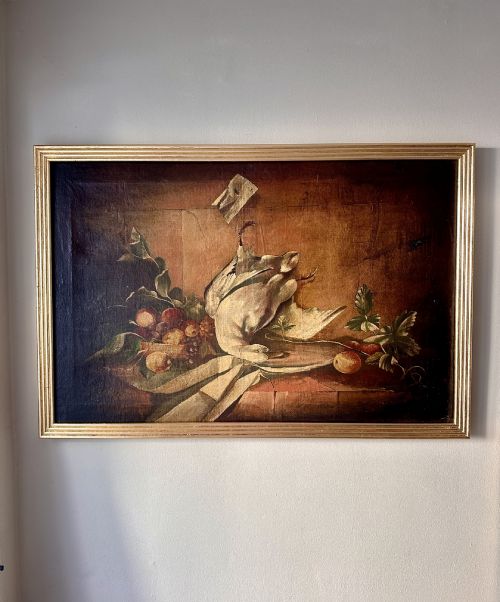
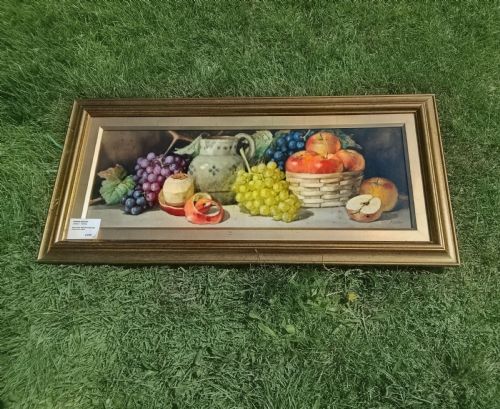
An antique fruit still life captures arranged harvests of grapes, apples, pomegranates, and baskets on canvas, wood panels, and porcelain plates.
The selections span traditional Victorian and Edwardian canvas compositions alongside hand-painted ceramic cabinet plates from notable potteries.
These works range from 17th-century Baroque studies to mid-20th-century interpretations originating across Britain, France, Spain, and the Netherlands.
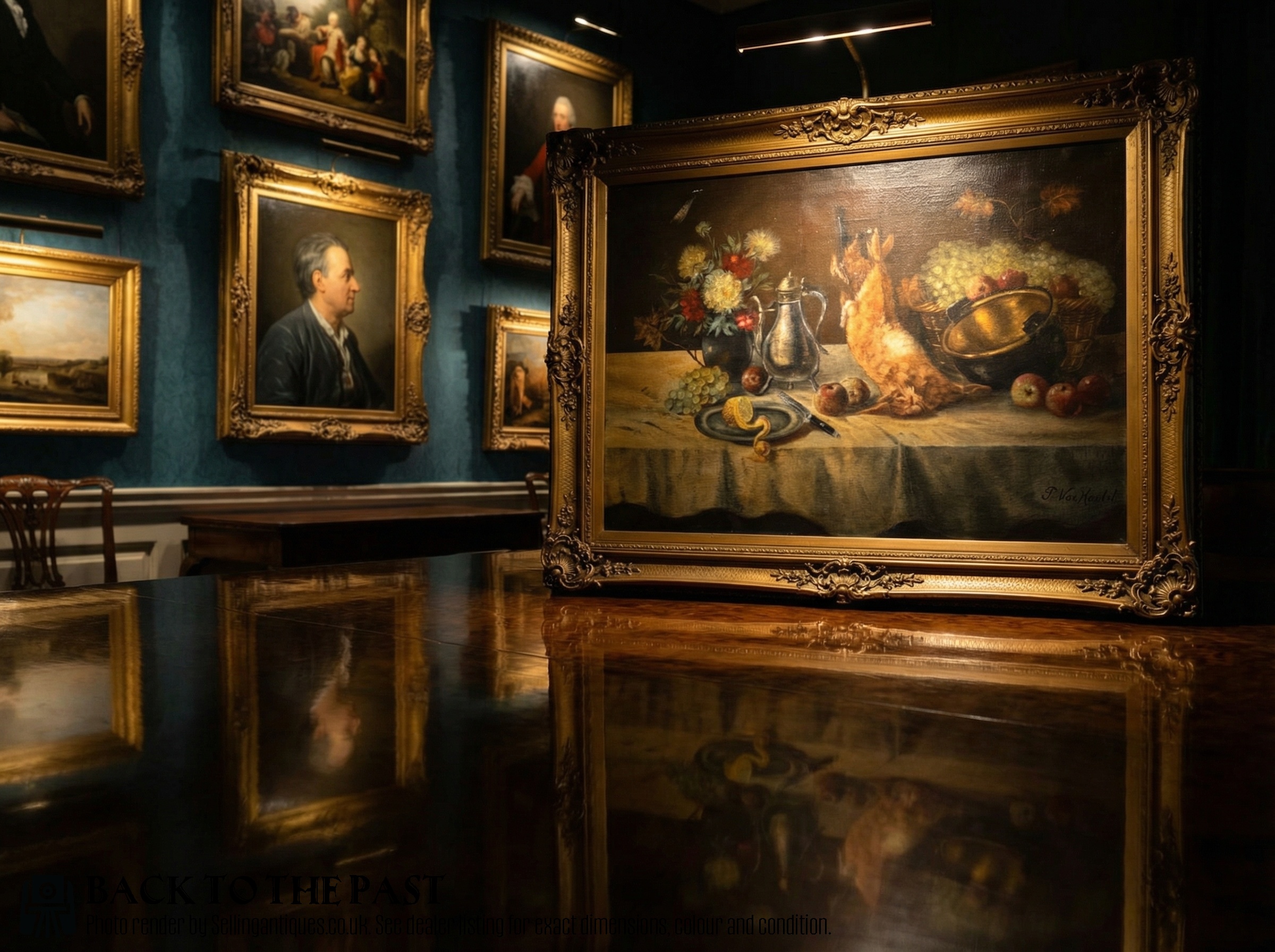
How They Were Made
Painters applied oil paint and watercolour onto stretched canvas, wooden panels, card, or porcelain surfaces, often enclosing finished works in moulded giltwood frames.
Ceramic artists hand-painted intricate fruit details directly onto glazed porcelain blanks, utilising high-temperature kiln firings to set the pigments permanently.
Gilt leaf and solid wood mouldings were shaped and applied to complement the rich tones of the painted subjects.
Antique Fruit Still Life Retail Price Guide 2026
Typical asking prices for fruit still life among the pieces listed under this phrase on Sellingantiques today, from the lower quarter to the upper quarter. They describe what is for sale here now, not the wider market.
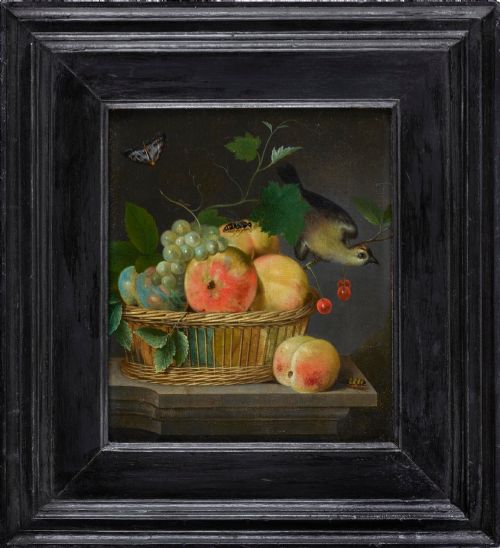
Several compositions include unexpected animal companions, with birds, cats, dogs, and insects frequently joining the fruit on the ledge.
What Varies in Quality
The handling of light and shadow defines the depth of a composition, separating flat renderings from pieces with luminous realism.
Brushwork precision in rendering natural textures like peach fuzz, grape bloom, and woven wicker reveals the skill of the artist.
The preservation of the original surface, uncompromised by heavy restoration, maintains the integrity of the piece.
Royal Worcester·Edward Ladell·William Duffield·George Clare·John Sherrin·William Rayworth
The Antique Fruit Still Life Glossary
- Cabinet plate
- A decorative ceramic plate intended for display rather than dining. These pieces often feature hand-painted fruit scenes framed by gilded borders.
- Giltwood
- Wood carved and coated with a thin layer of gold leaf or metallic gilt paint. It is commonly found on frames surrounding 19th-century oil paintings.
- Baroque
- An artistic style originating in the 17th century characterised by dramatic lighting and exuberant, complex compositions. Works from this period show deep shadow contrasts.
- Porcelain panel
- A flat ceramic support used by artists as an alternative to canvas. Pigments fired onto these panels retain vibrant colour over long periods.
- Wood panel
- A solid wooden board prepared with gesso and ground for painting. Artists utilised panels for stability before canvas became widespread.
Antique Fruit Still Life: Frequently Asked Questions
How do I date an oil painting?
Examine the canvas weave, stretcher construction, and style of the gilt frame for period characteristics.
Signatures, artist records, and back-of-canvas inscriptions often provide precise creation dates.
Are painted porcelain plates fragile?
Cabinet plates use durable fired porcelain but require careful handling to protect surface enamels and gilding.
Display them securely on plate stands away from direct heat and moisture.
Where were these paintings displayed?
Wealthy Victorian and Edwardian households hung oil paintings in dining rooms and parlours to reflect abundance.
Porcelain plates were traditionally showcased in enclosed cabinets or mounted on walls.
How do I clean a gilt frame?
Dust gently with a soft, dry brush to prevent accumulation without disturbing the delicate metallic leaf.
Avoid liquid cleaners, which can strip historic gilding from the wood moulding.