



Dutch Master Style Artwork
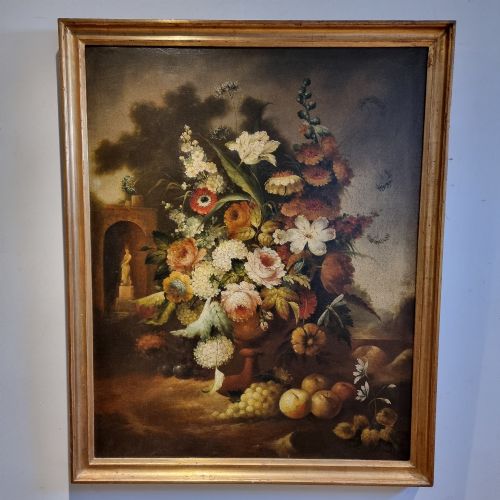
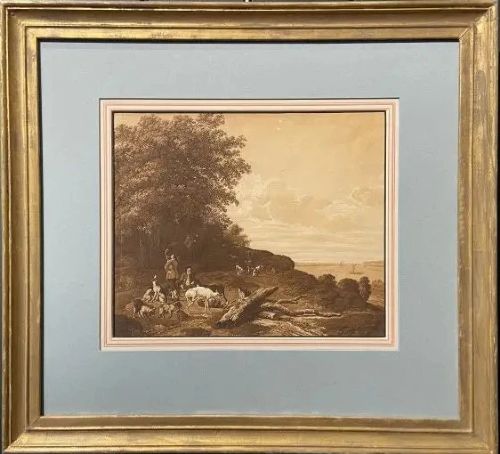
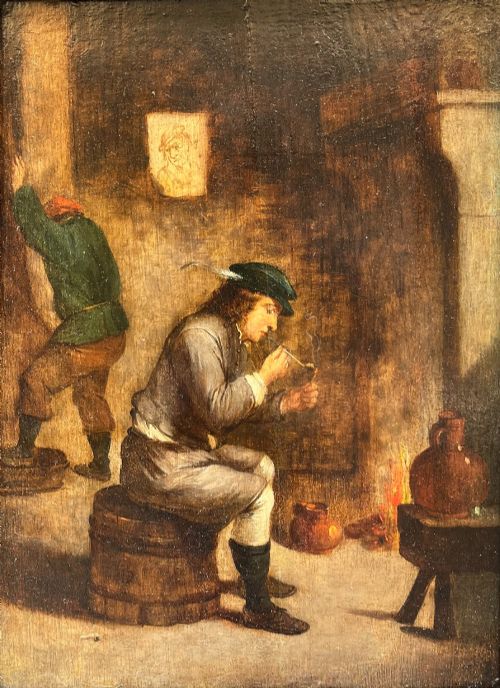
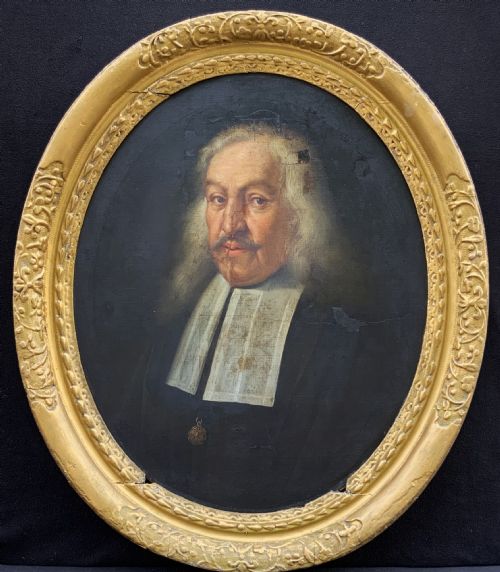
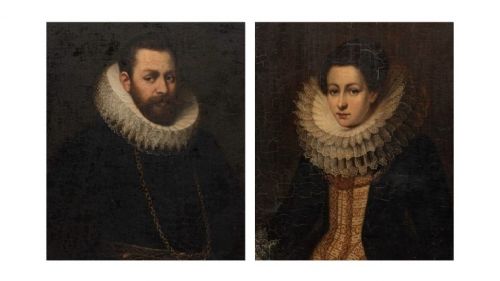
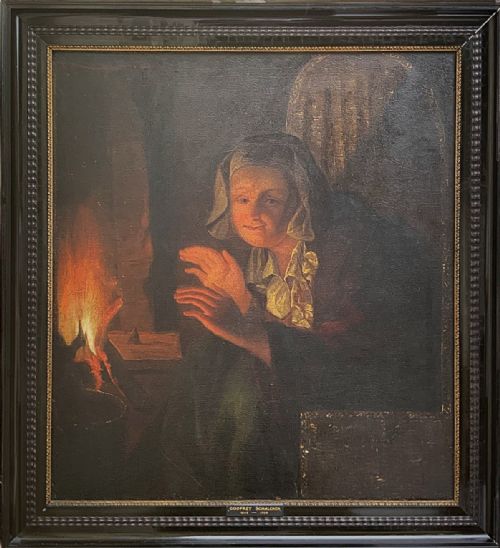
When you search for dutch master style artwork, you find rich oil paintings capturing seventeenth-century portraiture, floral still lifes and lively tavern scenes.
Dutch Master Style Artwork
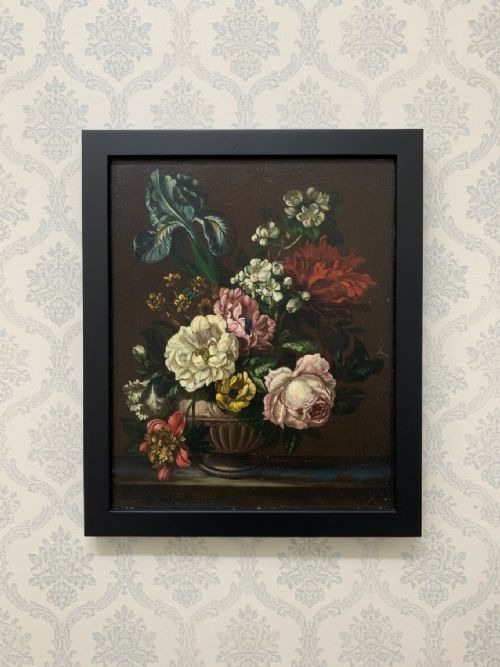
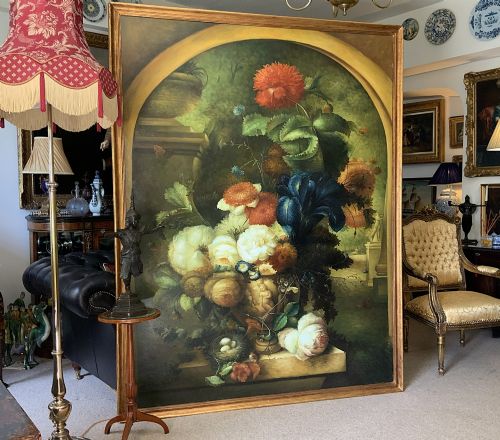
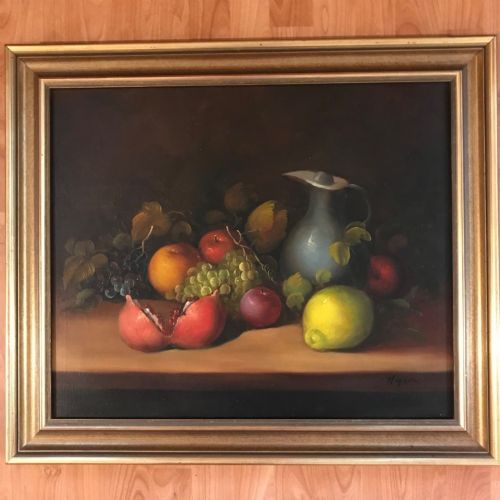
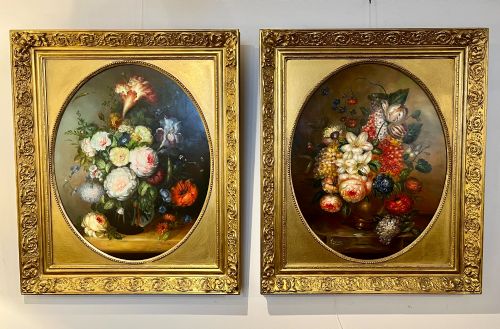
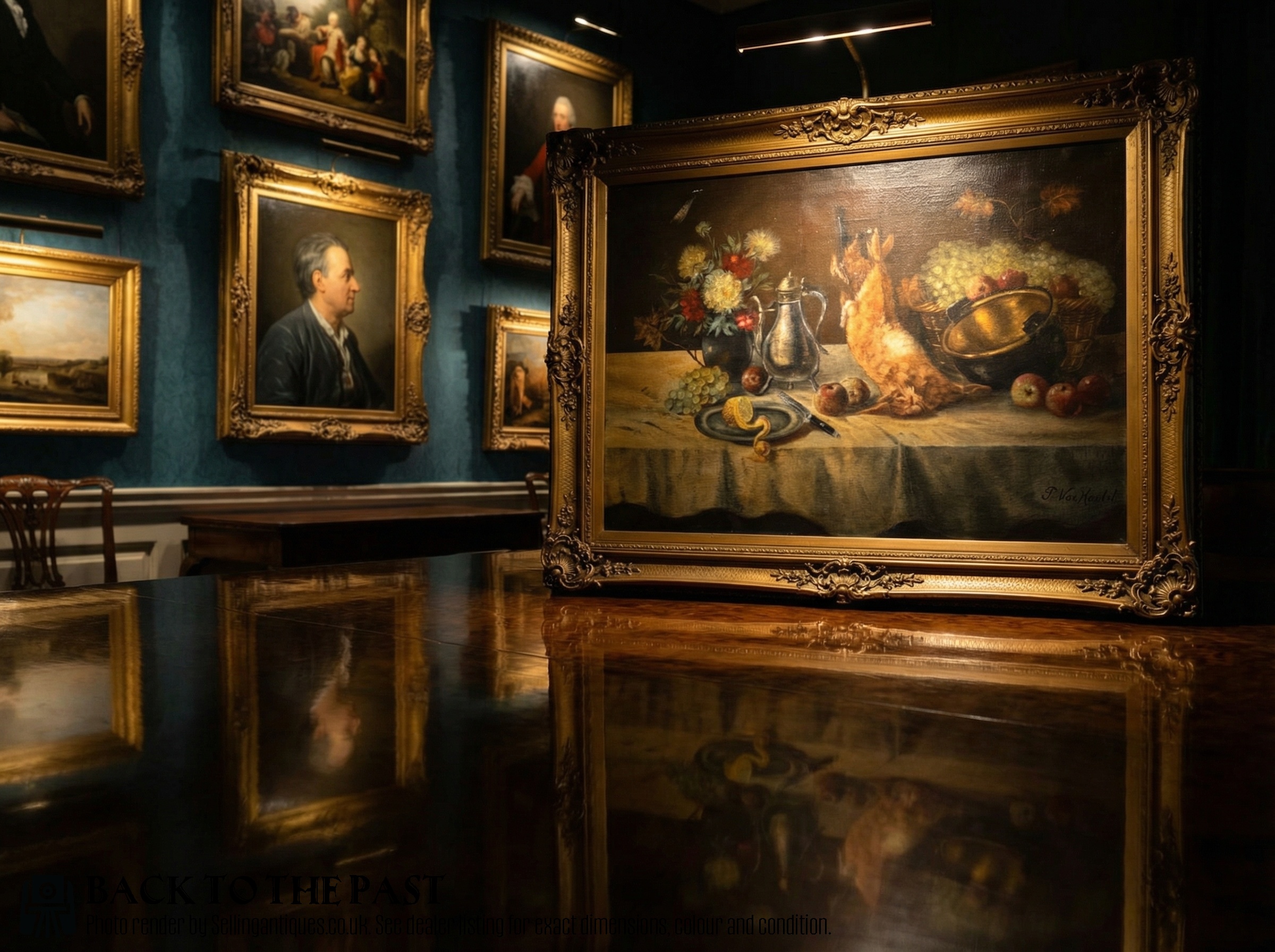
When buyers search for dutch master style artwork, they encounter oil paintings spanning original seventeenth-century works, later nineteenth-century revivals and twentieth-century interpretations. The subjects divide into portraiture featuring intricate ruff collars, floral and fruit still lifes, and genre scenes of domestic interiors.
The inventory on this page ranges from compact miniature panels to monumental multi-foot canvases. Many pieces reference the Golden Age through depictions of musicians, elegant ladies in white satin, and cavalry skirmishes.
Works on this page include both period examples and later paintings created in the manner of historical Dutch artists. The forms appear framed in giltwood or mounted on traditional wooden panels and canvas supports.
How they were made
The primary technique relies on oil paint applied to canvas, wooden panels, board or copper supports. Artists built depth through layered glazes and detailed brushwork to capture textures like fabrics, petals and polished metal.
Frames made from giltwood and ornamented with gold leaf complete the presentation of these historic works. These materials mirror the traditional craftsmanship associated with European fine art traditions.
Dutch Master Style Artwork Retail Price Guide 2026
Typical asking prices for dutch master style artwork among the pieces listed under this phrase on Sellingantiques today, from the lower quarter to the upper quarter. They describe what is for sale here now, not the wider market.
Several paintings include small domestic animals like dogs sitting patiently by the hearth, watching artists capture centuries-old feasts and family gatherings.
What varies in quality
Quality separates through the precision of facial expressions, the rendering of light and shadow, and the naturalism of drapery and floral arrangements. Stronger examples display confident brush control in complex compositions like bustling tavern scenes or detailed still lifes.
The condition of the original canvas or panel, along with the retention of the original surface texture and pigment vibrancy, defines the standing of individual pieces within the market.
Johannes Lingelbach·David Teniers·Pieter Borseler·Godfried Schalcken·Nicolaes Maes·Rembrandt van Rijn·Marmaduke Cradock·Jacob Bogdani·Calzolari·Quirijn van Brekelenkamp·Jan Evert Morel·Gudrun Sibbons·Willem Johannes Martens·Philips Wouwerman·Abraham Storck·Jan Steen
The Dutch Master Style Artwork Glossary
- Oil on canvas
- A painting technique using pigments bound in a drying oil applied to stretched fabric. This method allowed artists to achieve rich colour blending and subtle tonal shifts.
- Panel painting
- A flat piece of wood used as a structural support for an artwork. Oak and other timbers provided stable surfaces for early European works.
- Genre scene
- A painting depicting aspects of everyday life by portraying ordinary people in domestic or social settings. These works often carry subtle moral narratives or lighthearted themes.
- Giltwood
- Wood that has been treated with a thin layer of gold leaf or gold paint. Frames created this way enhance the visual weight of classical paintings.
- Still life
- An artwork focusing on inanimate subject matter such as fruit, flowers, and dead game. Such compositions emphasise texture, light, and symbolic meaning.
Dutch Master Style Artwork: Frequently Asked Questions
What is dutch master style artwork?
These pieces comprise oil paintings that emulate the techniques, subjects, and lighting of seventeenth-century Netherlands painters. They include portraits, floral displays, and genre scenes.
Such works often feature dark backgrounds contrasted with illuminated figures or objects, creating the dramatic chiaroscuro typical of the period.
How do I date these paintings?
Dating relies on examining the support material, framing style, stretcher construction, and pigment composition alongside any visible signatures. Panel supports and canvas types often indicate whether a piece is seventeenth-century or a later nineteenth-century revival.
Comparing the clothing styles and ruffs depicted in portraits also helps narrow down the probable era of creation or the specific historical period being referenced.
Where should I hang these?
These paintings suit traditional studies, dining rooms, and hallways where their rich tones and gilt frames complement classic interior decor. Proper placement avoids direct sunlight to protect the oil pigments and varnishes.
Pairing dark portraits or still lifes with subdued wall colours enhances the moody atmosphere characteristic of old master interiors.
What subjects are most common?
The most frequent subjects include floral still lifes, detailed fruit arrangements, and character portraits of noblemen, ladies, and musicians. Genre scenes depicting domestic activities also appear regularly.
Many of these compositions draw direct inspiration from notable painters of the Dutch Golden Age.