


19th Century Dutch Art
These 19th century dutch art pieces are traditional oil paintings and decorative objects capturing landscapes, seascapes and domestic scenes.
What 19th Century Dutch Art Is
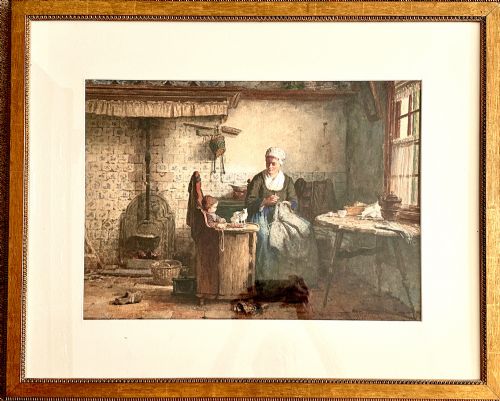
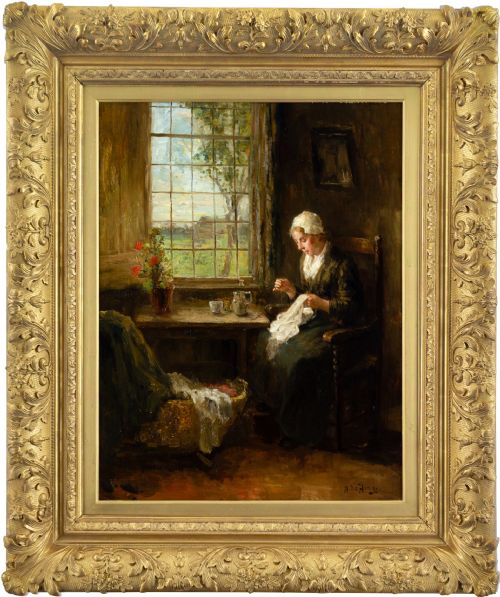
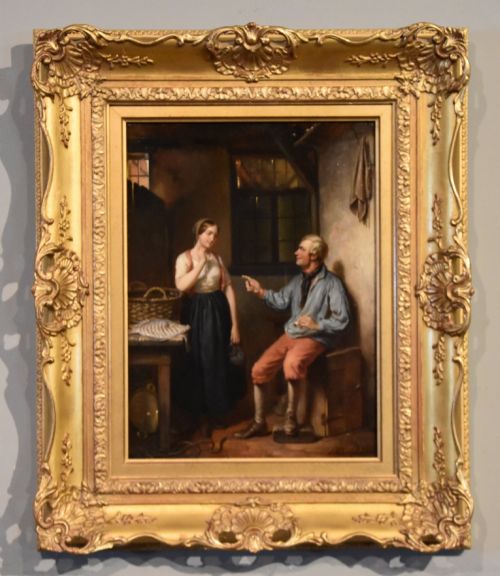
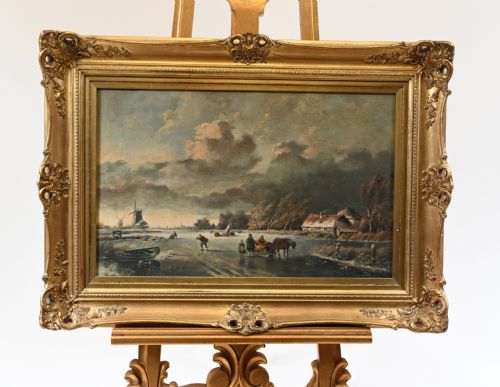
When you search for 19th century dutch art, you encounter oil paintings on canvas and panel alongside earthenware and carved wood fragments. The selection spans distinct movements including Dutch Marine, Romanticism, Realism, Naturalism and Golden Age style works.
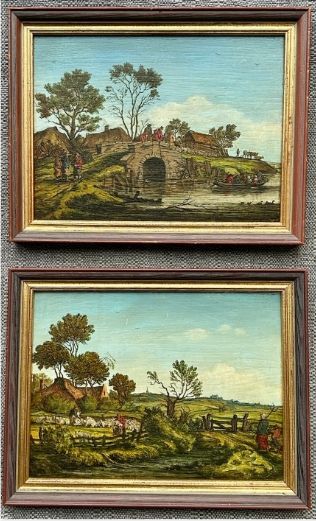
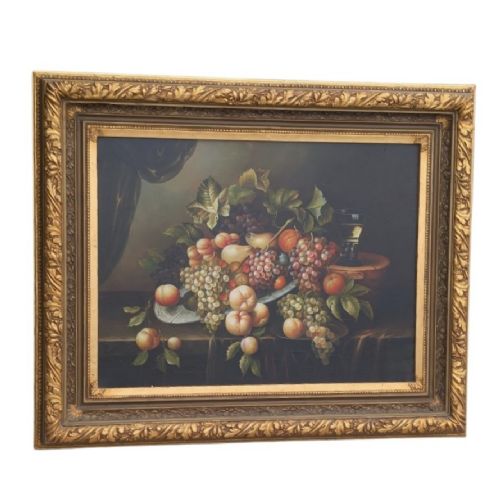
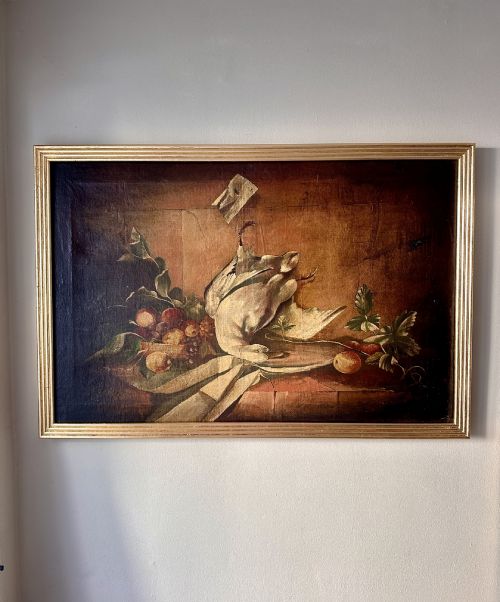
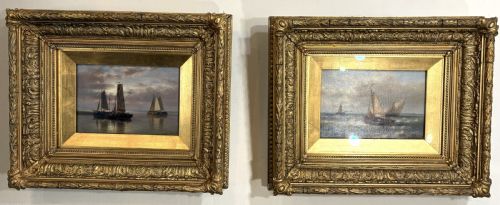
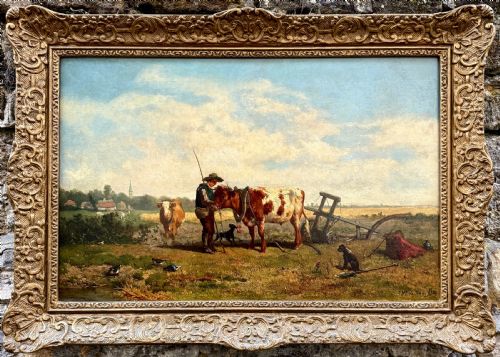
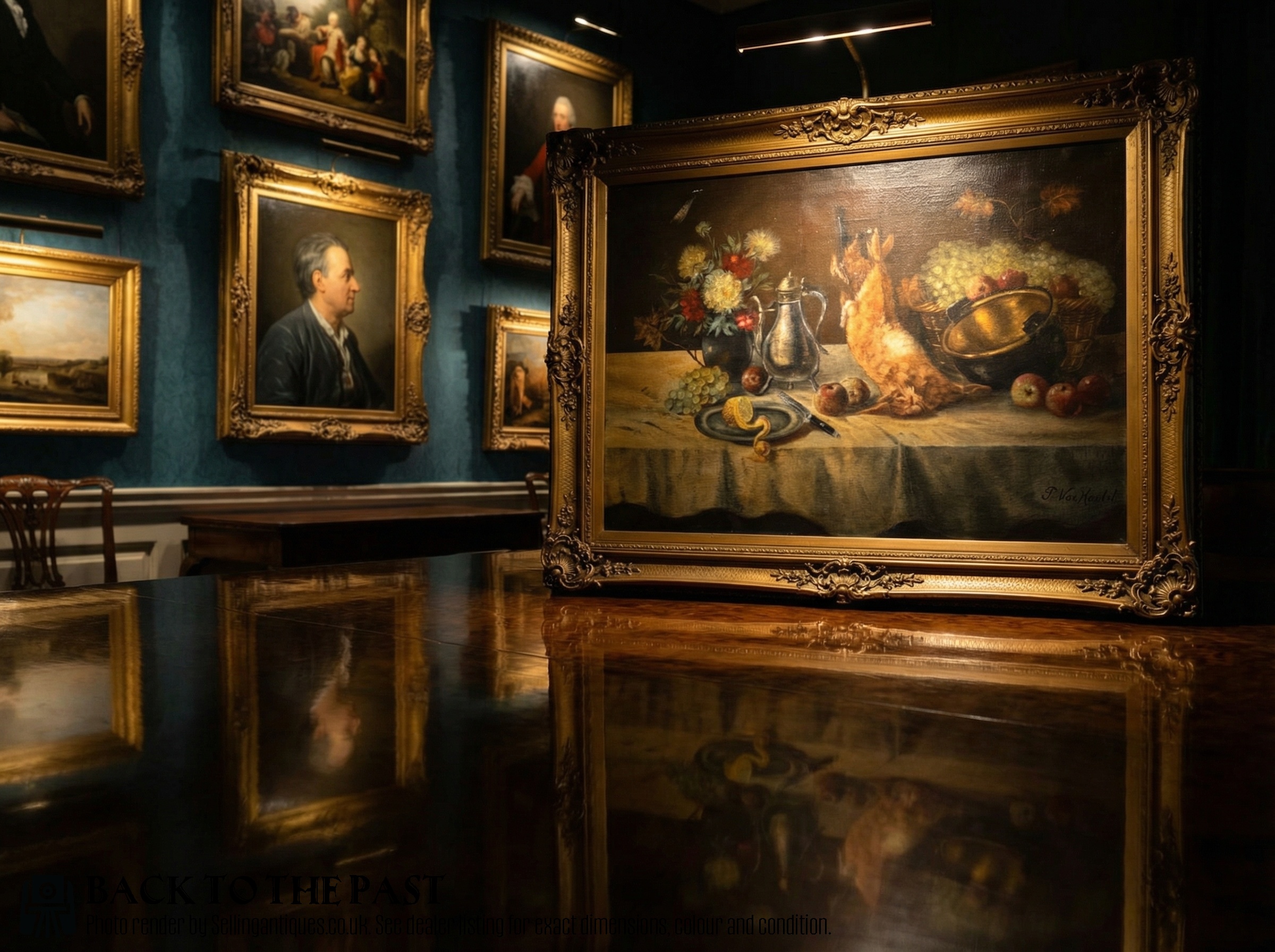
The most common items on this page are oil paintings depicting coastal views, seascapes with fishing boats and sailing vessels, and rural scenes featuring canals and windmills. Still life works depicting dead game and animal studies of ducks also appear.
Beyond paintings, the category includes decorative elements such as earthenware cooler pots and carved wooden cart fragments. These diverse objects reflect both fine art traditions and domestic material culture from the period.
How They Were Made
The paintings in this collection employ oil paint applied to canvas, wood panels, or in specific instances, copper. Pigments build up rich surfaces that capture light across water, domestic hearths and rustic landscapes.
Frames play a structural and aesthetic role, frequently constructed from wood and gesso, then finished with gold leaf or giltwood. Earthenware items utilise heavy ceramic techniques suited to cooling vessels, while cart fragments display traditional woodworking and carving.
Retail Price Guide 2026
Typical UK retail prices for 19th century dutch art, calculated from the Sellingantiques database of over a million retail prices indexed since 2003. This retail price guide relies exclusively on Sellingantiques data; no external sources or auction records are used, so the figures do not describe the wider market.
Listings feature oil paint, canvas, wood, gesso, gold leaf, and earthenware across periods spanning the nineteenth and early twentieth centuries.
What Varies in Quality
Quality in these works rests upon the surety of the brushwork and the artist's handling of atmospheric light, particularly in marine and landscape subjects. Finer examples command attention through precise control over maritime details, animal anatomy and interior lighting.
The framing contributes significantly to the overall integrity of the piece, with original giltwood frames showing superior craftsmanship compared to later replacements. Condition of the canvas, panel and paint layer dictates the visual harmony of each painting.
Pieter Cornelis Dommersen·Abraham Hulk Snr·Constant Ludovic Artz·William Henry Harriott
The 19th Century Dutch Art Glossary
- Oil on Canvas
- A traditional painting medium where pigments suspended in drying oils are applied to a stretched woven fabric support. This combination allows for rich blending and varied surface textures.
- Giltwood
- Wood that has been coated with a thin layer of gold leaf or gold paint for decorative effect. It frequently appears on ornate frames accompanying 19th century paintings.
- Dutch Marine
- An artistic genre focusing on ships, coastal views and the open sea, building on centuries of maritime painting tradition in the Netherlands. These works highlight sailing vessels and fishing boats in varying weather conditions.
- Genre Scene
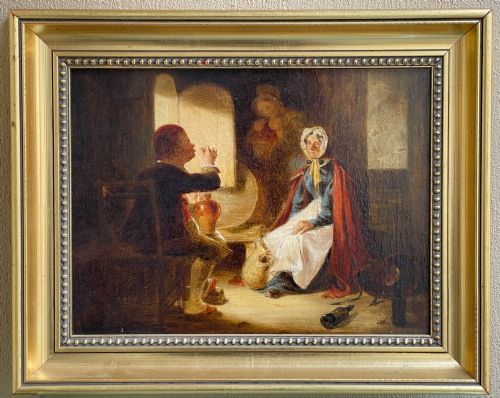
- A painting depicting aspects of everyday life by portraying ordinary people engaged in common activities. Examples include domestic interiors at the hearth.
- Delft Earthenware
- Tin-glazed pottery originating from the Netherlands, known for its distinct ceramic body and decorative surface finishes. Items include heavy cooler pots designed for domestic utility.
Frequently Asked Questions
What subjects appear most frequently in these paintings?
The inventory relies heavily on marine and coastal views, featuring sailing boats and fishing vessels near the Dutch shore. Canals, windmills and pastoral landscapes also recur regularly across the selection.
Domestic scenes and still life compositions complete the range, offering glimpses into traditional hearths and rural wildlife studies.
How do I identify different styles within this category?
Styles range from maritime marine painting to Romanticism and Realism, each handling light and subject matter differently. Marine works focus strictly on water and vessels, while Golden Age style pieces echo earlier Dutch traditions.
Naturalist and Realist works turn towards everyday rural and animal subjects, captured with direct observation of nature.
Are all items on this page paintings?
While paintings dominate the offerings, the category also embraces other material culture from the period. You will find heavy earthenware cooler pots and carved wooden cart fragments alongside fine art.
Watercolours after earlier masters also appear, expanding the medium beyond standard oil on canvas.
What materials are typical for the frames?
Frames are primarily constructed from wood, frequently enhanced with gesso layers to prepare the surface for gilding. Gold leaf and giltwood finishes provide the reflective borders seen on many of the oil paintings.
Some works retain specific framing styles like Hogarth frames, which complement the historical nature of the artwork.