


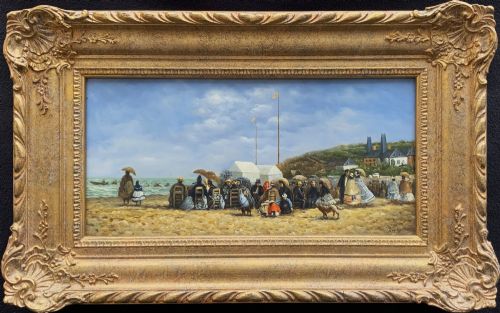


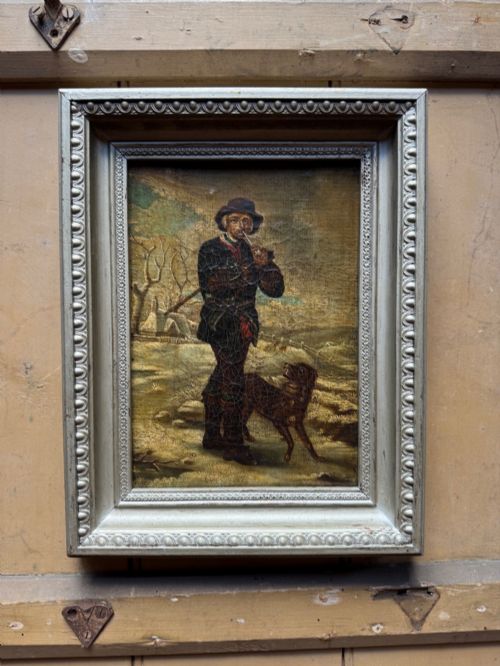
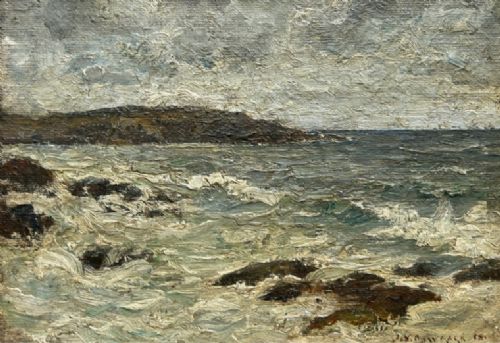
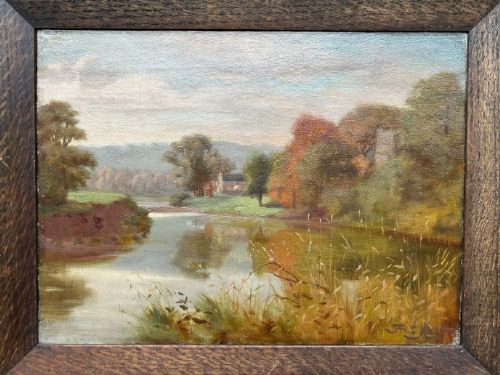
Antique Landscape Oil Canvas
When searching for an antique landscape oil canvas, collectors encounter painted scenes of rivers, cottages, and mountains framed in period wood and gesso.
The Nature of These Works
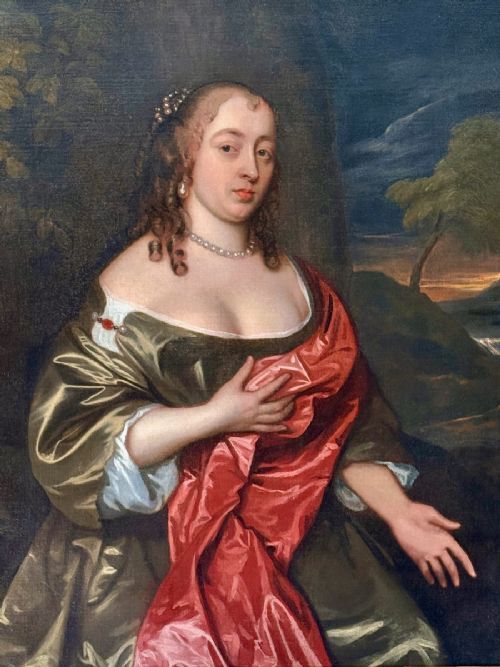
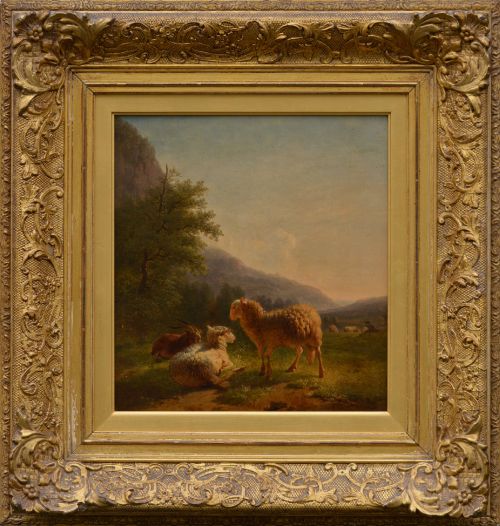
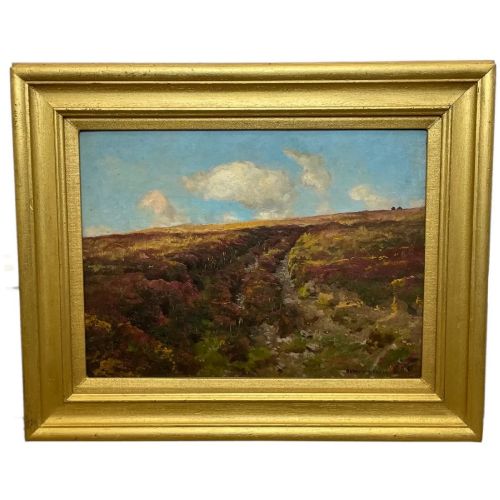
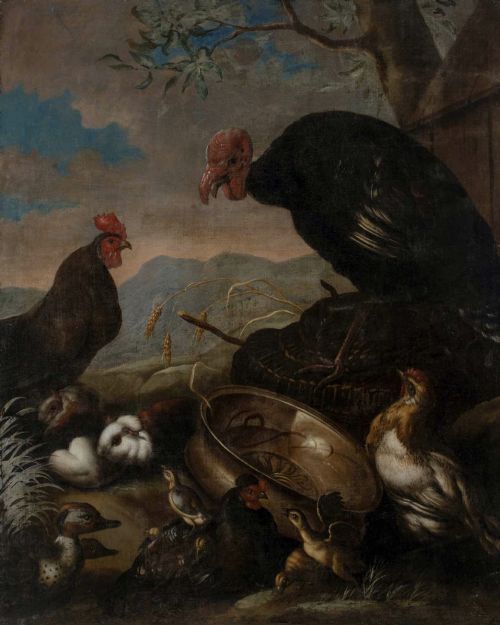
An antique landscape oil canvas captures rural vistas, pastoral scenes, and coastal views created during the eighteenth, nineteenth, and early twentieth centuries. These paintings reflect British, Dutch, French, and Swiss scenery, often depicting everyday rural life with figures, cattle, or windmills.
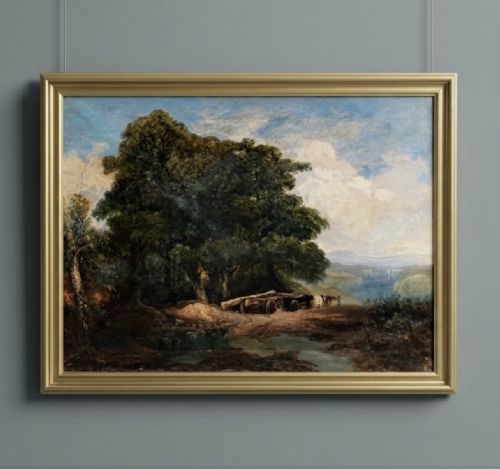
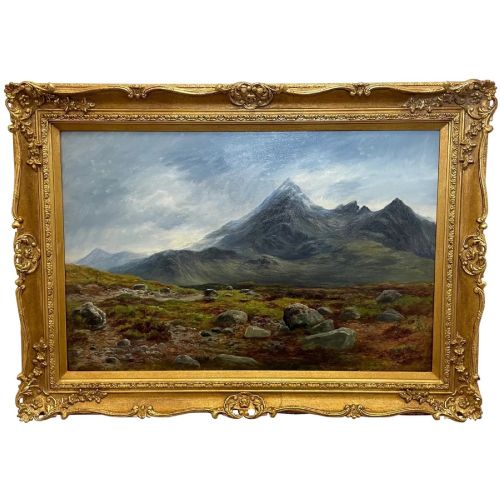
The pieces available span Georgian, Victorian, and early twentieth-century periods, presenting both signed works by known artists and pieces from recognised regional schools. Common subjects include Scottish highlands, harvesting scenes, and woodland paths rendered on stretched fabric.
Buyers will find these works housed in their period surrounds, including decorative gilt frames that complement the artistic style of the canvas within.
Materials and Construction
Painters applied oil pigments directly onto woven canvas supports, sometimes mounting the fabric onto boards for additional stability. These compositions rely on layered oil applications to build depth in skies, foliage, and water.
Surrounding the artwork, frames utilise timber such as wood finished with gesso and giltwood to provide ornamental borders. Plaster mouldings within these frames often display detailed relief work characteristic of their respective periods.
Retail Price Guide 2026
Typical UK retail prices for landscape oil canvas, calculated from the Sellingantiques database of over a million retail prices indexed since 2003. This retail price guide relies exclusively on Sellingantiques data; no external sources or auction records are used, so the figures do not describe the wider market.
Several canvases manage to squeeze wandering cattle, stubborn farm girls, and distant windmills all onto a single stretch of fabric.
Distinctions in Quality
Quality rests upon the artist's handling of light, atmospheric perspective, and anatomical precision in figures or animals. Superior examples demonstrate confident brushwork that defines textures in foliage, water, and fabric without stiffness.
The preservation of the original canvas and the integrity of the period gilt frame contribute substantially to the standing of a piece. Harmony between the painting and its framing enclosure indicates a higher level of historical preservation.
John Grenville Fennell·Alfred Augustus Glendening Snr·Robert John Hammond·John Holland Snr·Ferdinand E Gröne·Oscar Perlasca·David Cox Senior·Oliver Hall·Henry Cheadle·AF de Breanski·Robert Weir Allan·Georgina Lara·Walter Linsley Meegan·Francis Jamieson·John Macwhirter
The Antique Landscape Oil Canvas Glossary
- Canvas
- A heavy woven fabric stretched across a wooden frame to serve as the foundation for oil paintings. This material provides the primary support surface found across these historical works.
- Giltwood
- Wood that has been coated with a thin layer of gold leaf or gold paint for decorative effect. This finish frequently appears on nineteenth-century picture frames.
- Gesso
- A white paint mixture consisting of a binder mixed with chalk, gypsum, or pigment, used to prepare wood and frames. Artisans applied this substance before adding gilding or decorative mouldings.
- Pastoral landscape
- An artistic genre depicting rural life, shepherds, farmsteads, and idealized country scenery. These subjects form a significant portion of the available paintings.
- Signed verso
- A signature placed on the reverse side of the canvas or stretcher rather than the front surface. This practice helps attribute authorship when the front remains unmarked.
Frequently Asked Questions
How do I identify the period of an oil painting?
Dating relies on stylistic clues, framing techniques, and the preparation of the canvas support. Eighteenth-century works often show distinct canvas weaves and stretcher construction compared to Victorian examples.
Signatures, artist records, and regional painting traditions further help narrow down the decade of creation for each landscape.
Where were these landscape scenes usually painted?
Artists painted across various European regions, recording specific locales in Britain, France, Switzerland, and the Netherlands. Many canvases depict recognizable areas such as Scottish highlands, English rivers, and Dutch canals.
Painters frequently worked outdoors or translated field sketches into finished studio compositions reflecting local topography.
How should I display an antique oil painting?
Displaying these works requires avoiding direct sunlight and excessive humidity fluctuations that can affect canvas tension and gilt frames. Wall placement should keep the painting away from direct heat sources.
Using the original gilt frame maintains the historical context of the piece while supporting the weight of the canvas structure.
What is the difference between signed and attributed works?
A signed painting bears the artist's own handwritten name on the canvas surface or verso, confirming direct authorship. Attributed works lack a definitive signature but share clear stylistic and technical markers with a known master's studio.
Both categories offer historical value, though signed pieces carry documented proof of creator identity.