

Victorian Pastoral Wall Art
Victorian pastoral wall art captures the rural idyll of nineteenth-century countryside life through oil paintings, watercolours and etchings.
Victorian Pastoral Wall Art
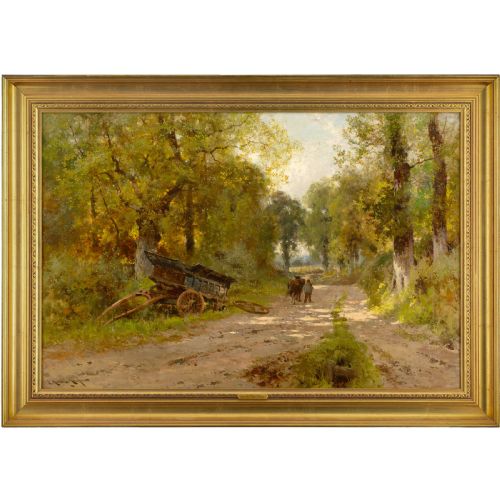
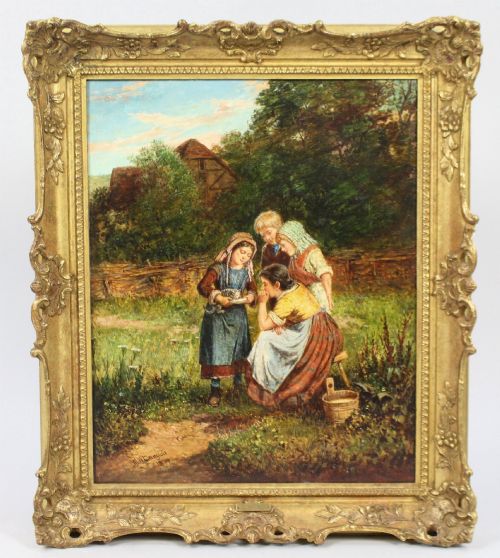
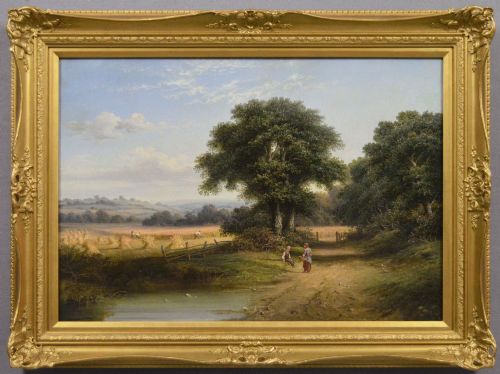
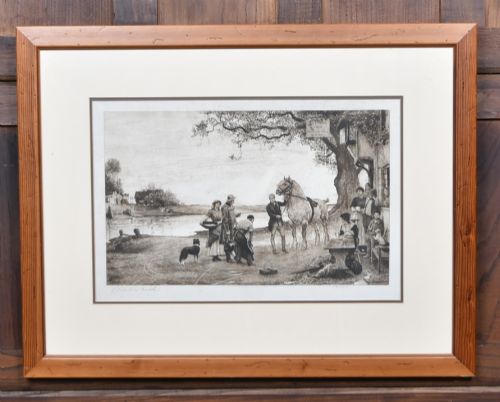
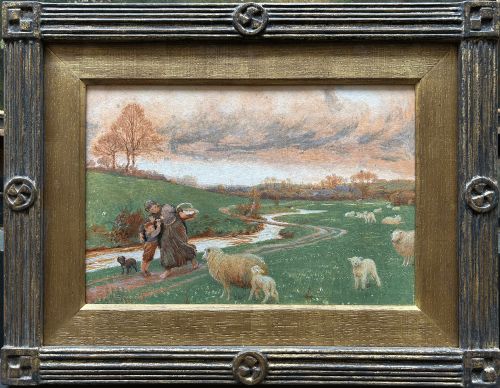
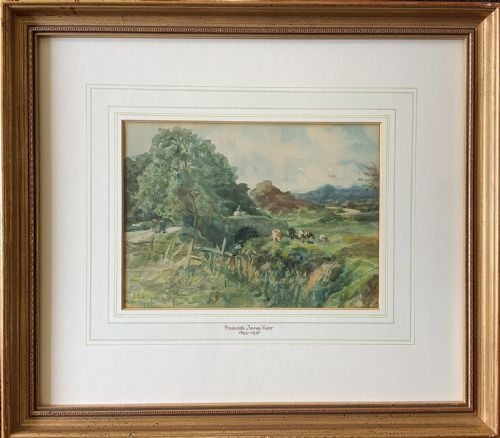
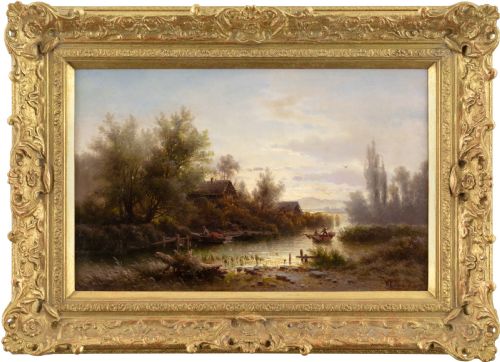
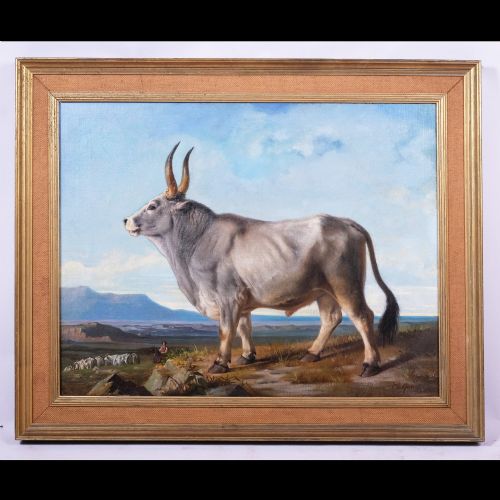
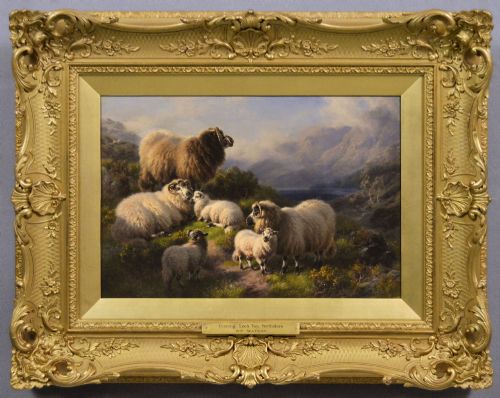
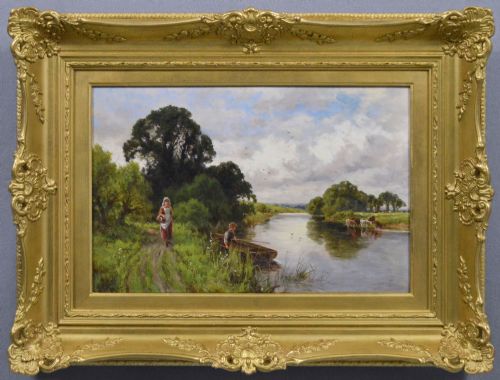
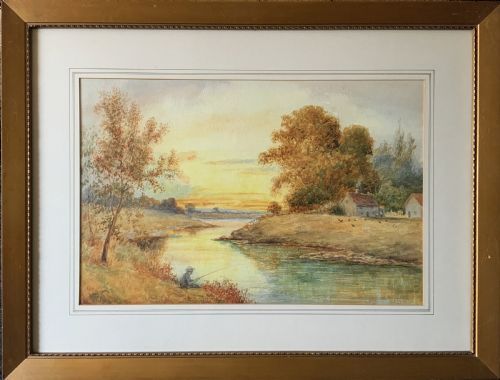
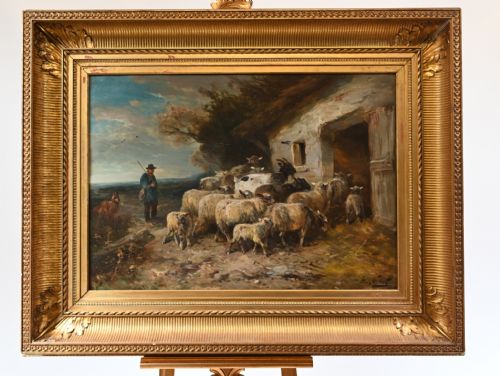
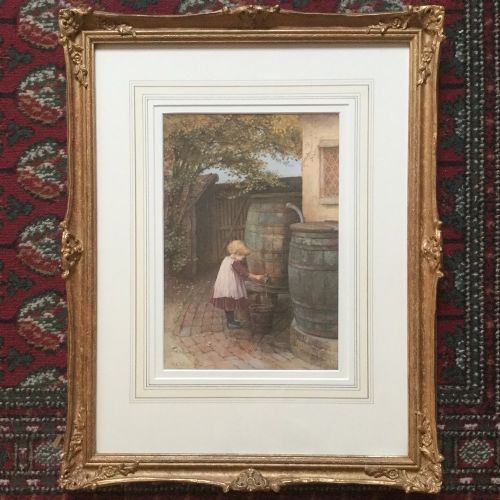
Victorian pastoral wall art encompasses framed paintings and watercolours depicting rural scenes, farm workers, livestock and quiet river landscapes. The selection leans heavily towards nineteenth-century British and European oil paintings on canvas, alongside framed watercolours and etching works.
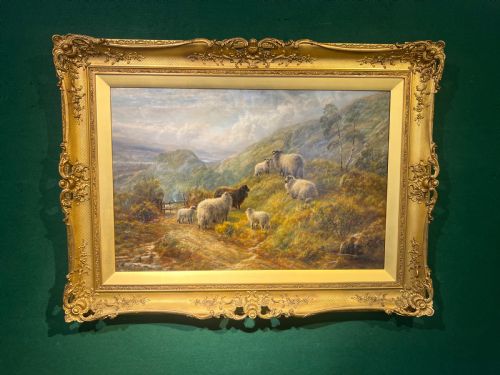
Most pieces date from the Victorian period up to the early twentieth century, reflecting a sustained appetite for idyllic agricultural views. Common subjects include sheep flocks, cattle watering, harvest fields and figures near ponds or rivers.
These works typically arrive framed, often in period wood and gesso frames that complement the rustic subject matter. Buyers encounter both signed original paintings by known artists and pieces attributed to specific regional schools.
How they were made
Painters used oil paint on canvas or watercolour applied to paper, capturing light and atmosphere in rural settings. Canvases were stretched over wooden frames and often housed in ornate giltwood and gesso surrounds.
Techniques range from detailed realism influenced by the Barbizon school to looser, atmospheric watercolours and lithographic prints. Artists built up layers of pigment to render textures like wool, water and foliage with careful observation.
The listings span the nineteenth and early twentieth centuries, featuring oil on canvas, watercolour and wood framing.
What varies in quality
Quality rests in the artist's handling of light, anatomical accuracy of animals and composition of the landscape. Superior works demonstrate subtle tonal transitions and convincing textures in skies and foliage, whereas weaker pieces rely on repetitive formulas.
The condition of the canvas, paint surface and original frame contributes significantly to a piece's standing. Stronger examples retain their original untouched surfaces and period framing without heavy modern restoration.
John Horace Hooper·Mark William Langlois·David Bates·Walter Heath Williams·Robert W Macbeth·Frederick Walker·Frederick James Kerr·Albert Rieger·William Watson Jnr·Henry H Parker·Henry Schouten·Charles Edward Wilson·Johannes de Haas·William Henry Mander·Thomas Baker of Leamington·Thomas Sidney Cooper·Franz van Severdonck·Alfred Augustus Glendening Jnr·William Sydney Cooper·Eugene Verboeckhoven·James Orrock·Henry John Boddington·Robert John Hammond·Sidney Richard Percy·Robert Thorne Waite
The Victorian Pastoral Wall Art Glossary
- Oil on Canvas
- Pigment mixed with drying oil applied to a woven fabric surface stretched over a wooden frame. This medium allowed artists to build rich textures and deep tones.
- Gesso
- A plaster-like mixture applied to wood frames before gilding or painting. It provided a smooth base for decorative mouldings.
- Giltwood
- Wood carved and covered with a thin layer of gold leaf. It framed many nineteenth-century oil paintings to enhance their visual weight.
- Etching
- A printmaking process where acid cuts lines into a metal plate to hold ink. Artists used this technique to produce detailed monochrome pastoral scenes on paper.
- Barbizon Influence
- A style reflecting the French school of landscape painting that focused on realism and direct observation of nature. It inspired many British artists to paint en plein air.
Victorian Pastoral Wall Art: Frequently Asked Questions
What subjects feature in pastoral art?
These works primarily show rural life, including sheep flocks, cattle by rivers, farm labourers and harvest fields.
Artists drew inspiration from the British and European countryside, focusing on quiet agricultural scenes.
How do I hang a heavy oil painting?
Large oil paintings in giltwood frames require secure wall fixings into masonry or timber studs rather than standard picture hooks.
Ensuring proper support protects both the heavy frame and the stretched canvas over time.
Are watercolours different from oil paintings?
Watercolours use pigment suspended in water-soluble vehicles on paper, requiring protective glass framing.
Oil paintings utilise oil-bound pigments on canvas, presenting a textured surface that does not need glass.
How do I date these artworks?
Dating relies on artist lifespan records, clothing styles of depicted figures and framing materials.
Signatures, exhibition labels and written inscriptions on the reverse often provide specific year markers.