
19th Century Pastoral Art
These 19th century pastoral art pieces bring rural scenes indoors, offering quiet agricultural charm for your walls.

What 19th century pastoral art is
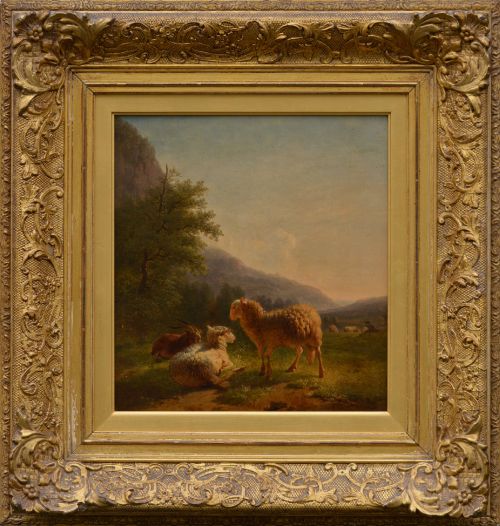
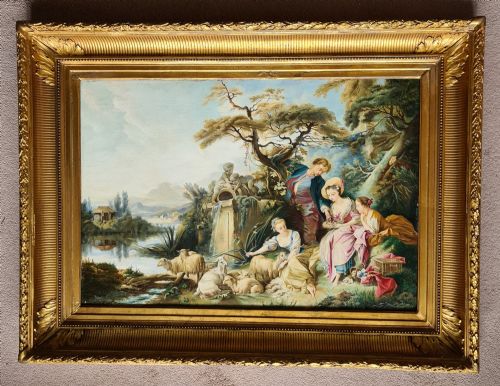
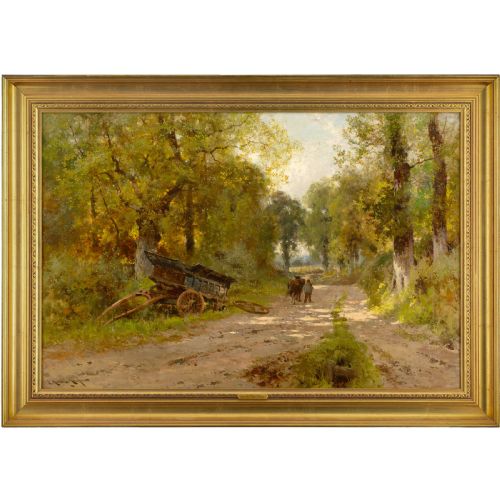
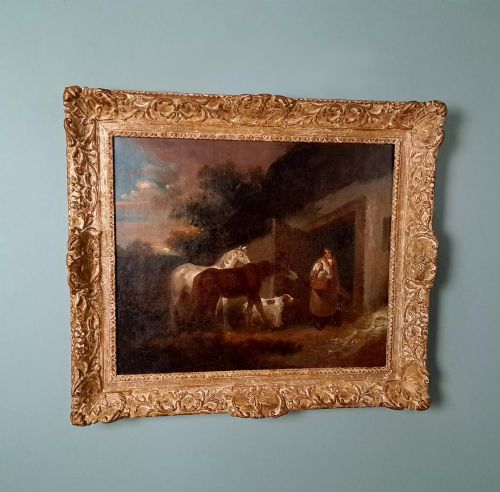
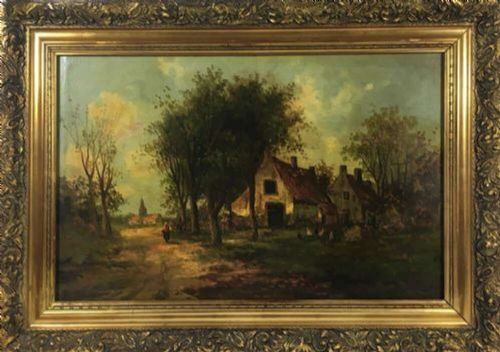
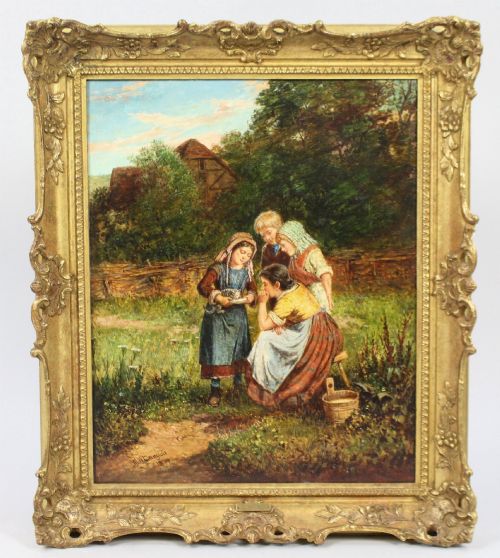
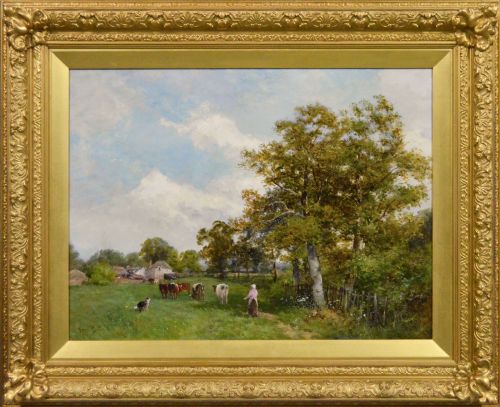
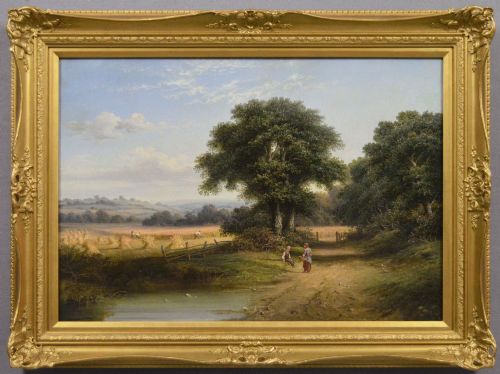
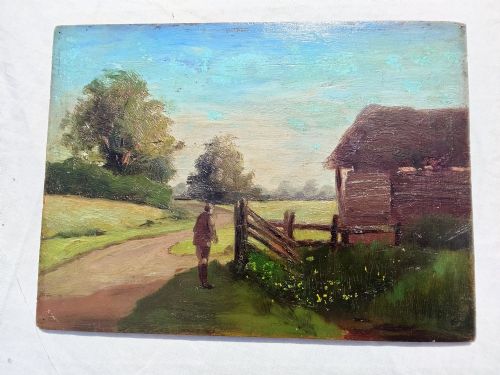
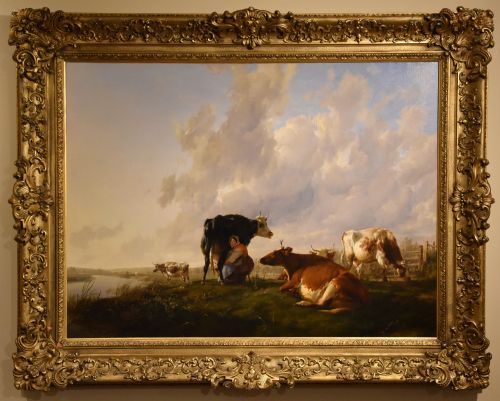
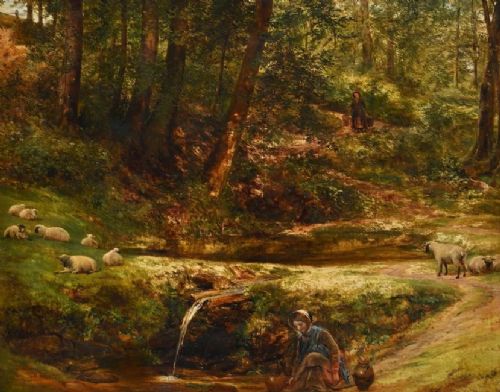
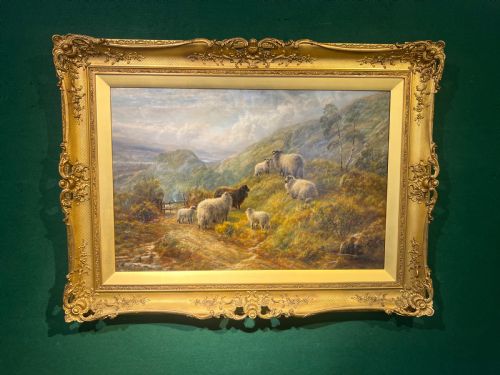
When you search for 19th century pastoral art, you encounter rural scenes depicting countryside life, landscapes, animals, and agricultural workers. These works capture idyllic depictions of nature that proved popular across European homes during the period.
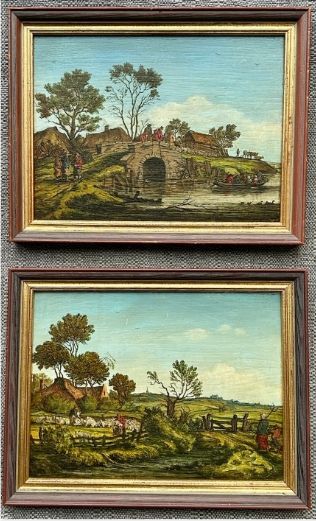
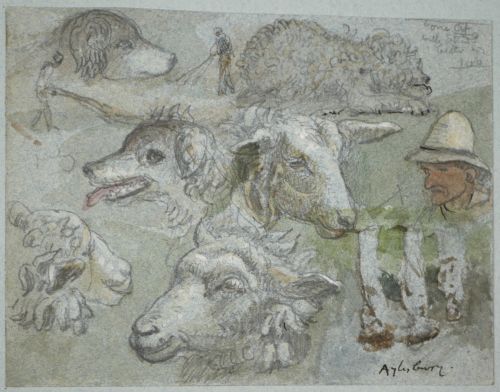
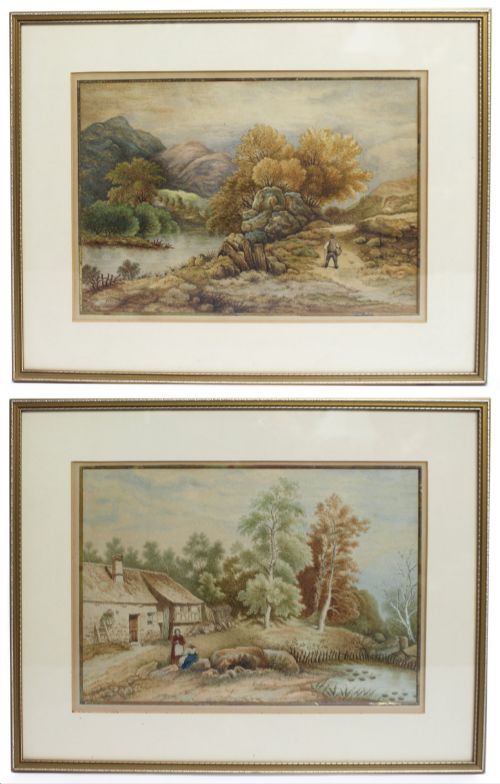
On this page, you are most likely to meet oil paintings and watercolours rendered on canvas, wood panel, or paper. Subjects range from lone figures by ponds to cattle beside streams and domestic animals.
The objects span styles including Victorian, Victorian pastoral, 19th century French, and 19th century naturalism. Forms vary from single rectangular framed canvases to oval pieces and sets of watercolours.
How they were made
Makers applied oil paint or watercolours onto traditional supports such as canvas, wood panel, and paper. These materials provided durable surfaces for detailed brushwork depicting foliage, water, and livestock.
Framing often involved gilt wood and gold leaf to complement the painted imagery, alongside protective glass used particularly over delicate watercolours on paper.
Retail Price Guide 2026
Typical UK retail prices for 19th century pastoral art, calculated from the Sellingantiques database of over a million retail prices indexed since 2003. This retail price guide relies exclusively on Sellingantiques data; no external sources or auction records are used, so the figures do not describe the wider market.
The listings here feature oil paint, canvas, wood panel, and paper across Victorian and French styles.
What varies in quality
Quality in these artworks rests upon the handling of light, atmosphere, and natural detail within the landscape. Finer examples demonstrate careful observation of cattle, figures, and surrounding vegetation.
The execution of the frame also marks a distinction, with period gilt wood and gold leaf surrounds contributing to the overall integrity of the piece.
William Sidney Cooper·James Arthur O Connor
The 19th Century Pastoral Art Glossary
- Pastoral
- Relating to the countryside and rural life. This genre focuses on fields, farm animals, and agricultural workers.
- Oil Painting
- A medium consisting of pigments suspended in drying oils. It allows for rich colour depth and textured application on canvas or wood panel.
- Watercolour
- A paint where the colour pigments are suspended in a water-soluble vehicle. It is typically applied to paper supports.
- Gilt Wood
- Wood that has been treated with a thin layer of gold leaf. Frames finished this way enhance the visual weight of the artwork.
Frequently Asked Questions
What subjects appear in pastoral art?
These works typically show countryside views, rivers, ponds, and agricultural settings. Figures and farm animals like cattle and goats frequently populate the scenes.
Artists also depicted domestic bird life and rural workers engaged in daily pastoral routines.
What materials were used?
Painters utilised oil paint and watercolour on supports including canvas, wood panel, and paper.
Frames were constructed from wood, often finished with gilt layers or gold leaf to display the art.
How do I identify the period?
Dating relies on stylistic markers associated with Victorian naturalism and regional French or English schools. Subject matter and framing techniques also offer clues to the era of production.
Signatures or period inscriptions on the reverse often help establish the date of creation.
How should I display them?
These paintings and watercolours suit walls in living spaces or studies where rural subjects complement traditional interiors. Ensure they are positioned away from direct sunlight to protect pigments and paper.
Framed pieces in gilt wood require stable humidity conditions to preserve both the art and the wooden mount.