



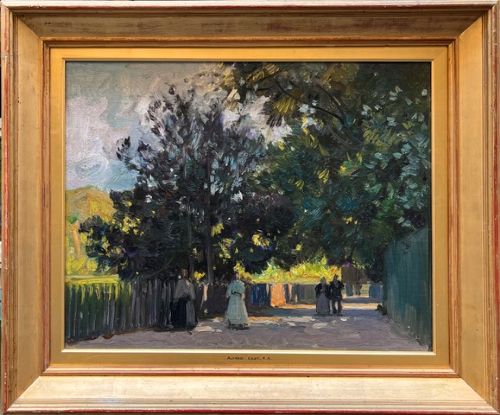
Vintage River Landscape Art
Vintage river landscape art brings water and sky indoors through painted oil on canvas.
What vintage river landscape art is
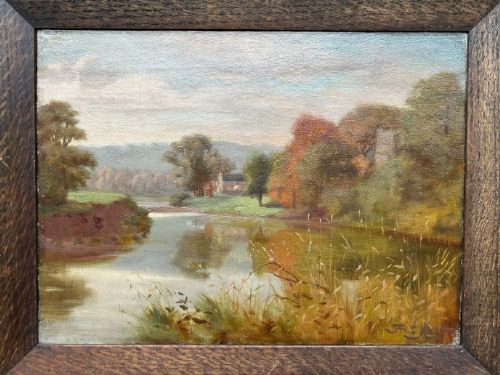
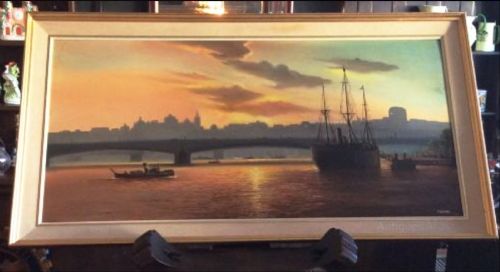
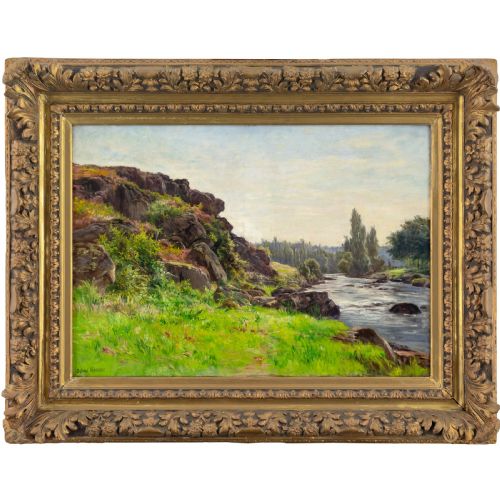
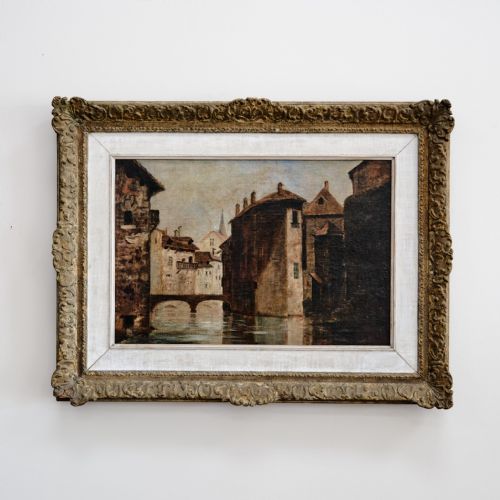
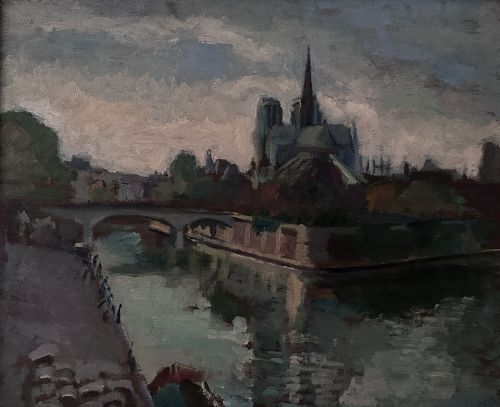
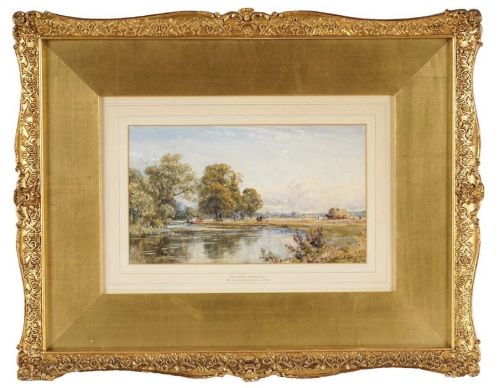
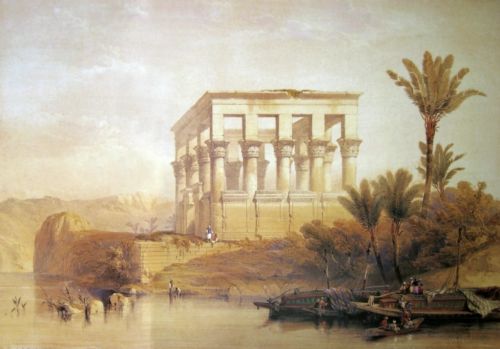
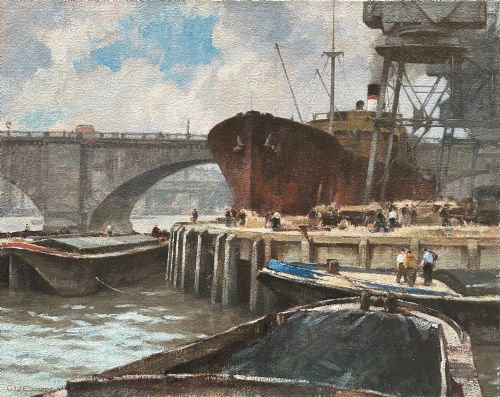
Vintage river landscape art encompasses painted scenes of waterways, streams, and rivers captured across various historical periods. When searching for vintage river landscape art, buyers encounter works ranging from the nineteenth century to the early twentieth century. These paintings depict natural bodies of water alongside pastoral settings and architectural landmarks.
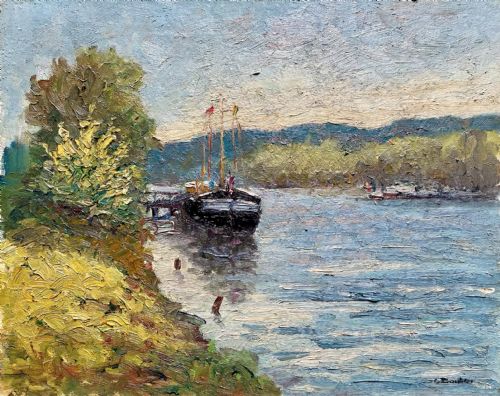
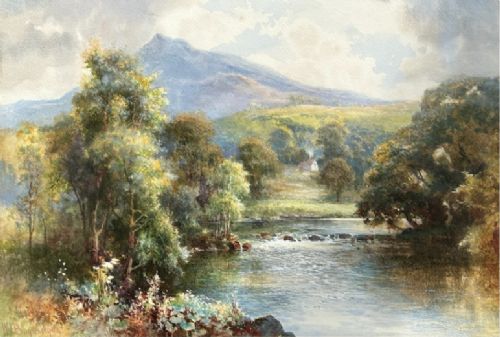
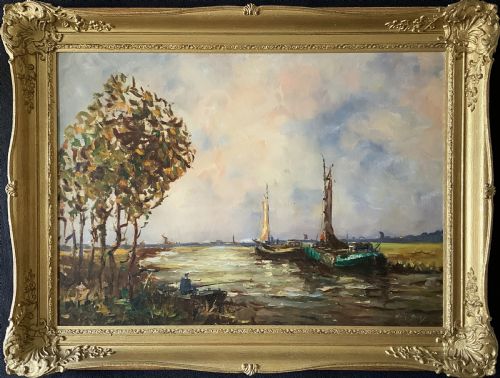
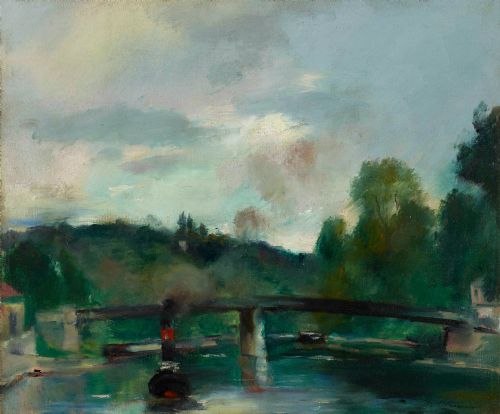
The pieces listed on this page include oil paintings on canvas and panel, spanning several distinct artistic movements. Examples range from nineteenth century romanticism and Victorian pastoral scenes to twentieth century British and French impressionism. Each painting offers a specific perspective on rivers, varying from mountainous backgrounds to gentle cattle streams.
How they were made
These artworks are created using oil paint applied to prepared canvas or wooden panels. Artists utilised traditional brushwork techniques to build texture and depth within the water and surrounding foliage. Gesso and wood often form the foundation for panel paintings, while canvas supports larger oil compositions.
Framing for these pieces frequently incorporates giltwood and gesso moulded profiles, adding decorative borders to the paintings. The combination of oil pigments and layered ground preparation ensures durability across the decades. Artists worked both in studios and plein air directly beside the riverbanks.
Retail Price Guide 2026
Typical UK retail prices for vintage river landscape art, calculated from the Sellingantiques database of over a million retail prices indexed since 2003. This retail price guide relies exclusively on Sellingantiques data; no external sources or auction records are used, so the figures do not describe the wider market.
Artistic styles represented include nineteenth century romanticism, Victorian pastoral, and French impressionism.
What varies in quality
Quality in these river scenes rests upon the handling of light, atmospheric depth, and naturalistic proportions. Superior paintings demonstrate confident brushwork that captures the movement of water and the subtlety of changing skies. The integration of surrounding elements like cattle, chateaux, or mountains dictates the visual balance of the composition.
The integrity of the original support material and surface pigment condition also distinguish finer works. Well-preserved oil layers maintain their original vibrancy without excessive craquelure or discoloration. Furthermore, the craftsmanship of the accompanying giltwood frame contributes to the overall standing of the piece.
Carl Johan Fahlcrantz·J. Phipps·Frank Hider·Edmond Defonte·William Sidney Cooper
The Vintage River Landscape Art Glossary
- Oil on canvas
- Pigments bound in drying oil applied to a woven fabric support. This traditional medium allows for rich blending and textured impasto effects.
- Plein air
- Painting executed outdoors directly in front of the subject. This method captures natural fleeting light and atmospheric conditions accurately.
- Giltwood
- Wood carved and coated with a thin layer of gold leaf or metallic powder. It provides an ornate and reflective border for traditional paintings.
- Impressionism
- A nineteenth century art style characterised by relatively small, thin, yet visible brush strokes and an emphasis on accurate depiction of light.
Frequently Asked Questions
How do I hang river landscape art?
Hang these paintings at eye level on a stable wall away from direct sunlight and damp conditions.
Ensure the wall fixings match the weight of both the canvas and the heavy giltwood frame.
What periods do these paintings cover?
The available selection spans the nineteenth century through the early twentieth century.
Specific dates on this page include works from the 1920s and 1930s alongside nineteenth century romantic pieces.
Where were these river scenes painted?
Artists painted these scenes across various locations including British countryside streams and French riverbanks.
Some works record specific sites such as the River Loire and Kent.