





Original Signed Landscape Painting
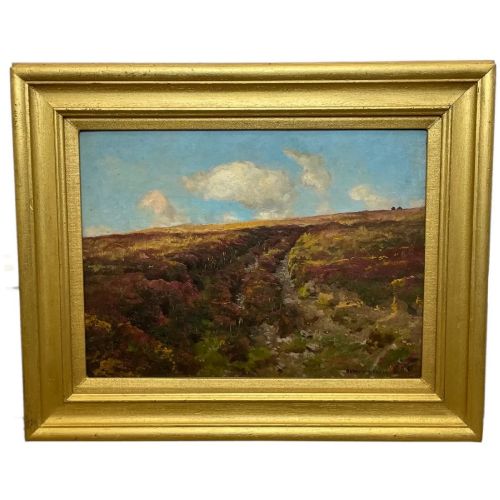
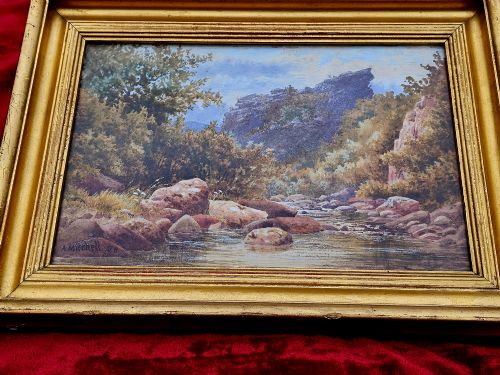
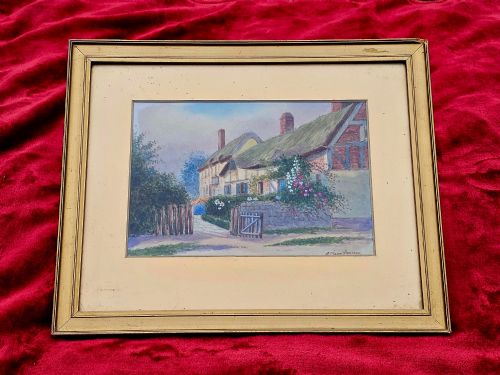
An original signed landscape painting brings the observed field, river or valley directly to the wall through the hand of the artist.
The Nature of the Work
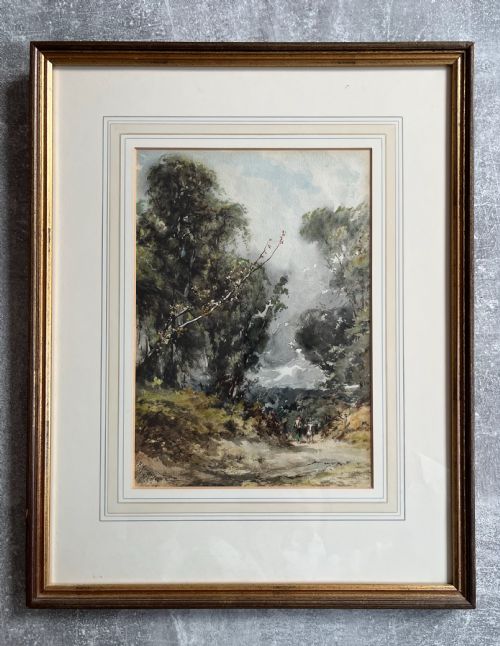
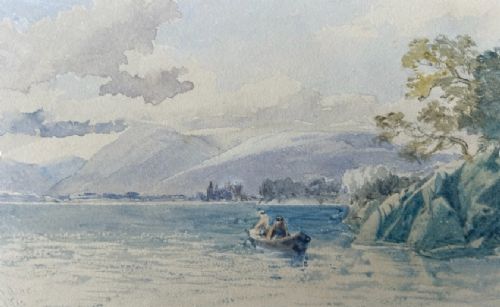
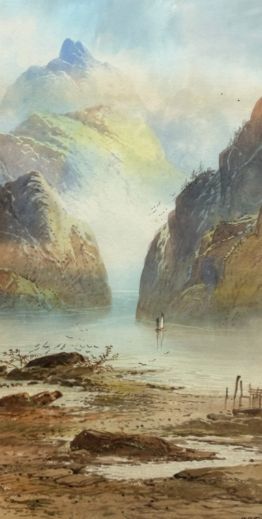
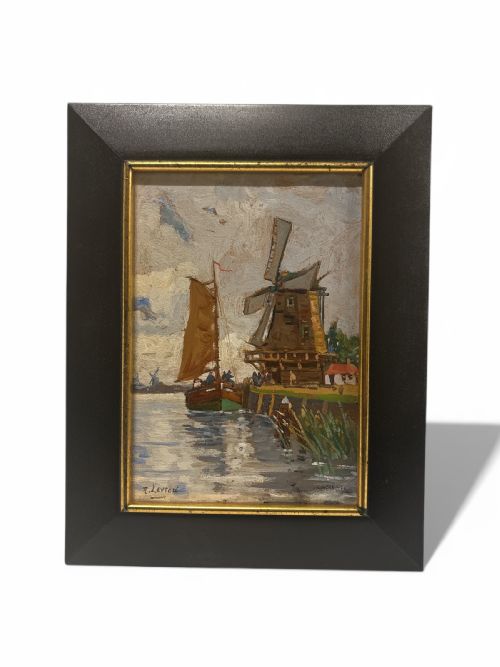
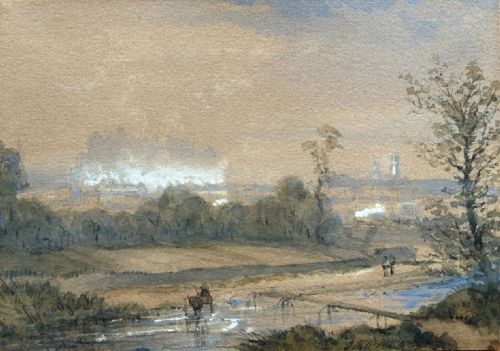
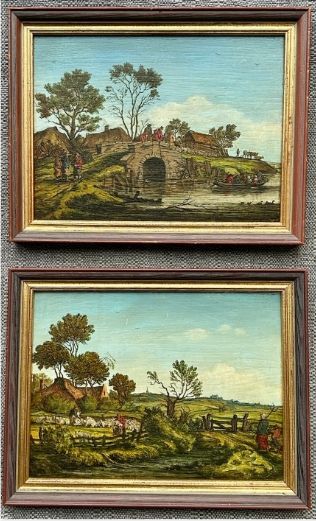
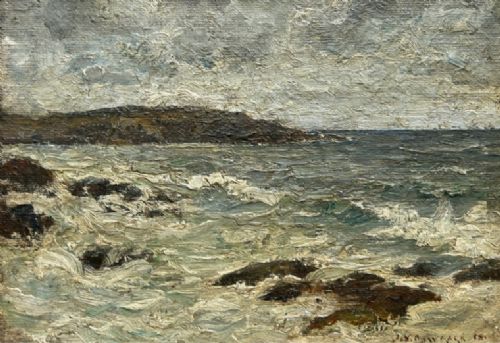
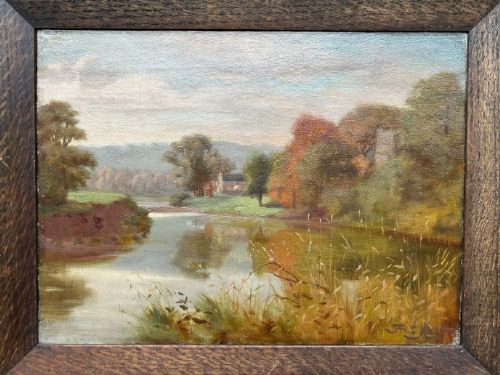
An original signed landscape painting represents a direct encounter with scenery, captured by an individual hand rather than reproduced by mechanical means. When searching for an original signed landscape painting, buyers meet works spanning the Victorian era through the twentieth century, including post-war modernism and mid-century British expressions. These pieces range from intimate watercolours on paper to substantial oil paintings on canvas, panel or board, depicting British countrysides, Scottish highlands, and continental views.
The subjects on this page extend from English pastoral scenes with rivers and cottages to dramatic coastal cliffs and continental vistas. Artists signed their names plainly, often dating the work or inscribing the specific location on the reverse or within the composition. Such works record the topography and light of specific places, offering a window into the painter's immediate surroundings during periods such as the early twentieth century or the Victorian epoch.
Distinctions in Execution
The distinction between ordinary and exceptional works lies in the confidence of the brushwork and the management of light and atmosphere. A superior painting demonstrates acute observation of tone, where the handling of pigment creates a convincing sense of depth and weather. Lesser examples rely on formulaic repetition without engaging the specific qualities of the terrain.
Compositional balance and spatial clarity separate skilled hands from amateur efforts. The best pieces integrate the signature harmoniously into the design, reflecting a mature artistic vision rather than a hasty sketch.
Retail Price Guide 2026
Typical UK retail prices for original signed landscape painting, calculated from the Sellingantiques database of over a million retail prices indexed since 2003. This retail price guide relies exclusively on Sellingantiques data; no external sources or auction records are used, so the figures do not describe the wider market.
The archive includes landscape subjects ranging from Scottish highlands to Italian coastal views.
Arthur Gué·Eric Brown·Olive Higginbottom·J Phipps·T Watts·Alastair Flatterly·Arthur W Newsholme·Ferdinand E Gröne·Oscar Perlasca·George F Pennington·T H McKay·William Burns·Alfred George Morgan·Anthony Graham·James Robertson Miller·Alexander Jamieson·Walter Emsley·Florence F Wilmot·Karl S Wood·Fernando Del Basso·Singleton Jowett·Tom Anderton·Stephen Enoch Hogley·Allan Freer·Percy Hipkiss
The Original Signed Landscape Painting Glossary
- Oil on canvas
- Pigment suspended in drying oil applied to a stretched woven fabric support. This combination allows for rich impasto and subtle blending of tones.
- Watercolour
- A paint consisting of soluble pigment and a binder dissolved in water, applied to paper. It relies on the white of the paper to provide luminosity through translucent washes.
- Gouache
- An opaque water-based medium containing pigment, water and a binding agent such as gum, often mixed with white to create solid areas of colour.
- Gilt frame
- A wooden protective border coated with gold leaf or metallic paint. It enhances the visual presentation and isolates the artwork from the surrounding wall.
- Panel
- A rigid wooden board utilised as a sturdy support for painting. It provides a stable surface that resists the flexing associated with stretched canvas.
Frequently Asked Questions
What periods do these paintings cover?
The selections encompass works from the Victorian era, through the early twentieth century and the interwar years, up to post-war modernism and later decades.
Each period brings distinct stylistic approaches to topography, ranging from Victorian narrative detail to twentieth-century abstraction and British modernism.
How should I display watercolour works?
Watercolours on paper require protection behind glass and mounting away from direct sunlight to prevent the pigments from fading over time.
Hanging them in rooms with stable humidity levels preserves both the paper support and the surrounding frame.
Are all these paintings signed by the artist?
The works included feature visible signatures, inscriptions or monograms applied by the painter, often accompanied by dates or location names.
These signatures help attribute the piece to a specific hand and occasionally link the landscape to a recorded geographic site.
What is the difference between canvas and board?
Canvas is a flexible woven fabric stretched over a wooden wooden frame, whereas board provides a rigid, inflexible flat surface for the paint.
Both supports were common across different periods, with panels and boards offering particular stability for smaller oil studies.