


French Post Impressionist Art
French post impressionist art brings together expressive brushwork and luminous palettes, capturing everyday life and landscapes across France from the late nineteenth through the mid-twentieth century.
French Post Impressionist Art
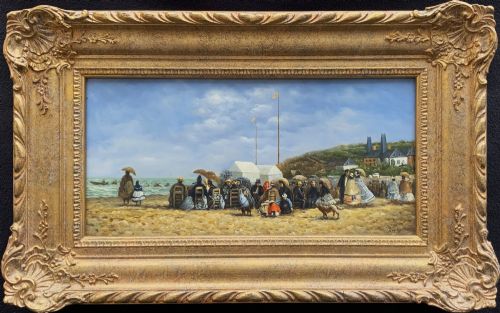
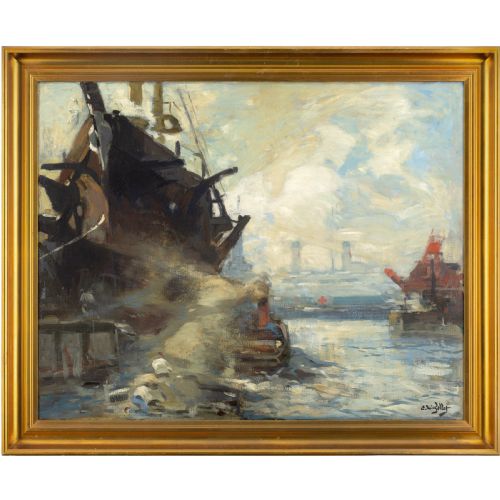
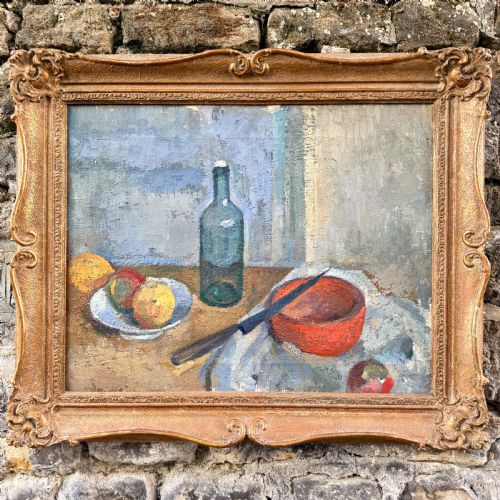
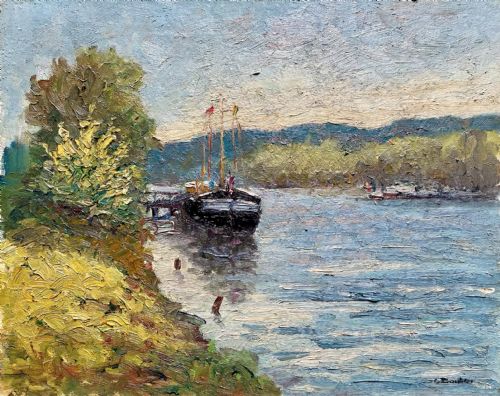
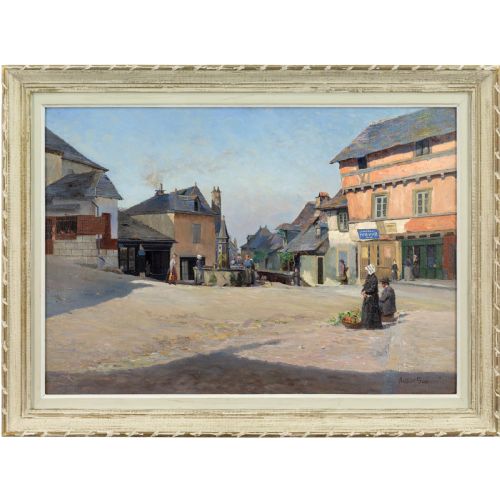
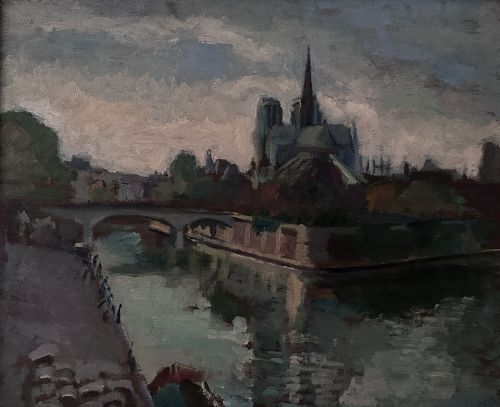
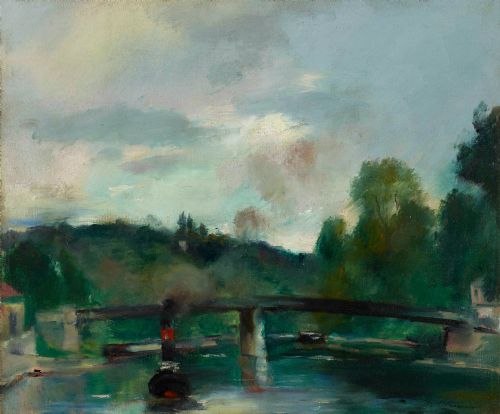
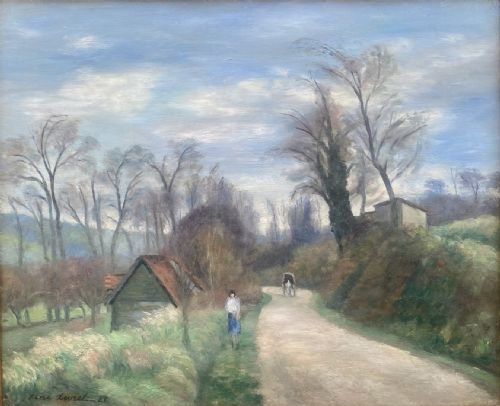
Buyers seeking French post impressionist art examine oil paintings, works on paper, and fine art panels depicting coastal scenes, urban streetscapes, and intimate interiors. The selections span from the late nineteenth century through the mid-twentieth century, with many pieces originating in the nineteen-twenties and thirties.
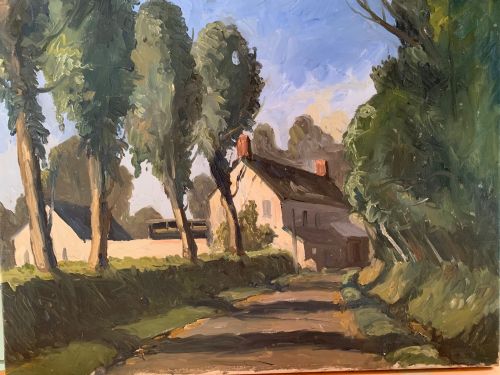
Canvases and boards record rural vistas in Normandy and Provence alongside city views of Paris and regional ports. These works embrace styles connected to Post-Impressionism, Impressionism, and mid-century modernism.
The objects take the form of framed wall art, ranging from small studies to large cityscapes and coastal panoramas. Collectors encounter both named painters of the period and anonymous works sharing the same palette and technique.
How They Were Made
Artists applied oil paint to stretched canvas, wooden panels, or paper supports, frequently using visible, expressive brushstrokes rather than smooth blending. Works often feature textured surfaces built up with oil paint and gesso.
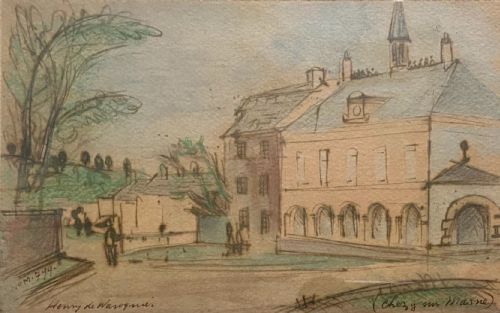
Many frames consist of gilt wood that complements the colourist palettes of the paintings. Mixed media drawings combine ink and watercolour on paper to capture light and movement swiftly.
French Post Impressionist Art Retail Price Guide 2026
Typical asking prices for french post impressionist art among the pieces listed under this phrase on Sellingantiques today, from the lower quarter to the upper quarter. They describe what is for sale here now, not the wider market.
Materials recorded across the inventory include gilt wood frames, gesso grounds, canvas supports, and wood panels.
What Varies in Quality
The strength of the composition and the confidence of the brushwork distinguish individual paintings. Masterful handling of light, shadow, and atmospheric perspective elevates a canvas.
The preservation of the original paint layer and the condition of the supporting canvas or panel influence the integrity of the piece. Period frames that suit the artwork add to the overall cohesion of the presentation.
Eugène-Louis Gillot·Arthur Gué·Henri Ottmann·Rene Levrel·Henry de Waroquier·Paul-Élie Gernez·Paul-Jean Anderbouhr·Edouard Julien·Henri Vincent-Anglade·Louis Suire·Jean-Baptiste Olive·André Prévot-Valéri·Merio Ameglio·Majorie Hoare·Charles Malfroy·Cecil R. Doyly-John·Marc Aldine·Eduard Leon Cortes·Armand Guillaumin
The French Post Impressionist Art Glossary
- Post-Impressionism
- A late nineteenth and early twentieth century art movement that rejected traditional naturalism in favour of expressive colours and forms. Artists built upon impressionist foundations while exploring structural and emotional depth.
- Gouache
- An opaque water-based paint that dries to a matte finish. It allows artists to apply vibrant, saturated colour swiftly to paper supports.
- Gesso
- A primer mixture consisting of a binder mixed with chalk or gypsum. It prepares wood panels or canvases to receive oil paint.
- Pointillism
- A technique where small, distinct dots of pure colour are applied in patterns to form an image. The technique relies on the viewer's eye to blend the colours optically.
- Intimist
- An artistic style focusing on quiet, domestic interior scenes. These works capture private moments of daily life with warmth and subtlety.
French Post Impressionist Art: Frequently Asked Questions
What subjects do these paintings feature?
The artworks depict a wide range of French subjects, including Parisian street scenes, coastal fishing ports in Brittany, and sun-drenched Mediterranean landscapes. Still lifes and domestic interior scenes also appear frequently across the period.
Artists frequently recorded specific regions such as Normandy and Provence, capturing local architecture, rural paths, and seaside gatherings under varied atmospheric conditions.
How do I date an artwork from this era?
Dating relies on recorded artist lifespans, dated signatures on the canvas, and stylistic markers specific to the early twentieth century. Mid-century modernist and post-impressionist characteristics offer further chronological clues.
Framing materials and backing boards can provide additional context, though gallery labels and signatures remain the most direct evidence for specific years.
How should I display these framed works?
These oil paintings and works on paper suit wall display in spaces with stable humidity and indirect lighting. Protecting them from direct sunlight preserves the pigment and prevents fading of the canvas or paper.
Matching the period frame to the surrounding interior design allows the colour and texture of the painting to anchor the room.
What is the difference between oil on canvas and oil on board?
Oil on canvas involves paint applied to a woven fabric stretched across a wooden frame, providing slight flexibility and texture. Oil on board uses a rigid wooden or composition panel as the primary support.
Both materials were widely utilised by artists during the nineteenth and twentieth centuries to achieve different surface effects and portability.