
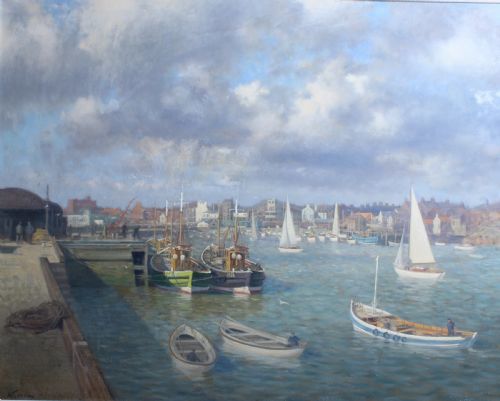


Yorkshire Landscape Oil Painting
A Yorkshire landscape oil painting captures the rugged beauty of northern valleys and coastlines through the observant brushwork of regional artists.
Yorkshire Landscape Oil Painting
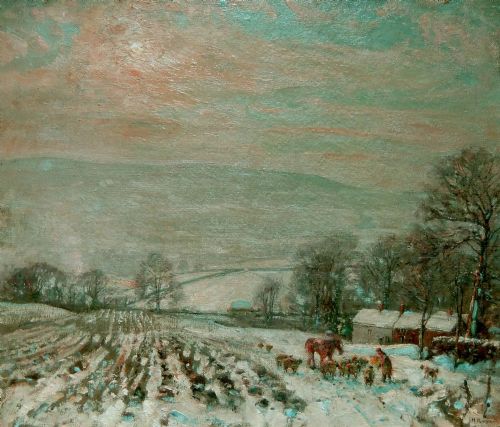
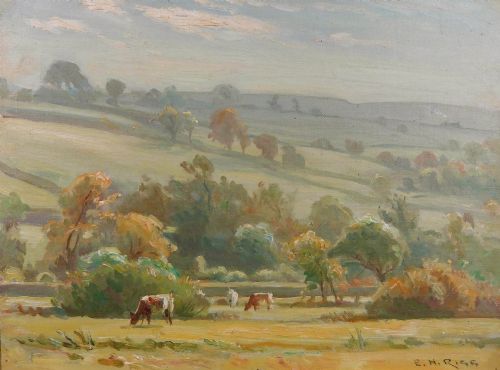
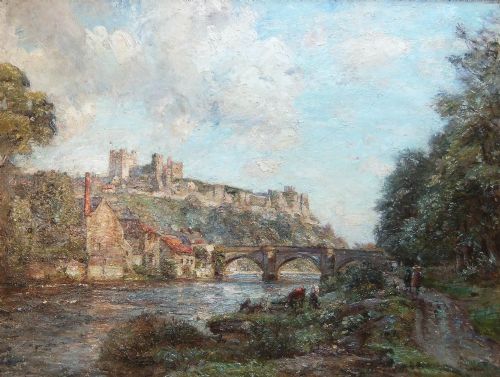
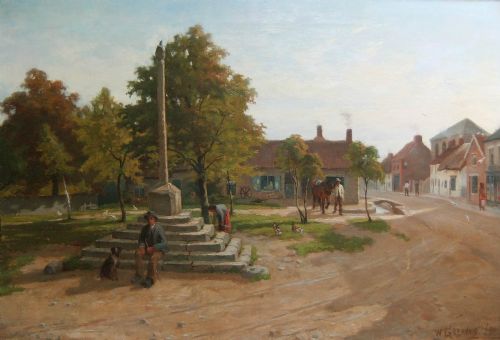
A yorkshire landscape oil painting represents regional scenes spanning from the late nineteenth century into the mid-twentieth century. Buyers encounter depictions of Wharfedale rivers, remote moorlands, coastal harbours, and quiet farmsteads executed by British artists.
How They Were Made
Artists applied oil paint using traditional brushes and palette knives onto stretched canvas, wooden panels, or prepared boards. These varied rigid and flexible supports allowed painters to work both in studio settings and directly outdoors on location.
Pigments were mixed with drying oils to achieve textures ranging from thin, translucent glazes to thick, expressive impasto strokes that capture the atmospheric conditions of the dales.
Yorkshire Landscape Oil Painting Retail Price Guide 2026
Typical asking prices for yorkshire landscape oil painting among the pieces listed under this phrase on Sellingantiques today, from the lower quarter to the upper quarter. They describe what is for sale here now, not the wider market.
Canvas and board serve as the primary supports across nineteenth and twentieth century listings.
What Varies in Quality
Quality rests upon the artist's handling of light, depth, and spatial composition within the specific topography. Stronger examples demonstrate confident brushwork and acute tonal control that convey the distinct atmosphere of northern skies.
Lesser works rely on formulaic arrangements and stiff perspectives that fail to engage with the natural movement of the landscape. The distinction lies entirely in the artist's ability to render light and texture convincingly.
Herbert Royle·Ernest Higgins Rigg·William Greaves·Owen Bowen·William Mellor·Florence Hess·Reginald Grange Brundrit·Lewis Creighton
The Yorkshire Landscape Oil Painting Glossary
- Impasto
- Paint applied thickly to a canvas or board, standing out in relief from the surface. This technique adds tactile dimension and captures glancing light across moorland scenes.
- Staithes Group
- A collection of northern artists associated with Impressionism and naturalism working on the Yorkshire coast. They painted local fishing communities and coastal cliffs in en plein air conditions.
- En plein air
- The practice of painting outdoors to capture direct observations of natural light and weather. Painters utilised this method to record shifting conditions across valleys and coastal stretches.
- Provenance
- The documented history of ownership and origin associated with an artwork. Studio sales and exhibition labels often provide reliable evidence of a painting's background.
Yorkshire Landscape Oil Painting: Frequently Asked Questions
How do I identify a Staithes group painting?
Look for loose, impressionistic brushwork depicting coastal villages, cliffs, and local fishing fleets along the Yorkshire coast. These works typically date from the late nineteenth or early twentieth century.
Many bear signatures of artists associated with the coastal colonies who painted directly from nature.
Were these paintings created outdoors?
Many artists painted en plein air using portable boards and canvases to capture immediate effects of weather and light. Studio finishes were frequently applied later to refine compositions.
Smaller panel works generally indicate direct outdoor execution.
How should I frame an antique oil painting?
Select a period-appropriate wooden or gilded frame that complements the tone and weight of the canvas without overpowering the composition. Traditional mouldings enhance the historical context of regional British landscapes.
Ensure adequate space remains between the painted surface and any glazing.
What subjects are most common in these landscapes?
River valleys like Wharfedale, remote moorland streams, sheep pastures, and busy east coast harbours dominate the regional output. Artists repeatedly returned to specific local landmarks and farmsteads.
Industrial elements occasionally appear alongside traditional rural scenes.