





Earth Tone Landscape Painting
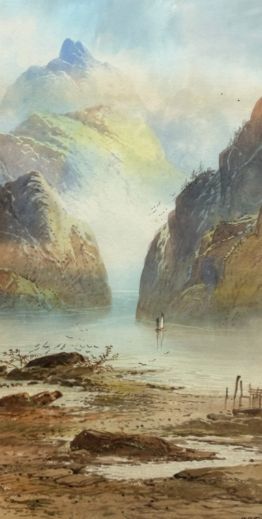
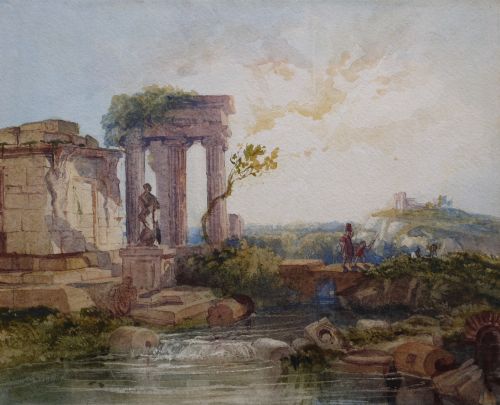
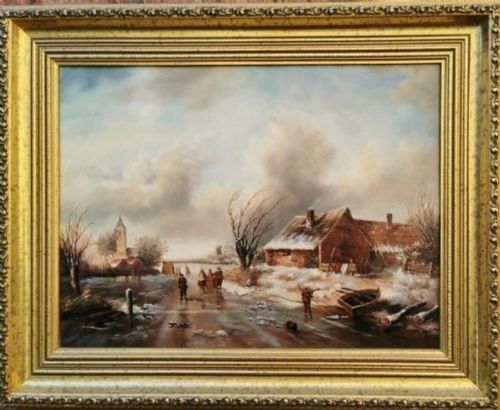
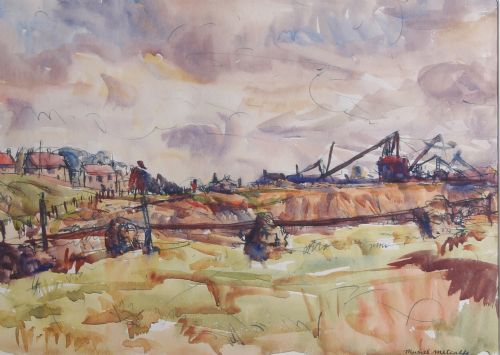
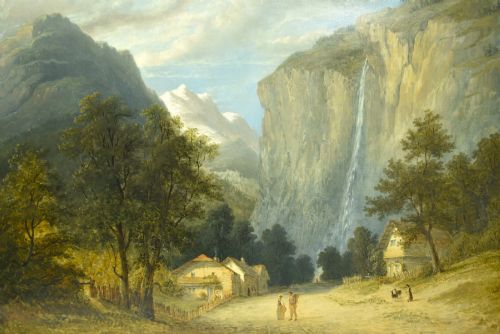
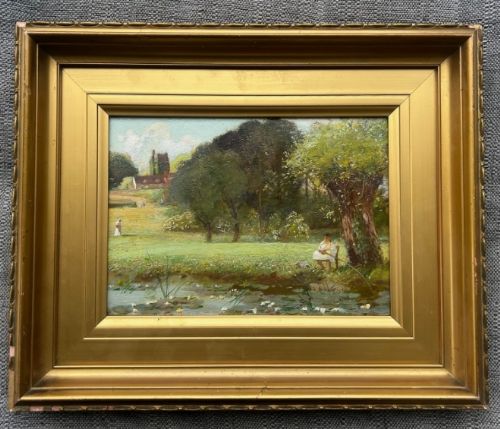
Earth tone landscape painting captures quiet fields, winding rivers, and shadowed valleys through muted pigments on canvas, paper, or wood panel.
Earth Tone Landscape Painting
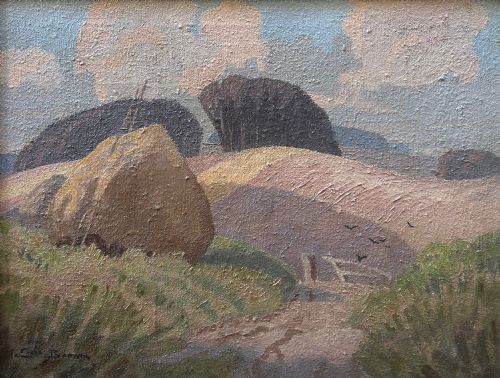
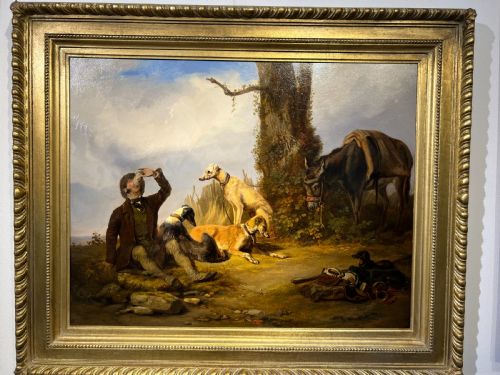
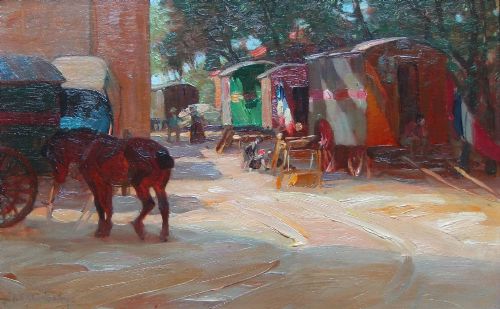
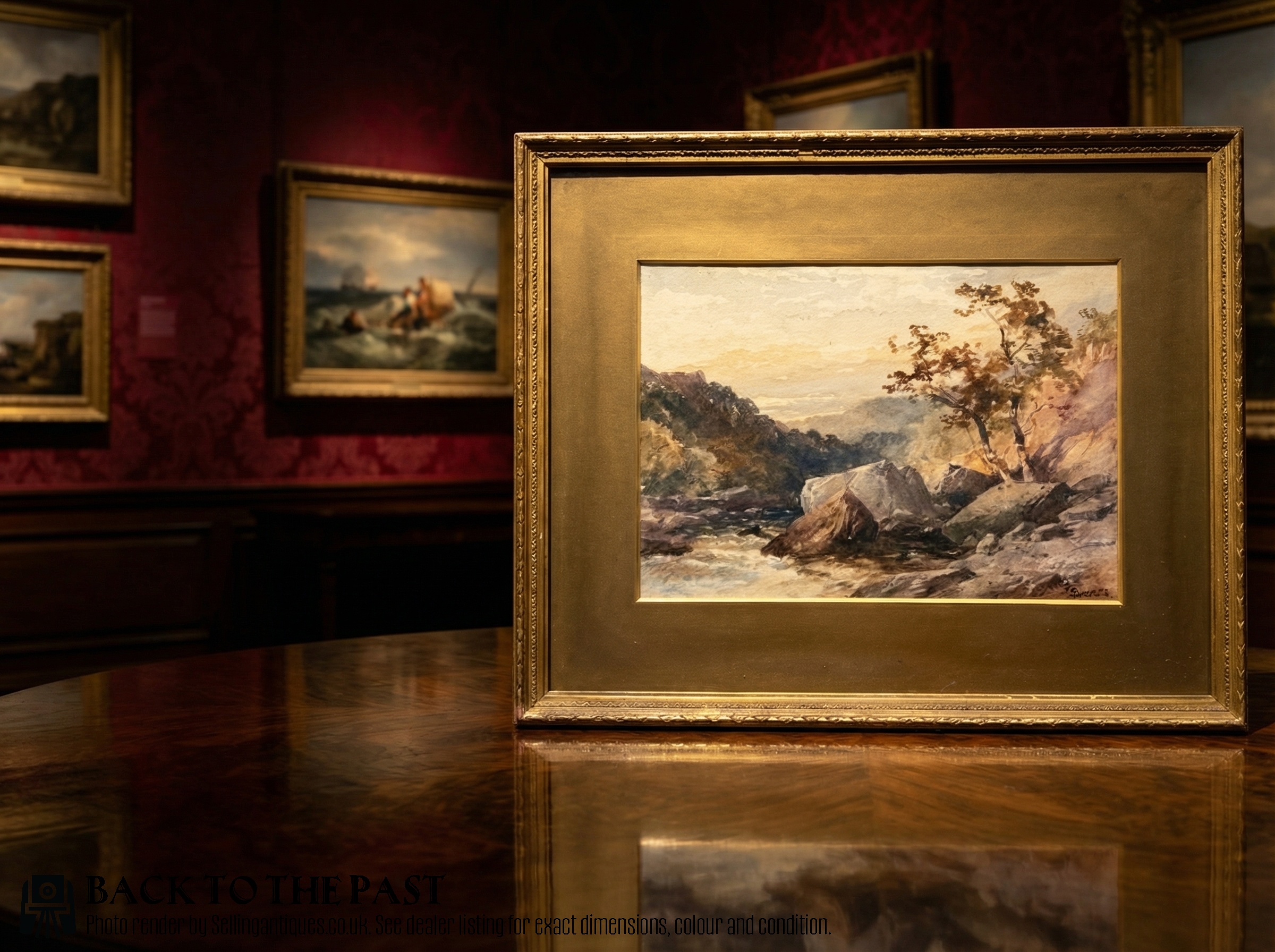
An earth tone landscape painting centres on muted palettes of ochre, umber, sienna, and forest green to depict rural vistas, coastal scenes, and agricultural life. These works span from the nineteenth century into the mid-twentieth century, encompassing Victorian pastoral scenes, Edwardian watercolours, and early modernist interpretations.
The selections on this page feature original paintings and fine art works executed by named artists and regional painters alike. Subjects range from Scottish highlands and Welsh valleys to European riversides, villages, and coastal harbours.
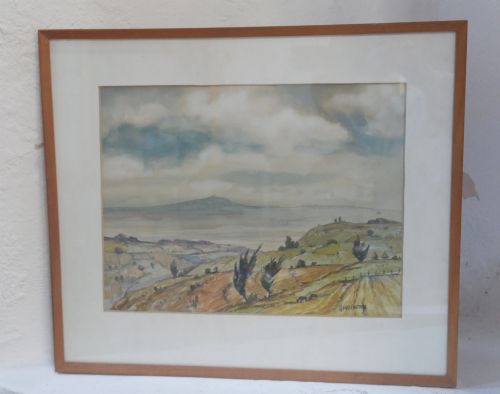
Buyers encounter watercolours on paper and oil paintings on canvas or wood panels, framed by the stylistic shifts of British Impressionism, Post-Impressionism, and nineteenth-century pastoral traditions.
Materials and methods
Painters utilised oil paint and watercolour pigment applied to canvas, heavy paper, wood panels, or boards. Oil media allowed for rich layering and textured impasto, particularly in mid-century and modernist works.
Watercolour applications relied on transparent washes and fine brushwork on paper to capture atmospheric light in Fenland, Yorkshire, and Scottish scenes. Wooden supports and canvas were stretched or mounted for durability, often retaining original period frames.
Earth Tone Landscape Painting Retail Price Guide 2026
Typical asking prices for earth tone landscape painting among the pieces listed under this phrase on Sellingantiques today, from the lower quarter to the upper quarter. They describe what is for sale here now, not the wider market.
Several Victorian cows and cart horses earned permanent immortality in these fields long before tractors arrived.
Evaluating quality and handling
Quality rests in the handling of light, brushwork confidence, and compositional balance rather than sheer scale. A stronger piece demonstrates surety of line and atmospheric depth, whether in a detailed nineteenth-century watercolour or a freer twentieth-century oil study.
Condition of the support and pigment stability matter significantly. Works preserved on original paper, canvas, or wood panel without excessive restoration retain their intended tonal harmony and surface integrity.
William Henry Earp·Richard Principal Leitch·Muriel Metcalfe·Paul Ehrenberg·Alfred George Morgan·Oswald Garside·Sir David Murray·Ernest Higgins Rigg·Fred Lawson·Owen Bowen·George Armfield·James Orrock·James Hardy Junior·William Greaves·Frederick W. Jackson·John Syer·Kershaw Schofield·Sidney James Beer·Fred Stead·John Edward Bale·Kate E Booth·William Manners·Henry Charles Fox·Thomas James Lloyd·Stephen John Batchelder
The Earth Tone Landscape Painting Glossary
- Impasto
- Paint applied thickly to a canvas or panel, standing out in relief from the surface. This technique creates physical texture that catches ambient light.
- Watercolour
- Pigments suspended in a water-based, translucent solution applied to paper. It demands precise brushwork as corrections are difficult to conceal.
- Pastoral
- A style of artwork depicting rural life, shepherds, farms, and idealized countryside scenes. These compositions emphasise a calm, natural harmony.
- Wood Panel
- A rigid flat wooden support used instead of canvas for oil paintings. Panels offer a stable surface that prevents the cracking often found in aged fabric supports.
Earth Tone Landscape Painting: Frequently Asked Questions
How do I date an antique landscape painting?
Examine the materials, stretcher frames, and paper types alongside any artist signatures or inscribed locations on the reverse. Stylistic clues such as Victorian pastoral conventions or mid-century abstract tendencies also narrow the decade of creation.
Comparison with documented works by the same artist or regional school provides further verification of the period.
What is the difference between oil and watercolour landscapes?
Oil paintings utilise pigment bound in drying oils applied to canvas or wood, offering rich textures, deep layering, and robust durability. Watercolours use water-soluble pigments on paper, creating translucent washes and delicate atmospheric effects.
Oils are generally heavier and require protective framing behind glass only if unvarnished, whereas watercolours require glass to shield the paper from moisture and dust.
How should I hang and light my painting?
Position the artwork away from direct sunlight, heating vents, and damp walls to protect canvas, paper, and pigments from fading or warping. Gentle, indirect lighting or a dedicated picture light enhances the earth tones without causing heat damage.
Ensure sturdy wall fixings are used, especially for heavy framed oil paintings on wood panels or large canvases.
Are these paintings original works?
The listings consist of original hand-painted works of art created by individual artists rather than modern reproductions or prints. Each piece displays unique brushstrokes, pigment thickness, and artist interventions specific to its creation date.
Signatures, exhibition labels, and historical inscriptions often accompany these original pieces to verify their authenticity.