



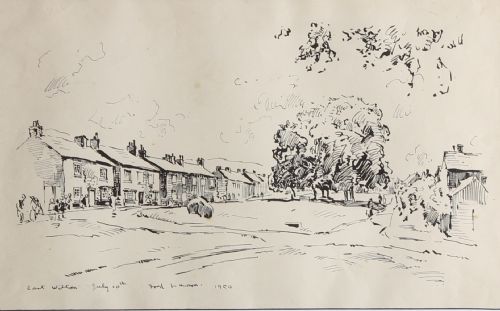
Antique English Watercolour
An antique english watercolour captures the shifting light of British coasts, country lanes and historic towns through delicate washes of pigment on paper.
Antique English Watercolour
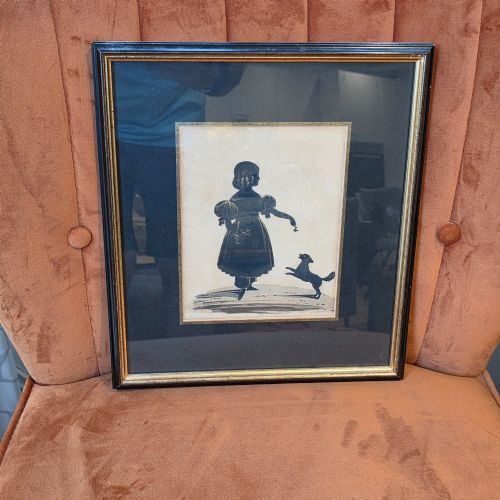
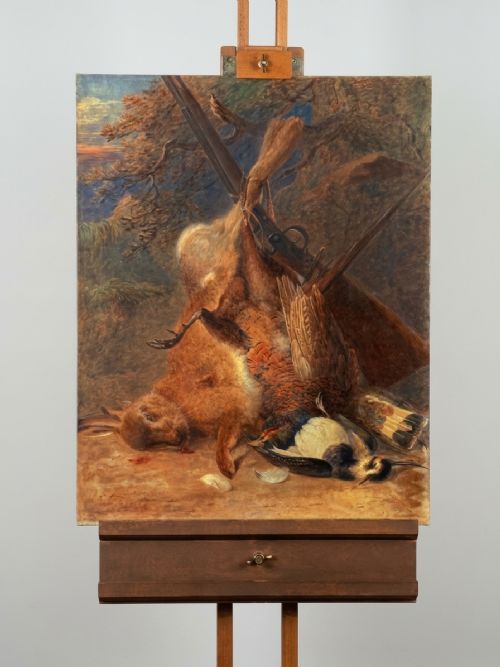
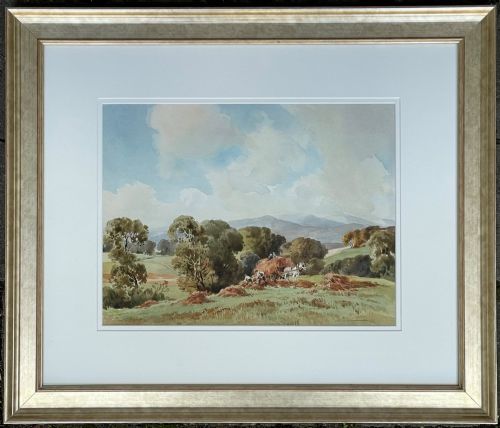
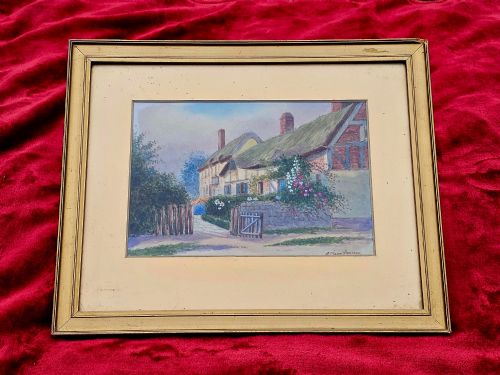
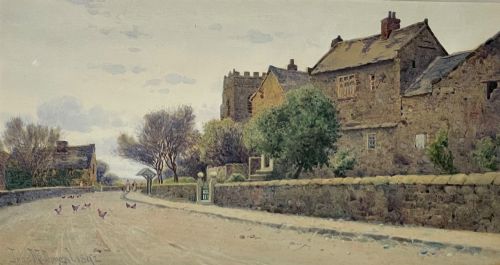
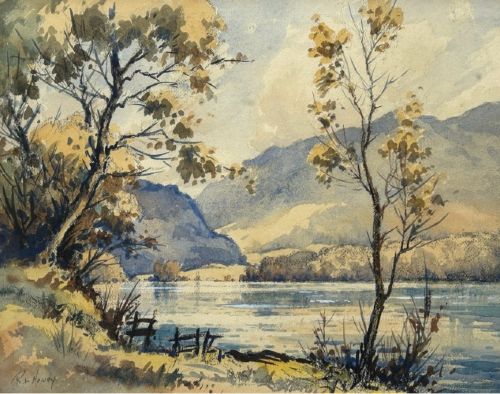
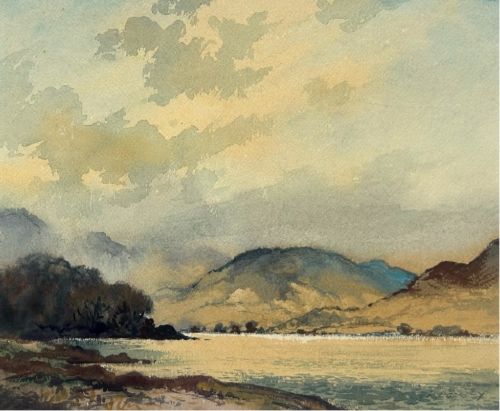
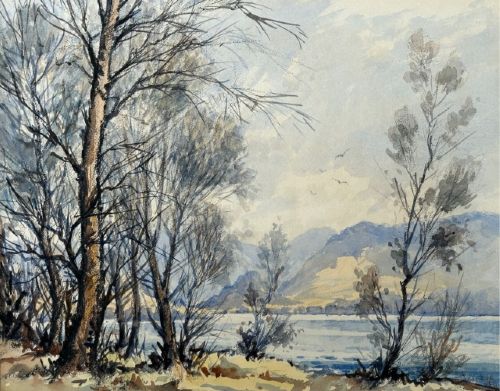
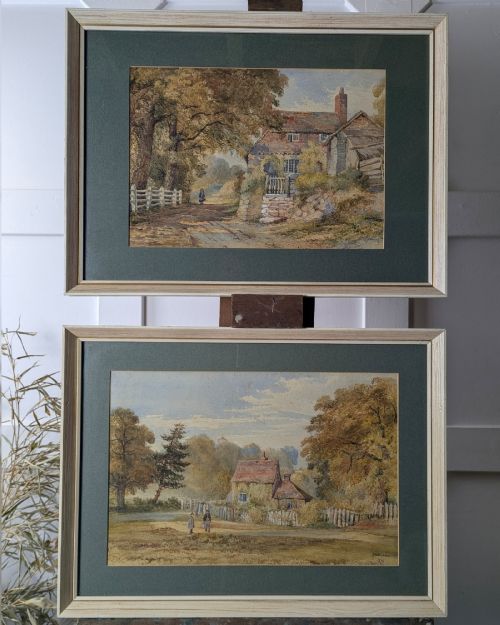
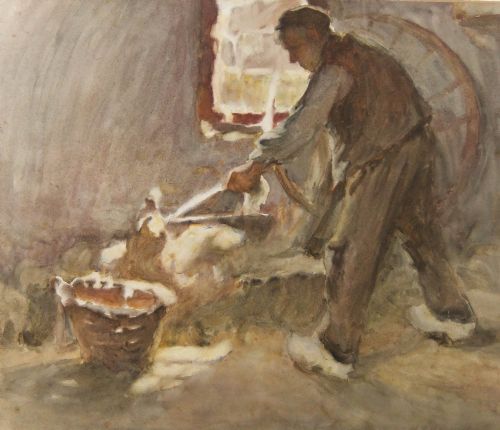
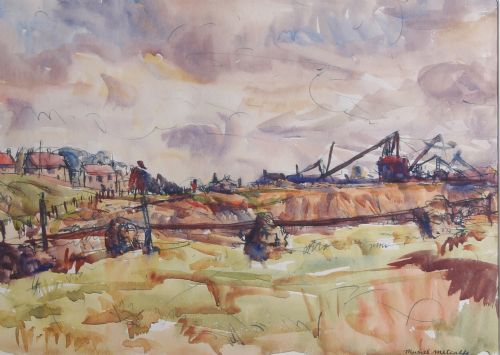
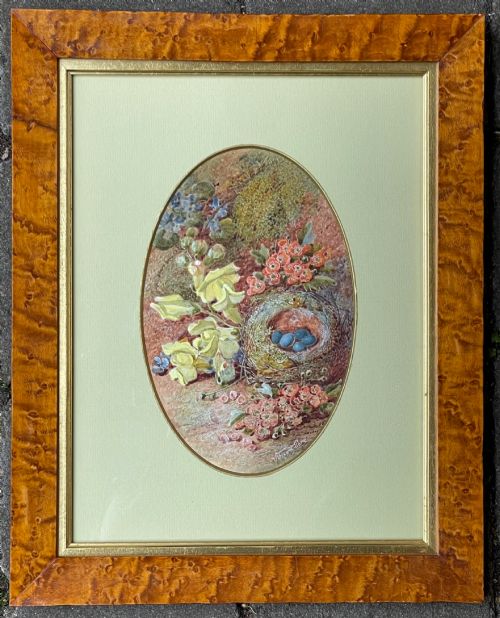
When searching for an antique english watercolour, buyers encounter original works spanning the nineteenth and early twentieth centuries, capturing traditional landscapes, coastal harbours, and domestic scenes. The pieces available range from detailed architectural studies and botanical arrangements to sweeping pastoral views and rustic village streetscapes.
Most examples originate from the Victorian and Edwardian eras, reflecting a period of intense artistic production across Britain. Artists captured local scenery from the Lake District to Cornwall, utilising transparent washes and occasionally bodycolour to build depth on paper.
Surviving works frequently appear in period framing complete with glass and gold leaf mounts. Buyers find everything from intimate village sketches to exhibition-scale paintings bearing the signatures of established regional artists and Victorian school painters.
How They Were Made
Painters applied watercolour pigment suspended in water onto heavy rag paper, sometimes combining pencil underdrawing and opaque bodycolour to sharpen highlights. Works were frequently protected behind glass within wooden frames finished in gold leaf.
The paper itself, often handmade from cotton or linen fibres, absorbs the wet washes directly, requiring confident brushwork from the artist since corrections remain difficult to hide.
Antique English Watercolour Retail Price Guide 2026
Typical asking prices for english watercolour among the pieces listed under this phrase on Sellingantiques today, from the lower quarter to the upper quarter. They describe what is for sale here now, not the wider market.
The inventory records pieces attributed to the Victorian and Edwardian periods alongside regional British schools.
What Varies in Quality
The strength of a piece rests upon the artist's handling of light and atmospheric depth, distinguishing a master composition from a routine topographical record. Superior works demonstrate confident brush control and a harmonious palette that preserves the luminous transparency characteristic of the medium.
Conservation history heavily influences overall standard, as prolonged exposure to direct sunlight causes fading in fugitive pigments. Original framing, stable paper support, and clear provenance or signatures further elevate individual works.
William James Hubard·George Sydney Shepherd·James Orrock·Alfred Young Nutt·Percy Lancaster·A Marie Parsons·John McDougal·William Banks Fortescue·Robert A Nottingham·Henry Silkstone Hopwood·Muriel Metcalfe·Vincent Clare·Robert Thorne Waite·John Smith Atherton·Joseph H Barnes·Ernest Arthur Rowe·Frederick Walker·George Oyston·Russell Sidney Reeves·Frederick Tatham·Bonomi Edward Warren·Robert Leslie Howey·John Sherrin·David Cox·Charles Henry Slater
The Antique English Watercolour Glossary
- Bodycolour
- Watercolour pigment mixed with a white filler to create an opaque paint, also known as gouache. Artists utilised this technique to add solid highlights and opaque details to landscape and still life paintings.
- Gilt Wood
- Wood carved and coated with a thin layer of gold leaf or metallic gilt finish. These frames protect the fragile paper works while adding period decorative appeal.
- Provenance
- The documented history of ownership surrounding an artwork. A clear chain of custody helps confirm attribution and authenticity.
- Wash
- A thin, fluid application of diluted watercolour pigment spread evenly across paper. Masters layered these transparent applications to build up atmospheric skies and water surfaces.
- Sketch
- A rapid preliminary drawing or painting capturing immediate observations outdoors. These spontaneous studies often reveal the direct working method of the artist.
Antique English Watercolour: Frequently Asked Questions
How do I care for an antique watercolour?
Keep works away from direct sunlight and high humidity to prevent pigment fading and paper degradation. Framing with acid-free backing materials preserves the paper over decades.
Display pieces on interior walls where environmental conditions remain stable. Professional framing services can also install UV-protective glass for added security.
Are these works signed by the artist?
Many examples bear the original signature or monogram of the painter, often found discreetly in a lower corner. Unsigned works frequently emerge from identifiable regional schools of the period.
Exhibition labels or inscriptions on the reverse side frequently provide additional clues regarding the creator and subject location.
What subjects are most common?
British landscapes, coastal fishing ports, and rural pastoral scenes dominate the surviving output of this period. Artists frequently documented local rivers, country cottages, and notable architectural landmarks.
Still life arrangements featuring fruit and botanical studies also appear regularly among nineteenth-century works.
How can I tell the Victorian pieces apart?
Victorian examples often display meticulous detail, rich narrative elements, and heavier gold leaf framing suited to interior display. Later Edwardian works tend toward looser brushwork and softer atmospheric effects.
Examining the paper type and framing construction often helps confirm the approximate decade of creation.