


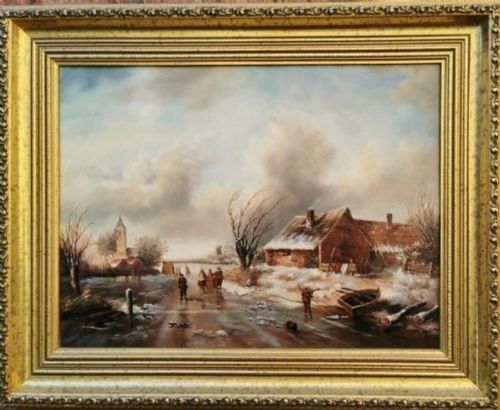
Traditional Landscape Wall Art
Traditional landscape wall art brings the outdoors inside through painted vistas of fields, rivers, and hills.
Traditional Landscape Wall Art
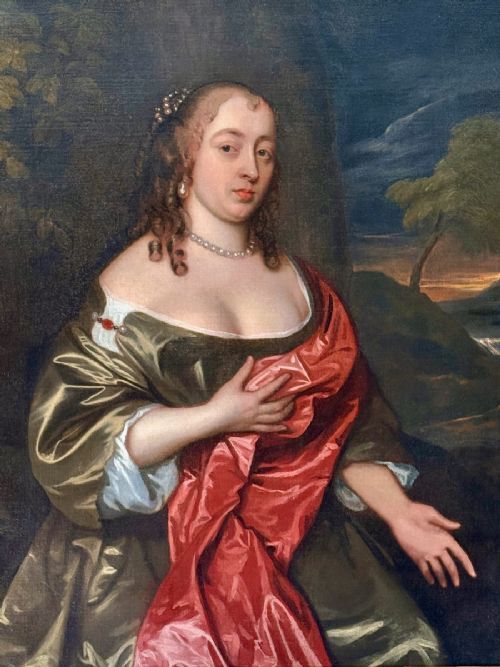
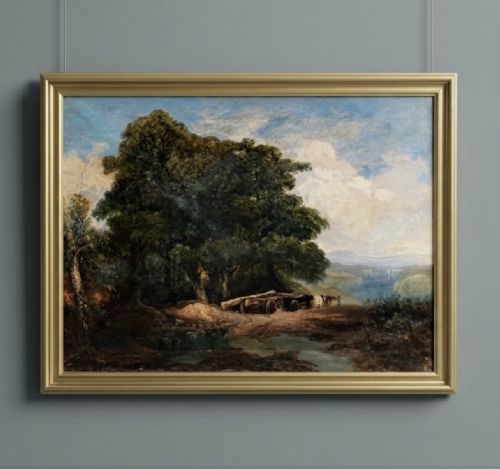
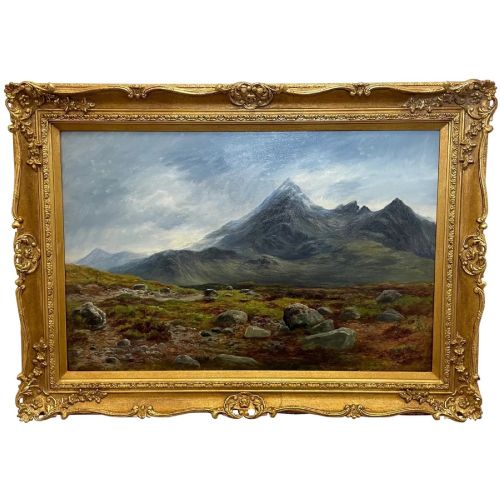
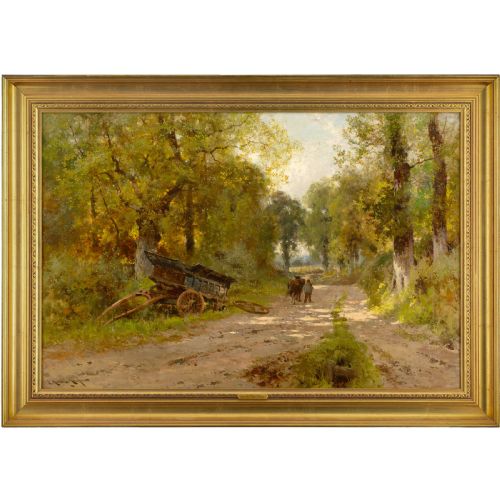
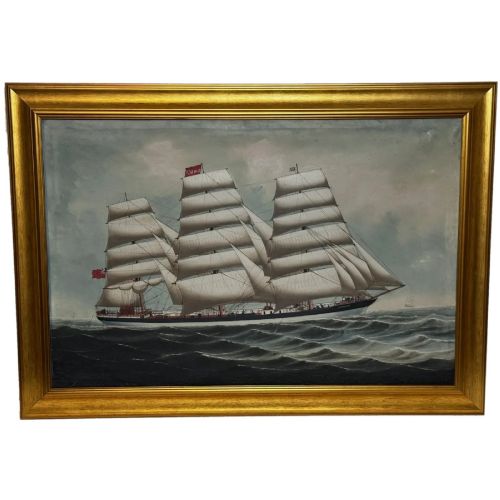
Traditional landscape wall art encompasses framed paintings and waterworks depicting natural scenery, rural life, and coastal views. These pieces capture historical countryside settings ranging from quiet woodland paths to sweeping Scottish highlands.
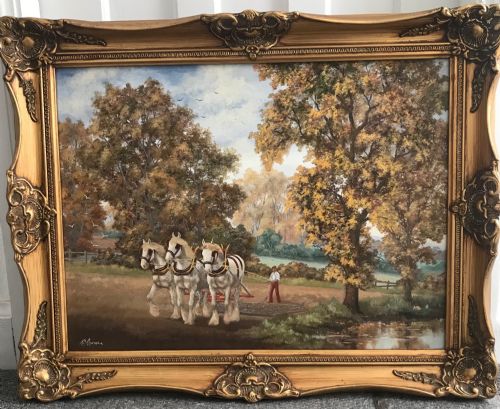
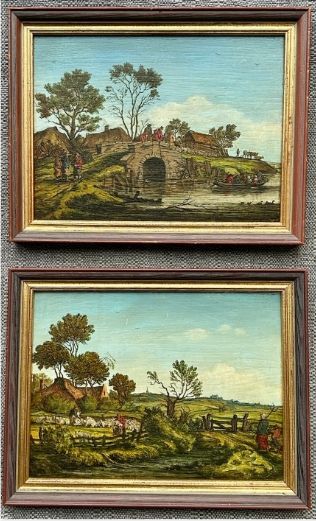
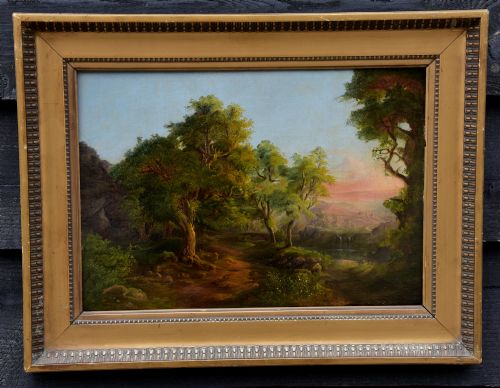
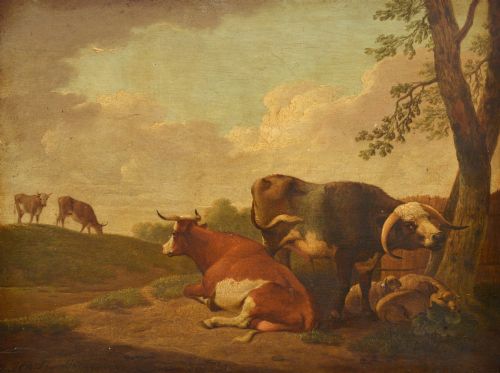
Buyers frequently encounter nineteenth-century oils on canvas and wood panels alongside early twentieth-century watercolours. The selections often feature pastoral scenes with cattle, sheep, or figures working the land.
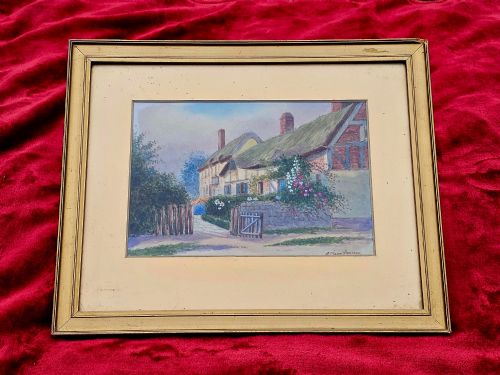
Works span various regional interpretations, including English school cottages, Scottish school mountain views, and Flemish style panels. Each piece reflects the specific topography and artistic conventions of its origin.
Materials and construction methods
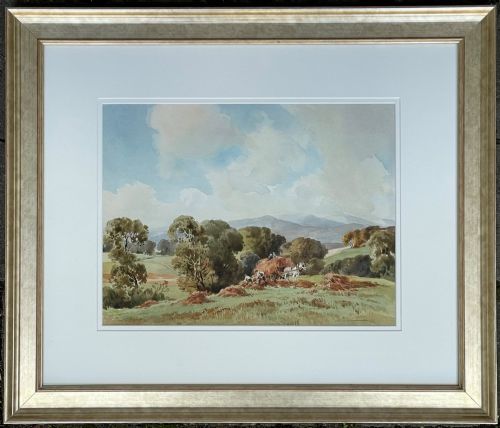
Artists painted primarily with oil on canvas, wood panels, or card, utilising rich pigments to build depth in skies and foliage. Watercolours on paper offer a lighter, translucent alternative often favoured for topographical views.
Frames typically consist of gilt wood or carved timber that complements the period of the artwork. Many original surrounds retain their historic gilding and framing structure.
Traditional Landscape Wall Art Retail Price Guide 2026
Typical asking prices for traditional landscape wall art among the pieces listed under this phrase on Sellingantiques today, from the lower quarter to the upper quarter. They describe what is for sale here now, not the wider market.
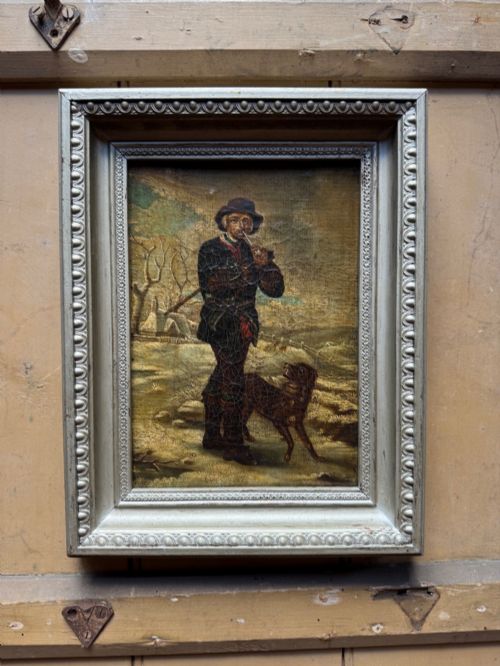
Several grumpy shire horses and attentive gun dogs manage to supervise the entire rural workforce across the centuries.
Factors that distinguish quality
Brushwork precision and atmospheric depth separate superior compositions from basic decorative works. Master painters create convincing light effects and natural textures in foliage, water, and animal forms.
The integration of figures and animals into the surrounding topography reveals the artist's skill in scale and perspective. Original period framing also contributes to the integrity of the piece.
John Hayls·Richard Sebastian Bond·William Beattie-Brown·Tom Campbell·Alfred Young Nutt·Percy Lancaster·John Horace Hooper·Reginald Arthur Borstel·Hendrik Willem Schweickhardt·Edward Mills·George Houston·William Banks Fortescue·Thomas Barker of Bath·Thomas W Lascelles·David Bates·Thomas Smythe·Walter Heath Williams·John Smith Atherton·Thomas Creswick·Johannes Lingelbach·Ernest Arthur Rowe·Henry H Parker·Robert Watson·George Wright
The Traditional Landscape Wall Art Glossary
- Oil on Canvas
- Pigment mixed with drying oil applied to stretched fabric. This medium allows for rich colour blending and textured brushwork.
- Wood Panel
- A rigid wooden support used instead of canvas. Artists frequently utilised panels for smaller nineteenth-century landscapes and Flemish style works.
- Watercolour
- Pigments suspended in a water-based solution applied to paper. This technique produces translucent washes and delicate details.
- Gilt Wood
- Carved timber finished with a thin layer of gold leaf or metallic gilt. It provides traditional ornamental framing for historic paintings.
- Scottish School
- A grouping of artists working in Scotland during the nineteenth and early twentieth centuries. Their works often highlight dramatic northern topography and highland life.
Traditional Landscape Wall Art: Frequently Asked Questions
What periods do these landscapes cover?
The selection spans from the seventeenth century through to the mid-twentieth century. Nineteenth-century works form a significant portion of the available paintings.
Examples also include eighteenth-century pieces and later twentieth-century interpretations of traditional subjects.
How were these paintings framed originally?
Many pieces retain their period gilt wood or timber frames. These surrounds were chosen to complement the artistic style of the canvas.
Original frames often show authentic historical wear that matches the age of the artwork.
What subjects appear in these scenes?
Common subjects include woodland paths, river valleys, coastal harbours, and agricultural fields. Human figures and animals such as cattle, sheep, and horses frequently populate the views.
Artists also recorded specific regional landmarks across Britain, Europe, and maritime settings.
Are watercolours common in this category?
Watercolour paintings on paper represent a distinct group alongside oil on canvas and wood panel works. These lighter compositions often capture detailed topographical views.
Artists utilised watercolours for preparatory sketches as well as finished exhibition pieces.