



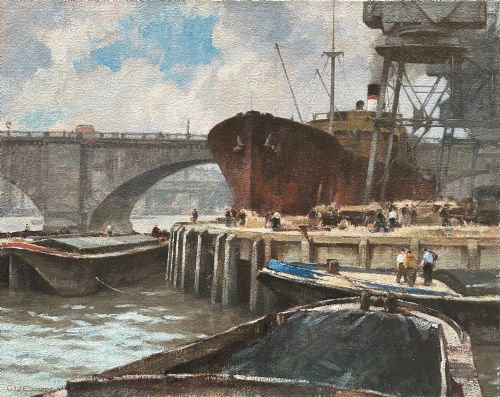
Antique River Scene Artwork
Antique river scene artwork brings the calm movement and historic atmosphere of waterways directly onto your wall.
Antique River Scene Artwork
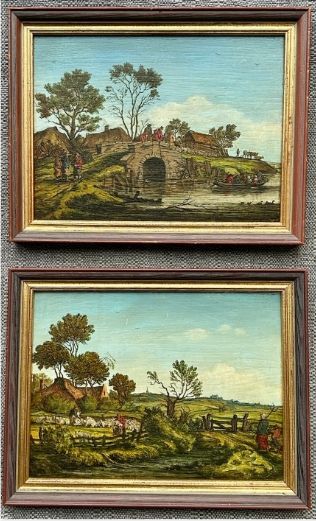
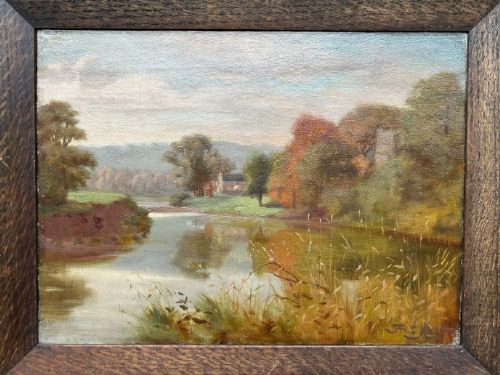
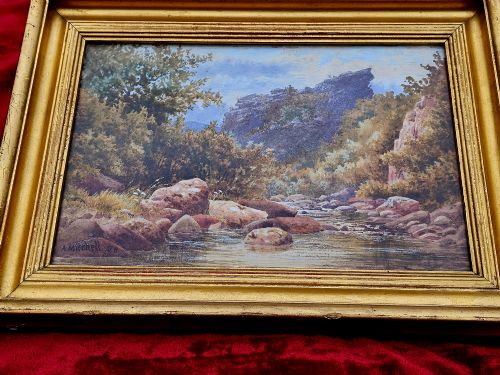
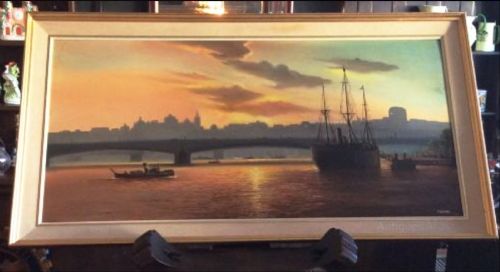
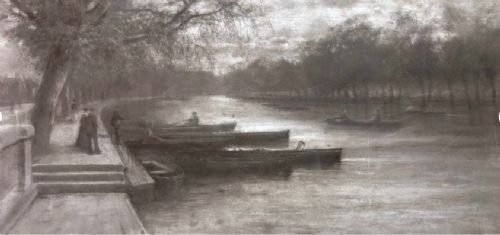
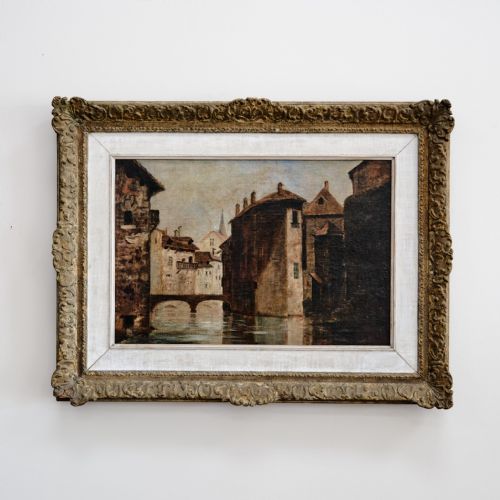
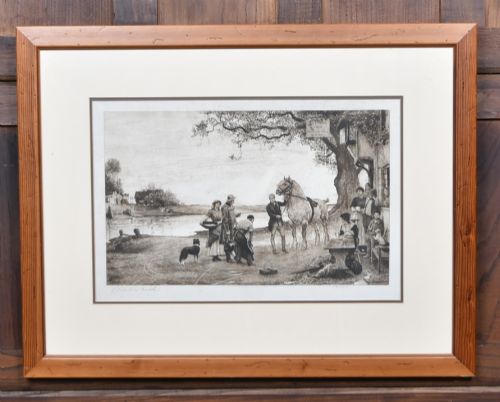
When you search for antique river scene artwork, you encounter framed paintings, watercolours, charcoal drawings and etchings capturing banks, bridges, and bustling waters. The selection spans the eighteenth, nineteenth and early twentieth centuries, reflecting changing tastes in landscape observation.
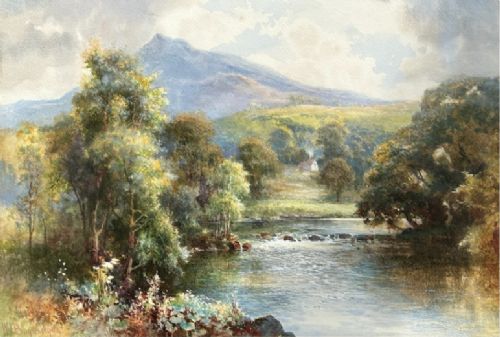
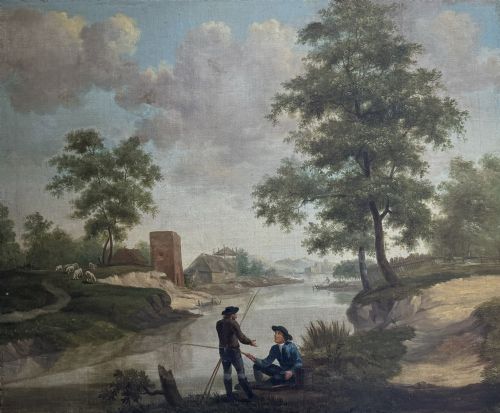
You are most likely to meet nineteenth-century watercolours and oil paintings on canvas or wood panels. These works range from intimate rural stream studies to panoramic city river views along the Thames or international waterways.
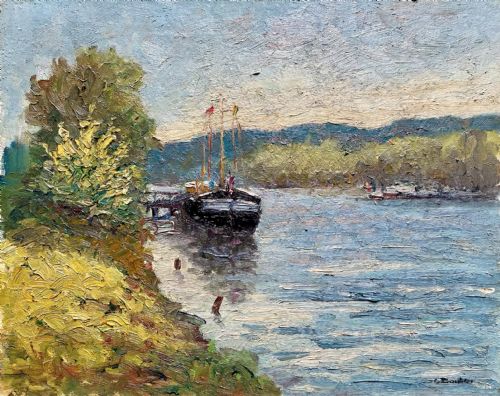
The assortment includes British and European regional schools, encompassing Victorian pastoral scenes, Dutch winter landscapes and French impressionist interpretations. Makers and circles of known artists appear alongside accomplished regional works.
How they were made
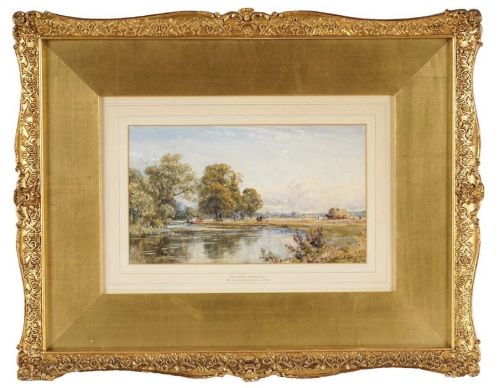
Artists painted primarily with oil paint on stretched canvas or wood panels, or applied watercolour pigments to paper supported by mounts and frames. Charcoal drawings and pen-and-ink works utilised prepared surfaces to capture tonal depth and delicate linework.
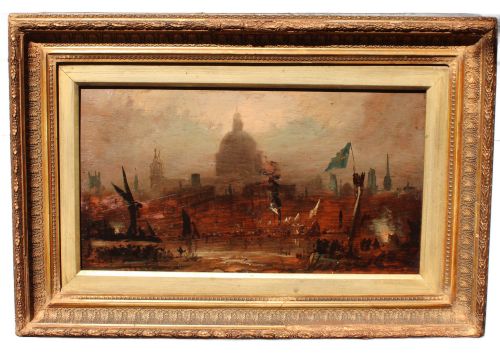
Giltwood frames with applied gesso mouldings frequently house these works, providing period-appropriate presentation. The physical construction combines traditional joinery in the stretching frames and protective backing papers or wooden boards.
Antique River Scene Artwork Retail Price Guide 2026
Typical asking prices for river scene artwork among the pieces listed under this phrase on Sellingantiques today, from the lower quarter to the upper quarter. They describe what is for sale here now, not the wider market.
The listings feature oil on canvas, wood panels, paper, and charcoal, reflecting diverse nineteenth- and twentieth-century artistic techniques.
What varies in quality
Quality rests upon the artist's command of light, atmosphere and perspective in rendering moving water and reflections. A superior composition balances the natural elements with the surrounding landscape, whereas lesser examples rely on formulaic repetition.
Material preservation significantly shapes the standing of a piece, distinguishing intact pigment layers and stable panels from heavily restored surfaces. The sensitivity of the framing and the original hand of the artist elevate certain works far above standard decorative productions.
Alfred Young Nutt·Frederick Marriott·William Joseph Boyes·Robert W. Macbeth·Robert Thorne Waite·Albert Bierstadt·Henri Ottmann·George Oyston·Herbert Royle·Florence Adelina Hess·T C Hofland·Henry H Parker·T. Bergman·Frederick Hines·Hubert Wellington·Honore Cavaroc·Archibald Kay·Henri Jaques Delpy
The Antique River Scene Artwork Glossary
- Watercolour
- A painting method where fine pigment is suspended in a water-soluble binder, traditionally applied to absorbent paper. It allows for translucent washes that suit the depiction of light on water.
- Gesso
- A plaster-like mixture applied to wooden frames or panels to prepare a smooth surface for gilding or painting. It provides the foundation for intricate moulded decorative details.
- Giltwood
- Wood carved and coated with a thin layer of gold leaf or metallic powder. It was widely used for framing nineteenth-century paintings to enhance their visual depth.
- Panel
- A solid flat piece of wood used as a rigid support for oil paintings before canvas became universal. Wooden boards offered stability for detailed regional landscapes.
Antique River Scene Artwork: Frequently Asked Questions
What periods do these river scenes cover?
The works span from the eighteenth century through the Victorian era and into the early twentieth century. This timeline captures shifts from classical topographical views to impressionist and romantic interpretations.
Most surviving pieces originate from the nineteenth and early twentieth centuries, reflecting an era of heightened artistic interest in rural and industrial waterways.
How were these watercolours and oils displayed?
Historically, these artworks were framed in timber mouldings, often enhanced with giltwood and gesso ornamentation. They hung in domestic parlours, country houses and institutional offices to bring natural scenery indoors.
The inclusion of original framing materials often helps preserve the historical context of the piece alongside the artwork itself.
How do I care for antique paper and canvas?
Works on paper, particularly watercolours and charcoal drawings, require protection from direct sunlight to prevent fading. Maintaining stable humidity levels prevents warping in both paper supports and wooden panels.
Displaying pieces away from excessive heat sources and damp environments ensures the longevity of fragile pigments and historic frames.
How can I distinguish regional schools?
Regional schools often reveal themselves through distinct atmospheric conditions and architectural subjects, such as Dutch canals or British riverbanks. Palette choices also vary, with Dutch works often emphasising muted, freezing tones and French pieces exploring lighter impressionist brushwork.
Signatures, framing styles and subject matter provide further clues to the geographic origin of the artist.