


Grey Sky Oil Painting
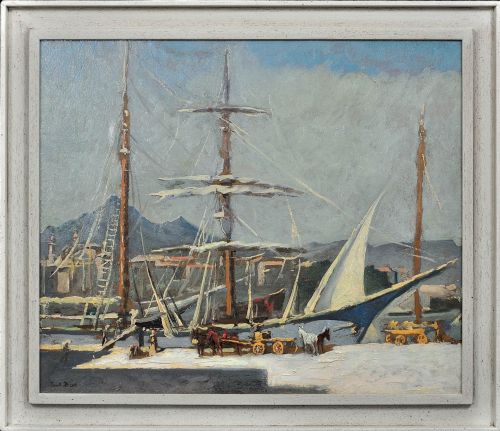
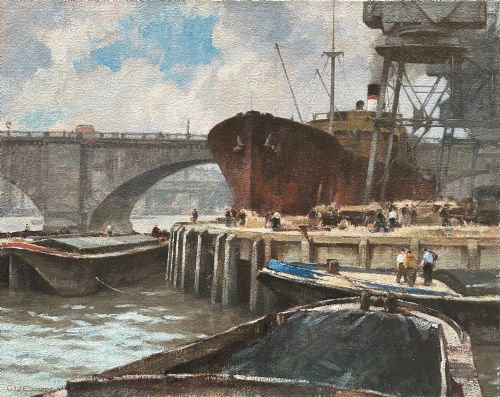
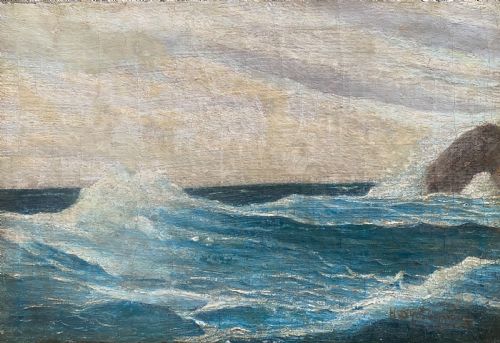
A grey sky oil painting captures the atmospheric light of British landscapes, rural lanes and coastal harbours through expressive brushwork.
Grey Sky Oil Painting
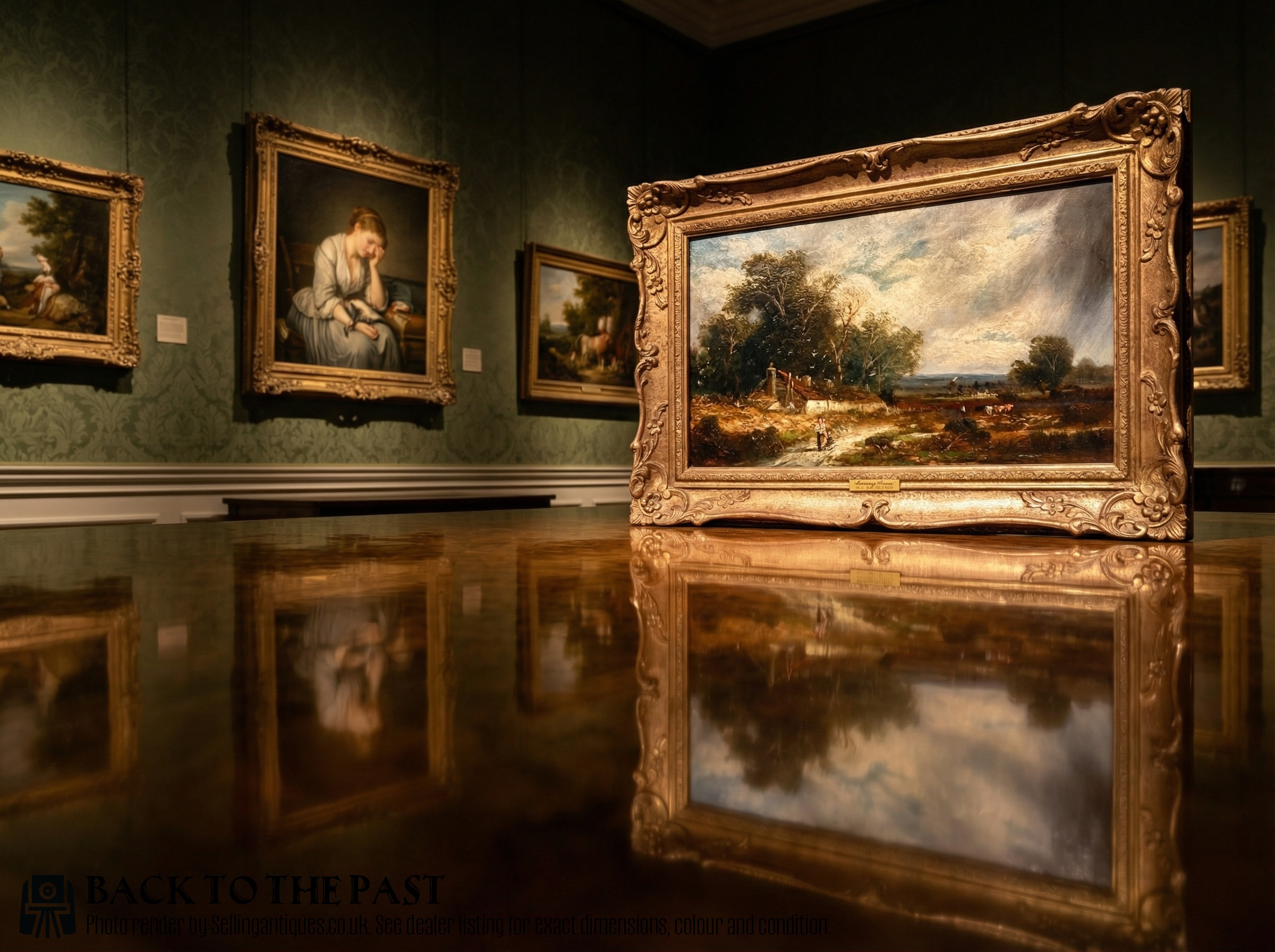
A grey sky oil painting focuses on overcast atmospheres, maritime conditions and muted light over land and water. These works emerge largely from the nineteenth and twentieth centuries, spanning periods from Georgian origins through Edwardian and modernist eras.
Most examples on this page take the form of landscape paintings, seascapes and harbour views. Regional scenes from Yorkshire, Scotland and the Thames sit alongside continental views from France, Italy and Belgium.
The aesthetic leans towards British Impressionism, Post-Impressionism and twentieth-century realism. Painters use the tonal shift of a heavy sky to unify the composition of fields, estuaries and city bridges.
Materials and technique
Artists apply oil paint directly onto stretched canvas, wooden panels or boards. The medium allows for thick impasto strokes to build clouds and water texture, or thin glazes for hazy horizons.
Support frames typically consist of wood, often retaining period wood frames that complement the heavy atmosphere of the painted surface.
Grey Sky Oil Painting Retail Price Guide 2026
Typical asking prices for grey sky oil painting among the pieces listed under this phrase on Sellingantiques today, from the lower quarter to the upper quarter. They describe what is for sale here now, not the wider market.
Several canvases capture chilly northern waters where horses, hounds and shipping share the damp air.
Distinctions in quality
Quality rests upon the artist's command of tone and atmospheric perspective within a restricted grey palette. Superior handling gives weight and movement to clouds and water rather than flat application.
The integration of the sky with the landscape below determines the success of the composition. Stronger works balance the overcast light across the entire canvas without losing tonal depth.
Paul Bret·Cyril Walduck Edwards·Herbert Royle·William Grant Murray·Ernest Higgins Rigg·Florence Hess·Paul Jones·William Miller Frazer·Kershaw Schofield·Paul Jean Clays·Owen Bowen·Nora Munro Summers·Donald Wood·W.E.Atkinson·Bertram Priestman·James William Booth·Henri Joseph Harpignies
The Grey Sky Oil Painting Glossary
- Impressionism
- A style of painting emphasising light and ordinary subject matter with visible brushstrokes. This approach suits shifting weather and overcast daylight.
- Panel
- A flat piece of wood used as a rigid support for painting instead of canvas. Artists often worked on panel for smaller landscape studies.
- Impasto
- Paint applied thickly to a surface, standing out in relief. This technique brings texture to heavy clouds and rough seas.
- Canvas
- A closely woven fabric stretched across a wooden frame to form the painting surface. It provides the standard support for oil works from the nineteenth century onward.
Grey Sky Oil Painting: Frequently Asked Questions
What periods do these paintings date from?
The works span from the eighteenth century through the nineteenth century and into the mid-twentieth century.
Most examples cluster around the Victorian, Edwardian and early modernist decades.
Are the frames original to the paintings?
Many pieces retain period wood frames that match the age of the canvas.
Framing styles vary from simple mouldings to heavier gilt or wood surrounds appropriate to each era.
What subjects appear most often?
Landscapes, river scenes and coastal harbours form the primary subjects.
Views frequently feature regional British locations alongside continental European settings.
How should I clean an oil painting?
Surface dust should be removed gently with a soft dry brush.
Professional conservators should handle deeper cleaning or varnish removal to protect the paint layer.