

Original Maritime Canvas Art
Original maritime canvas art captures centuries of seafaring heritage, coastal views, and naval battles through enduring oil paint.
Original Maritime Canvas Art
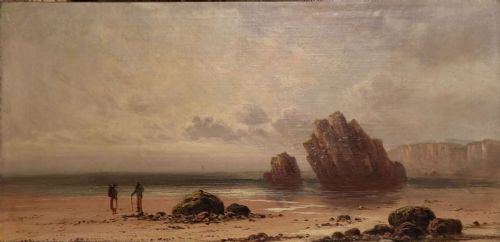
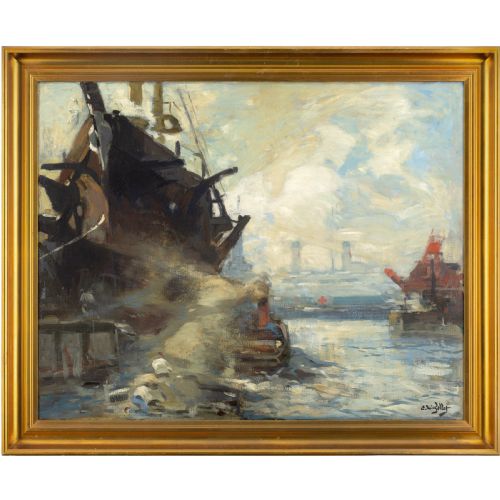
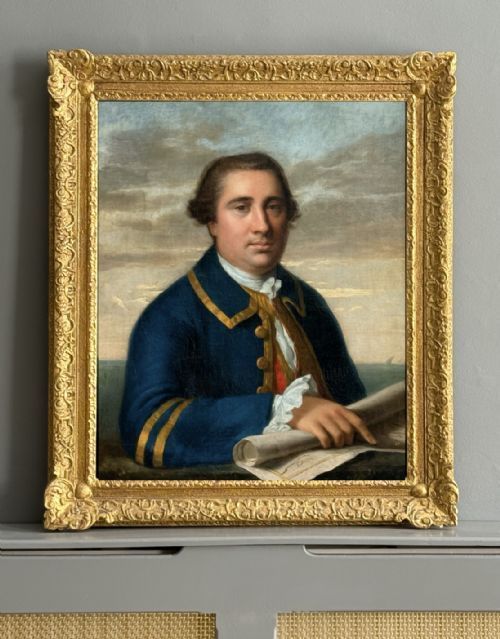
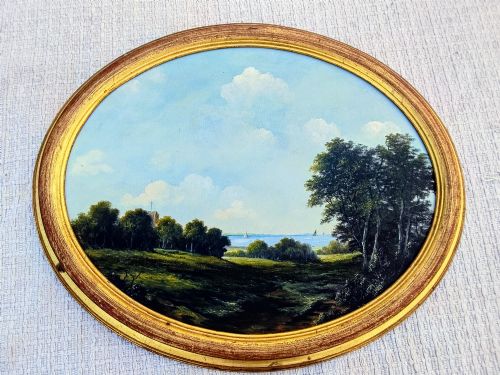
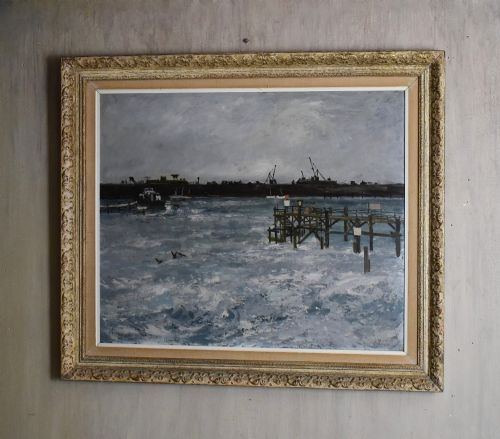
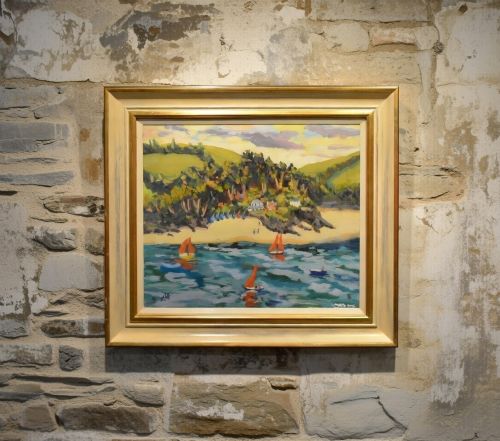
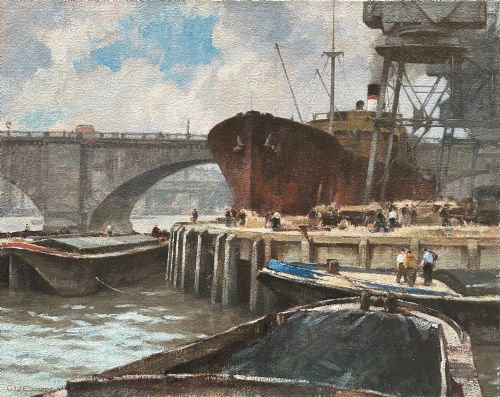
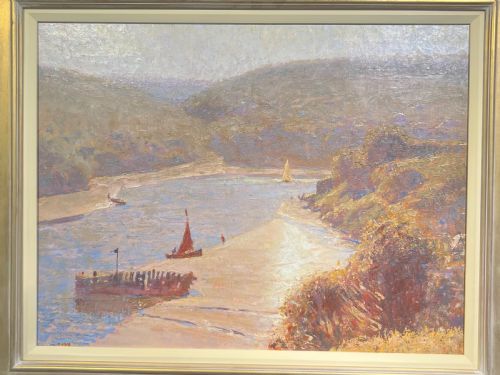
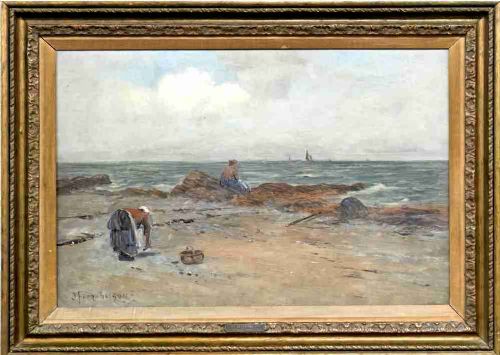
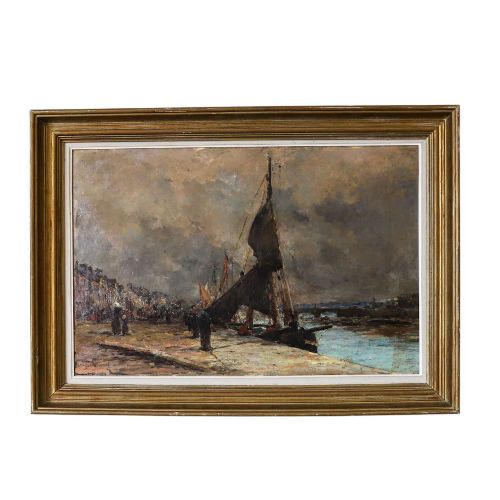
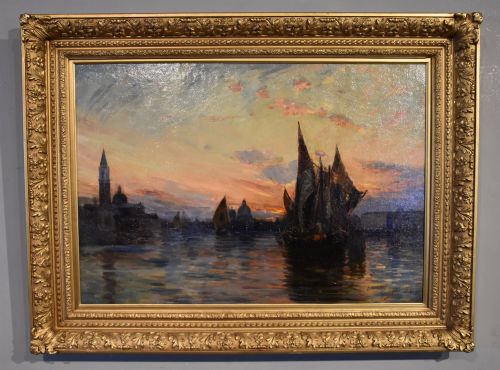
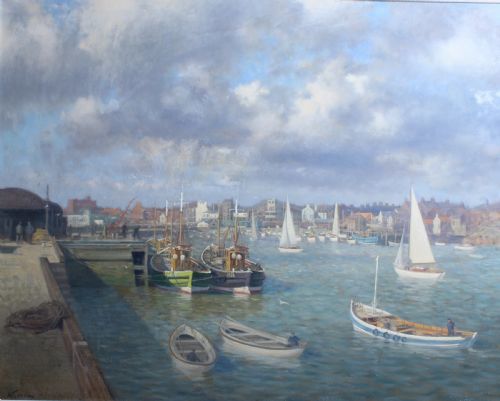
Original maritime canvas art encompasses oil paintings on stretched fabric depicting coastal scenes, harbours, ships at sea, and portraits of naval figures. These works range from eighteenth-century depictions of warships to mid-twentieth-century post-impressionist harbour views.
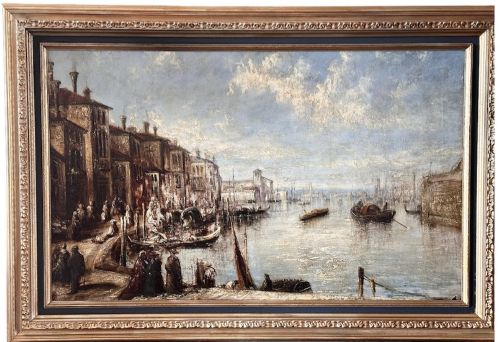
Buyers browsing this selection will frequently encounter nineteenth-century coastal landscapes and twentieth-century British and French impressionist works. The pieces vary widely in scale and subject, moving from quiet estuaries and fishing ports to dramatic open ocean engagements.
Materials and Technique
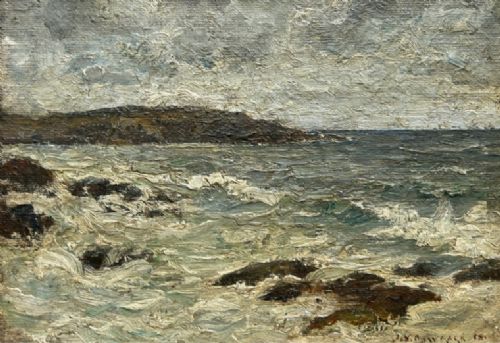
Artists create these works utilising oil paint applied directly to woven canvas, occasionally mounting them on wooden stretchers or boards. The medium allows for both smooth, realistic glazing and thick, textured impasto strokes that capture the movement of water and clouds.
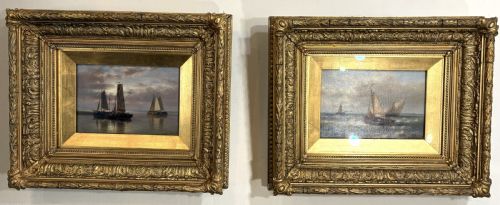
Many surviving pieces retain their period frames constructed from wood, frequently finished with a gilt surface to complement the composition. The combination of durable oil pigments and sturdy canvas supports has allowed these paintings to survive across multiple centuries.
Listings span from the eighteenth century to the late twentieth century, featuring oil paints on canvas, wood, and board.
Assessing Quality
Quality in these paintings rests primarily upon the artist's command of light, atmospheric perspective, and maritime anatomy, such as the correct rigging of vessels. Works by documented painters with established exhibition histories generally exhibit superior brushwork and compositional balance.
The integration of the canvas within its period frame also influences the overall standing of a piece. Original gilt wood frames that complement the painting without distracting from the maritime subject matter elevate the historical integrity of the work.
Kenneth Cozens·Eugène-Louis Gillot·Lemuel Francis Abbott·Francis Moltino·Joseph Farquharson·Abraham Hulk I·Charles Napier Hemy·Louis Suire·Gyrth Russell·Jean-Baptiste Olive·Gustave De Bréanski·Edward Henry Eugene Fletcher·Edward Seago·Donald McIntyre·Armand Guillaumin
The Original Maritime Canvas Art Glossary
- Impasto
- Paint applied thickly to a canvas, standing out in relief from the surface. This technique allows the artist to build physical texture into crashing waves or cloudy skies.
- Gilt wood
- Wood coated with a thin layer of gold leaf or metallic gilt pigment. This material frequently appears on nineteenth-century frames surrounding marine paintings.
- Seascape
- A work of art depicting the sea, coastal views, or ships operating upon open water. These compositions form the core of maritime painting collections.
- Post-Impressionism
- An art movement extending French impressionism while rejecting its limitations, focusing on vivid colours and distinct brushstrokes. Works in this style often interpret harbours and coastal towns with expressive freedom.
Original Maritime Canvas Art: Frequently Asked Questions
What subjects do these paintings cover?
These works depict a wide array of nautical and coastal subjects, ranging from busy commercial harbours and quiet fishing villages to dramatic naval engagements involving eighteenth-century warships. Other common motifs include merchant vessels, barges on rivers, and portraits of captains.
Artists also frequently explored the changing light on estuaries, beaches, and coastal cliffs across Britain and continental Europe.
How should I care for an oil painting on canvas?
Keep the canvas away from direct sunlight and drastic shifts in temperature or humidity, which can cause the oil paint and wood supports to warp or crack. Display the artwork on a stable interior wall supported by appropriate fixings.
Dust the surface gently with a soft, dry brush and avoid using chemical cleaning solutions or water on either the canvas or the frame.
How can I tell the age of a maritime painting?
Dating relies on stylistic clues, the type of canvas weave, stretcher construction, and signatures or biographical records of the artist. Eighteenth-century works often show tighter canvas preparations and specific naval riggings, while twentieth-century pieces may adopt impressionist or modernist brushwork.
Examine the reverse of the canvas and the frame for any remnants of old gallery labels, exhibition stamps, or inscriptions left by previous owners.
Were these paintings created outdoors?
While some nineteenth-century and twentieth-century artists painted direct studies outdoors, known as plein air painting, finished marine and coastal works were frequently completed in studios using preliminary sketches. Artists relied on their deep familiarity with coastal weather and vessel architecture to build convincing compositions.
Studio work allowed painters to manage large canvases and complex lighting effects, particularly when depicting historical naval battles or intricate harbour scenes.