



Vintage Sailing Ship Painting
A vintage sailing ship painting brings the power of maritime history into a room through canvas, paper, and pigment.
Vintage Sailing Ship Painting
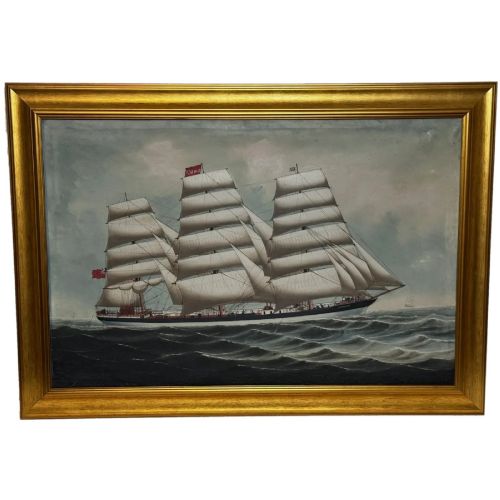
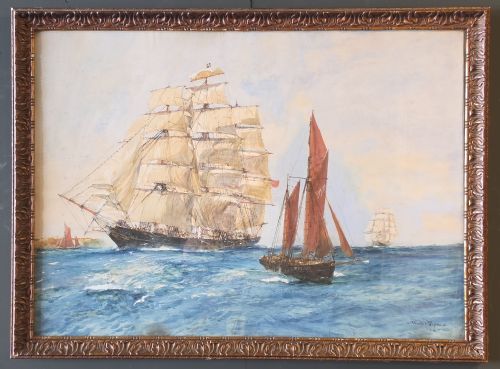
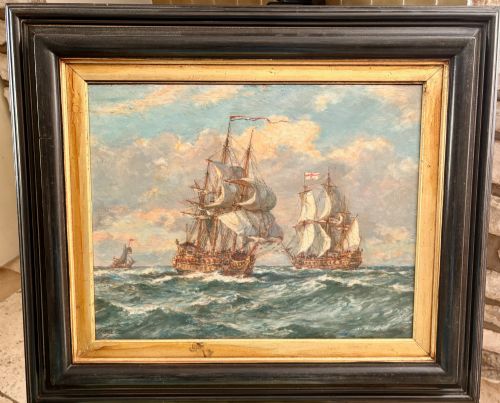
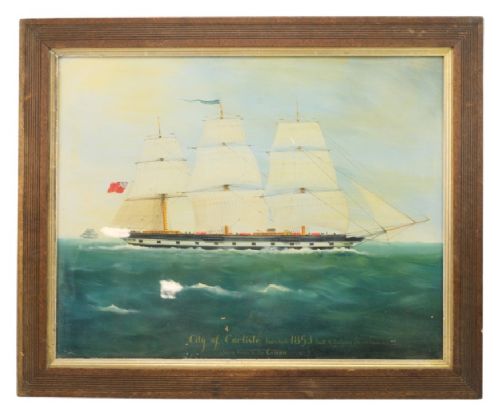
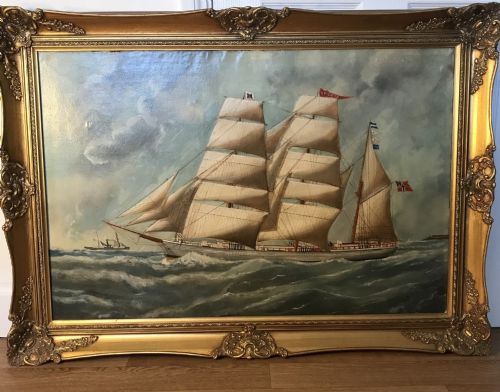
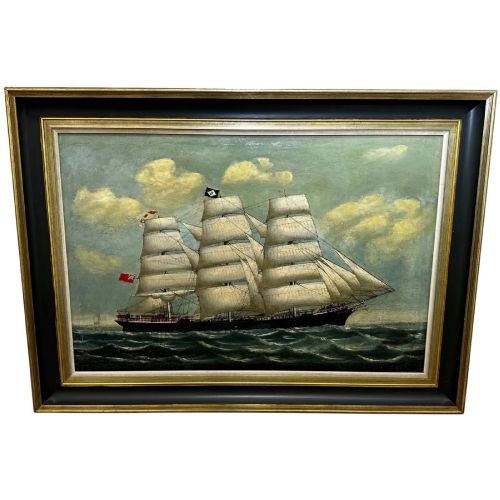
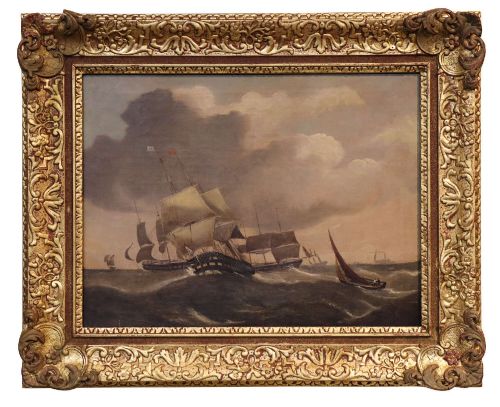
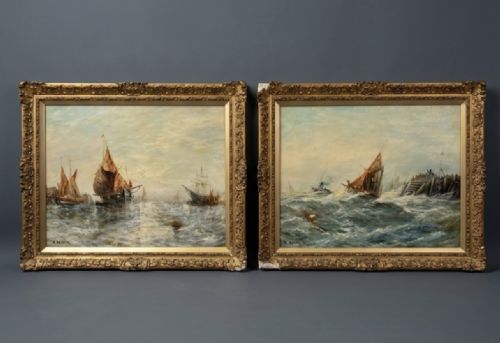
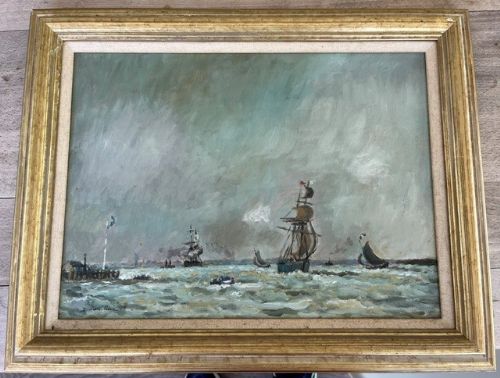
A vintage sailing ship painting captures vessels ranging from majestic three-masted schooners and clippers to modest fishing boats navigating open waters. Buyers searching this phrase encounter works that span the Victorian era, the Edwardian period, and the early decades of the twentieth century.
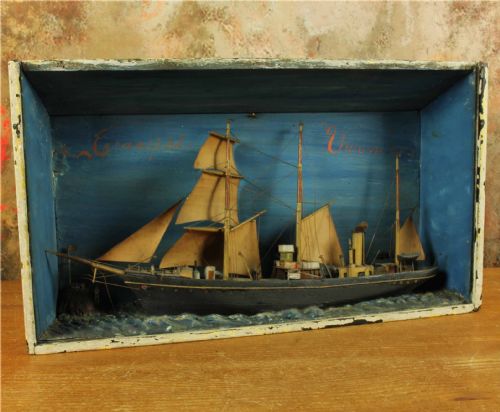
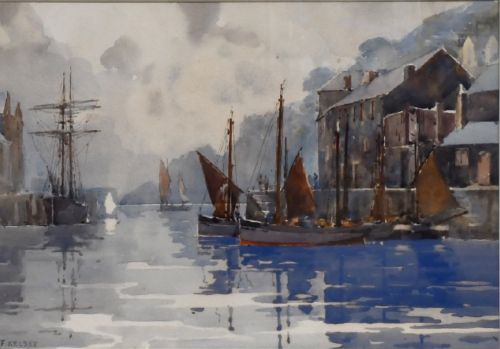
The selections on this page encompass framed wall art, detailed oil paintings on canvas or board, and delicate watercolours. Alongside traditional flat canvases, one finds shadow box dioramas and handmade boat models that extend maritime imagery into three dimensions.
Originating predominantly from British and European hands, these pieces record named vessels like the Cutty Sark or historical scenes of ships in heavy seas and coastal harbours. They reflect a persistent fascination with the romance and peril of the age of sail.
How they were made
Artists applied oil paint or watercolour onto supports of canvas, paper, wood, board, and card to build these coastal scenes. Many works utilise traditional oil on canvas, while others rely on the fluid transparency of watercolour paint applied with precise brushwork.
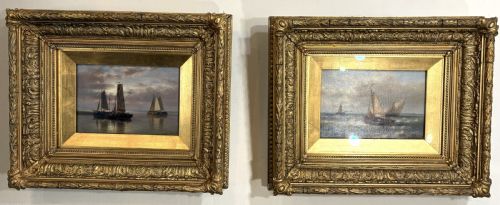
Framing often incorporates original wood mouldings, occasionally accented with gold leaf or housed within gilt frames that complement the maritime subject matter. Dioramas combine carved wooden boat models with painted paper backgrounds enclosed behind glass boxes.
Several artists clearly spent too much time watching waves, as their painted foam looks remarkably like whipped cream ready for tea.
What varies in quality
The strength of a composition rests on the artist's command of maritime architecture, rigging detail, and the atmospheric rendering of stormy or calm seas. Skilled hands capture the weight of a hull and the tension of canvas in a stiff breeze with convincing proportion.
Condition depends upon the preservation of the original support, whether canvas, board, or paper, and the stability of the pigment over time. Pieces retained in period frames with intact glazing or original surface patination carry greater historical integrity.
Reginald Arthur Borstel·Charles Edward Dixon·Bernard Gribble·Lai Fong·Frank Kelsey·Abraham Hulk I·William Frederick Settle·Thomas Bush Hardy·William Wyld·Dion Pears
The Vintage Sailing Ship Painting Glossary
- Watercolour
- A paint consisting of pigment suspended in a water-based solution, typically applied to paper to achieve translucent washes of light and colour.
- Oil on Canvas
- A technique where slow-drying oil paint is worked onto a stretched woven fabric surface, allowing for rich texture and deep tonal gradation.
- Shadow Box Diorama
- A three-dimensional display enclosed in a glazed box, combining carved or modelled ship hulls with painted backgrounds to create realistic depth.
- Gilt Frame
- A wooden picture surround coated with a thin layer of gold leaf or metallic gilding, common in nineteenth-century presentation pieces.
Vintage Sailing Ship Painting: Frequently Asked Questions
What subjects do these maritime paintings show?
These works depict a wide variety of vessels, including majestic three-masted clippers, Royal Navy warships, fishing boats, and commercial barques at sea. Many capture specific historical ships or dramatic coastal scenes during stormy weather.
Artists also recorded quieter moments, such as vessels anchored near lighthouses, navigating rivers, or passing bustling ports like Hong Kong and the River Medway.
How do I date a vintage marine painting?
Dating relies heavily on the style of the rigging, the design of the watercraft, and the signatures or attribution notes left on the canvas or board. Nineteenth-century works often feature detailed square-rigged ships, while later twentieth-century pieces show evolving coastal craft.
Frame styles, paper types, and period inscriptions on the reverse provide additional clues to place a piece within the Victorian, Edwardian, or later eras.
Where should I hang a maritime painting?
These works suit traditional studies, living rooms, and hallways where their nautical themes can serve as a striking focal point. Pairing them with natural wood furnishings or period decor enhances their historic character.
Protecting the canvas, paper, or delicate shadow box dioramas from direct sunlight preserves the original pigments and prevents fading over time.