



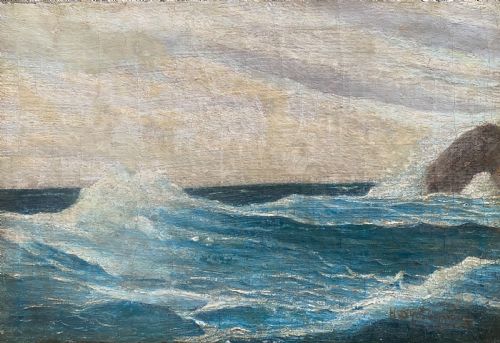
Blue Canvas Seascape Art
Blue canvas seascape art brings the movement of open water and coastal air indoors through oil paint applied directly to woven fabric.
Blue Canvas Seascape Art
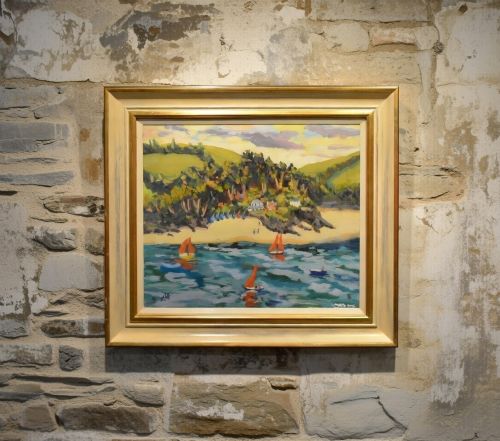
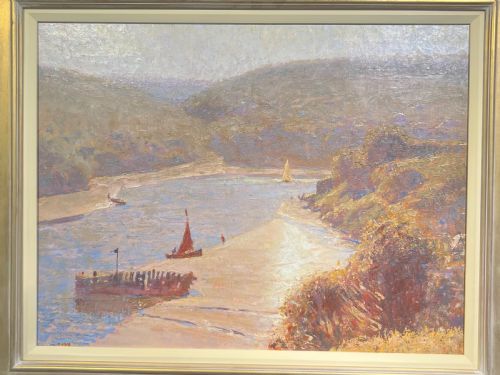
Blue canvas seascape art encompasses maritime oil paintings created across the nineteenth and twentieth centuries, capturing coastal views, harbour scenes, and deep water navigation. Collectors find works ranging from traditional maritime documentation to Post-Impressionist coastal interpretations.
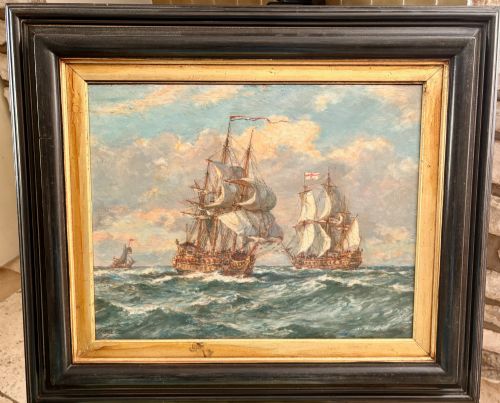
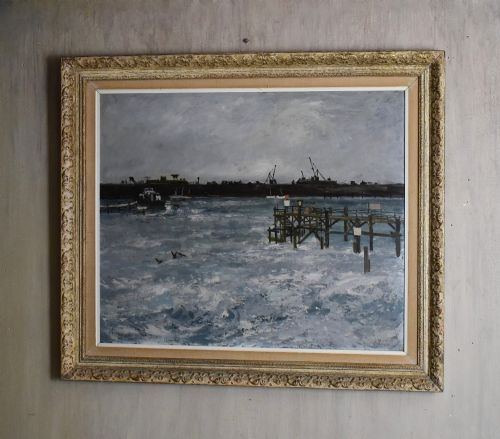
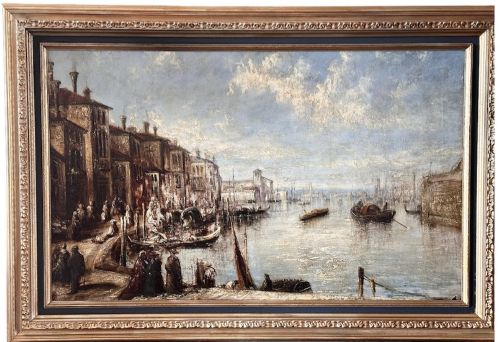
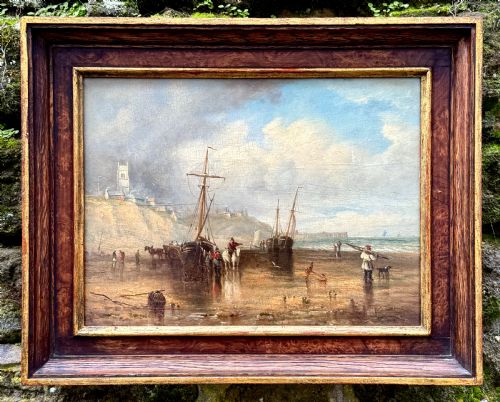
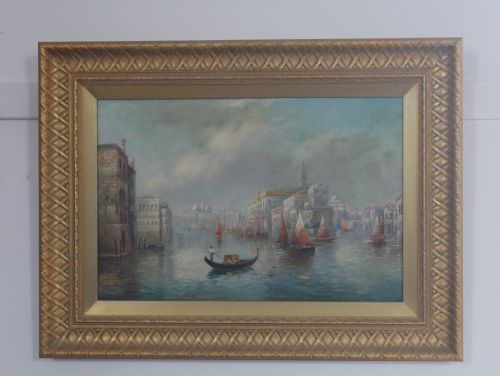
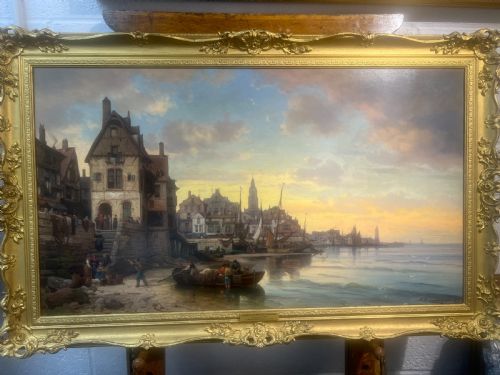
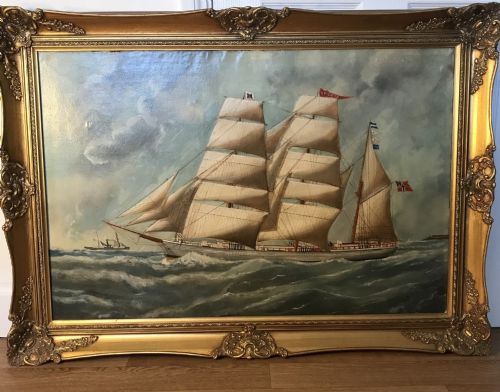
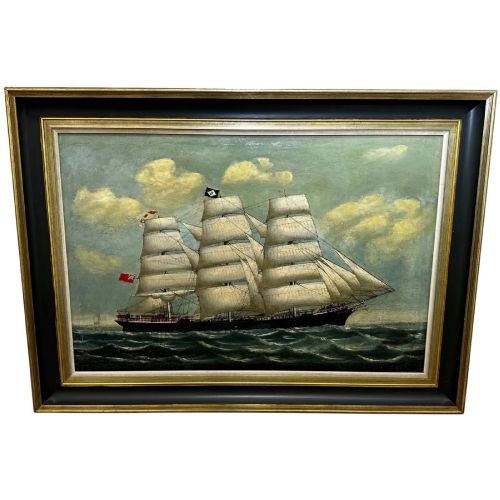
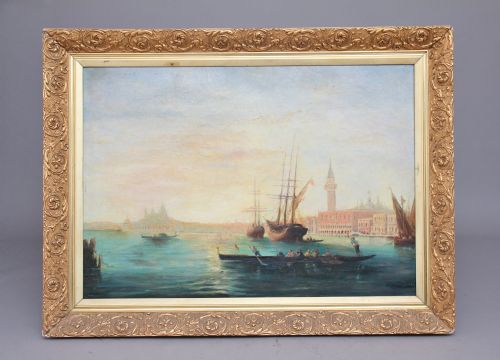
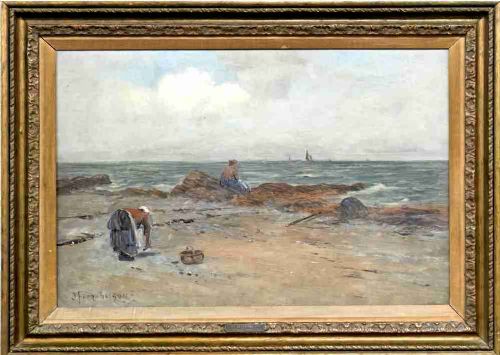
The selection on this page relies heavily on nineteenth-century academic marine painting alongside mid-twentieth-century examples. Works span British, French, and Russian hands, recording specific estuaries, Venetian lagoons, and open ocean swells.
Framed formats dominate the selection, frequently presented within period wood and gilded wood mouldings that complement the maritime subjects. The palette leans into natural oceanic tones, balancing deep ultramarine waters with lighter coastal atmospheres.
Materials and construction
Painters utilised oil paint layered onto stretched canvas supports, sometimes building thick impasto textures to describe choppy waves or rocky shores. The interaction between oil medium and woven canvas allows for subtle blending of marine light and deep water shadows.
Surviving works are typically housed in their original or period-appropriate wood frames, often finished with gilt wood or carved detailing. These frames provide structural support while framing the coastal perspective.
Sailors occasionally watched painters from the dock, hoping their three-masted barque had correct rigging.
Distinctions in quality
Quality rests upon the artist's command of maritime atmosphere, light, and anatomical accuracy regarding rigging, hull construction, and water movement. Superior examples demonstrate confident brushwork that conveys the weight of a swell or the specific quality of coastal air.
The handling of the canvas preparation and the preservation of the original oil pigments dictate longevity and visual depth. Stronger pieces maintain clear provenance and tonal harmony without excessive later restoration obscuring the creator's hand.
Bernard Gribble·Peter Brannan·Francis Moltino·Bernard Benedict Hemy·Thomas Creswick·Charles Euphraisie Kuasseg·Lai Fong·Joseph Farquharson·Dubovsky·William Henry Williamson·Walter Goodin·Elisabeth Bardon·Edward Matthew Elliott·Charles Napier Hemy·Louis Suire·Helen Layfield Bradley·Gustave Vidal·Gyrth Russell·Jean-Baptiste Olive·George Turland Goosey·Norman Lloyd·Gustave De Bréanski·Daniel Sherrin·Stanley Leader·George Shaw
The Blue Canvas Seascape Art Glossary
- Impasto
- Paint applied thickly to a canvas, standing out in relief from the surface. This technique allows artists to render the tangible texture of crashing waves or rugged coastal rock formations.
- Maritime Realism
- An artistic movement focused on accurate depiction of ships, coastal topography, and marine weather conditions. Practitioners prioritized observational precision over loose interpretation.
- Post-Impressionism
- A French art movement developing roughly from the late nineteenth century, extending Impressionist use of vivid colour and thick application. Artists applied these principles to Mediterranean harbours and coastal cliffs.
- Gilded Wood
- Wood frames or decorative elements coated with a thin layer of gold leaf or metallic powder. This finish was standard for framing significant nineteenth and twentieth-century oil paintings.
Blue Canvas Seascape Art: Frequently Asked Questions
What periods do these seascapes come from?
The available selection spans from the mid-eighteenth century through the Victorian era and into the mid-twentieth century. Works reflect changing artistic approaches to marine subjects over two hundred years.
Nineteenth-century pieces focus on precise maritime documentation and romantic coastal views, while twentieth-century examples embrace Post-Impressionist and modernist interpretations of light and water.
How should I hang a canvas oil painting?
Canvas paintings require stable indoor environments away from direct sunlight, excessive humidity, and sudden temperature shifts. Proper wall placement protects both the stretched fabric and the underlying oil pigments.
Utilising secure wall fixings suited to the weight of the wood frame ensures the piece hangs flat and safe. Periodic inspection of the reverse canvas tension helps maintain the structural integrity of the work.
Are these paintings signed by the artists?
Many of the listed works bear signatures, monograms, or attribution to known painters and maritime specialists. Documentation often accompanies pieces linked to specific schools or historical commissions.
Unsigned works are attributed through stylistic analysis, subject matter, and period framing techniques. Expert research frequently connects anonymous canvases to regional maritime traditions.
What subjects appear besides open water?
Artists frequently recorded bustling harbours, fishing boats at low tide, and historical sailing vessels navigating coastal waters. Architectural elements such as Venetian canals and lighthouses also feature prominently.
These compositions document working maritime trades alongside recreational sailing yachts and serene estuaries. Each setting offers insight into historical coastal life and navigation.