



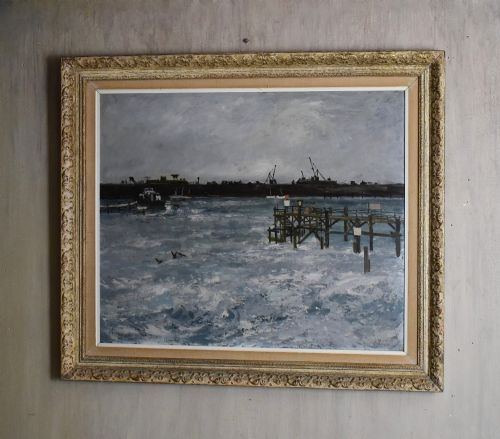
Nautical Oil Art Canvas
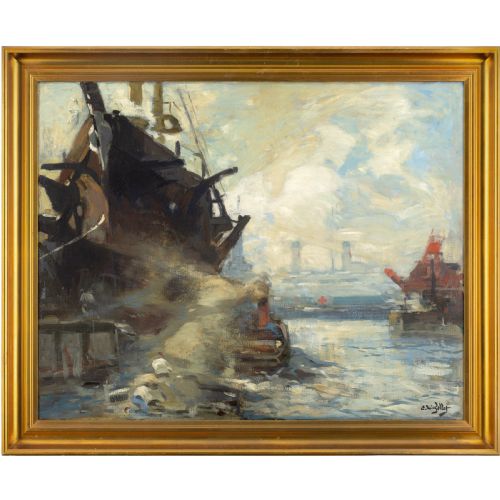
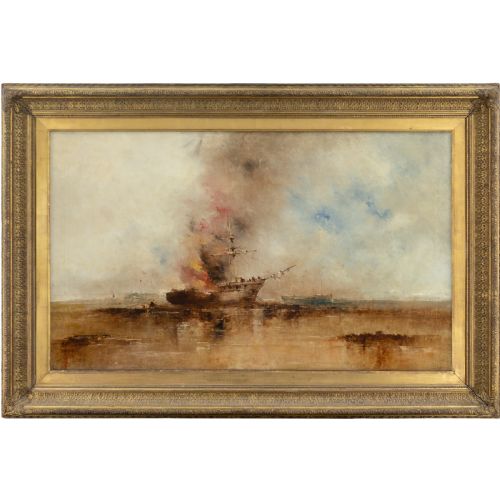
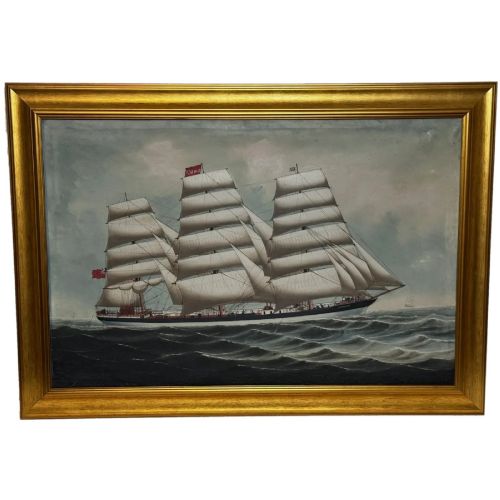
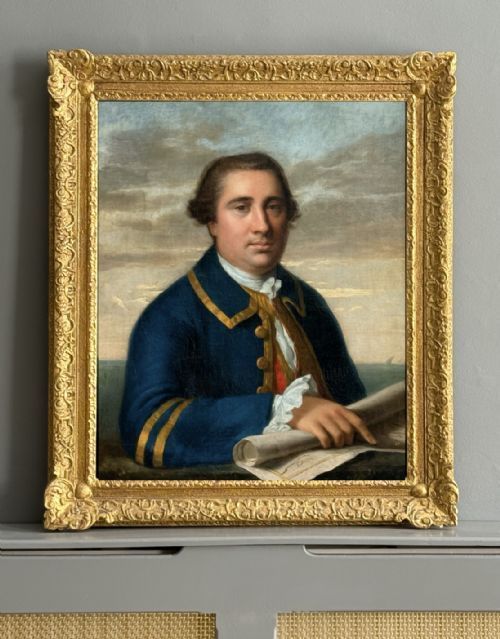
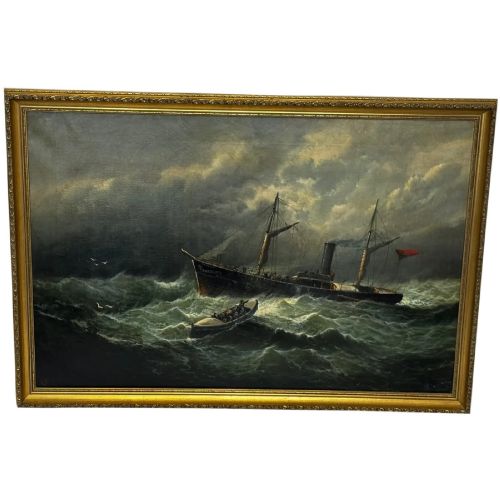
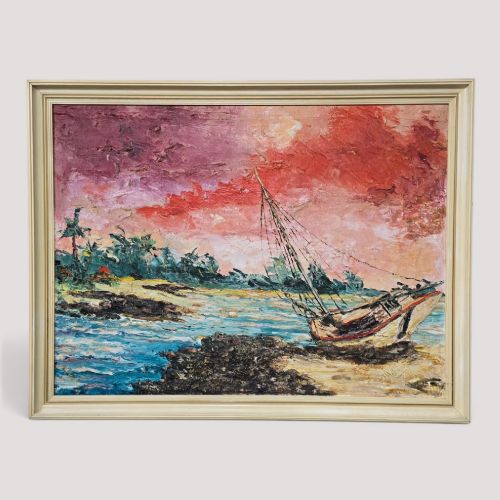
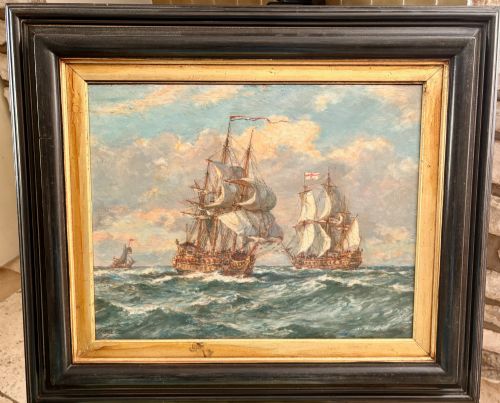
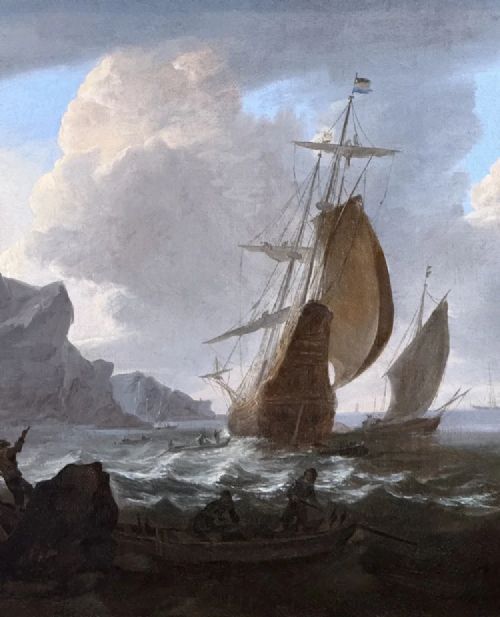
When you search for a nautical oil art canvas, you are looking at maritime scenes and seascapes captured through paint on woven fabric.
Nautical Oil Art Canvas
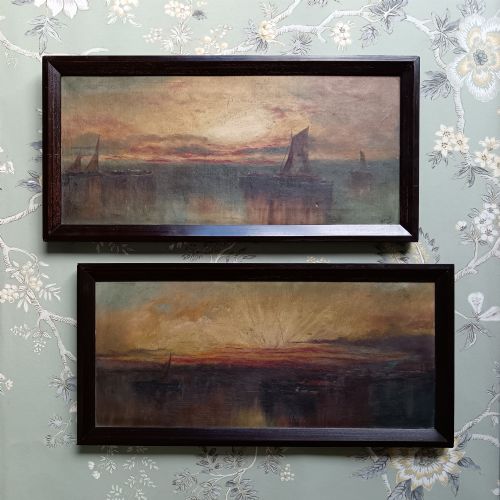
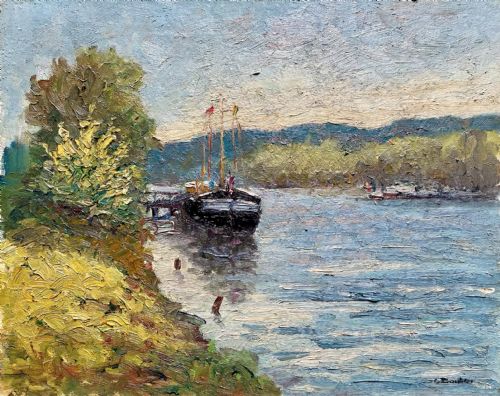
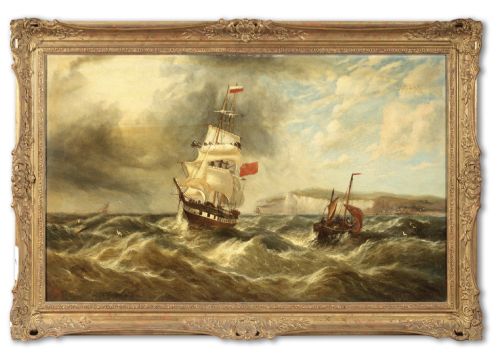
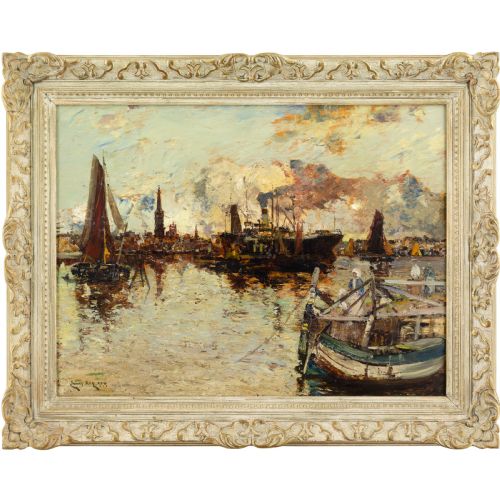
A nautical oil art canvas captures vessels, coastlines, and open waters through the medium of oil paint applied to stretched fabric. These works range from calm harbour scenes to dramatic depictions of ships in heavy seas.
The pieces available here span from earlier centuries through the Edwardian era and into the mid-twentieth century. Victorian maritime scenes and later impressionist interpretations appear frequently across the selection.
Subjects include merchant ships, naval vessels, coastal landscapes, and specific historical events on the water. Painters recorded both British coastal views and international ports.
Materials and construction
The works rely upon oil paint applied to canvas supports, often stretched over wooden frames. Gilt and giltwood frames frequently enclose the finished paintings.
Artists utilised traditional brushwork and occasionally impasto techniques to build texture in the depiction of waves, sails, and clouds. Wooden panels also serve as supports in certain examples alongside the standard canvas.
Several canvases capture ships bearing names like 'Slieve Roe' and 'Vick', preserving the identities of forgotten wooden barques.
Distinctions in quality
Quality rests upon the artist's ability to render water, light, and rigging with accuracy and atmosphere. Finer works display confident handling of tone and perspective, particularly when capturing rough seas or complex vessel architecture.
The condition of the canvas and the originality of the accompanying gilt frame influence the overall integrity of the piece. Stronger examples maintain clear provenance and secure paint layers without excessive intervention.
Eugène-Louis Gillot·William McAlpine·Reginald Arthur Borstel·Lemuel Francis Abbott·James Kay·William Broome·Bernard Gribble·Bonaventura Peeters·Peter Brannan·Paul Bret·Cyril Walduck Edwards·Willem Bos·John Wilson Carmichael·Lai Fong·Nicholas Condy·Richard B. Spencer·William Henry Williamson·Abraham Hulk I·Elisabeth Bardon·Charles Napier Hemy·Gustave De Bréanski·Adrian Van Porten
The Nautical Oil Art Canvas Glossary
- Oil on Canvas
- Pigment mixed with a drying oil, typically linseed, applied to a woven fabric support. This combination allows for rich colour depth and blended tones.
- Giltwood
- Wood carved and covered with a thin layer of gold leaf or metallic gilt. These frames frequently accompany period maritime paintings.
- Impasto
- Paint laid on an area of the surface in very thick layers, usually thick enough that the brush or painting-knife strokes are visible. Artists utilise this to render the texture of churning water.
- Pierhead Painting
- A specific genre of ship portraiture depicting a vessel near its port of departure or arrival, often commissioned by sea captains.
- Maritime Realism
- An artistic style focused on the accurate and detailed representation of ships, oceans, and coastal environments.
Nautical Oil Art Canvas: Frequently Asked Questions
What subjects appear in these maritime paintings?
The artworks depict a wide range of waterborne subjects, including merchant sailing ships, warships in action, and fishing boats near the coast. Harbour scenes and quiet coastal landscapes also feature prominently among the selections.
Artists recorded specific vessels, historical events, and general seascape compositions from various periods. These range from calm river scenes to dramatic depictions of ships caught in gales.
How do I identify the date of a canvas?
Dating relies upon stylistic clues within the painting, such as the rigging of the ships, the clothing of figures, and the overall artistic movement. Edwardian and Victorian works often display specific technical conventions distinct from mid-twentieth-century pieces.
Signatures, framing materials, and inscriptions on the reverse of the canvas or wooden stretcher provide further evidence. Many listings include documented dates or attribution to specific historical periods.
Where were these marine paintings created?
The pieces originate from various European and international schools, with strong representation from British, French, Dutch, and Australian artists. Painters often worked at major ports or travelled extensively to record coastal views.
Harbours in Britain, continental Europe, and beyond served as primary subjects for these creators. Regional styles developed around significant maritime centres like the English coast and Dutch waterways.
How should I care for an oil on canvas?
Keep the painting away from direct sunlight and fluctuating humidity to protect both the canvas support and the oil paint layer. Stable environmental conditions prevent the canvas from sagging and the paint from cracking.
Dust the surface gently with a soft, dry brush and avoid using liquid cleaners on the paint or the gilt frame. Professional conservators should handle any structural repairs or cleaning of the paint surface.