



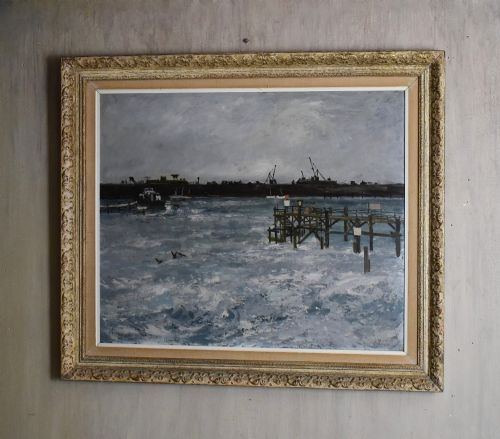
Nautical Oil on Canvas
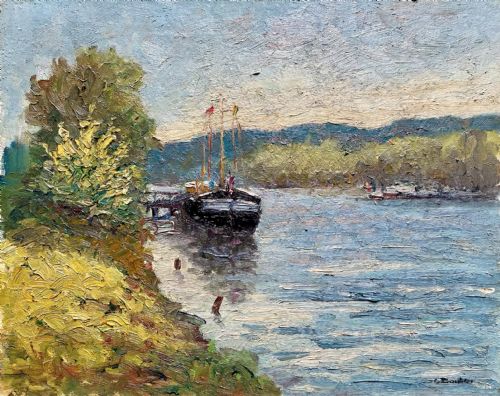
A nautical oil on canvas brings the movement of open water and historical shipping directly into a room through textured brushwork and deep marine pigments.
Nautical Oil on Canvas
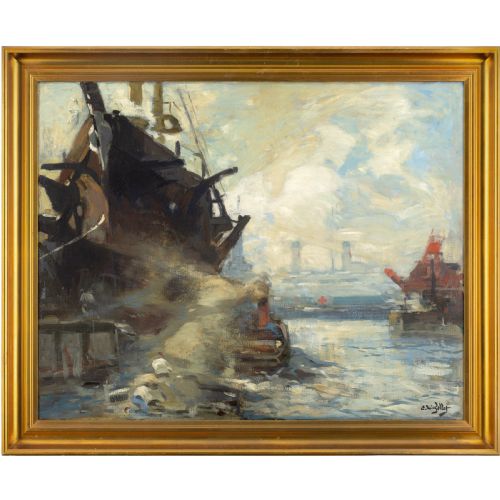
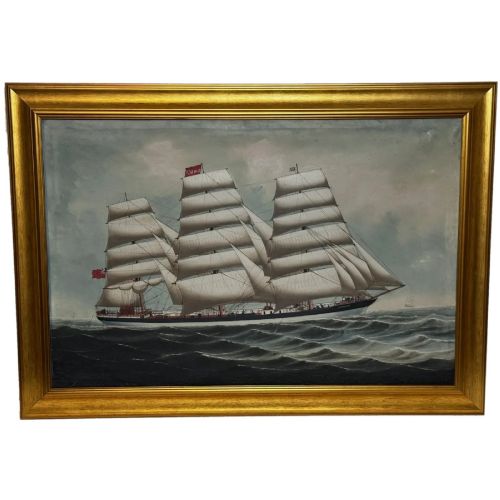
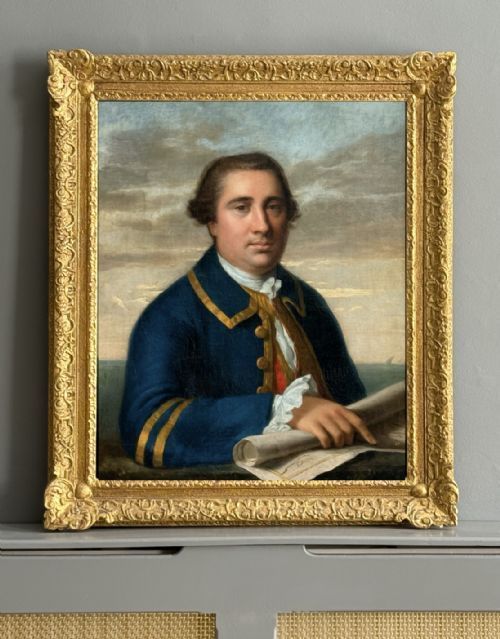
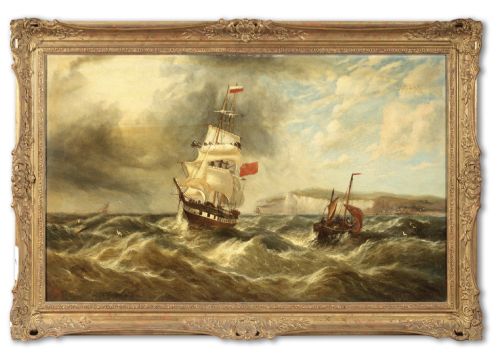
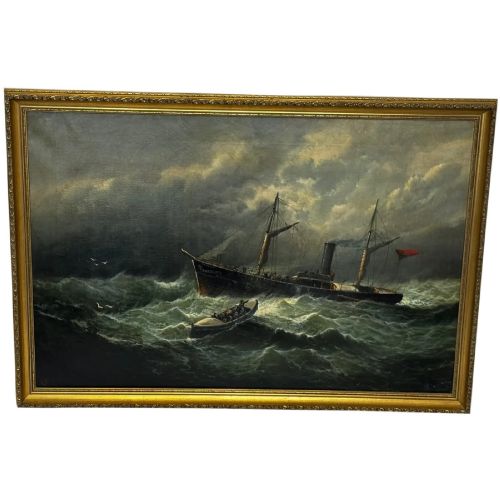
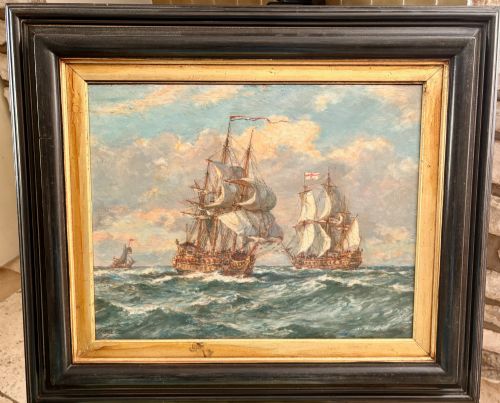
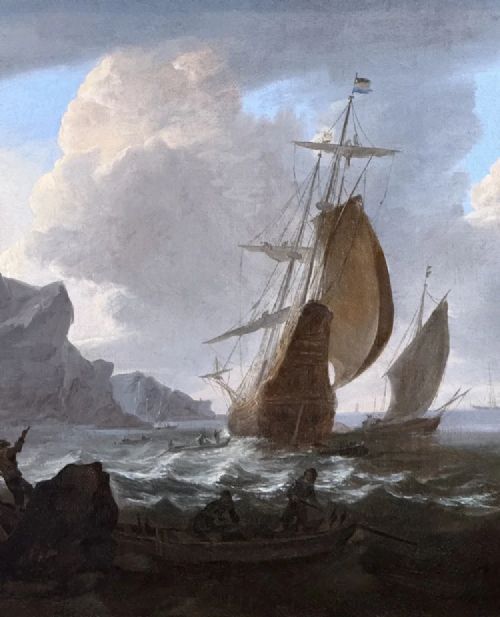
When searching for a nautical oil on canvas, collectors encounter depictions of tall ships, coastal harbours, and dramatic marine engagements spanning from the eighteenth century through the mid-twentieth century. The nineteenth-century examples dominate the selection, showcasing Victorian maritime scenes with detailed rigging, rough seas, and identifiable vessels recorded by specialised marine painters.
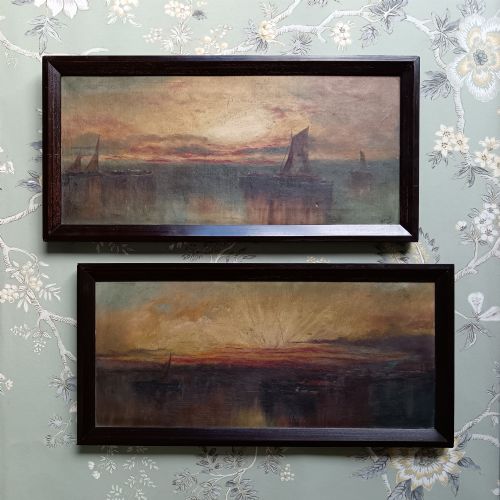
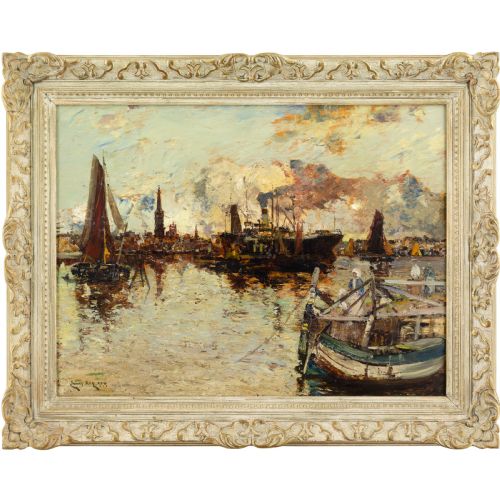
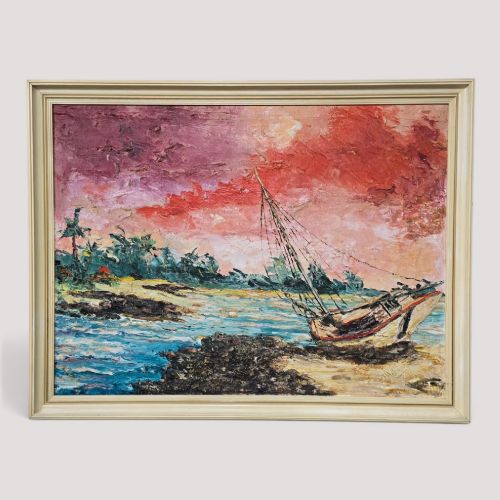
Alongside nineteenth-century works, the selection includes Edwardian and early twentieth-century interpretations, where Impressionism and Post-Impressionism begin to influence how light hits the water and sails. Mid-century canvases occasionally appear, shifting toward bolder impasto textures and simplified coastal compositions while retaining the core subject of ships and the sea.
Materials and Application
The physical works rely on oil paint applied to woven canvas stretched over wooden frames, occasionally mounted on board. Artists utilised rich layers of oil pigment to capture the shifting translucency of seawater and the stark contrast of white canvas sails against dark skies.
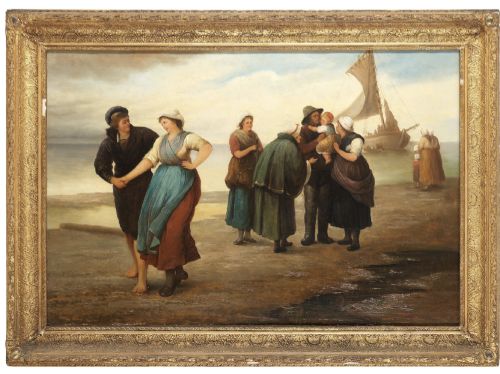
Frames play a substantial structural role in these pieces, frequently consisting of moulded giltwood or gilt frames that complement the luminous quality of the marine scenes. The interaction between the heavy oil pigments and the wooden support dictates the long-term stability of each painting.
Nautical Oil on Canvas Retail Price Guide 2026
Typical asking prices for nautical oil on canvas among the pieces listed under this phrase on Sellingantiques today, from the lower quarter to the upper quarter. They describe what is for sale here now, not the wider market.
Several canvases capture ships navigating treacherous waters with names as evocative as Ocean Gypsy and Slieve Roe.
Distinctions in Execution
Quality rests upon the artist's command of maritime architecture and atmospheric perspective, distinguishing strictly decorative shipyard records from accomplished works by recognised marine painters. Superior canvases demonstrate an intimate understanding of wave mechanics, vessel rigging, and the specific play of light on open water.
The handling of the medium itself creates disparity across the range, separating flat, formulaic harbour scenes from dynamic compositions utilising confident brushstrokes and layered impasto. Original framing and documented attributions to period practitioners further elevate the standing of individual works.
Eugène-Louis Gillot·William McAlpine·Reginald Arthur Borstel·Lemuel Francis Abbott·James Kay·Bonaventura Peeters·Peter Brannan·John Wilson Carmichael·Abraham Hulk I·Charles Napier Hemy
The Nautical Oil on Canvas Glossary
- Impasto
- Paint applied thickly to a canvas, standing out in relief from the surface. This technique allows artists to render the heavy texture of crashing waves and churning sea foam with physical depth.
- Pierhead painting
- A specific genre of ship portraiture commissioned by captains or owners while docked at port. These works prioritize accurate depictions of a vessel's rigging and hull configuration over artistic atmosphere.
- Giltwood
- Wood that has been coated with a thin layer of gold leaf or gilt powder. Antique frames utilise this finish to add warmth and reflection around the perimeter of the canvas.
- Maritime realism
- An artistic movement focused on accurate, detailed representation of ships, naval engagements, and coastal topography. Practitioners study nautical engineering to ensure correct proportions in every vessel.
Nautical Oil on Canvas: Frequently Asked Questions
How do I identify a nineteenth-century marine painting?
Nineteenth-century marine works are typically identified through the rigging details of the vessels, the clothing of any figures present, and the construction of the original canvas and stretcher frames. Stylistic markers include the conventions of Victorian maritime realism, which favored precise technical accuracy regarding ship design.
Signatures, framing styles, and biographical records of the artist provide further confirmation of the period. Examining the reverse of the canvas often reveals dealer stamps, exhibition labels, or period inscriptions that narrow down the date of creation.
What is a pierhead painting?
A pierhead painting is a specialised portrait of a specific ship, usually commissioned by its master or owner when docked at a major port. These works serve as exact records of commercial vessels, documenting the precise configuration of sails, masts, and hull lines.
Unlike romanticized seascapes, pierhead art places accuracy above atmospheric drama. They offer direct insight into nineteenth-century merchant fleets and maritime trade routes.
How should I care for an antique oil painting?
Antique oil paintings require stable environmental conditions away from direct sunlight, excessive heat sources, and rapid humidity fluctuations. Keeping the display area at a moderate, consistent temperature prevents the canvas from slackening and stops the oil paint from developing microscopic cracks.
Dusting should be performed gently using a soft, dry brush without applying pressure to the canvas surface. Professional conservation should be sought if the paint layer requires cleaning or stabilization.
Why do some marine paintings feature rough seas?
Artists often chose stormy conditions to showcase their technical skill in rendering dynamic movement, dramatic light, and the immense power of nature. Rough seas provided a compelling narrative contrast between human endeavor in wooden vessels and the vast, unpredictable ocean.
These dramatic compositions were exceptionally popular during the Victorian period, appealing to collectors who valued excitement and emotional resonance in wall art.