




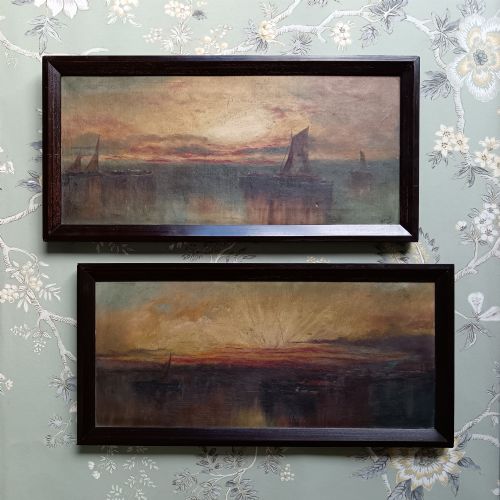
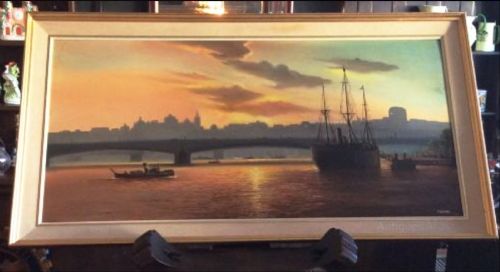
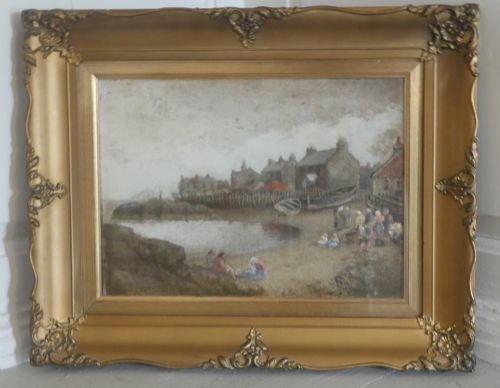
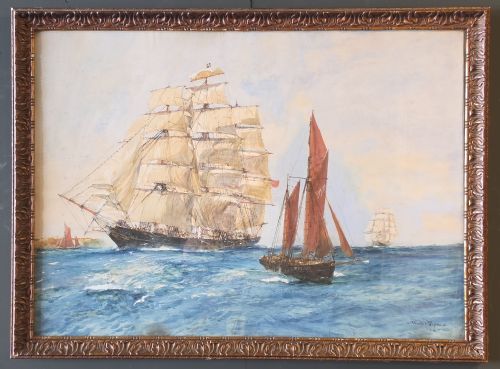
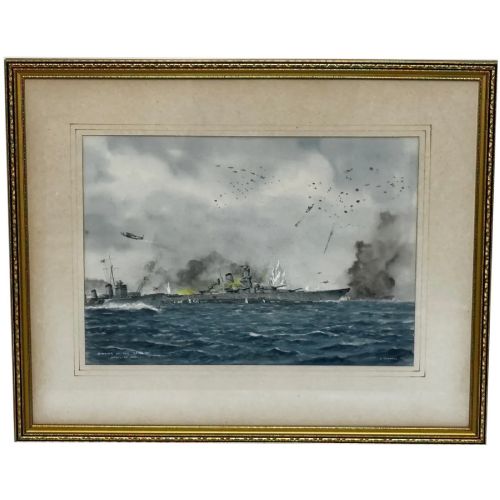

Framed Seascape Painting
When you search for a framed seascape painting, you encounter maritime art that captures the unpredictable motion and changing light of coastal waters.
Framed Seascape Painting
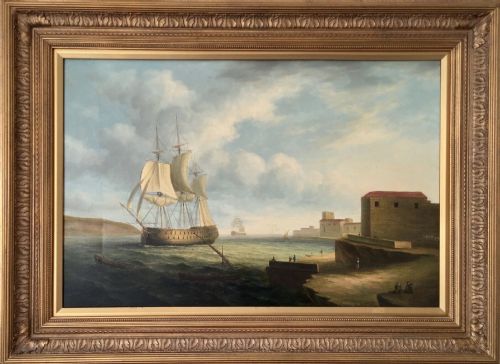
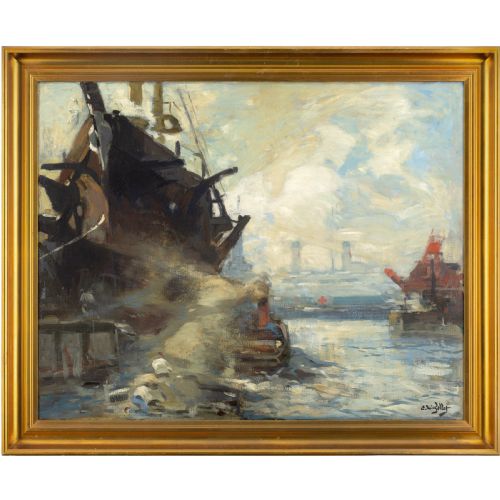
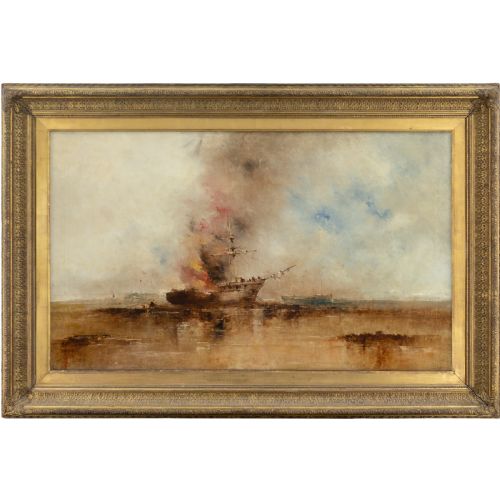
A framed seascape painting depicts maritime scenes, coastal views, harbour activities and naval encounters across various periods. Buyers searching this phrase most frequently find nineteenth-century works alongside pieces from the early and mid-twentieth century.
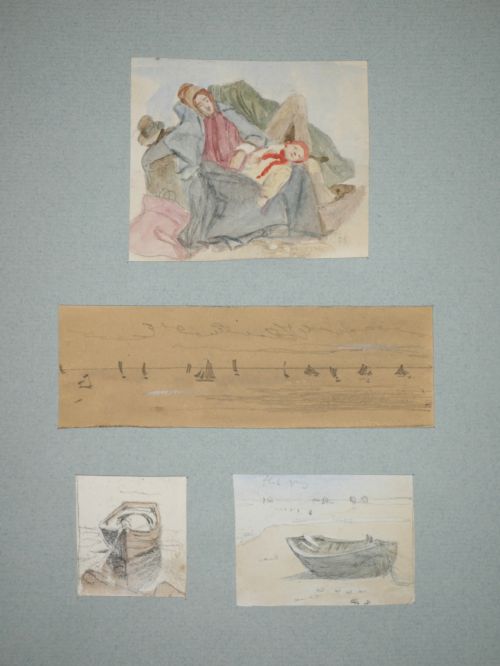
The subjects range from tranquil estuaries and fishing boats to dramatic storms involving merchant ships and warships. These works appear in multiple mediums, including oil paint on canvas or panel, watercolour and gouache on paper.
Origins span British coastal locations such as Cornwall, Devon and London alongside continental European scenes. The framing typically incorporates wood and gilt wood that complement the period of the artwork.
Materials and technique
Artists painted primarily with oil on canvas or wood panel, or applied watercolours and gouache onto paper substrates. Canvas supports often received a preparation layer of gesso before the application of oil pigments.
Frames constructed from timber, frequently ornamented with gilt gesso moulding, housed and protected these works. Glass panels commonly covered watercolours and works on paper to shield the delicate pigments from moisture and atmospheric dust.
Framed Seascape Painting Retail Price Guide 2026
Typical asking prices for framed seascape painting among the pieces listed under this phrase on Sellingantiques today, from the lower quarter to the upper quarter. They describe what is for sale here now, not the wider market.
Several artists bravely painted coastal scenes en plein air, enduring salty sea spray and gale-force winds just to capture a breaking wave.
Assessing quality
Quality rests upon the artist's ability to render water movement, atmospheric light and maritime architecture with conviction. Superior works demonstrate confident brushwork and precise perspective, particularly in the rigging of vessels and the tumult of waves.
The integrity of the original framing contributes significantly to the overall standing of a piece. Finer examples retain period-appropriate gilt wood frames that harmonise with the scale and palette of the painting.
James Hardy·James Orrock·Clifford Hanney·James Smetham·William McAlpine·Sidney A Court·B Nash·Charles Edward Dixon·Eric Tufnell·William Banks Fortescue·John Rose Miles·James Kay·Frank Watson Wood·William Broome·Bernard Gribble·Frank William Scarbrough·F Corpuz·Clive Browne·Peter Brannan·Francis Moltino·Bernard Benedict Hemy·Thomas Creswick·Lucy Pratt·James Fry·Ethel Sands
The Framed Seascape Painting Glossary
- Gouache
- An opaque water-based medium that provides denser coverage and brighter highlights than traditional watercolour. Artists frequently utilised it to capture the brilliant glare of light on water.
- En plein air
- A French term describing painting executed outdoors in the open air. This method allowed artists to capture transient effects of light and weather directly from the coast.
- Panel
- A rigid support made from wood used instead of stretched canvas. Painters favoured panels for smaller works and detailed marine sketches.
- Gilt wood
- Timber frames finished with a thin layer of gold leaf or metallic powder. These frames provided a decorative border that enhanced the visual depth of the artwork.
Framed Seascape Painting: Frequently Asked Questions
What subjects do these paintings show?
The artworks display a wide variety of maritime subjects, ranging from serene harbour views and coastal villages to turbulent seas with rescue vessels and warships. Artists recorded specific locations such as Cornwall, Venice, and the Thames.
Many pieces focus on everyday maritime life, including fishing boats leaving port and merchants navigating coastal waters. Others capture historical naval actions and dramatic storms.
How do I care for a framed seascape painting?
Keep the artwork away from direct sunlight and fluctuating humidity to protect the pigments and the wooden support. Regular dusting of the frame with a dry, soft cloth maintains its condition.
Avoid hanging watercolours in damp environments like kitchens or bathrooms, as moisture damages paper and encourages mould. Ensure securely fitted hanging wire supports the weight of the frame.
How can I tell the period of a painting?
Examine the materials, framing style, and the clothing or vessel types depicted within the scene. Nineteenth-century works often feature sailing ships and traditional rigging, while mid-twentieth-century pieces may show steamships or employ modern stylistic brushwork.
Signatures, dates inscribed on the reverse, and the construction methods of the wooden frame offer further clues regarding the era of creation.
Are watercolours framed differently than oils?
Watercolours and gouache on paper require glass protection to prevent airborne pollutants and moisture from degrading the pigments. They also incorporate mounts or mats to keep the paper surface from touching the glass.
Oil paintings on canvas or panel do not require glass covering, allowing the textured brushwork to remain exposed to the air.