





Antique Nautical Painting
An antique nautical painting brings the historic sea straight onto your wall, capturing traditional maritime life and dramatic coastal weather.
What these paintings are
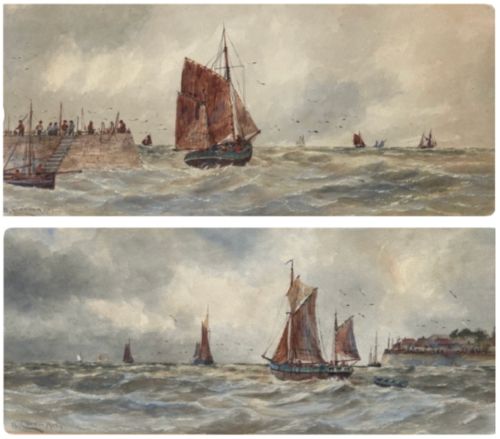
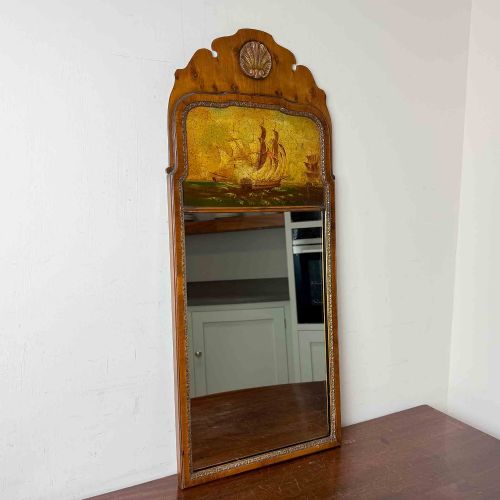
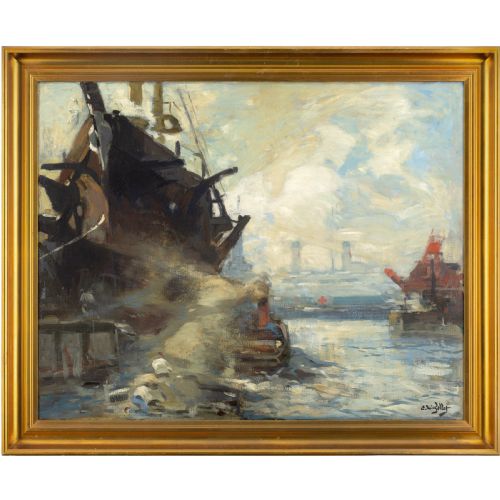
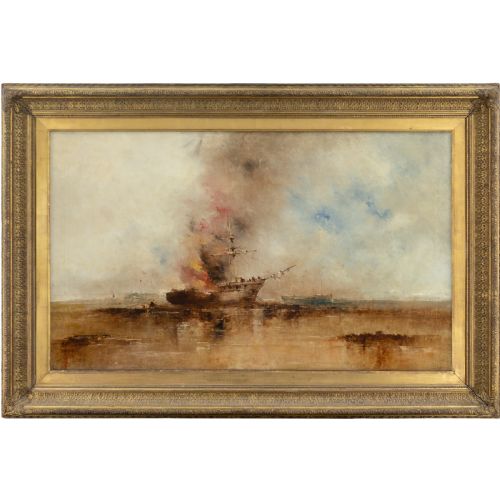
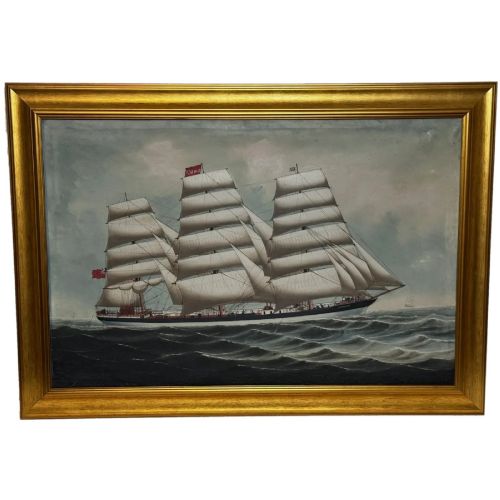
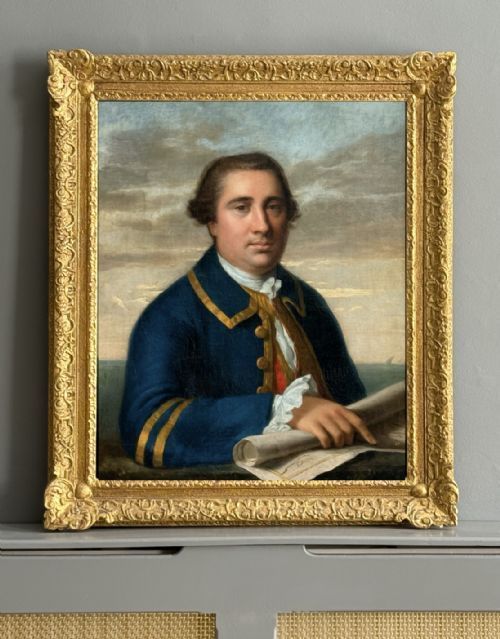
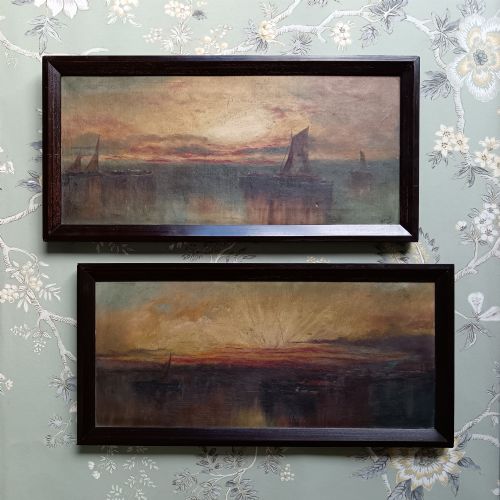
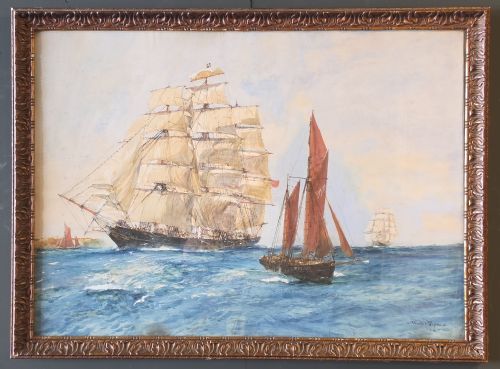
When you search for an antique nautical painting, you encounter maritime scenes spanning from the nineteenth century into the mid twentieth century. These works depict sailing craft on choppy water, moored ships, and bustling harbour views.
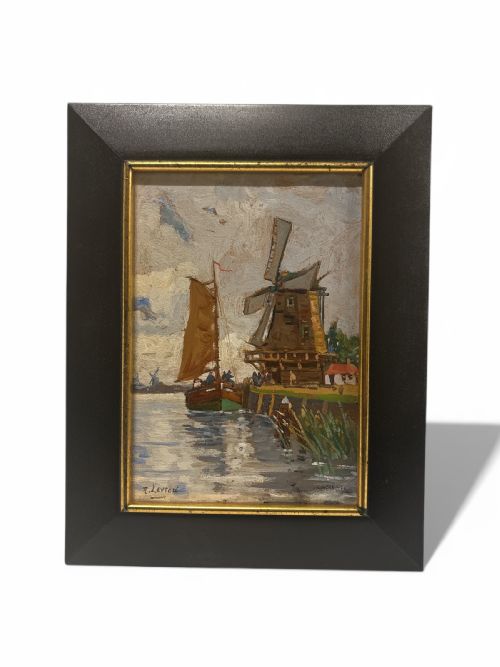
The selections on this page include watercolours on paper and oil paintings executed on canvas or board. Subject matter ranges from coastal towns like Looe and Copenhagen harbour to dramatic shipwreck rescues.
Framing often involves traditional gilt wood under glass, preserving the integrity of the original presentation. The visual styles represented span British impressionism, traditional maritime, and Victorian marine art.
How they were made
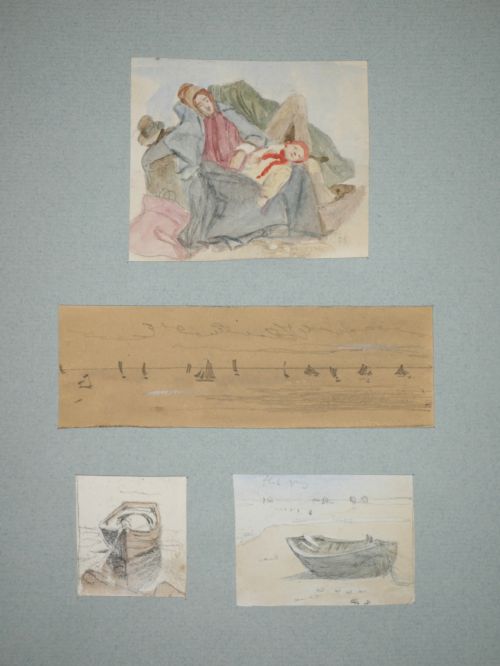
Artists painted using oil paint on prepared canvas or rigid wooden boards, building up layers of pigment to capture the movement of the sea. Watercolour on paper was also utilised extensively for lighter, more immediate coastal studies.
Finished works were housed within bespoke wooden frames, frequently finished in gilt to complement the maritime subject matter. Protective glass was commonly applied over watercolours on paper to prevent moisture damage.
Retail Price Guide 2026
Typical UK retail prices for nautical painting, calculated from the Sellingantiques database of over a million retail prices indexed since 2003. This retail price guide relies exclusively on Sellingantiques data; no external sources or auction records are used, so the figures do not describe the wider market.
Current listings feature watercolours and oil paintings created between nineteen hundred and nineteen sixty, framed in wood and glass.
What varies in quality
Quality rests in the artist's ability to render water, light, and atmospheric conditions convincingly rather than relying on formulaic marine tropes. Stronger compositions demonstrate a sure grasp of perspective when depicting sailing craft and coastal architecture.
The physical condition of the medium creates notable distinctions across the range. Well preserved oil on board or canvas retains vibrant pigment depth, whilst watercolours protected under glass avoid the fading associated with prolonged light exposure.
Frank Kelsey·Micheal Matthews·Johan Jens Neumann·Edward Aubrey Hunt·William Henry Williamson
The Antique Nautical Painting Glossary
- Oil on board
- A painting executed using oil paint on a rigid wooden or composition panel rather than stretched canvas. This surface provides a sturdy support popular with plein air painters.
- Watercolour
- A paint medium consisting of water-soluble pigments applied to paper. It allows for translucent washes that suit coastal skies and open water.
- Gilt wood
- Wood coated with a thin layer of gold leaf or metallic gilt paint. This traditional framing technique adds warmth and decorative emphasis to marine artworks.
- Maritime art
- Artistic works that focus significantly on the sea, ships, beaches, and coastal life. This broad genre encompasses both serene harbour views and turbulent shipwrecks.
Frequently Asked Questions
What periods do these paintings come from?
The available selection includes pieces originating from around nineteen hundred, nineteen twenty, and nineteen sixty. Earlier nineteenth century works also appear through archive records.
These dates reflect the Victorian marine art movement through to mid twentieth century British impressionist approaches.
What materials were used?
Artists utilised oil paint on canvas and board, alongside watercolour applied to paper. Frames are constructed from wood and frequently finished with gilt.
Protective glass is standard for works executed on paper to safeguard the delicate pigments.
How should I hang a marine painting?
Position the artwork away from direct sunlight to protect sensitive watercolours and oil pigments from fading. Ensure the wall brackets securely support the weight of the wooden and gilt frames.
Pairing these pieces with traditional room settings enhances their historical maritime character.
What subjects do these artworks show?
Common subjects include sailing craft navigating choppy water, moored ships in quiet harbours, and specific locations such as Copenhagen harbour or Looe in Cornwall.
Dramatic coastal narratives like shipwreck rescues also feature within the traditional marine genre.