





20th Century British Art
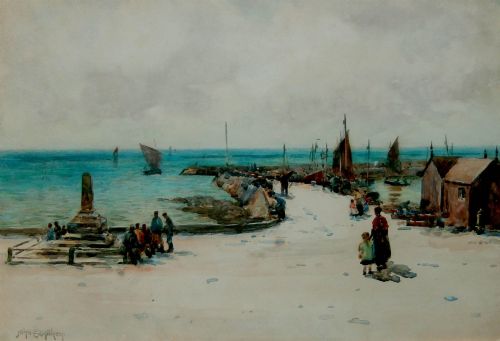
When you search for 20th century british art, you encounter a varied selection of paintings, watercolours, and drawings spanning from the Edwardian era through the mid-century decades.
20th Century British Art
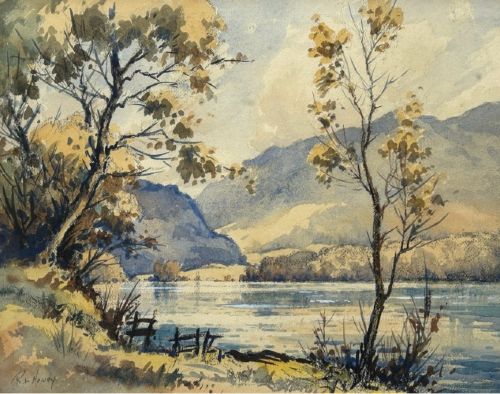
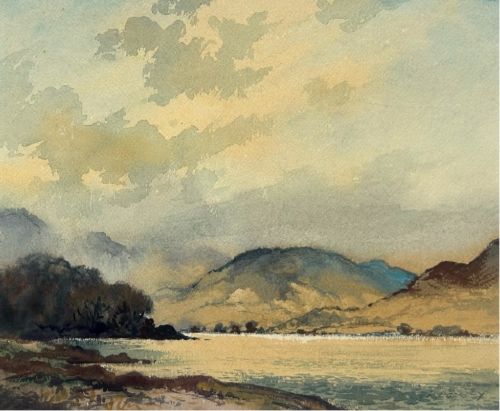
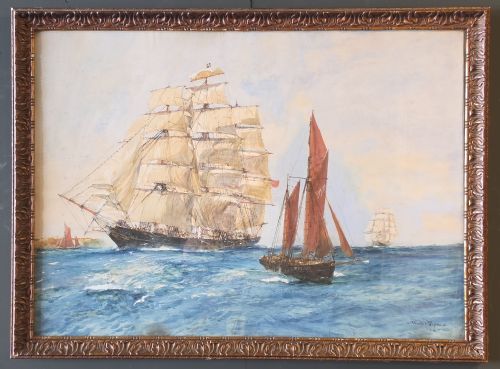
The term 20th century british art covers a diverse range of works created across shifting aesthetic movements from the 1900s onwards. Buyers frequently encounter landscapes, maritime scenes, and portraits reflecting regional traditions and broader modernist developments.
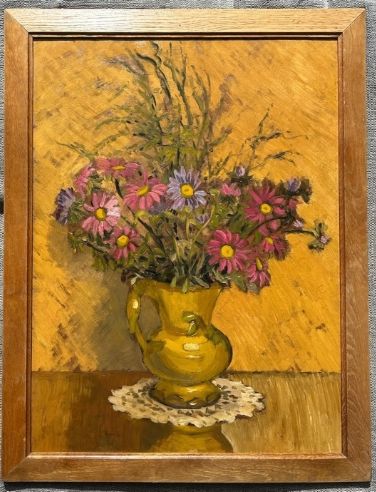
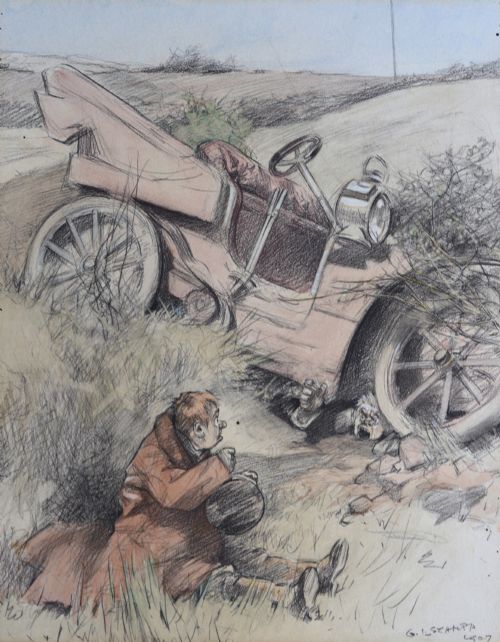
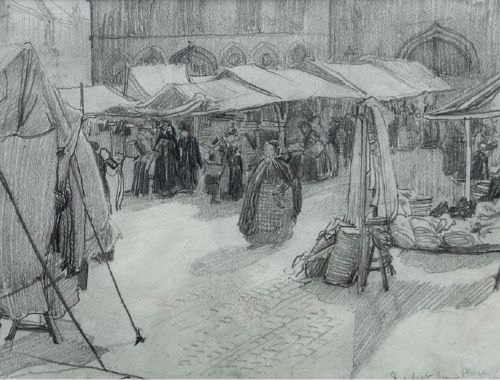
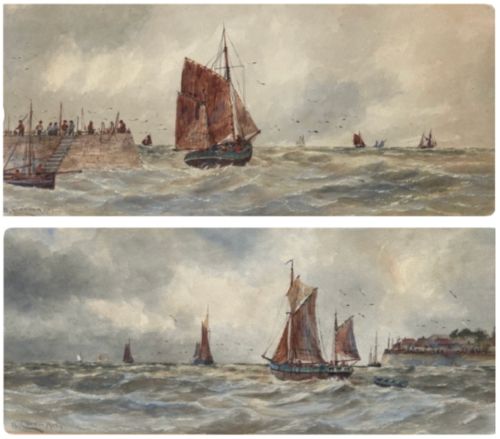
The pieces listed on this page originate from periods such as the Edwardian era, the 1920s, and the mid-century decades. Creators capture local topography, urban street scenes, and intimate character studies through various regional schools.
Forms vary from detailed pencil drawings and watercolours on paper to robust oil paintings on board and canvas. Collectors navigate works by named painters alongside pieces attributed to the broader British School.
Materials and Technique
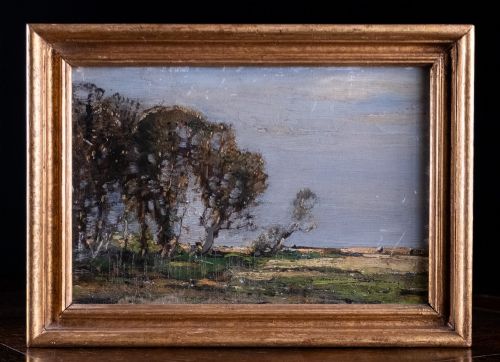
Makers apply oil paint to canvas, board, and wood panels, building rich textures and deep tones. Watercolours and gouache on paper offer translucent washes, frequently paired with pencil or ink underdrawing.
Pastels and charcoal provide direct marks for expressive portraiture and rapid sketching. Supports range from primed canvas to sturdy board and heavy art paper.
20th Century British Art Retail Price Guide 2026
Typical asking prices for 20th century british art among the pieces listed under this phrase on Sellingantiques today, from the lower quarter to the upper quarter. They describe what is for sale here now, not the wider market.
Listings feature works across multiple decades, utilising materials like oil on canvas, watercolour, and board.
Assessing Quality
The strength of a composition relies on the artist's handling of light, brushwork control, and spatial balance. Stronger examples demonstrate confident mark-making and a deliberate palette.
Condition plays a part, particularly the stability of the pigment on board or canvas and the preservation of paper against toning. Works maintaining their original vibrancy and structural integrity stand apart from weaker efforts.
Kenneth Cozens·George Lorain Stampa·Henry Percy Huggill·William Cannon·William H Myers·George Graham·Emily Eyres·Tom Campbell·Percy Lancaster·Robert Leslie Howey·Kershaw Schofield·Charles Edward Dixon·John E Aitken·Robert Morson Hughes·Muriel Metcalfe·Bernard Gribble·Fred Lawson·Augustus John·Clive Browne·Peter Brannan·Raymond Booth·Francis Plummer·James Stroudley·Ethel Sands·Cyril Walduck Edwards
The 20th Century British Art Glossary
- Oil on Canvas
- A painting medium where pigments are suspended in drying oils and applied to stretched fabric. This technique allows for blending and thick impasto texture.
- Watercolour
- A paint consisting of colorants suspended in a water-soluble vehicle. Artists employ it on paper to create luminous washes.
- Board
- A rigid wooden or fibrous panel used as a painting support instead of canvas. It provides a firm surface favoured for outdoor sketching.
- Impressionism
- A style focused on capturing the visual impression of a moment, especially regarding shifting light. British variants often apply these tenets to local landscapes.
- Triptych
- A piece divided into three panels, hinged or displayed together as a single unified artwork. This format appears in figurative and thematic works.
20th Century British Art: Frequently Asked Questions
What periods do these artworks cover?
The works span the entire hundred-year span, starting from Edwardian beginnings and early decades through the 1930s and 1950s. Mid-century examples reflect the changing tastes after the second world war.
Pieces range from traditional pre-first world war landscapes to later modernist expressions.
How should I display a watercolour?
Watercolours on paper require framing behind glass with acid-free mounts to prevent fading and environmental damage. Keep them away from direct sunlight.
Positioning works in rooms with stable humidity protects the paper support over time.
What subjects are most common?
British landscapes, coastal scenes, and maritime views dominate the available selection. Portraits and still life arrangements also appear regularly.
Artists frequently recorded local topography, northern townscapes, and rural countryside.
How do I identify a regional school?
Regional schools often centre on specific urban centres or rural landscapes, such as northern industrial towns or Cumbrian lakes. Signatures, exhibition labels, and stylistic traits offer clues.
Many works document specific towns and regions in their titles.