


Fred Lawson Artwork
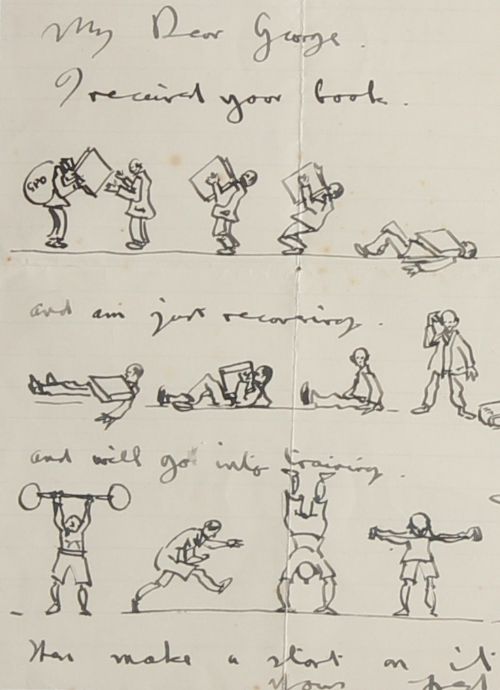
Fred lawson artwork brings together twentieth-century British watercolours and drawings capturing Yorkshire landscapes, northern scenes, and historic townscapes.
Fred Lawson Artwork
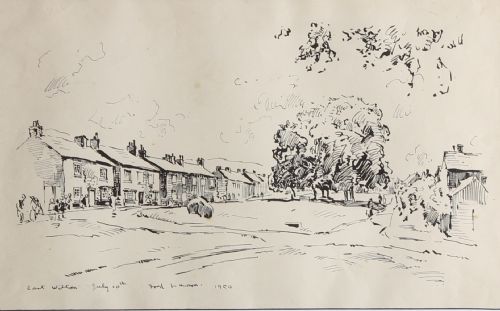
Fred lawson artwork primarily comprises works on paper executed in watercolour, ink, and pencil, recording rural and urban views across Britain. Collectors encounter landscape paintings, townscapes, and architectural studies dating from the early decades of the twentieth century through to the mid-century period.
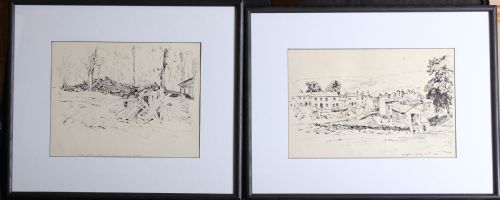
The subjects focus heavily on northern English locations such as Wensleydale, Swaledale, and various castles, alongside scenes from Lincoln and further afield. Many pieces function as intimate watercolours or combined ink and watercolour drawings framed behind glass in wood frames.
How Fred Lawson Artwork Was Made
These pieces rely on watercolour paint, ink, and pencil applied directly to paper supports. Artists built up compositions by combining precise pen lines with fluid washes of watercolour pigment to define light and shade.
Finished works received framing using wood mouldings and protective glass to preserve the paper and pigments from atmospheric moisture and handling damage.
Fred Lawson Artwork Retail Price Guide 2026
Typical asking prices for fred lawson artwork among the pieces listed under this phrase on Sellingantiques today, from the lower quarter to the upper quarter. They describe what is for sale here now, not the wider market.
Fred lawson artwork listings span dates from nineteen-ten to nineteen-sixty, documenting early twentieth-century and mid-century British modernism.
What Varies in Quality
Quality rests upon the strength of the composition, the clarity of the ink work beneath the pigment, and the vibrancy retained by the watercolour washes. Dynamic depictions of weather, such as snow scenes or coastal movement, often display greater visual energy than static architectural records.
The specificity of the subject matter also influences distinction, with detailed regional topography and named northern landmarks holding stronger interest than unlocalised views.
Fred Lawson
The Fred Lawson Artwork Glossary
- Watercolour
- A paint consisting of pigment suspended in a water-soluble binder, applied to paper to create translucent washes of colour.
- Works on paper
- A collective category encompassing drawings, watercolours, and other artistic creations executed directly upon a paper support.
- Townscape
- A painting, drawing, or other depiction of an urban landscape, focusing on streets, buildings, and towns.
- Modern British
- An umbrella style designation covering art produced in Britain during the twentieth century, bridging traditional representation and modernist developments.
Fred Lawson Artwork: Frequently Asked Questions
What subjects appear in Fred Lawson artwork?
The compositions record northern English landscapes, Yorkshire dales, castles, and historic townscapes. Specific locations like Wensleydale, Lincoln, and Bolton Castle recur frequently.
Alongside rural scenes, the works encompass architectural studies, coastal views, and everyday village life captured during the twentieth century.
How should these paper works be displayed?
Watercolours and drawings on paper require protection from direct sunlight to prevent the pigments from fading over time. Framing behind glass helps shield the delicate paper surface from dust and moisture.
Positioning the pieces away from direct heat sources ensures the paper and wooden frames remain stable in domestic environments.
What materials did the artist use?
The pieces utilise paper as the primary support, combined with watercolour paint, ink, and pencil. Many examples merge pen and ink outlines with translucent watercolour washes.
Completed works are typically mounted behind glass within wooden frames suited to twentieth-century display practices.
From which decades do these pieces date?
The inventory spans the early twentieth century through to the mid-century period, with dates ranging from the nineteen-tens to the nineteen-sixties.
Each decade reflects the shifting styles of twentieth-century British art while maintaining a focus on regional landscape and townscape subjects.