

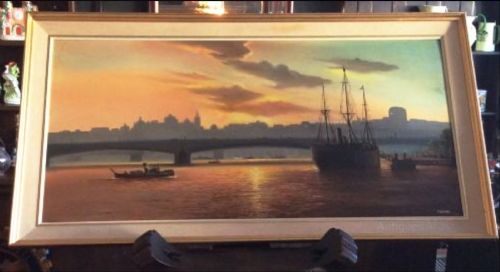
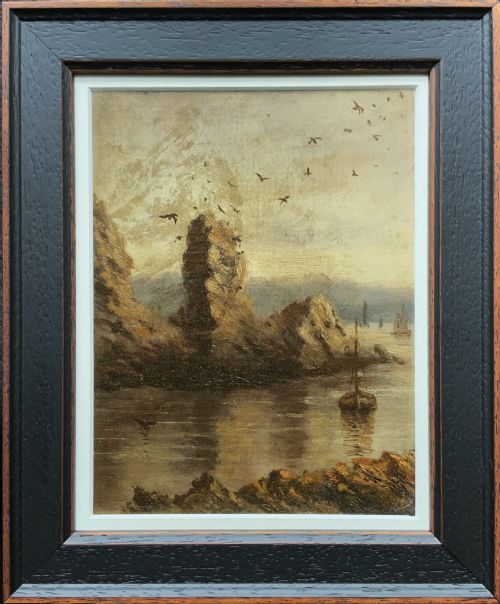

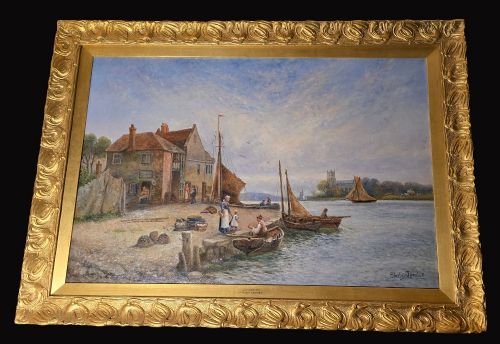
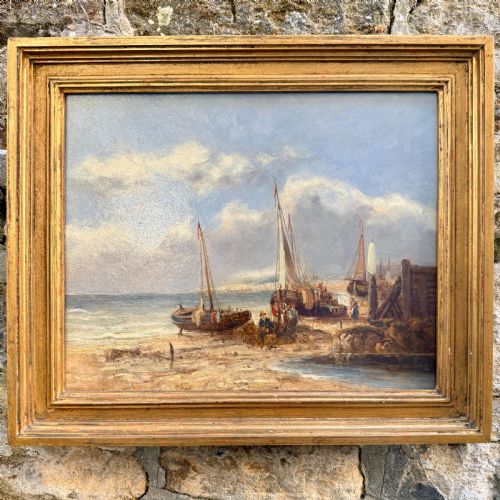
British Maritime Oil Painting
A british maritime oil painting captures the drama of coastal light, naval history and bustling rivers across centuries of changing styles.
British Maritime Oil Painting
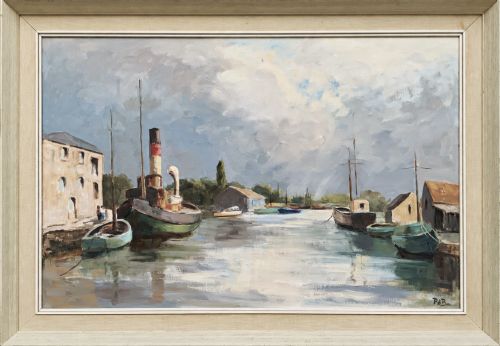
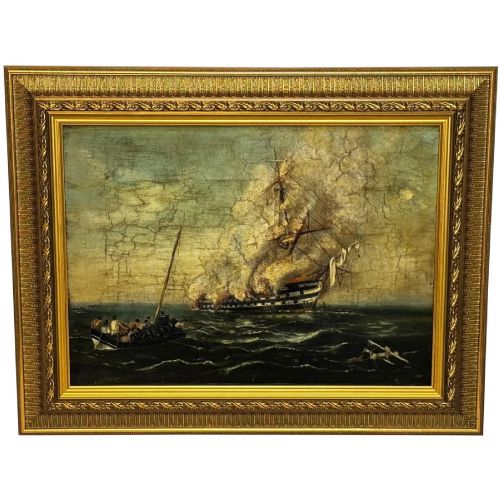
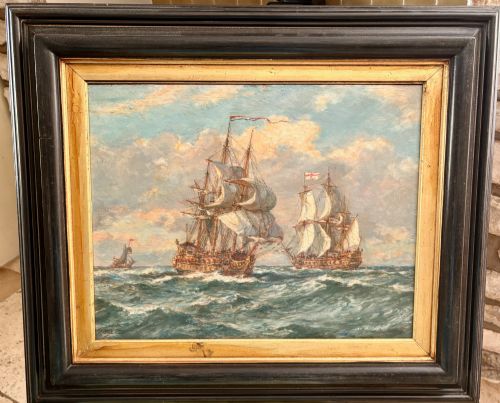
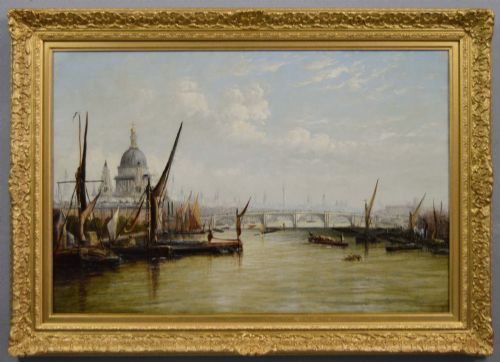
A british maritime oil painting captures the enduring relationship between island life and the sea, ranging from tranquil estuary scenes to turbulent open water. These works document historic naval engagements, local fishing fleets and busy commercial ports along rivers like the Thames.
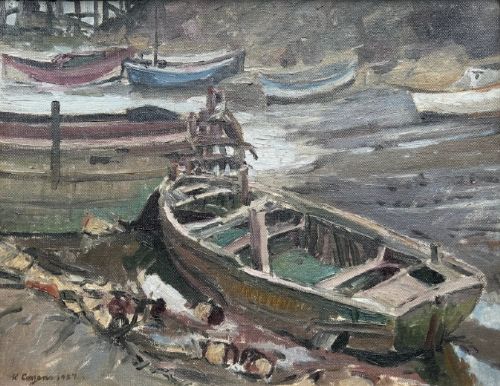
The pieces appearing on this page span several distinct eras, stretching from early nineteenth century studies to mid twentieth century impressions. Formats vary widely from intimate panel boards to large scale canvases framed in period gilt wood.
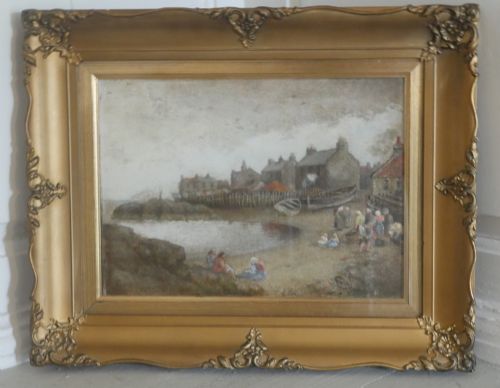
Subjects frequently centre on specific geographic locations including Cornish harbours, London bridges and northern coastal reaches. Painters approach these views through various lenses, moving from meticulous Victorian detail towards freer modernist interpretations.
Materials and Technique
The foundation of these works relies principally on woven canvas stretched over wooden frames, though panel boards and card appear regularly in earlier studies. Ground layers prepare the surface to receive subsequent applications of pigment bound in oil.
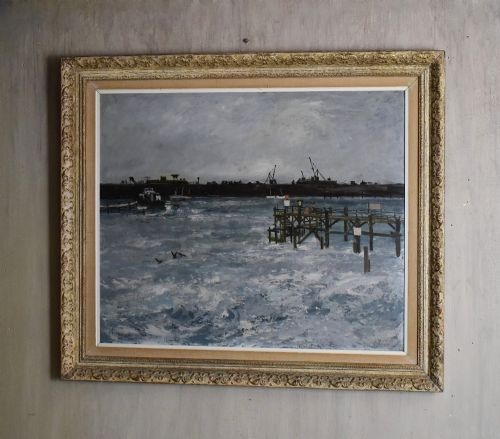
Artists manipulate oil paint using bristle brushes and palette knives to render contrasting textures of calm water, foaming breakers and thick impasto clouds. Gilt wood and gesso frames frequently accompany the canvases, often retaining their original period ornamentation.
British Maritime Oil Painting Retail Price Guide 2026
Typical asking prices for british maritime oil painting among the pieces listed under this phrase on Sellingantiques today, from the lower quarter to the upper quarter. They describe what is for sale here now, not the wider market.
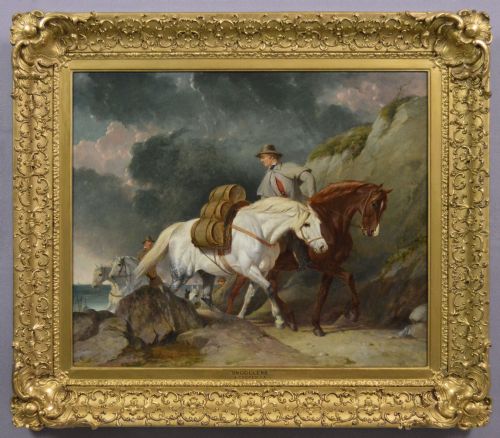
Smugglers occasionally linger on hidden coastal paths, watching over contraband horses away from the revenue cutters.
Distinctions in Quality
The distinction between standard works and exceptional examples rests upon the artist's command of atmospheric light and maritime movement. Superior pieces convey the genuine weight of a rolling sea or the specific quality of damp coastal air rather than relying on formulaic ship silhouettes.
Handling of scale and perspective dictates the visual power of larger compositions, particularly when depicting complex rigging or crowded urban waterways. Execution in brushwork reveals whether a painter truly understood maritime architecture or merely sketched conventional vessels onto a generic background.
John Wilson Carmichael·Francis Moltino·Charles Napier Hemy·Edward Seago·Donald McIntyre
The British Maritime Oil Painting Glossary
- Impasto
- Paint applied thickly to a canvas, standing out in relief from the surface. This technique allows brush or palette knife marks to catch the light and suggest physical texture.
- Gesso
- A traditional paint mixture consisting of a neutral binder mixed with chalk, gypsum or pigment. It prepares wooden panels or canvas surfaces before the application of oil paint.
- Marine art
- Artistic representation of the sea, ships, beaches and maritime activities. It encompasses both naval military history and everyday coastal scenes.
- Provenance
- The chronological ownership history of a work of art. Documented records help verify authenticity and establish the background of a painting.
- Panel board
- A flat sheet of wood used as a rigid support for painting in oils. Artists frequently utilised these for smaller studies executed outdoors.
British Maritime Oil Painting: Frequently Asked Questions
How do I identify the date of a maritime painting?
Dating relies heavily on the construction of the canvas support, framing styles and the specific rigging details of depicted vessels. Clothing styles of any figures present on coastal paths or decks also provide reliable chronological clues.
Changes in artistic movement from meticulous Victorian realism to twentieth century impressionism help narrow the timeframe further. Signatures and exhibition labels affixed to the reverse offer definitive historical markers.
Where were these coastal scenes typically painted?
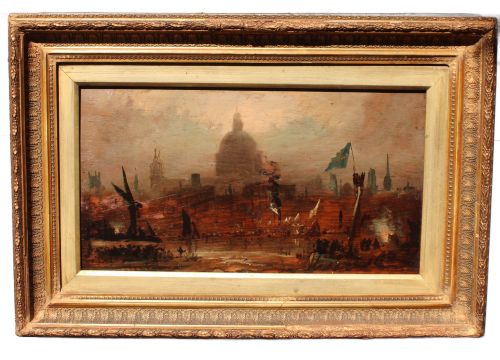
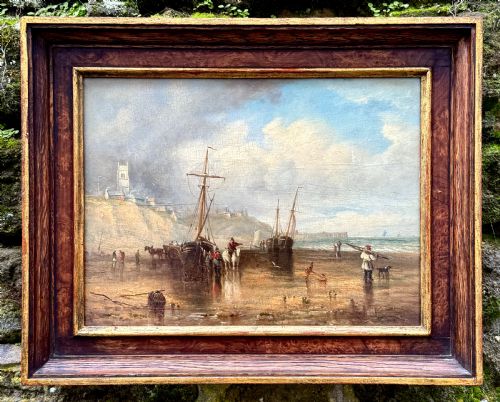
Many works record bustling commercial hubs along the River Thames around London Bridge, St Pauls and the Pool of London. Other frequent locations include Cornish fishing ports such as St Ives and coastal stretches across the Isle of Wight.
Artists frequently travelled to working harbours to observe shipping traffic and coastal weather patterns firsthand. Local landmarks like pier structures and specific geological formations help identify exact geographic settings.
How should I care for an oil painting on canvas?
Keep works away from direct sunlight and areas subject to sudden fluctuations in household temperature and humidity. Stable environmental conditions prevent the canvas support from slackening and safeguard the underlying oil layers.
Dust surfaces gently with a soft dry brush without applying liquid cleaners or household solvents. Professional conservators should handle any structural repairs or deeper varnish cleaning.
What subjects are most common in British marine art?
Traditional subjects encompass busy merchant shipping, naval engagements with warships firing cannons, and small fishing boats battling rough seas. Coastal landscapes featuring smugglers, cliff paths and quiet estuaries appear with equal frequency.
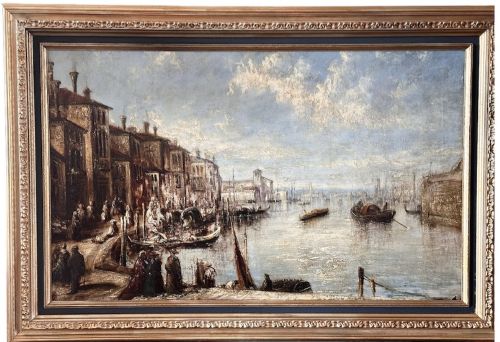
Urban river scenes incorporating bridges and industrial barges document the commercial life of historic ports. Artists often focused on the changing moods of the weather, capturing storms breaking over rocky shores or calm evening light upon Venice.