



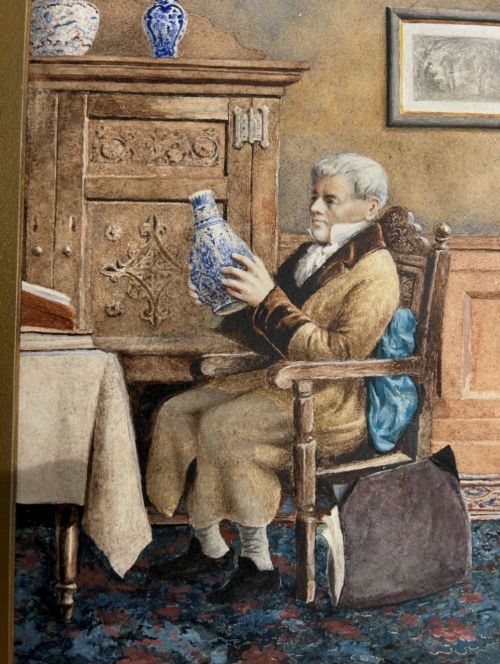
Original Victorian Painting
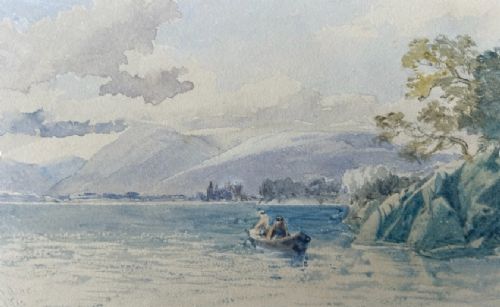
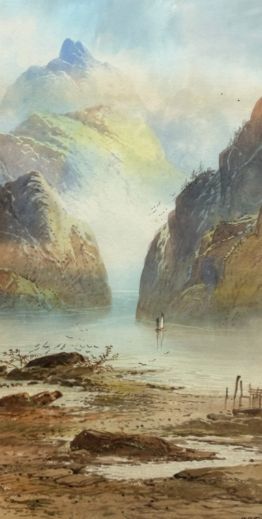
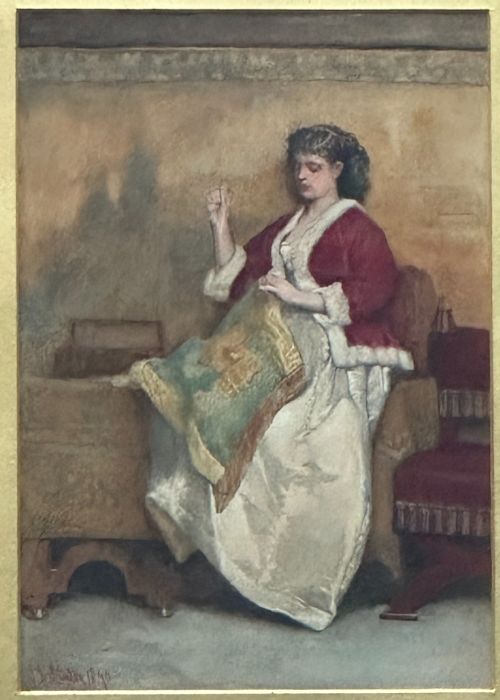
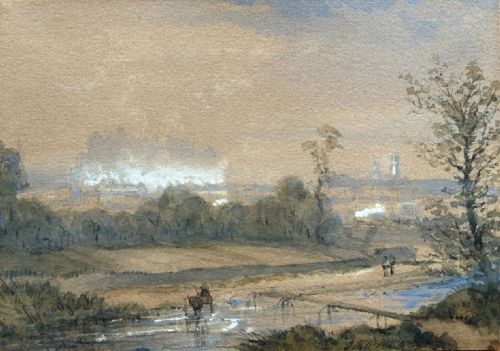
Selecting an original victorian painting brings home the intimate brushwork, domestic portraiture and romantic landscapes that defined nineteenth-century British visual culture.
Original Victorian Painting
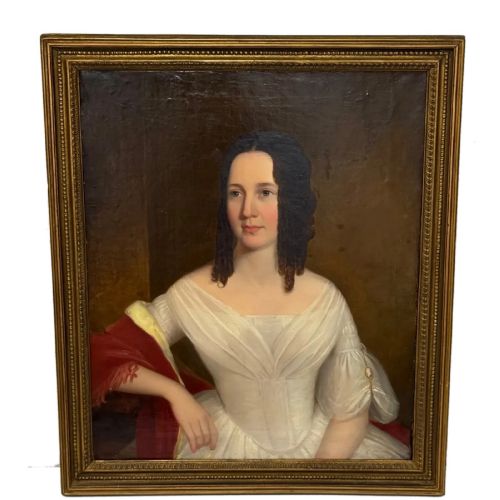
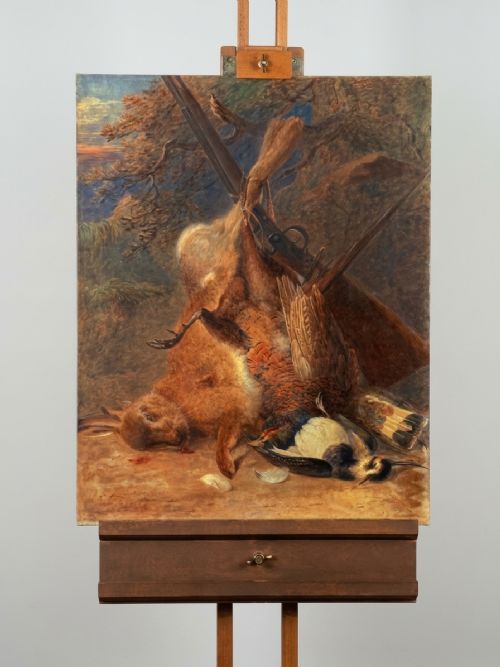
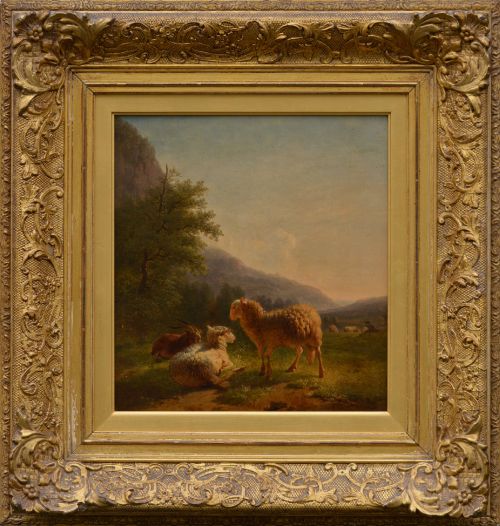
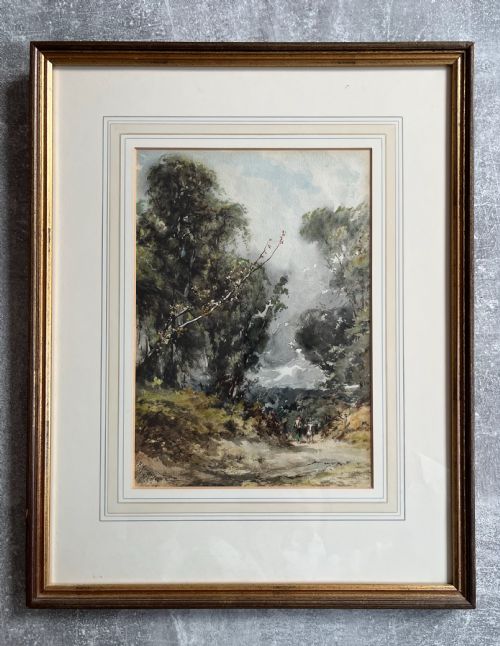
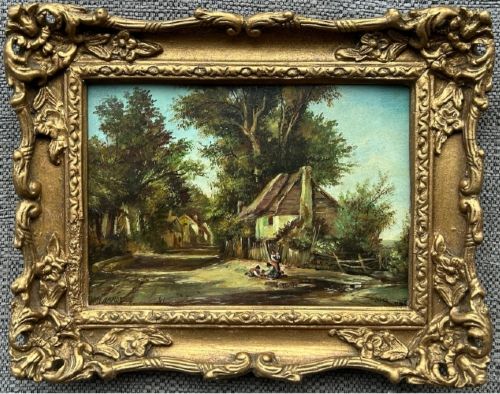
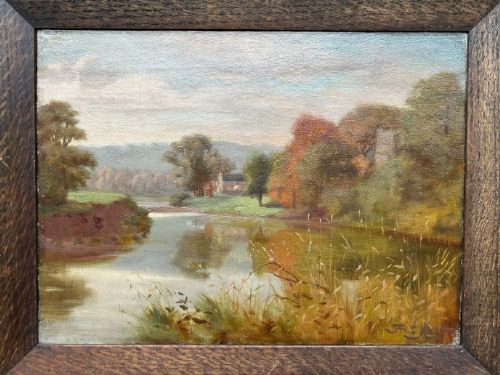
When searching for an original victorian painting, buyers encounter works executed across the nineteenth century, including romantic landscapes, pastoral scenes and detailed portraiture. These pieces range from intimate botanical watercolours on paper to large oil paintings on canvas framed in giltwood.
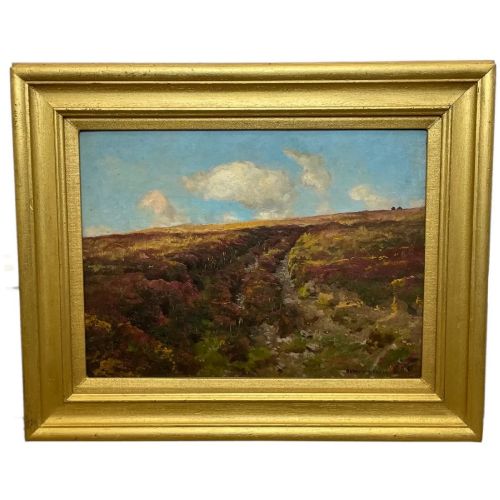
The selection frequently includes coastal views, Scottish highland vistas and interior genre scenes signed by regional artists and Royal Academy exhibitors alike. Many survive within their period frames, preserving the original relationship between the artwork and its domestic display.
Portraits of Victorian gentlemen and ladies appear alongside sporting art, still lifes of birds' nests and botanical studies of roses and fuscias. Works span from early nineteenth-century primitive pieces to Edwardian landscapes dated into the early nineteen-hundreds.
How They Were Made
Painters utilised oil paint applied to stretched canvas, wood panels, millboard or milk glass, building up rich impasto and transparent glazes. Watercolours combined pigments with bodycolour on paper, sometimes supported by ink and wash or charcoal sketching.
Surviving pieces were housed in hand-carved gilded frames, bird's-eye maple mouldings or ebonised surrounds suited to nineteenth-century interiors. Miniature works on card or paper were frequently set into brooch mounts or protective portrait frames.
Original Victorian Painting Retail Price Guide 2026
Typical asking prices for original victorian painting among the pieces listed under this phrase on Sellingantiques today, from the lower quarter to the upper quarter. They describe what is for sale here now, not the wider market.
Listings feature nineteenth-century watercolours and oil paintings on canvas, board, paper and milk glass.
What Varies In Quality
Quality rests upon the confidence of the draftsmanship, the handling of light and atmosphere, and the preservation of the pigment layer. Superior works demonstrate anatomical accuracy in figures and animals, alongside sensitive rendering of natural textures like foliage and water.
The integration of the painting with its period frame contributes significantly to the overall standing of a piece. Original mounts, legible artist signatures and documented exhibition provenance elevate individual examples within the broader nineteenth-century school.
GEORGE SYDNEY SHEPHERD·Eugène Verboeckhoven·George Fotherly Hargitt·Thomas Miles Richardson Jnr·James Orrock·William Henry Earp·Sir James Dromgole Linton·John R Prentice·Alfred Young Nutt·William Howard Hardy·Frederick Marriott·Arthur Wardle·Henry Stacy Marks·James Smetham·John Horace Hooper·A. Mitchell·John McDougal·Alfred Fontville de Breanski Jr·EJ Letheren·Oliver Clare·William Banks Fortescue·Stephen Samuel Lewin·Vittorio Reggianini·Thomas W Lascelles·Robert A. Nottingham
The Original Victorian Painting Glossary
- Bodycolour
- Watercolour paint mixed with a white pigment to make it opaque. This technique adds dense highlights and solid areas of colour to nineteenth-century works on paper.
- Giltwood
- Wood carved and coated with gold leaf or gold paint. Frames in this material were standard for framing oil paintings during the Victorian period.
- Impasto
- Paint applied thickly to a canvas or panel so that it stands proud of the surface. This method creates visible brush texture and catches the light.
- Provenance
- The documented history of ownership of an artwork. A recorded lineage helps verify the authenticity and exhibition background of period paintings.
- Wove paper
- Paper made on a fine wire mesh that leaves an even, smooth texture without ribbed lines. It became the standard support for high-quality watercolours and drawings.
Original Victorian Painting: Frequently Asked Questions
What is the difference between oil and watercolour?
Oil paintings utilise pigment suspended in drying oils applied to canvas, wood panels or board, resulting in a robust, textured surface that reflects light differently. Watercolours use water-soluble pigments on paper, producing a luminous, transparent effect.
Oils were traditionally chosen for grand portraits and dramatic landscapes meant to hang unframed by glass. Watercolours offered portability for artists sketching en plein air across British and European landscapes.
How can I date a nineteenth-century painting?
Dating relies on stylistic evidence, artist signatures, inscriptions verso and the physical construction of the canvas, panel or frame. Many nineteenth-century works bear contemporary signatures, exhibition labels or dates written directly onto the stretcher bars.
Comparative study of framing materials, such as giltwood mouldings or birdseye maple frames, often provides a reliable secondary indicator of the period. Documentation linking the work to known exhibition dates or artist lifespans narrows the timeframe further.
Where were victorian paintings displayed?
Victorian households displayed framed oil paintings and watercolours prominently across domestic spaces including drawing rooms, libraries and dining parlours. Large-scale oil portraits and pastoral landscapes anchored formal entertaining rooms.
Smaller botanical watercolours and marine sketches were often grouped in intimate groupings along staircases or private bedrooms. This dense hanging style reflected nineteenth-century interior aesthetics where walls were filled with varied artworks.