


English School Painting
When examining an english school painting, you step directly into the rich lineage of British portraiture and landscape art created across the centuries.
English School Painting
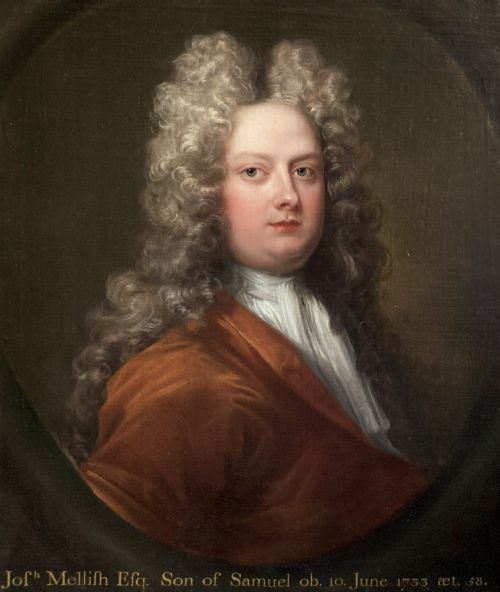
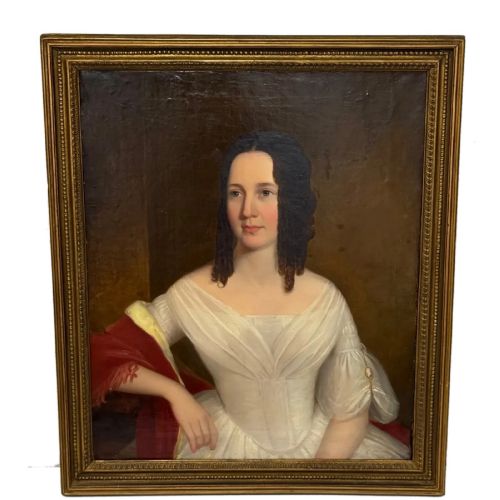
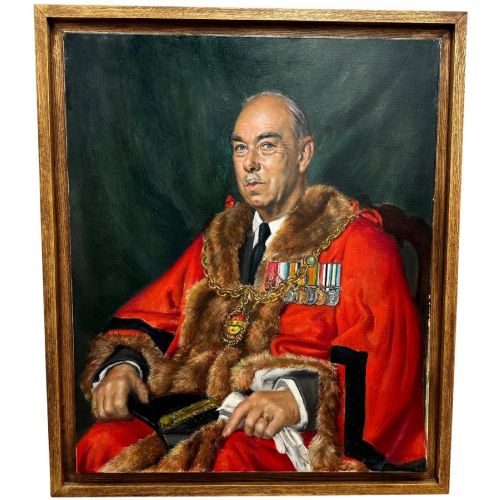
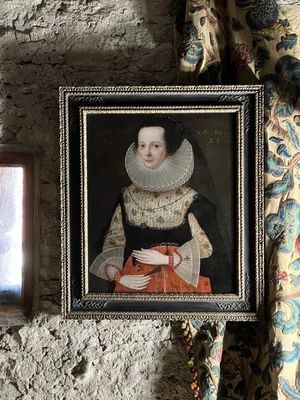
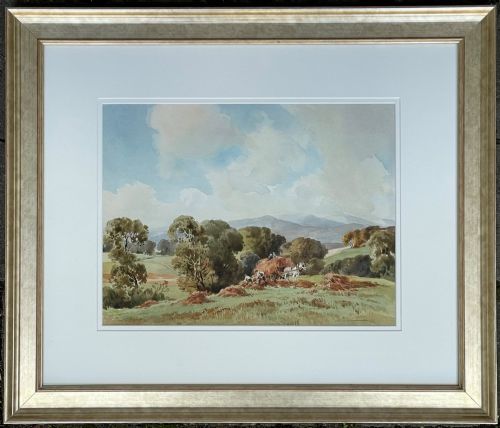
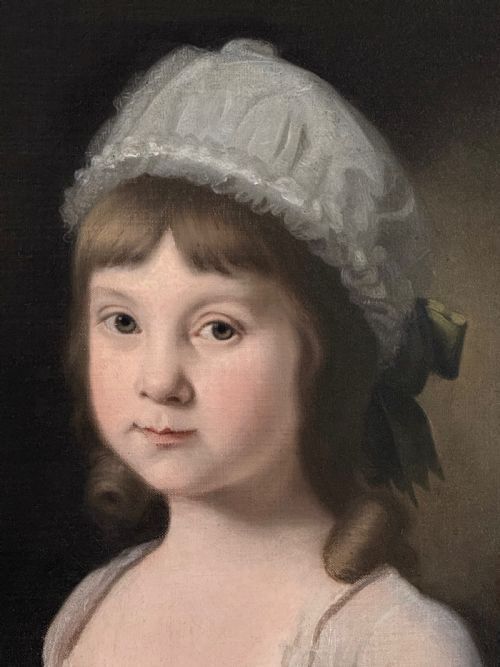
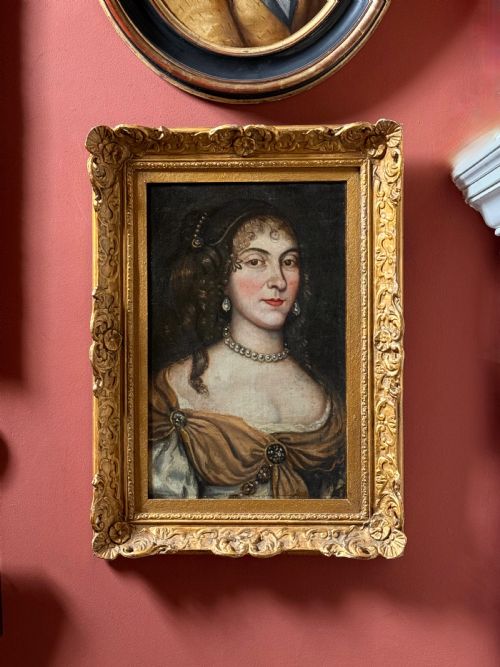
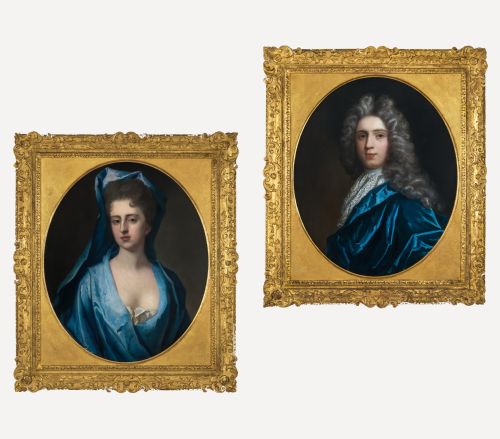
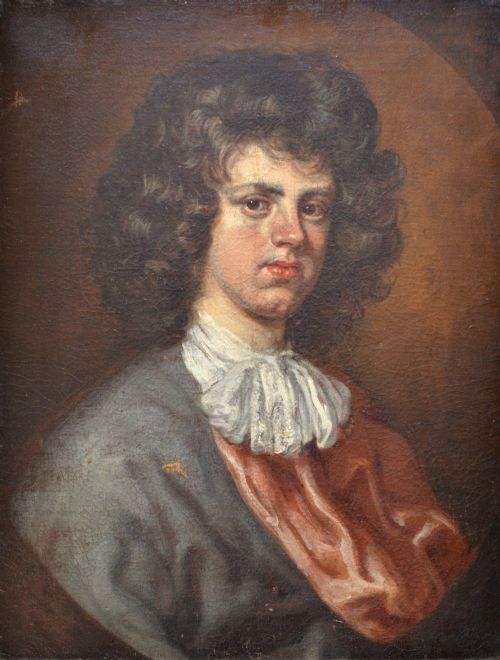
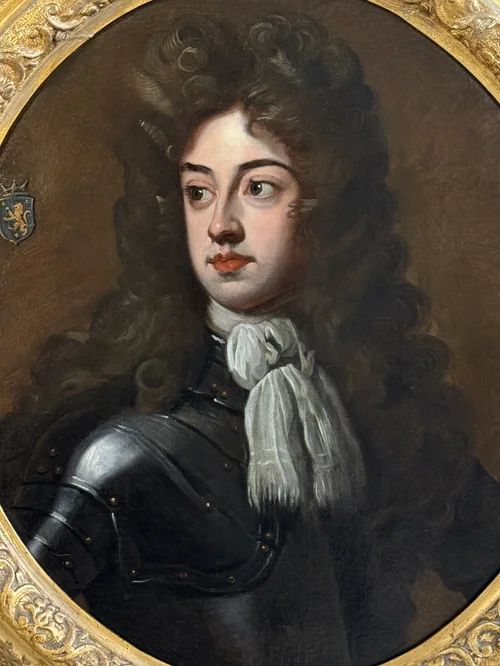
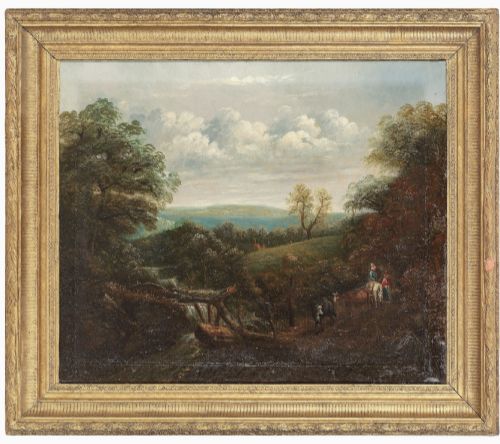
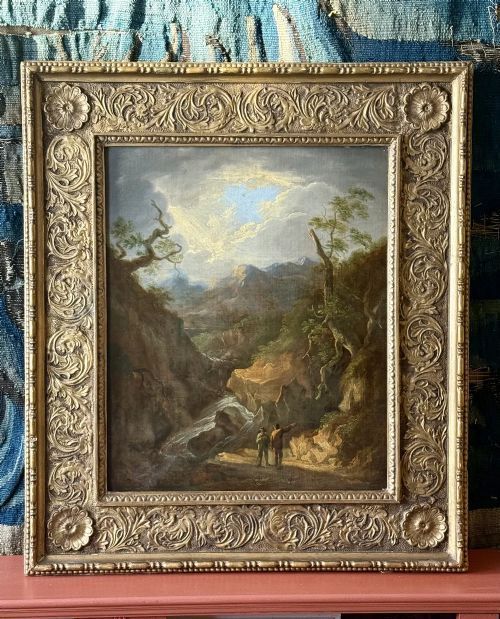
An english school painting encompasses historic works produced by British artists, studio circles, and regional traditions operating from the seventeenth century onwards. These pieces frequently record distinct eras of national life, capturing the likenesses of nobility, gentry, and everyday citizens alongside familiar rural landscapes.
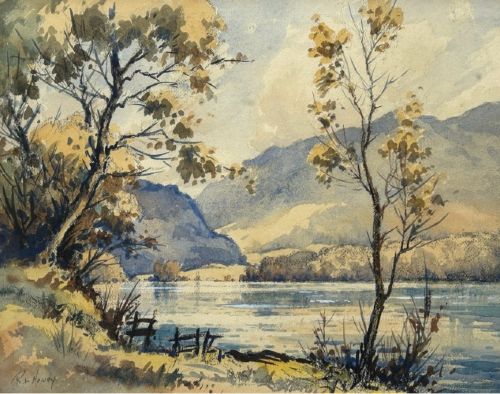
The selection on this page focuses heavily on oil on canvas portraits and scenic watercolours dating from the Georgian, Victorian, and Edwardian periods. Buyers often encounter both signed masterpieces by named practitioners and anonymous works attributed to specific regional schools.
Beyond formal portraiture, the genre extends to charming naïve cottage scenes, maritime views, and pastoral landscapes on wooden panels or canvas. Each piece offers a direct window into historical aesthetics and the evolving skill of British painters.
How They Were Made
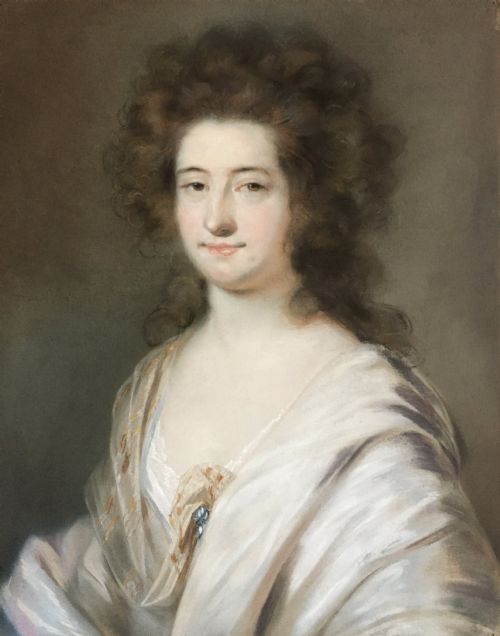
Traditional works rely on oil paint applied to stretched canvas or prepared wooden panels, occasionally incorporating giltwood frames to finish the piece. Watercolours and pastels on paper also feature prominently, offering a lighter medium for landscapes and preparatory sketches.
Artists built their compositions through layered pigments, utilising ground mediums and varnishes that contribute to the depth and preservation visible in surviving examples. Support materials ranged from heavy woven canvas to sturdy timber boards suited to the rigorous demands of early studios.
English School Painting Retail Price Guide 2026
Typical asking prices for english school painting among the pieces listed under this phrase on Sellingantiques today, from the lower quarter to the upper quarter. They describe what is for sale here now, not the wider market.
Listings feature works spanning the 17th century through the mid-20th century, executed in oil, watercolour, pastel, and glass.
What Varies in Quality
Condition and originality heavily influence the standing of a piece, including the stability of the original canvas support and the preservation of the pigment layers. Retained historical frames and clear documentation of provenance or attribution further elevate the standing of surviving works.
Charles Jervas·Henry Bone·Percy Lancaster·Joshua Reynolds·Michael Dahl·Thomas Murray·Mary Beale·Robert Leslie Howey·Godfrey Kneller·John Russell·Benjamin Barker of Bath·Thomas Lawrence·John Greenhill·William Beechey·Thomas Sidney Cooper·Thomas Beach·Trajan Hughes·Adriana Verelst·Cornelius Johnson
The English School Painting Glossary
- Oil on canvas
- A traditional painting technique where pigments suspended in drying oils are applied to a woven fabric support. This combination allowed artists to achieve rich colours and subtle blending.
- Giltwood
- Carved wood treated with a thin layer of gold leaf, commonly used for ornate historic picture frames. These frames enhance the visual weight and period authenticity of the artwork.
- Naïve school
- Art produced by self-taught painters working outside formal academic traditions. These pieces charm viewers through direct perspective and honest detailing.
- Provenance
- The documented history of ownership surrounding a work of art. Clear records help establish authenticity and past exhibitions.
- Attribution
- An expert assessment suggesting who created an unsigned or historic work based on stylistic similarities. It links pieces to known studios or master circles.
English School Painting: Frequently Asked Questions
What defines an english school painting?
The term describes artwork executed by British artists or within British artistic traditions over several centuries. It encompasses both formally trained portraiture and regional landscape studies.
Many listings lack a single named artist, instead reflecting the broader stylistic influence of a particular period or studio circle.
How can I date an old painting?
Dating relies on examining the stretcher frames, canvas preparation, and stylistic clues within the clothing and hairstyles of portrait subjects. Pigment analysis and historic inscriptions also provide vital chronological markers.
Comparing the handling of light and background elements to dated works by contemporary circles helps narrow the timeframe further.
Where should I hang these artworks?
These historical pieces suit traditional drawing rooms, studies, and hallways where traditional lighting enhances the rich tones of oil paint and gilt frames. They require placement away from direct sunlight and excessive moisture to protect the canvas and pigments.
Pairing a historic portrait with period furniture creates a cohesive interior aesthetic rooted in British heritage.
What is the difference between oil and watercolour?
Oils utilise slow-drying pigments suspended in oil on canvas or panel, allowing for rich blending and textured brushwork. Watercolours employ water-soluble pigments on paper, resulting in lighter and more translucent compositions.
Oils traditionally served formal portrait commissions, whilst watercolours captured spontaneous landscape studies and topographical views.