



Antique Paper Painting
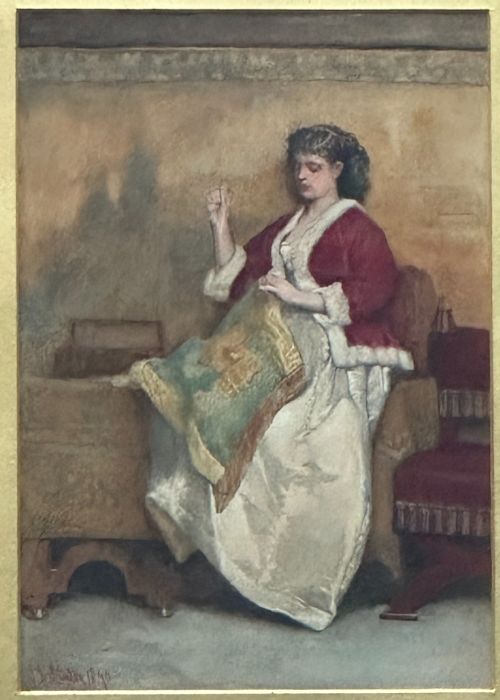
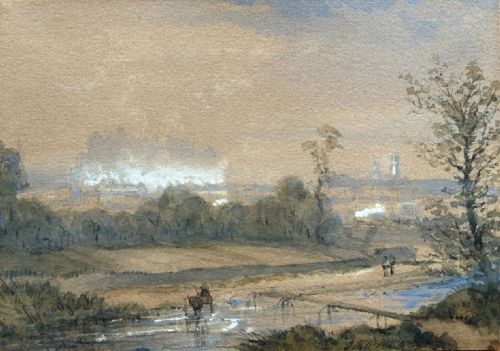
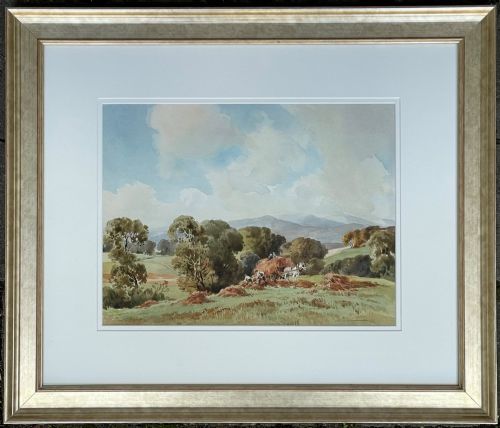
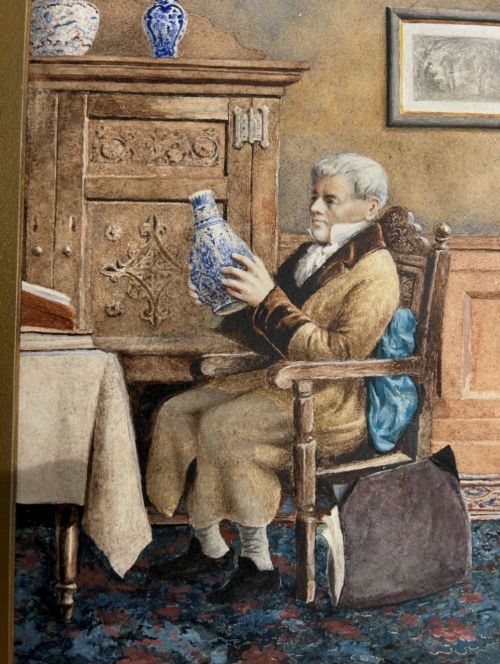
These antique paper painting works capture delicate brushwork and domestic or distant scenes across centuries.
Antique Paper Painting
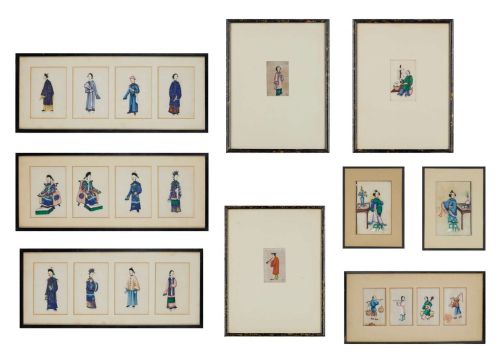
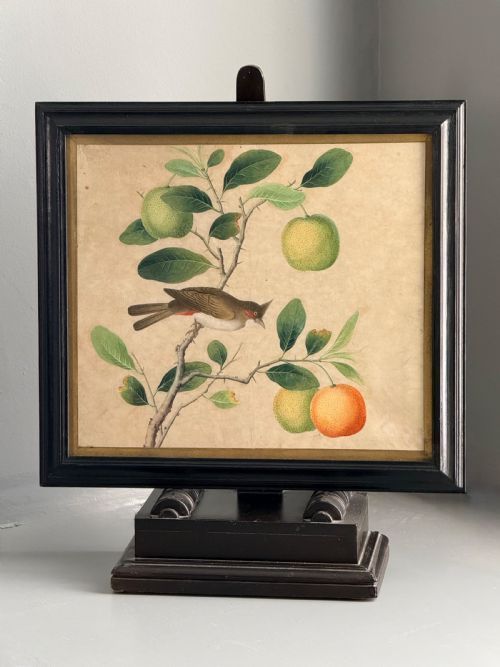
An antique paper painting encompasses works executed on fragile plant-based supports, spanning architectural designs, botanical studies, and portraiture. Buyers examine pieces originating from Georgian, Victorian, and Edwardian periods alongside Chinese export items.
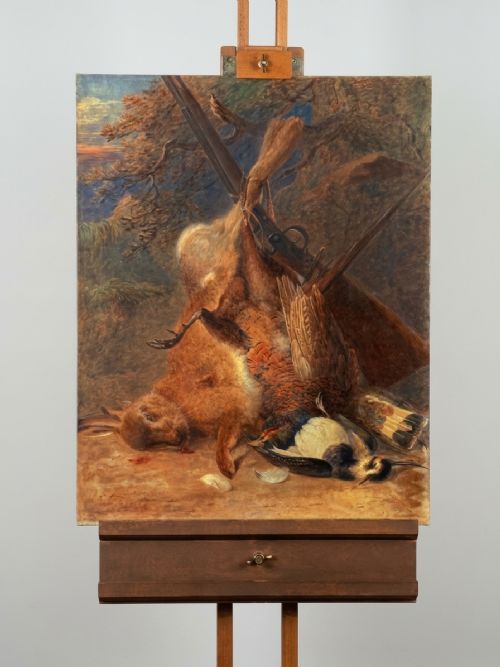
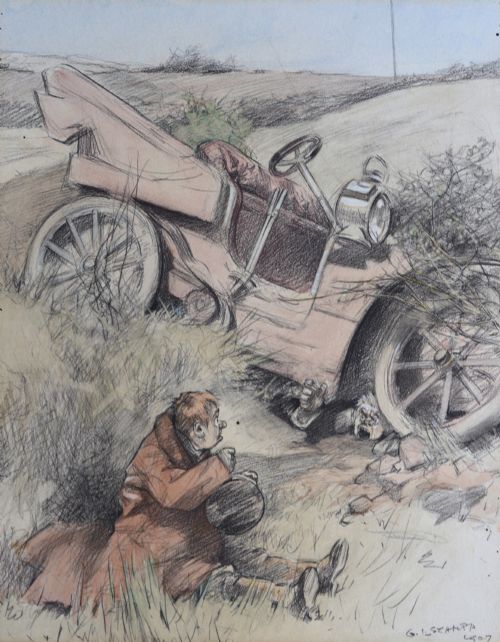
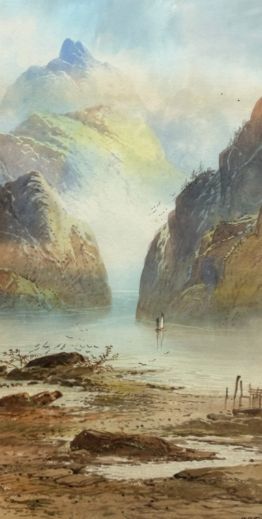
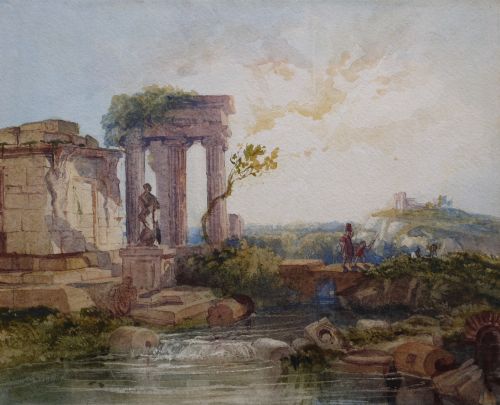
Examples range from intimate portrait miniatures to larger exhibition watercolours and decorative wallpaper designs. Works on pith and rice paper sit alongside heavier European watercolours and pastel portraits.
How they were made
Artists utilised watercolours, gouache, bodycolour, ink, wash, pastel, and charcoal applied directly to paper, pith, or laid paper supports. Pith paper provides a soft, absorbent surface that takes bright pigments with distinct depth.
Supports often include specialised stocks such as embossed paper, buff paper, or handmade sheets bearing watermarks. Framing typically incorporates glass and wood to protect the delicate dry pigments from moisture and handling.
Antique Paper Painting Retail Price Guide 2026
Typical asking prices for paper painting among the pieces listed under this phrase on Sellingantiques today, from the lower quarter to the upper quarter. They describe what is for sale here now, not the wider market.
Listings feature 19th Century, Victorian, Edwardian, and 18th Century periods alongside Chinese Export styles.
What varies in quality
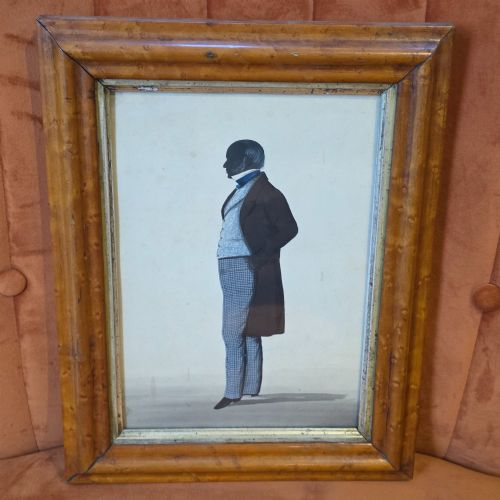
The strength of the composition and the confidence of the brushwork separate accomplished output from hesitant student exercises. Hand-cut silhouettes and detailed figural studies demonstrate superior manual dexterity.
Condition plays a central role, distinguishing works retaining vibrant, unfaded pigments from examples damaged by light or dampness. The quality of the original framing and the presence of documented provenance or signatures add further distinction.
George Sydney Shepherd·George Lorain Stampa·James Orrock·William Henry Earp·Richard Principal Leitch·Sir James Dromgole Linton·John R Prentice·Thomas Ellison·Alfred Young Nutt·Percy Lancaster·Henry Stacy Marks·James Smetham·A Marie Parsons·John McDougal·Thomas John Horsley·Herskind·James E Aitken·John Russell·Frank Watson Wood·Henry Silkstone Hopwood·Muriel Metcalfe·Frank William Scarbrough·John Smith Atherton·Th Thibault·Hector Caffieri
The Antique Paper Painting Glossary
- Pith paper
- A delicate material cut from the pith of the Tetrapanax papyrifer plant, common in Chinese export art. It absorbs watercolour pigment to yield a velvety finish.
- Gouache
- An opaque watercolour medium mixed with a white pigment filler. It creates dense, flat areas of colour with a matte surface.
- Laid paper
- Paper showing parallel wire lines and grid lines from the mould during manufacture. It frequently appears in older European book and art productions.
- Bodycolour
- Watercolour mixed with Chinese white to produce an opaque finish. It adds highlights and density to traditional transparent watercolours.
- Grisaille
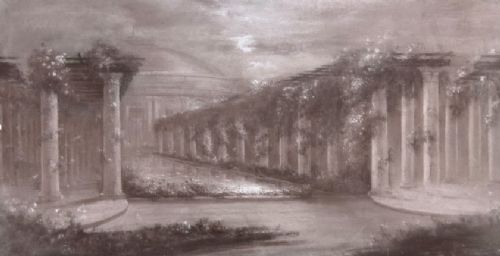
- Painting executed entirely in shades of grey, neutral grey, or monochromatic tones. It often serves as a preparatory study or an independent tonal artwork.
Antique Paper Painting: Frequently Asked Questions
How do I care for an antique paper painting?
Keep works away from direct sunlight and high humidity to prevent the paper from yellowing and the pigments from fading. Framing with UV-filtering glass protects the fragile surface.
Avoid hanging these pieces in kitchens or damp areas where moisture can cause foxing spots or mould growth on the paper support.
What is pith paper?
Pith paper is a porous, fragile material made from the cellular pith of a shrub native to southern China. It has a velvet-like texture that accepts brilliant watercolours well.
Because the material is easily bruised, pieces on pith paper require careful handling and protective glazing.
How can I tell the period of a watercolour?
Look at the framing, the style of the mounting, and any inscriptions or dates written on the reverse or front. Costume, hairstyles, and architectural details in the subject matter also offer clues.
Paper types and watermarks can help narrow down the date range when stylistic evidence remains inconclusive.
Are all paper paintings signed?
Many historical works remain unsigned, particularly studies, preliminary sketches, and Chinese export paintings made for trade. Attribution often relies on style, contemporary labels, or family provenance.
Signatures should be examined alongside the medium and paper to ensure they belong to the original period of creation.