
18th Century Art
18th century art encompasses period oil paintings, portrait miniatures, and hand-coloured engravings that capture the likenesses and scenes of the Georgian era.
18th Century Art
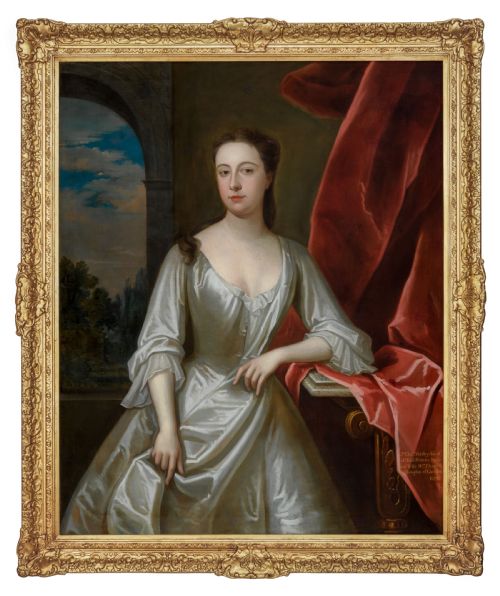
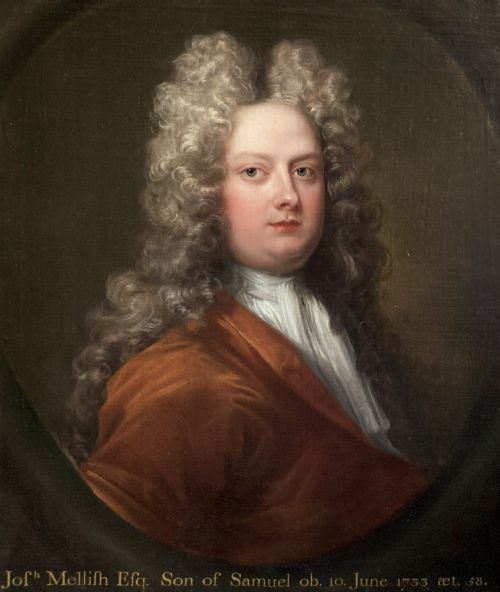
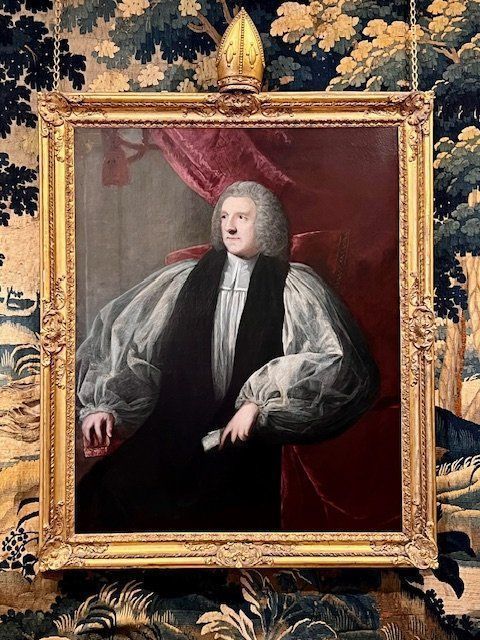
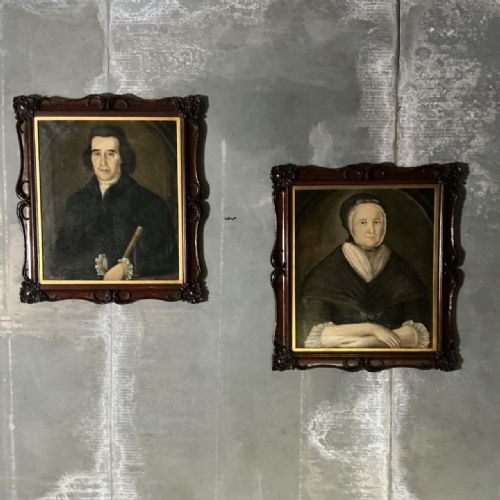
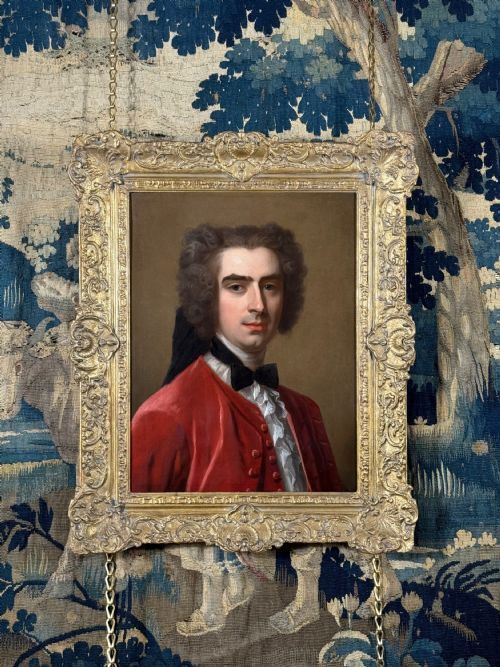
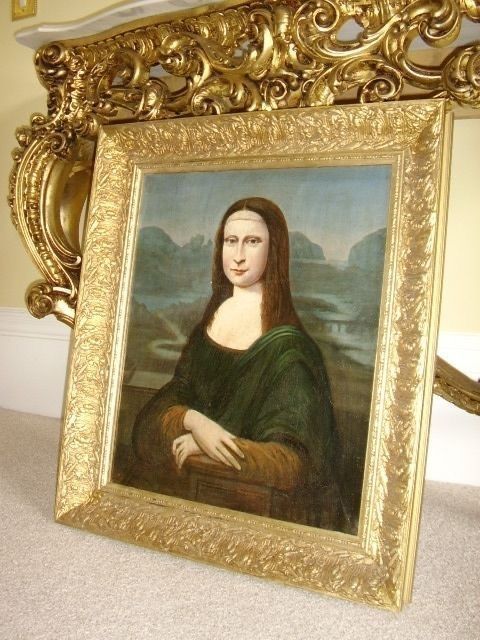
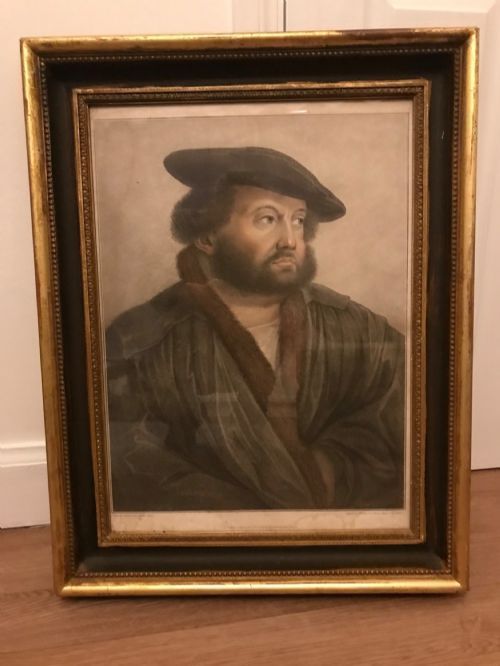
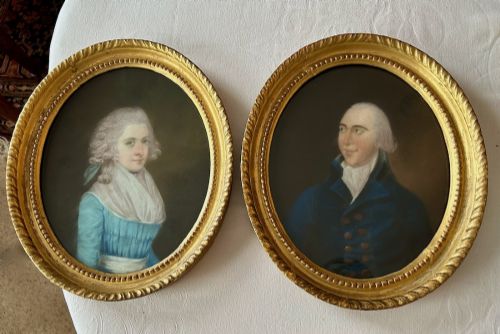
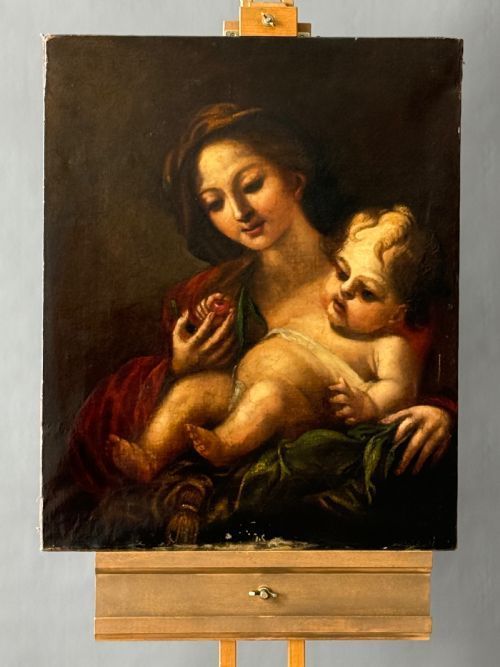
When searching for 18th century art, buyers encounter a rich selection of portraiture, prints, and works on paper from the Georgian period and surrounding decades. Oil paintings on canvas dominate the selection, portraying sitters ranging from aristocracy to country gentry through the hands of established painters and regional schools alike.
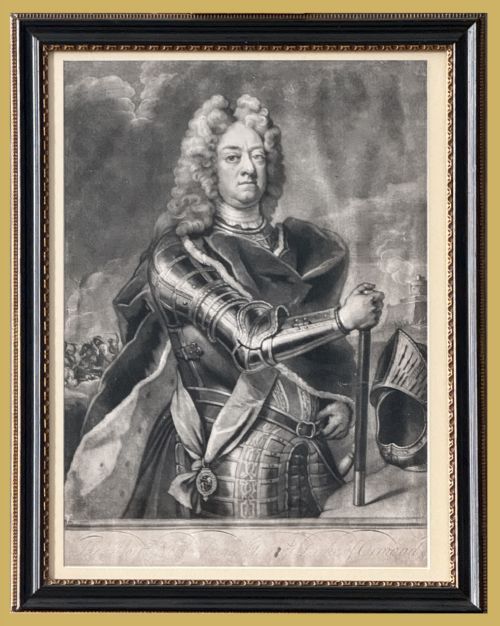
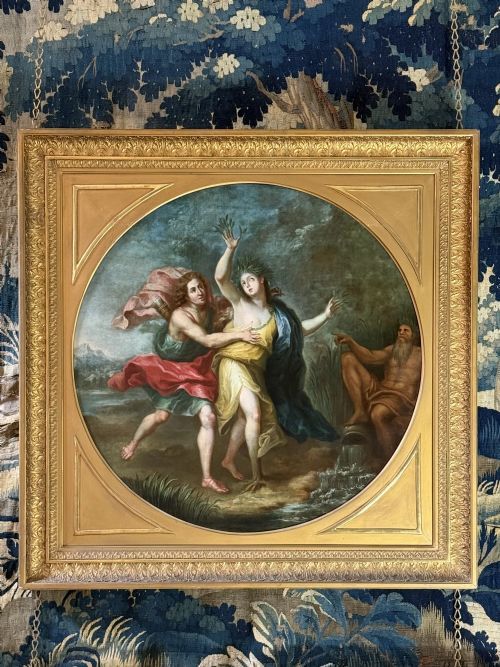
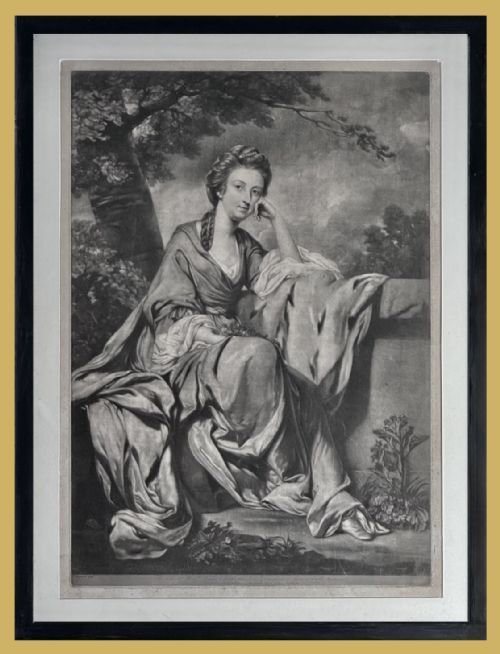
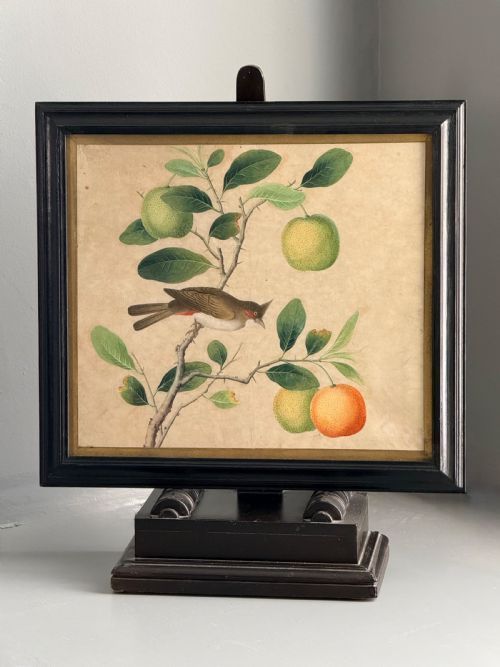
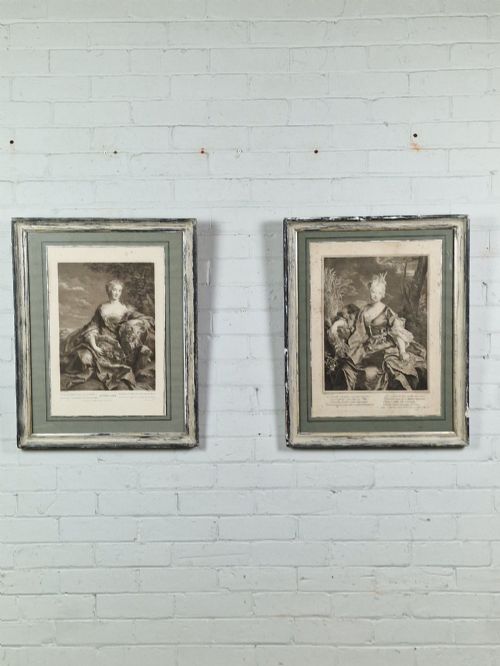
Beyond grand canvases, the selection includes intimate portrait miniatures, pastel drawings, and intricate engravings published by printmakers. Pieces span classical mythology, devotional subjects, and natural history illustrations, reflecting the diverse visual culture of the era.
The objects derive primarily from British and European workshops, preserving the distinct aesthetic movements of the Georgian epoch alongside earlier Baroque survivals. Buyers find everything from large salon portraits to delicate works on pith paper.
How They Were Made
Painters of the period utilised oil on canvas, applying rich pigments to build depth in drapery and flesh tones, often framed by contemporary giltwood moulding. Draughtsmen and printmakers worked with ink, stipple engraving, and mezzotint techniques on paper, sometimes adding hand-colouring directly to the printed surface.
Specialised media such as enamel on copper, gouache on pith, and reverse glass painting required meticulous brushwork executed in miniature. These varied techniques highlight the artisanal precision applied to both large-scale gallery works and domestic decorative pieces.
18th Century Art Retail Price Guide 2026
Typical asking prices for 18th century art among the pieces listed under this phrase on Sellingantiques today, from the lower quarter to the upper quarter. They describe what is for sale here now, not the wider market.
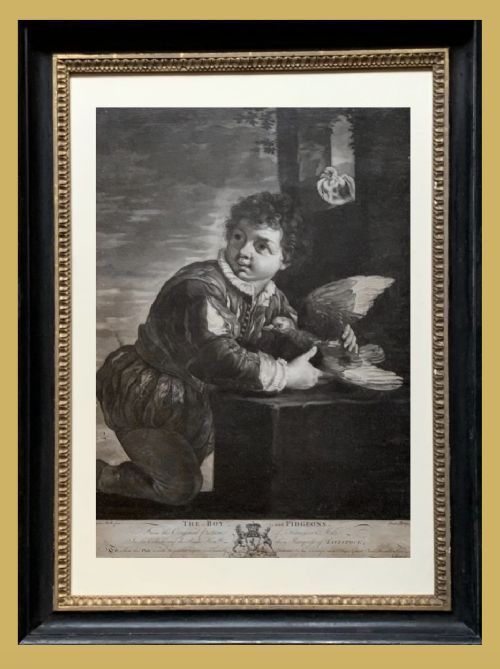
Several eighteenth-century portraits successfully immortalise domestic pets, including pigeons and lapdogs, sharing canvas space with their wealthy owners.
What Varies in Quality
The condition of the medium also dictates distinction, separating untouched oil surfaces and crisp, early-state mezzotints from heavily retouched canvases or worn impressions on paper.
Sir Godfrey Kneller·Charles Jervas·Michael Dahl·Sir Joshua Reynolds·John Boydell·James Watson·Edward Fisher·Jean-Baptiste Van Loo·Francesco Bartolozzi·Henry Bone·George Willison·John Opie·Jeremiah Davison·Katsukawa Shunsho·Lemuel Francis Abbott
The 18th Century Art Glossary
- Mezzotint
- A printmaking process where the copper plate is roughened to achieve rich dark tones and subtle gradations of light. This tonal method was widely used for translating grand oil portraits into popular prints.
- Stipple engraving
- A technique of building an image through a dense pattern of small dots rather than continuous lines. It produced soft, painterly effects popular for reproductive portraits in the late Georgian period.
- Portrait miniature
- A small, highly detailed painting executed on ivory, vellum, or card, often designed to be worn or kept in a protective case. These intimate objects required extreme precision using very fine brushes.
- Giltwood
- Timber carved and coated with gold leaf or metal powder to create a reflective surface for decorative frames. It provided the standard opulent framing for fine oil paintings of the period.
- Reverse glass painting
- An artwork painted directly onto the back of a glass panel and viewed from the front. This delicate technique reverses the standard layering of a composition to produce a luminous finish.
18th Century Art: Frequently Asked Questions
How do I identify a period oil painting?
Examine the canvas preparation, stretcher construction, and pigment composition under magnification to determine its age. Older works often feature hand-woven canvas and traditional lead-based grounds consistent with Georgian studio practices.
Look closely at the clothing styles, hairstyles, and framing, which generally align with the stated sitters or period fashions. Expert attribution also relies on documented provenance and stylistic comparisons with known artists' corpuses.
What is a mezzotint portrait?
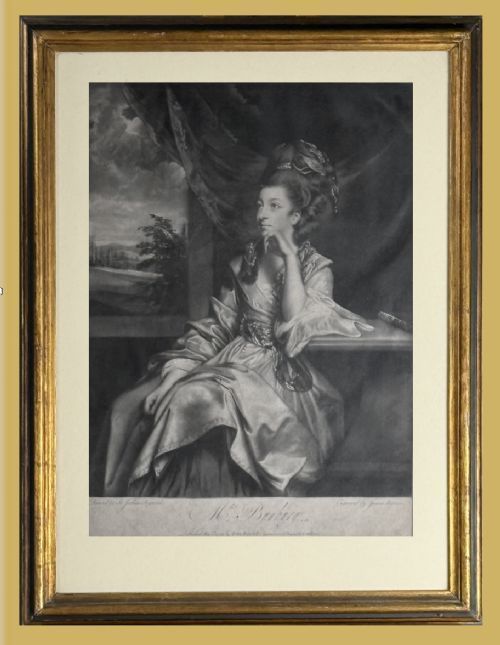
A mezzotint is a print created by roughening a copper plate uniformly and then scraping away areas to produce light and shade. This method allows for velvety dark backgrounds and smooth tonal transitions.
Publishers used this technique extensively during the Georgian era to disseminate popular images of nobility and public figures. Collectors prize early impressions for their deep contrast and crisp detail.
How should I care for antique works on paper?
Keep prints, engravings, and drawings away from direct sunlight to prevent the fading of ink and hand-colouring. Acid-free mounting and UV-filtering glass help protect delicate paper fibres from environmental degradation.
Maintain stable humidity levels in the display room to avoid cockling or mould growth on historic paper surfaces. Professional framing ensures the artwork remains properly ventilated without touching the glazing.
Where were portrait miniatures displayed?
Portrait miniatures were typically housed in small protective cases, lockets, or framed for intimate domestic placement. Their diminutive scale meant they were designed to be held in the hand or worn close to the heart.
Owners often kept them in travel cases or private chambers rather than public reception rooms. This intimate usage preserved their vibrant enamel and watercolour surfaces from heavy wear.