
Georgian Period Artwork
When you seek out georgian period artwork, you encounter painted portraits, delicate watercolours, and crisp silhouettes that capture the character of the era.
Georgian Period Artwork
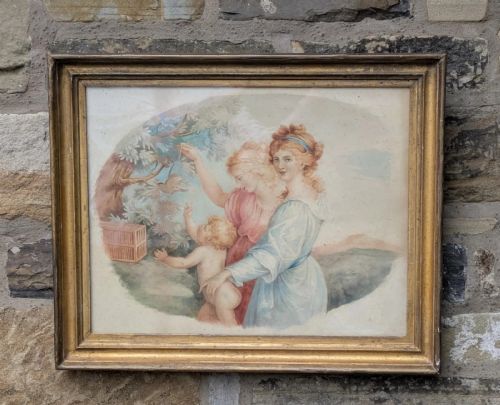
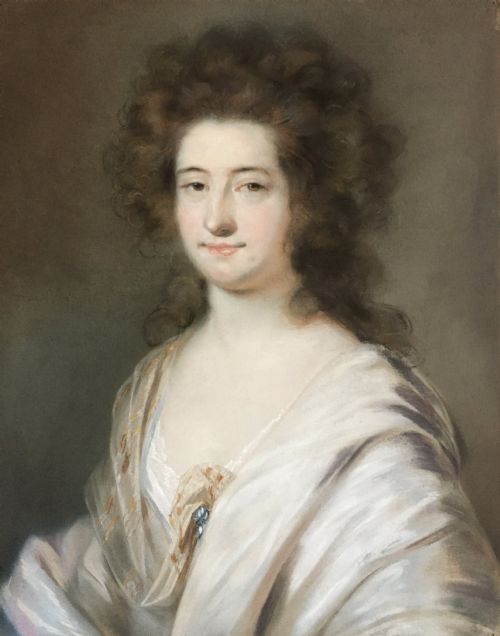
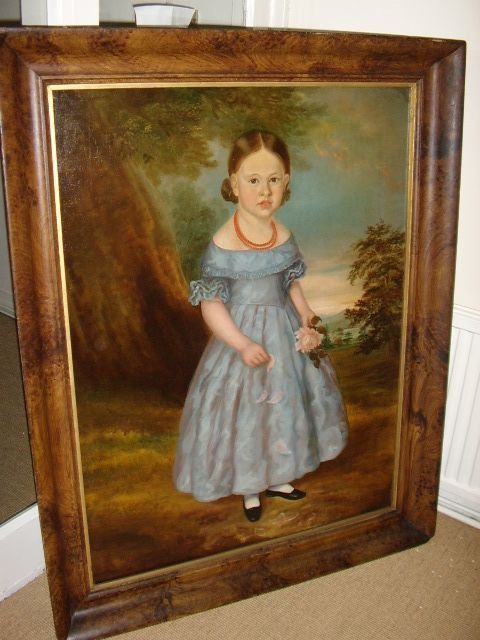
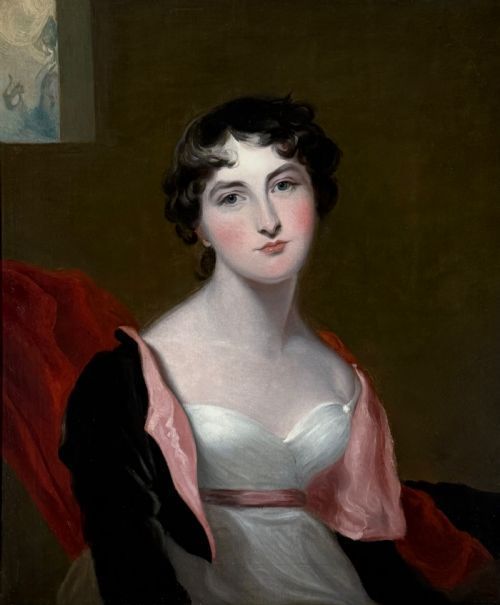
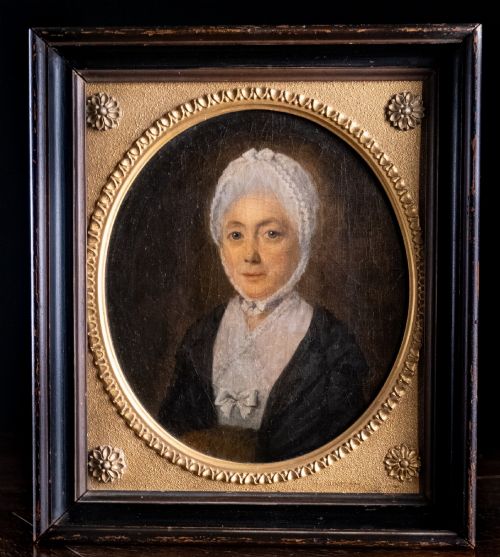
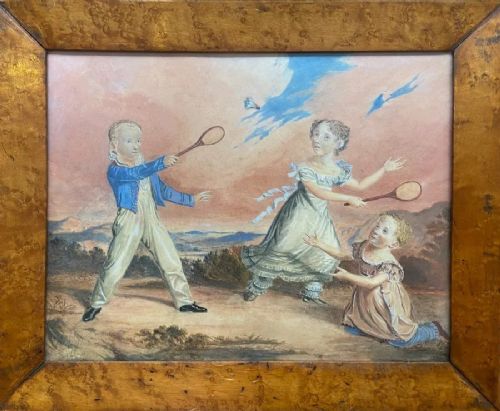
Georgian period artwork encompasses a diverse range of visual creations, predominantly featuring portraiture in oil on canvas, pastel, and watercolour. These pieces reflect the social standing, fashion, and artistic tastes of the eighteenth and early nineteenth centuries.
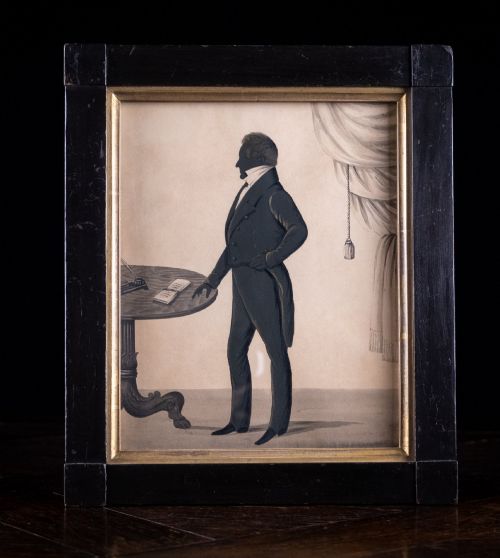
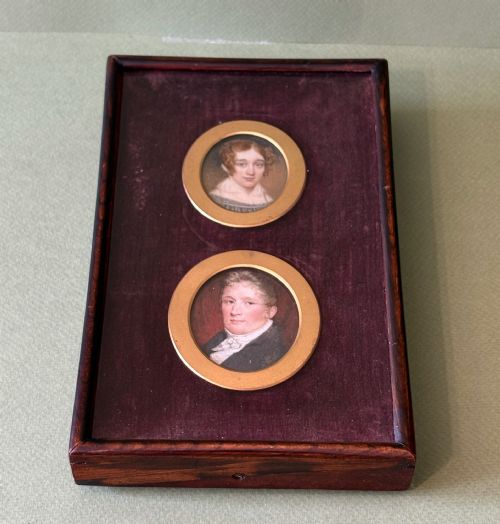
The most common representations on this page are oil paintings and portrait miniatures, alongside silhouettes and engravings. These works often depict prominent figures, children, or everyday subjects rendered through the lens of Georgian, Regency, and Rococo styles.
Materials and construction methods
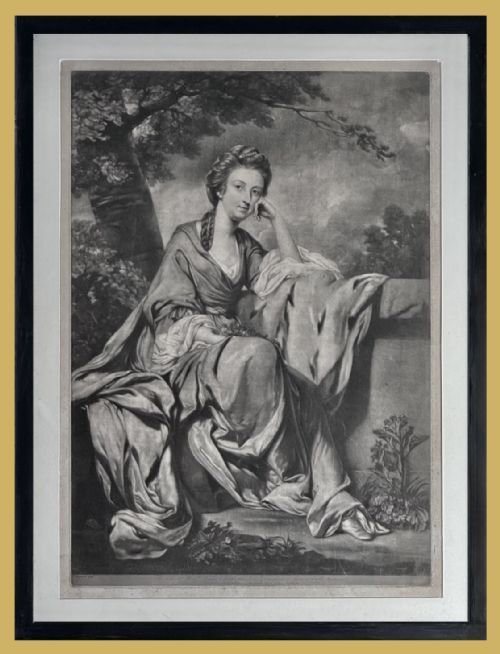
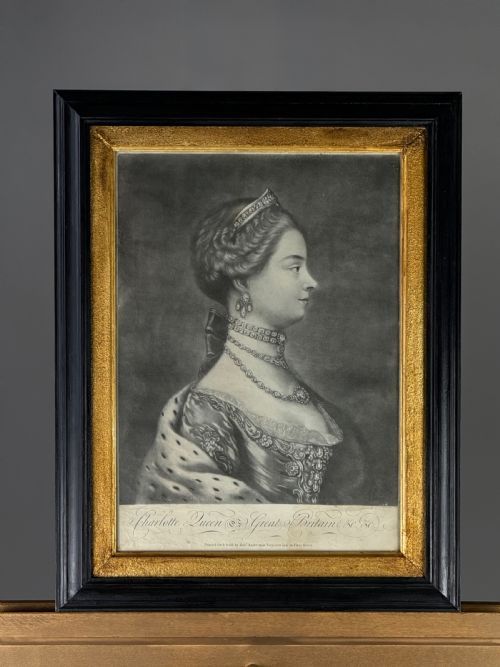
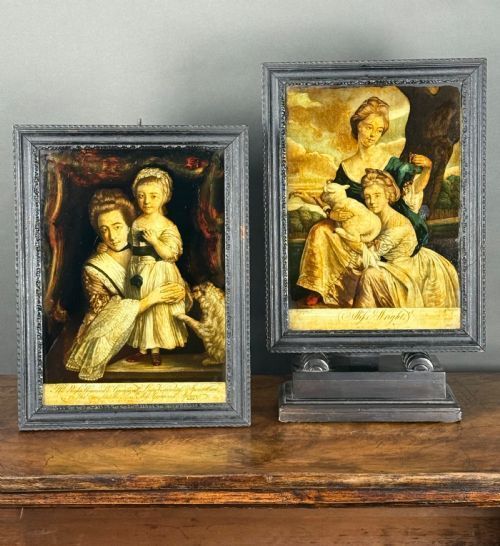
Artists of the period applied oil paints to stretched canvas or copper plates, whilst others worked with watercolours and pastels on paper. Mezzotints and engravings offered a popular method for reproducing popular portraits for a wider audience.
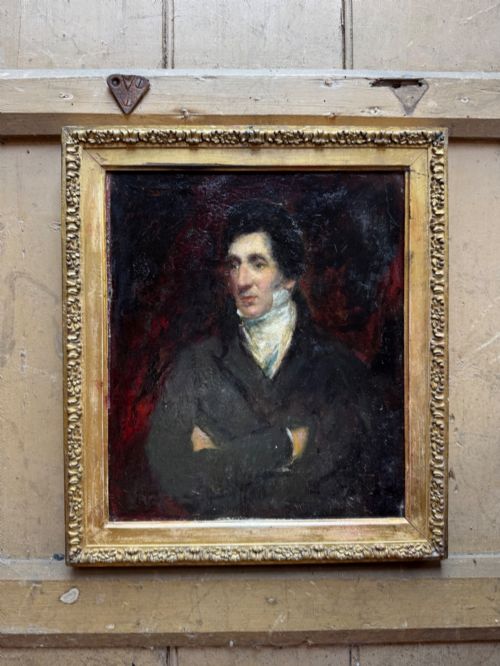
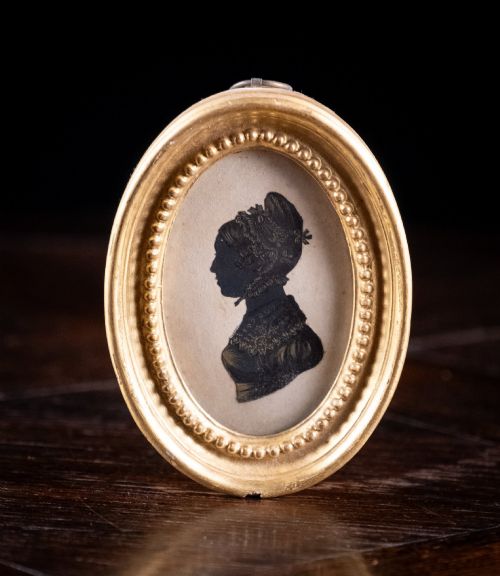
Framing often involved giltwood or Hogarth frames, which enhanced the visual depth of the paintings, watercolours, and reverse glass mezzotints. Gold leaf frequently highlighted the borders of miniature portraits and silhouettes.
Georgian Period Artwork Retail Price Guide 2026
Typical asking prices for georgian period artwork among the pieces listed under this phrase on Sellingantiques today, from the lower quarter to the upper quarter. They describe what is for sale here now, not the wider market.
Listings span multiple centuries, incorporating materials such as glass, paper, wood, oil on canvas, giltwood, watercolour, and gold leaf.
Factors influencing distinction
The preservation of the original medium, whether unblemished oil paint, vibrant watercolour pigments, or intact glass plates, dictates the overall integrity of the piece. Contemporary framing and the survival of documented attributions also elevate certain items above standard examples.
Edward Fisher·Sir Joshua Reynolds·Henry Brooker·Esther Vallance·John Russell·James McArdell·Jeremiah Meyer·Sir Thomas Lawrence·Countess Spencer·Lady Georgiana·Henry Travis·Francis Hayman·Jeremiah Davison·Allan Ramsay·James Maubert·Joseph Highmore·George Kilburne·George Romney·John Sanderson Wells
The Georgian Period Artwork Glossary
- Mezzotint
- A printmaking process where the copper plate is roughened to achieve rich tones and subtle gradations of light and dark. This technique was frequently utilised for reproducing oil paintings of notable personalities.
- Giltwood
- Wood that has been coated with a thin layer of gold leaf or powder. This finish is commonly found on the ornate frames encasing portraits and fine art from the period.
- Silhouette
- A portrait profile cut from black paper or painted onto card, plaster, or glass. These profiles gained immense popularity during the Regency era as an accessible form of likeness.
- Reverse glass painting
- An artwork created by applying pigment directly to the rear side of a glass panel so the image is viewed through the front. This method produced a glossy finish favoured for specialised mezzotints and decorative plaques.
- Pastel
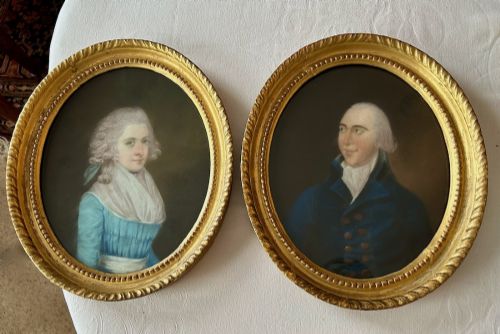
- A dry medium composed of powdered pigment and a binder, shaped into sticks for drawing. Georgian artists used pastels to achieve soft skin tones and textured garments in portraiture.
Georgian Period Artwork: Frequently Asked Questions
What subjects appear most frequently in these artworks?
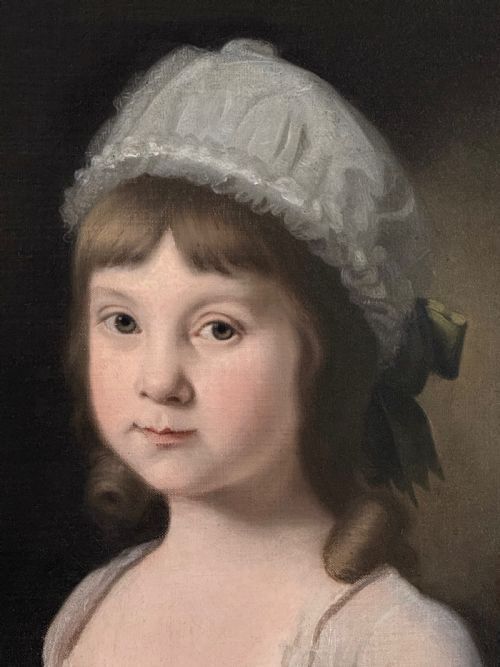
Portraits of individuals, children, and family groups dominate the selections, alongside occasional landscape scenes and figurative studies. Painters focused heavily on recording the likeness of society figures, doctors, and privateers.
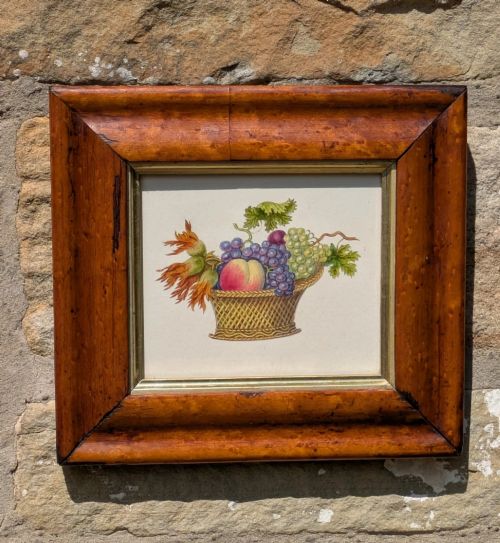
Buyers also encounter depictions of fruit in baskets, classical scenes, and narrative depictions of daily life from the eighteenth and nineteenth centuries.
How do I distinguish an 18th-century piece from a 19th-century one?
Stylistic shifts in clothing, hair fashion, and painting techniques provide the clearest indicators for dating. Eighteenth-century works often reflect Rococo or early Neoclassical aesthetics with softer, more elaborate drapery.
Nineteenth-century pieces, particularly those from the Regency period, lean towards cleaner lines, simpler dress, and distinct framing materials like gilded silhouettes.
Where were these pieces originally displayed?
Most oil paintings and framed watercolours hung within the panelled rooms and parlours of period townhouses and country estates. Portrait miniatures and silhouettes were designed for intimate domestic spaces, kept on tables or worn on the person.
Engravings and mezzotints offered portable visual culture that could be collected in portfolios or displayed in public rooms.
How should I care for antique works on paper?
Works executed in watercolour, pastel, or pencil require protection from direct sunlight to prevent fading of the delicate pigments. Acid-free mounting and framing help preserve the paper substrate over decades of display.
Maintaining stable indoor humidity levels prevents warping of both the paper and the wooden or giltwood frames that house them.