

Ebonised Framed Artwork
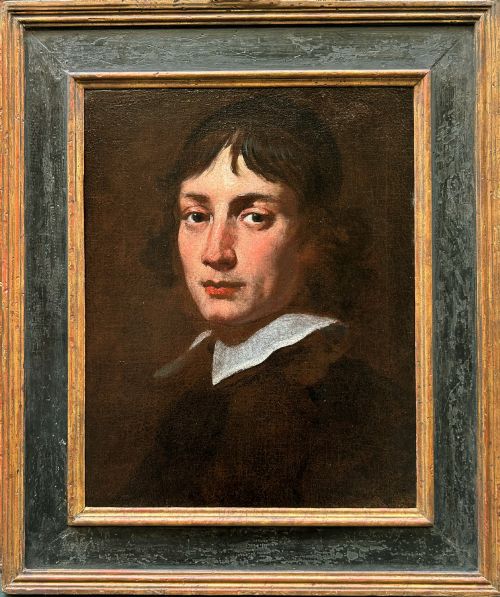
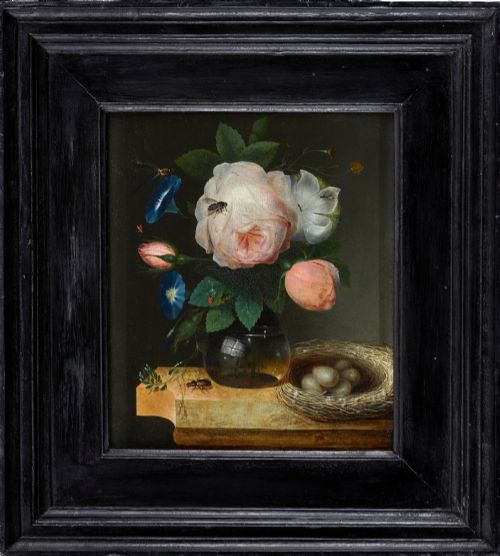
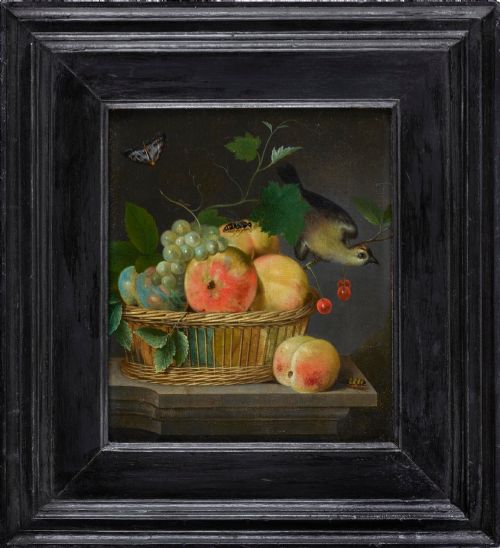
These ebonised framed artwork selections bring together centuries of portraits, landscapes and miniatures in dark timber surrounds.
Ebonised Framed Artwork
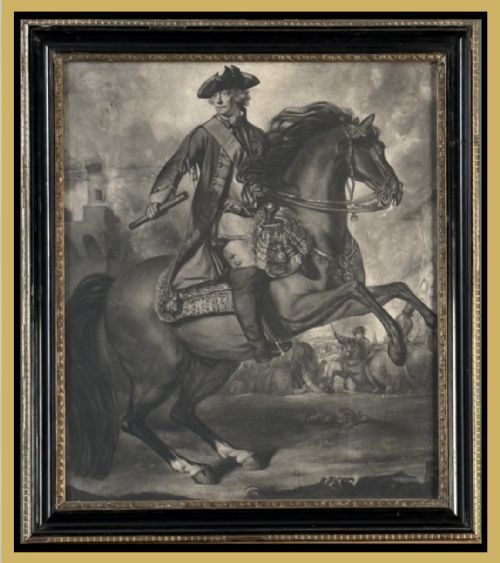
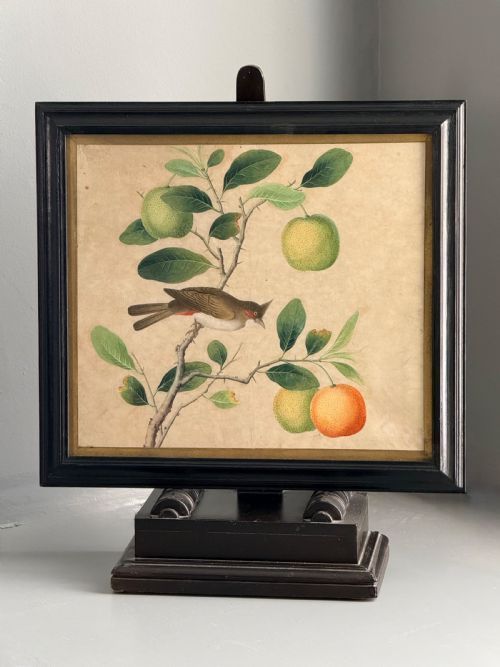
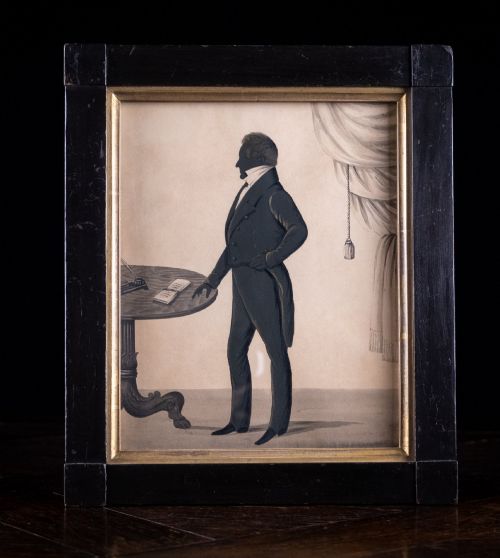
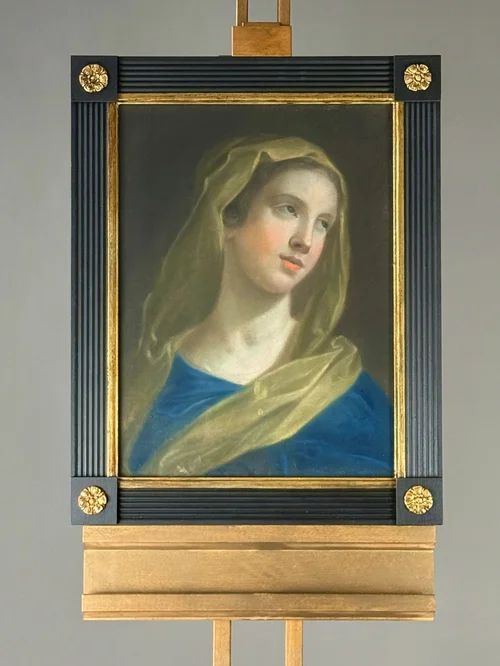
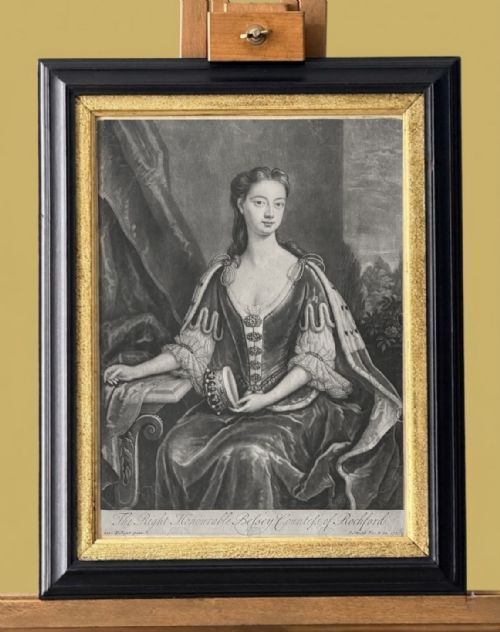
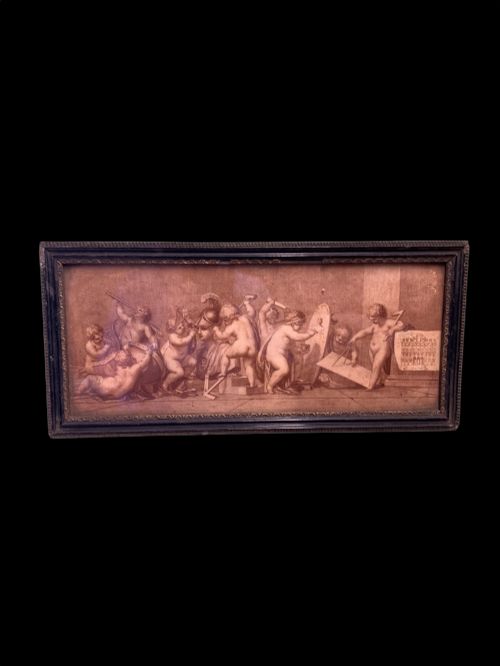
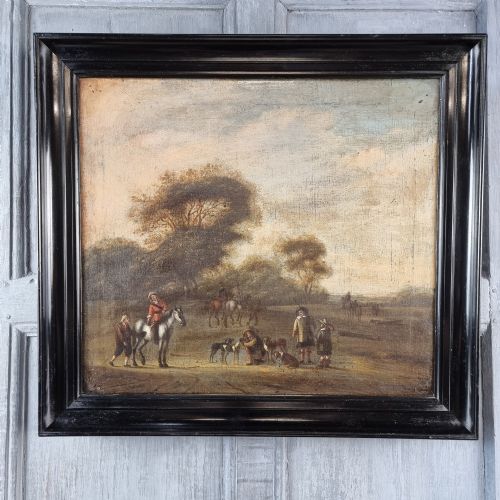
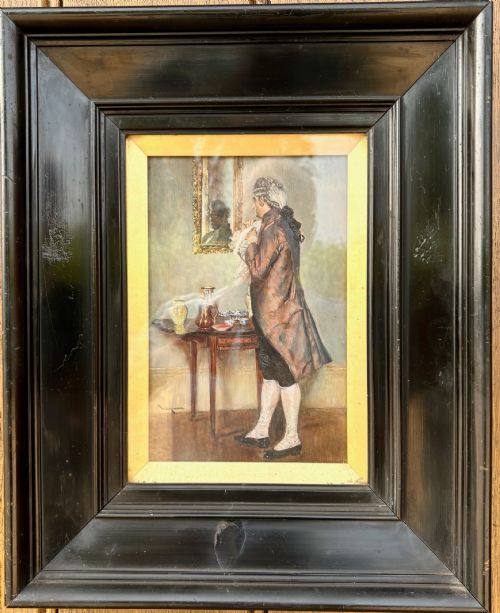
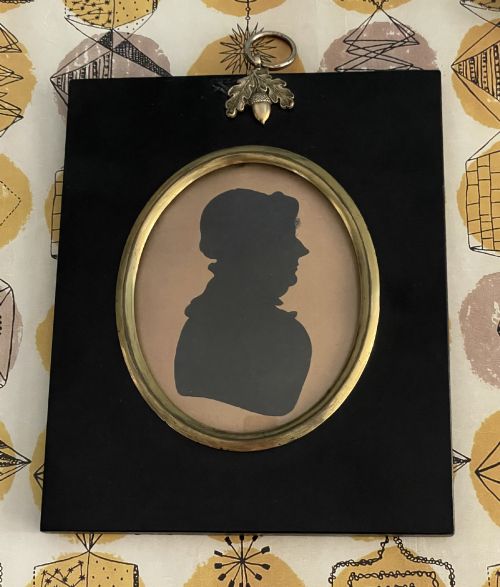
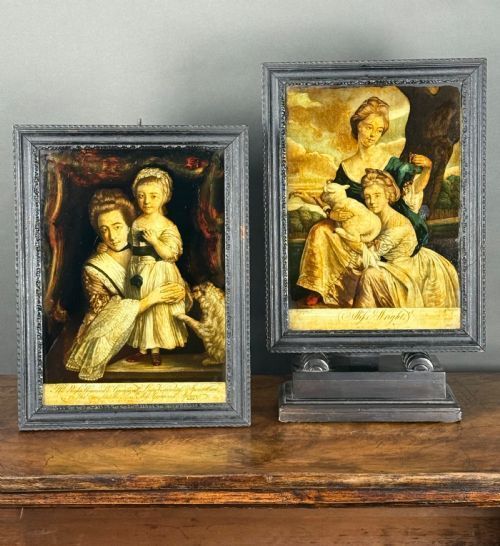
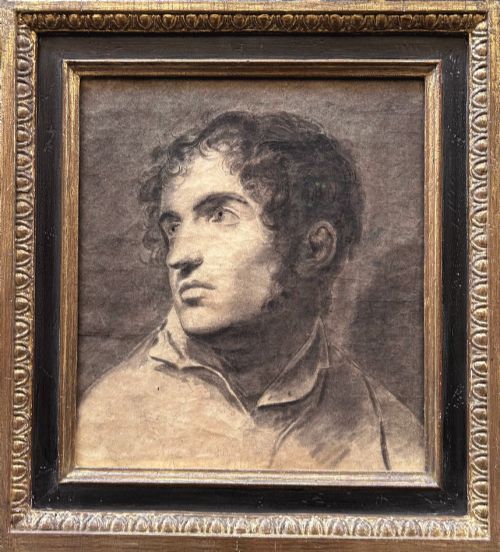
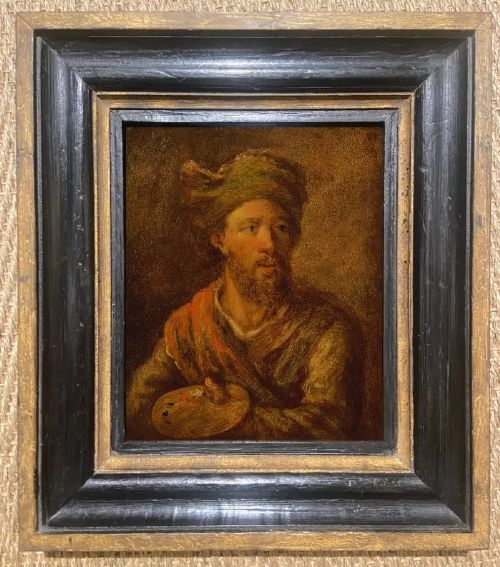
Ebonised framed artwork encompasses oil paintings, watercolours, mezzotints, silhouettes and gouache paintings housed in dark wood or ebonised surrounds. The selection ranges from 17th-century portraits and 18th-century reverse glass prints to 19th-century watercolours and micromosaic plaques.
Buyers seeking ebonised framed artwork will find works spanning the Georgian, Victorian and Regency periods, alongside Dutch Golden Age and Italian school pieces. The dark framing provides a strong visual boundary that draws the eye directly into the subject matter of the picture or print.
How they were made
Makers utilised wood such as ebony or ebonised timber to construct deep, dark frames designed to complement oil on canvas, paper, pith paper and glass surfaces. Gold leaf and gilt details often highlight the inner edges of these frames, adding contrast to the dark wood.
Artworks within these frames employ varied techniques including oil paint, pastel, watercolour, cut paper silhouette and mezzotint engraving. Glass protection is common, particularly for delicate reverse glass prints, silhouettes and paper miniatures.
Ebonised Framed Artwork Retail Price Guide 2026
Typical asking prices for ebonised framed artwork among the pieces listed under this phrase on Sellingantiques today, from the lower quarter to the upper quarter. They describe what is for sale here now, not the wider market.
A cow once upstaged a nobleman when a farm landscape sneaked into a lineup dominated by stiff 17th-century portraits.
What varies in quality
Quality rests in the execution of the primary artwork, whether the fine brushwork of a 17th-century portrait or the delicate precision of a cut paper silhouette. The harmony between the artwork and its ebonised frame dictates the overall integrity of the piece.
The craftsmanship of the frame itself, including the depth of the ebonisation and the presence of original glass or gold leaf accents, marks the difference between standard production and superior examples.
Edward Fisher·Sir Joshua Reynolds·John Smith·Benedetto Luti·W D Almond·James Gillespie·Guillaume Courtois·Gaspar Peeter Verbruggen·Albin Mattenheimer·Le Brun·Godfried Schalcken·John Taylor
The Ebonised Framed Artwork Glossary
- Ebonised wood
- Timber treated to imitate ebony, giving it a dense, dark black finish. This technique creates a stark, formal boundary for portraits and prints.
- Mezzotint
- A printmaking process where the copper plate is roughened to achieve tonal variation and rich dark areas. It was widely utilised for 18th-century portraiture.
- Gouache
- An opaque water-based paint that produces vibrant, flat areas of colour. It appears on supports such as pith paper in the available pieces.
- Reverse glass print
- An image painted or transferred onto the rear side of a glass panel to be viewed from the front. This technique yields a glossy, preserved surface.
- Silhouette
- A solid black profile portrait cut from paper or painted on card. These items frequently feature in early 19th-century collections.
Ebonised Framed Artwork: Frequently Asked Questions
What periods do these artworks cover?
The pieces span from the late 16th century through the 17th, 18th and 19th centuries up to 1900. You will encounter Georgian, Regency and Victorian examples.
Earlier works often feature classical portraits or Dutch landscapes, while later items include silhouettes, watercolours and topographical paintings.
How should I hang ebonised frames?
The dark, heavy tones of ebonised wood work well against neutral walls where the frame can create a strong outline. Ensure they are hung away from direct sunlight to protect vulnerable media like watercolours and paper silhouettes.
Pairing different sizes can create a striking gallery wall while maintaining a unified dark border aesthetic.
Are the frames original to the artwork?
Many pieces retain their period frames, such as 18th-century Hogarth or ebonised surrounds that match the age of the painting or print. Regency and Victorian frames often display specific moulding styles appropriate to their decade of production.
Examining the backboards and fixings helps determine the longevity of the pairing between frame and art.
What media are used in these pieces?
The selection includes oil paintings on canvas and panel, delicate watercolours, pastels and gouache on pith paper. Print methods like mezzotints and reverse glass printing also feature prominently.
Silhouette works utilise cut paper and painted profiles, sometimes enhanced with gold leaf accents.