

Wood Panel Painting
A wood panel painting delivers the tactile warmth and enduring stability of traditional artisan craft, making these historic works a prized find for collectors.
Wood Panel Painting
A wood panel painting offers a durable and smooth alternative to canvas, preserving fine brushwork across centuries without the common issues of sagging or tearing.
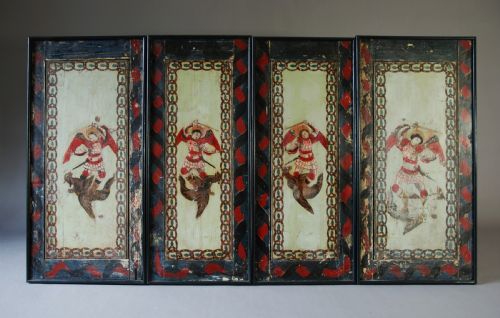
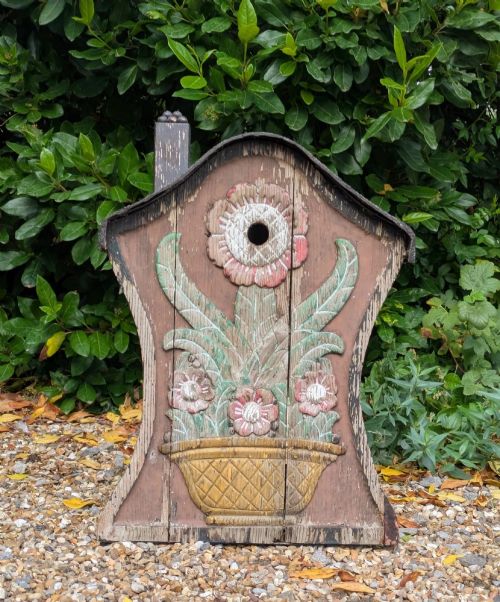
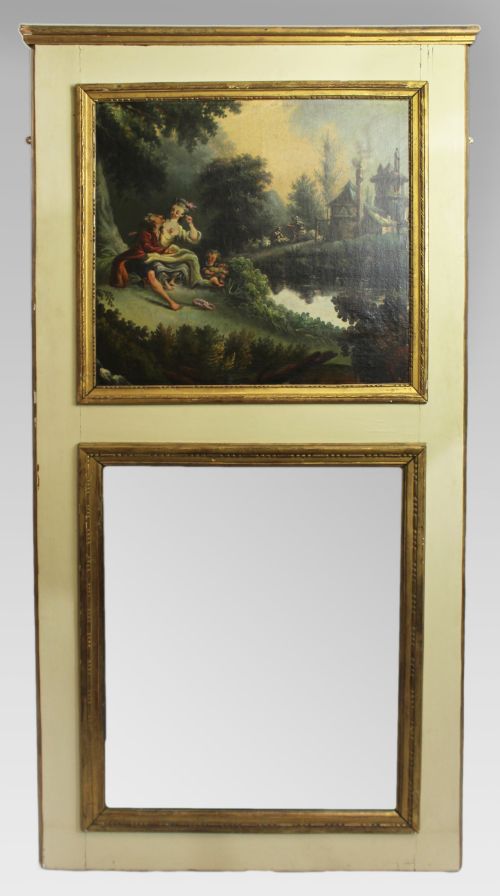
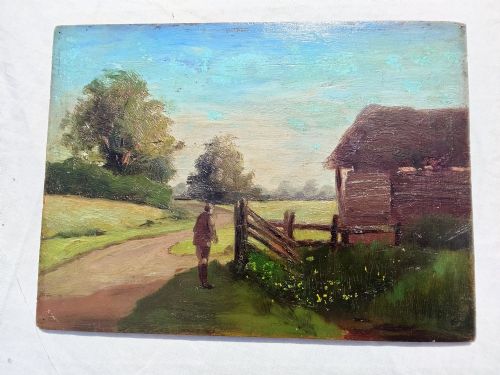
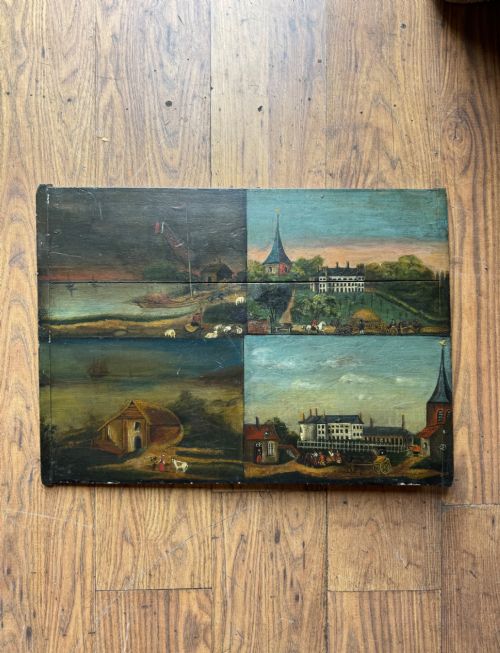
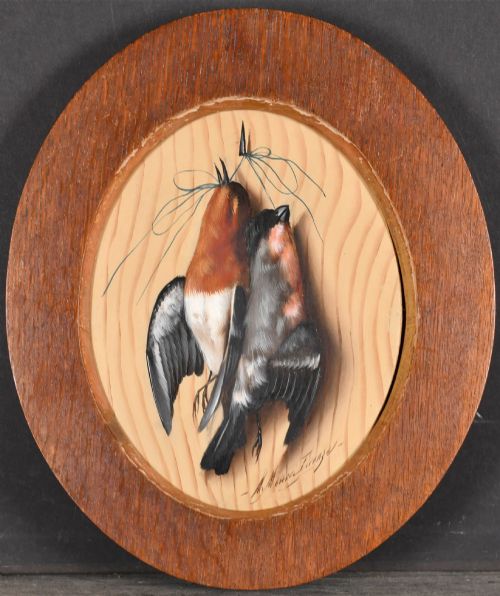
The selections available here span from seventeenth-century Dutch and Italian portraits to nineteenth-century British and French landscapes, alongside naive folk art panels.
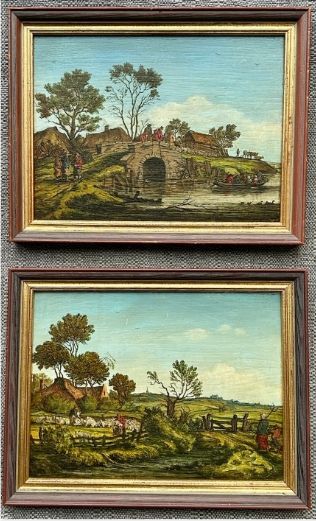
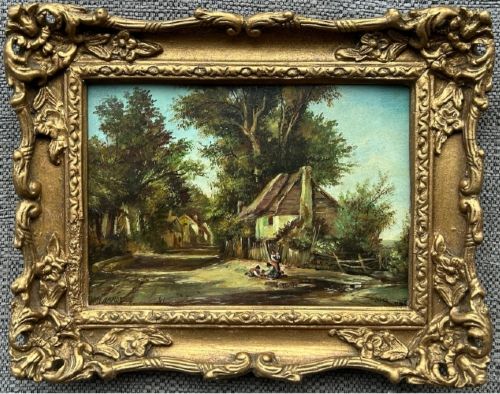
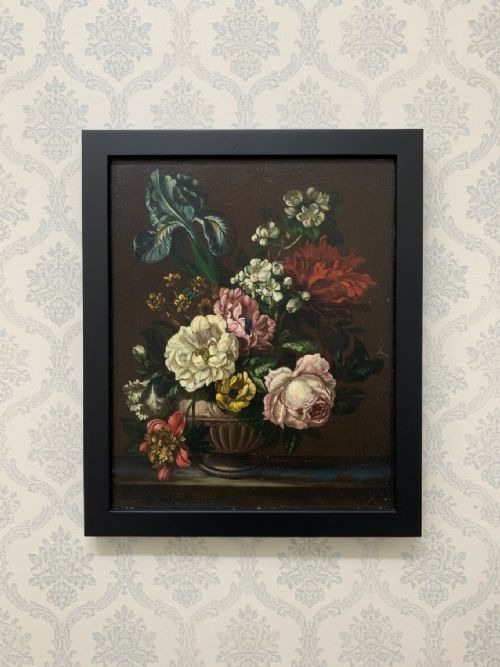
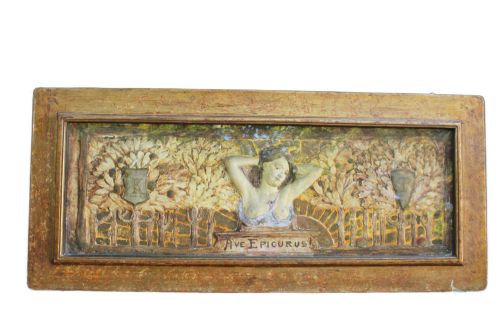
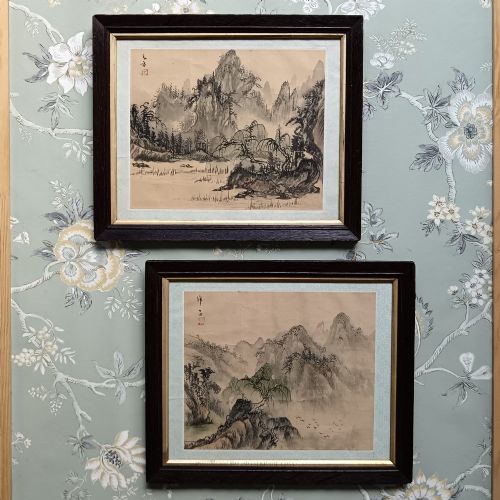
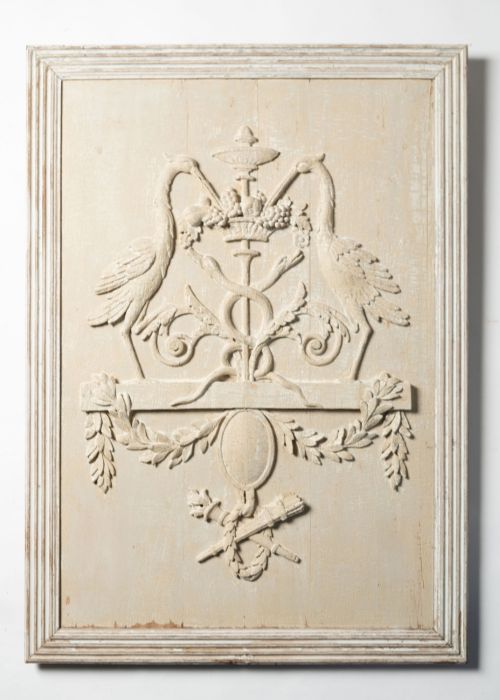
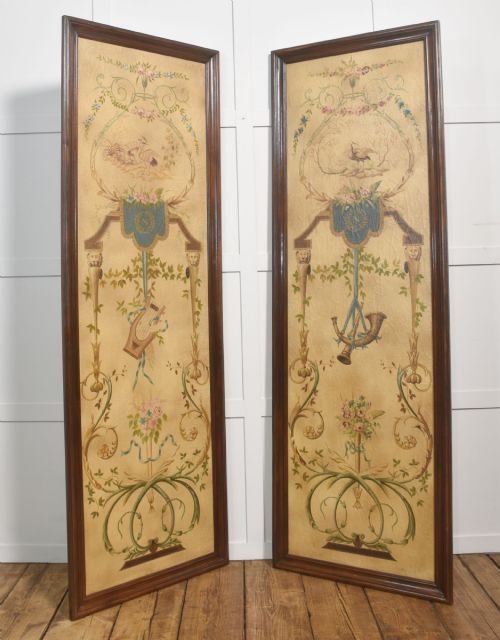
Buyers seeking a wood panel painting encounter diverse forms ranging from intimate miniature landscapes and still lifes to architectural decorative panels.
Materials and construction
Makers prepared solid timber supports such as oak, mahogany, or pine by planing the surface flat and applying layers of gesso to create a smooth, non-porous ground for the pigments.
Artists painted primarily in oil, utilising the slow-drying medium to build rich glazes, fine details, and subtle tonal gradations that bonded firmly with the prepared wooden substrate.
Wood Panel Painting Retail Price Guide 2026
Typical asking prices for wood panel painting among the pieces listed under this phrase on Sellingantiques today, from the lower quarter to the upper quarter. They describe what is for sale here now, not the wider market.
Listings feature works spanning from the 17th Century to the 1960s, executed in oil paint on diverse wood panel supports.
Factors of quality
Superior execution shows in the precision of the brushwork, the anatomical accuracy of figures, and the careful control of perspective and light by the artist or regional school.
The underlying condition of the timber support, including the stability of the grain and the absence of historical warping or woodworm damage, heavily influences the standing of a piece.
Joseph Clover RA·Tom Campbell·Michelangelo Meucci·Cornelius Johnson·Paul-Élie Gernez
The Wood Panel Painting Glossary
- Wood Panel
- A flat piece of timber, commonly oak, mahogany, or pine, used as a rigid structural support for oil paintings.
- Gesso
- A white paint mixture consisting of a binder mixed with chalk, gypsum, or pigment, applied to seal the wooden surface before painting.
- Oil Paint
- A slow-drying medium composed of pigments suspended in a drying oil, typically linseed, allowing for smooth blending and rich opacity.
- Folk Art
- Utilitarian or decorative objects created by self-taught artists using traditional regional styles and accessible local materials.
- Provenance
- The documented history of ownership of an antique object that helps verify its origin, authenticity, and past attribution.
Wood Panel Painting: Frequently Asked Questions
How do I care for a wood panel painting?
Keep the artwork away from direct sunlight, heating vents, and damp areas to prevent the timber from expanding, contracting, or cracking over time.
Dust the surface gently with a soft, dry brush and avoid using chemical cleaners, water, or abrasive cloths on the painted layer.
Why did artists use wood instead of canvas?
Wood panels provided a completely rigid and durable surface that allowed painters to apply intricate brushstrokes without the flexibility or slackness found in woven textiles.
Many historical workshops preferred timber because it resisted punctures and degradation better than early canvas alternatives.
How can I tell the period of a panel?
Examine the tool marks on the reverse of the wood, the composition of the gesso ground, and the framing style, which often provide strong chronological clues.
Stylistic conventions in clothing, landscape rendering, and pigment analysis further help narrow down the likely decade or century of creation.
Are these paintings always framed?
Many pieces retain their original period frames, such as giltwood or carved wooden mouldings, while others are sold unframed or in later compatible surrounds.
The presence of a period-correct frame often enhances the visual presentation and historical context of the artwork.