

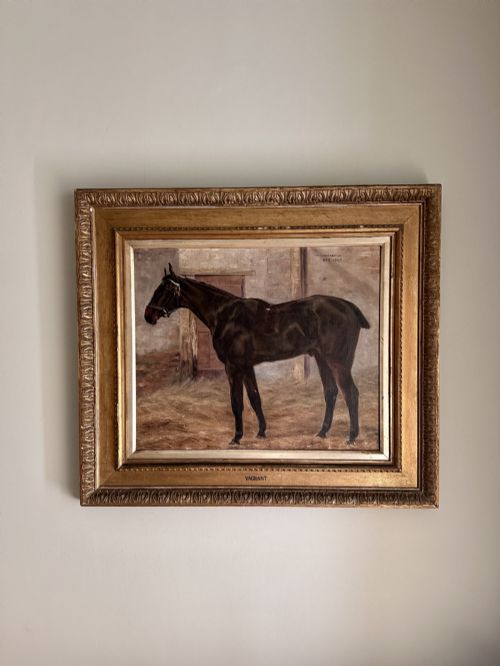
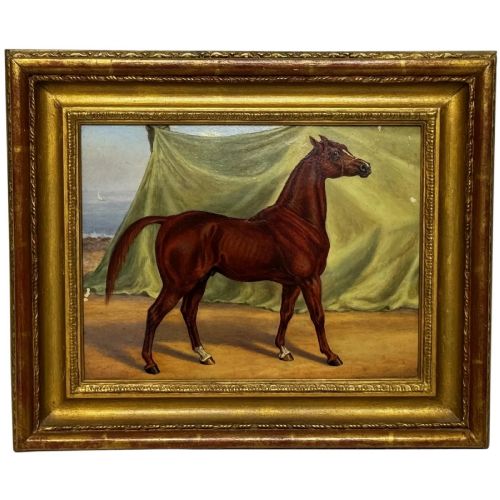

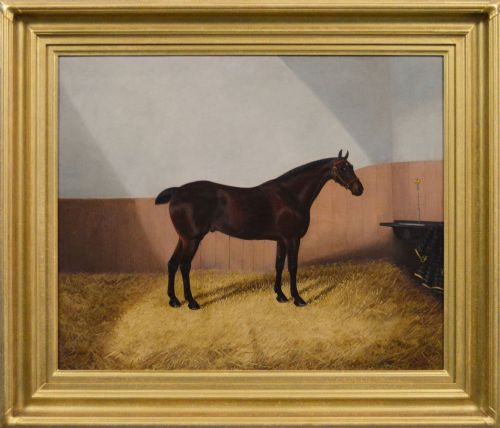

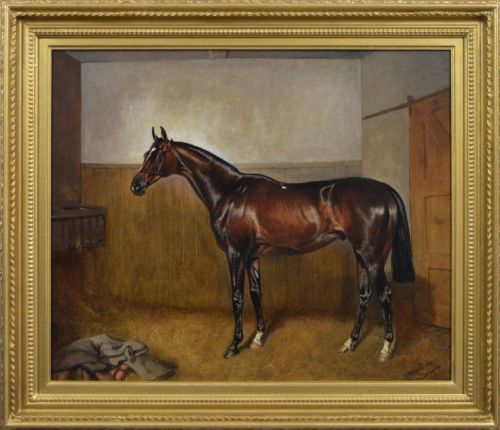
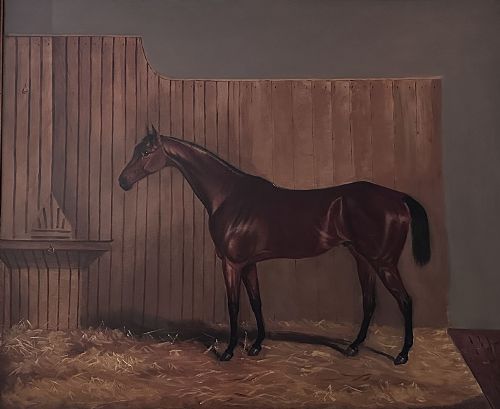
Equine Oil Painting
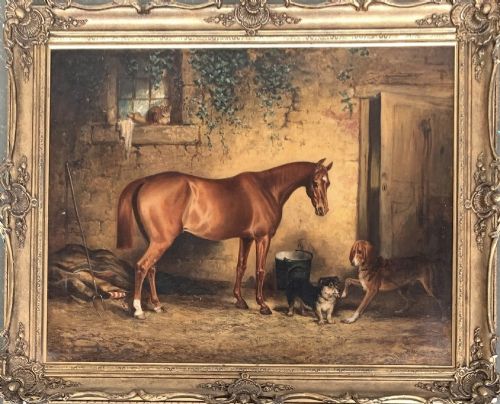
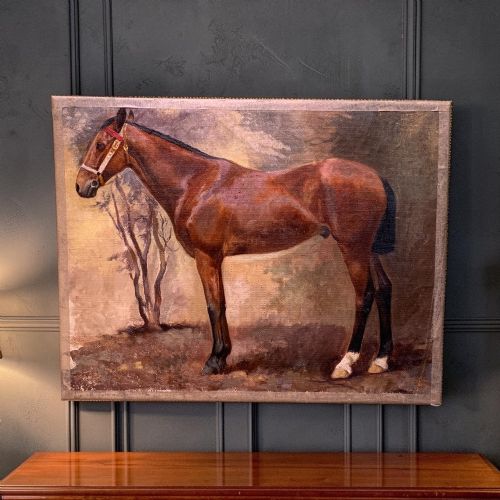
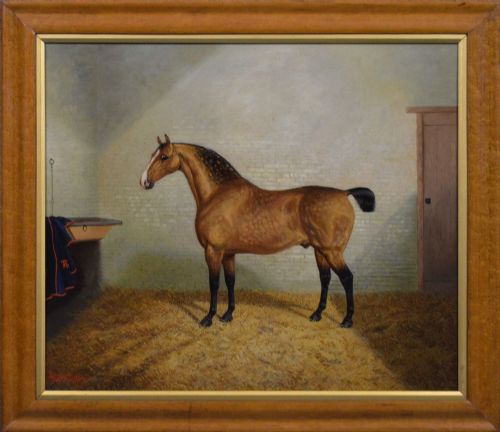
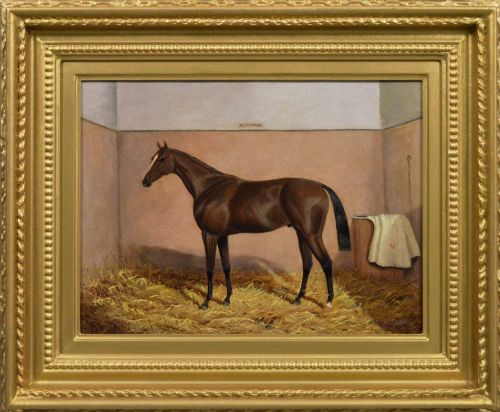
When you search for an equine oil painting, you find centuries of canvas portraits celebrating horses in stables, landscapes, and races.
Equine Oil Painting
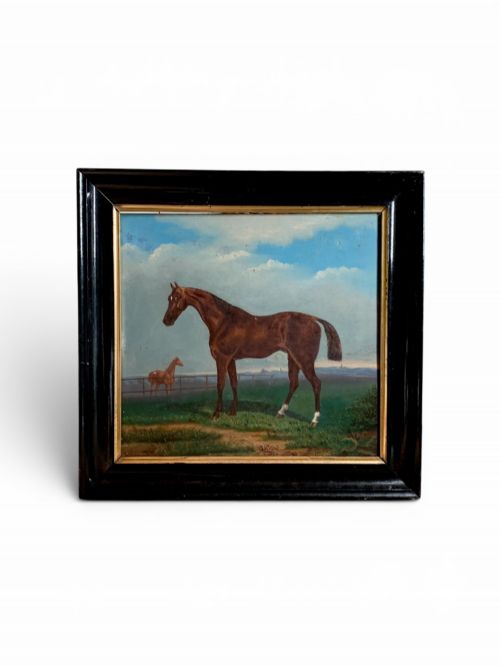
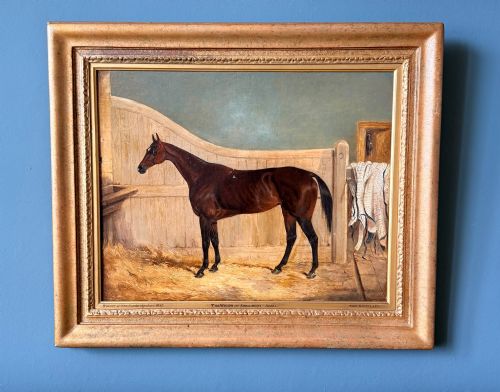
An equine oil painting captures horses through portraiture and sporting art, focusing on individual champions, hunters, or working animals in rural settings.
The selections span from the Georgian period through the Victorian era into the Edwardian years and the twentieth century.
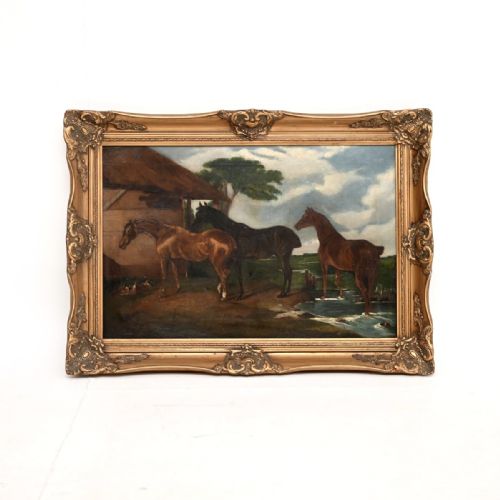
Subjects range from named racehorses and royal thoroughbreds to farm shires, ponies, and rural landscape scenes with carts or ploughs.
How They Were Made
Artists painted primarily in oil paint upon woven canvas or prepared wooden panels made of pine and oak.
Finished works were frequently housed within decorative frames fashioned from giltwood adorned with gold leaf.
Equine Oil Painting Retail Price Guide 2026
Typical asking prices for equine oil painting among the pieces listed under this phrase on Sellingantiques today, from the lower quarter to the upper quarter. They describe what is for sale here now, not the wider market.
The listings include works painted on wood panels as well as traditional oil on canvas.
What Varies in Quality
Quality rests in the anatomical accuracy of the horse, the depth of the background landscape, and the recorded provenance connecting the canvas to known estates or painters.
Mastery appears in the depiction of musculature, coat sheen, and light within stable interiors or open fields.
Henry Barraud·Albert Clark·Fred Fitzpatrick·John Alfred Wheeler·Thomas Walker Bretland·John Ferneley Senior·William Williams·George E Sharpe·John Frederick Herring·Benjamin Cam Norton·Clifton Tomson·Alfred Moginie Bryant·Arthur Winter Shaw·Abraham Cooper·Charles Bilger Spalding·George Goodwin Kilburne·Ernest Higgins Rigg·George Morland·J Emms·Rosa Frances Corder·Frances Mabel Hollams·William F Perrin
The Equine Oil Painting Glossary
- Equine art
- Depicting horses as the primary subject of a painting. This genre includes racing scenes, stable portraits, and rural working animals.
- Sporting art
- A category of painting dedicated to equestrian sports, hunting, and racing. These works often record specific historic horses, jockeys, and race winners.
- Canvas
- The heavy woven fabric stretched across a wooden frame to form the painting surface. Oil paint adheres securely to its textured weave.
- Panel
- A solid wooden support, such as oak or pine, used instead of canvas for painting. Panels offer a rigid foundation for fine brushwork.
Equine Oil Painting: Frequently Asked Questions
What periods do these paintings cover?
The works originate from the eighteenth, nineteenth, and twentieth centuries, encompassing Georgian, Victorian, Edwardian, and later periods.
Specific dates within the titles point towards distinct decades of artistic production.
Are the horses in these paintings named?
Many canvases depict named racehorses, champions, and hunters alongside their owners, jockeys, or trainers.
Inscriptions on the painting or historical records often identify the specific animal and event.
What settings appear in equine art?
Horses are portrayed inside stables, across open country landscapes, beside rivers, and participating in rural farm labour or racecourses.
Backgrounds reflect the working or sporting environment appropriate to the animal.
How do I identify the artist?
Signatures, monograms, or attribution notes written on the canvas or panel help reveal the creator.
Archival records and past exhibition provenances also connect specific works to known painters.