


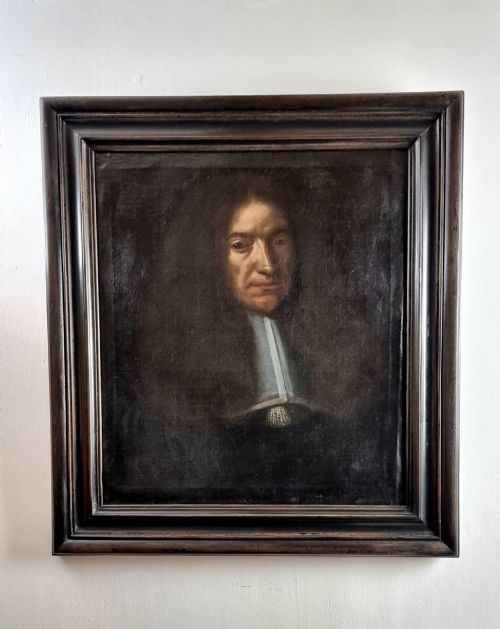
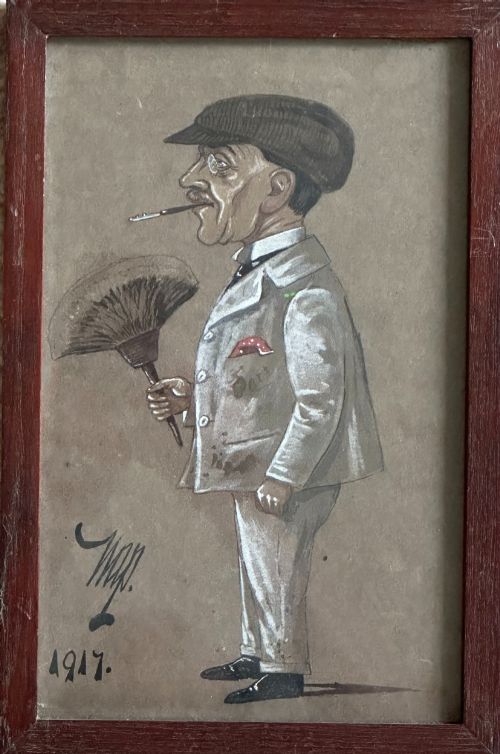
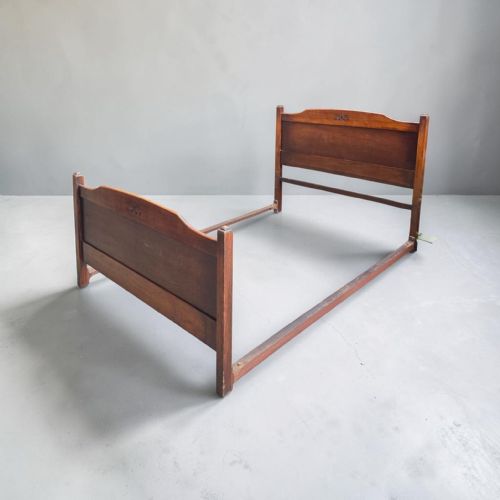
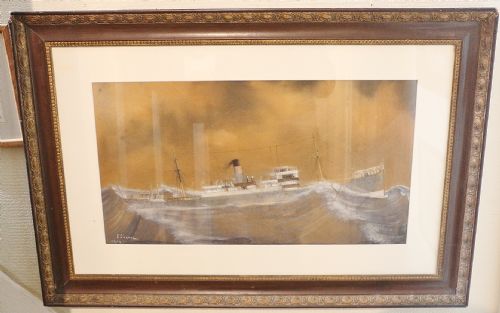
Brown Wooden Framed Art
Brown wooden framed art brings together centuries of paintings, maps and mirrors set within timber borders.
Brown Wooden Framed Art
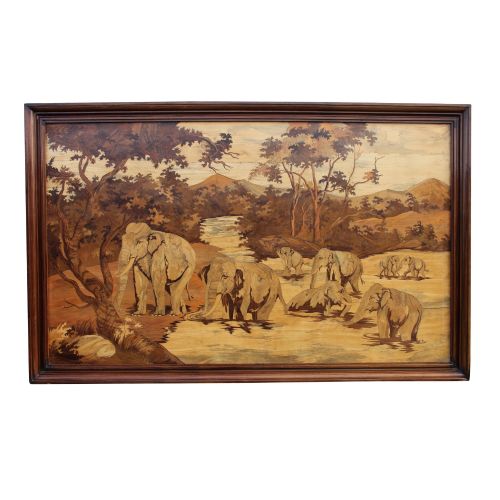
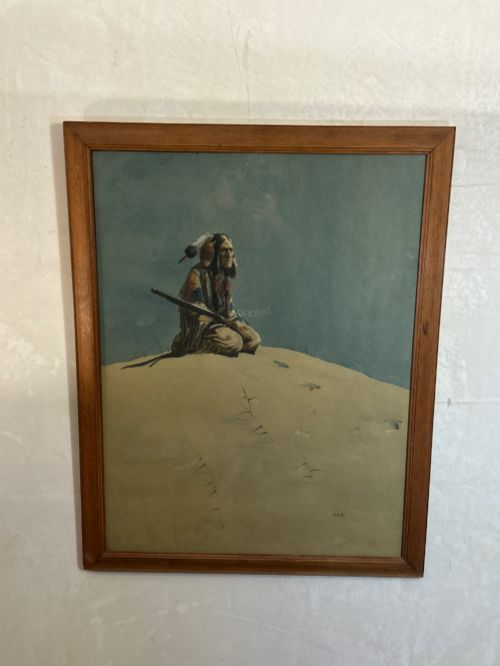
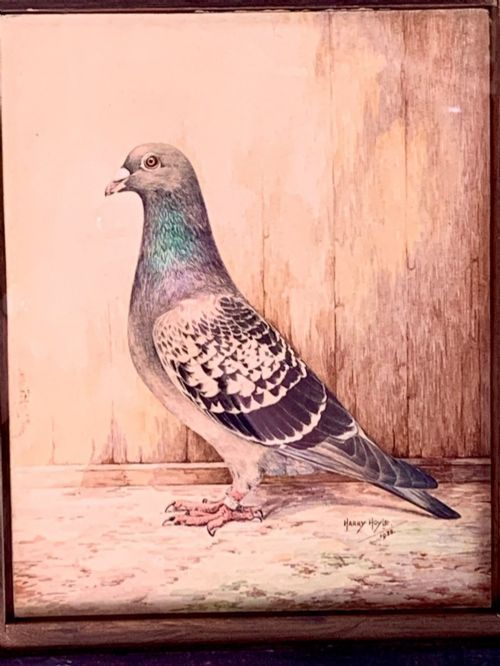
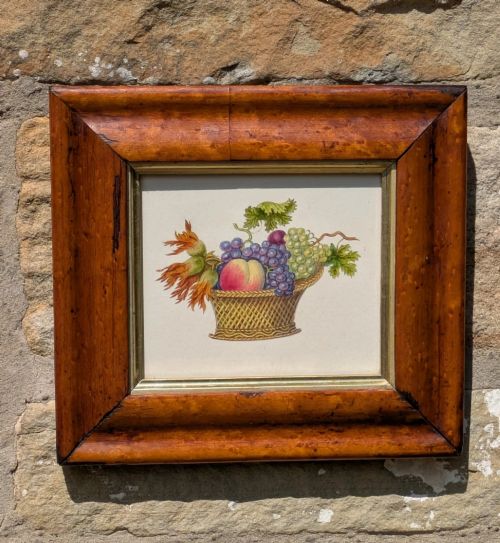
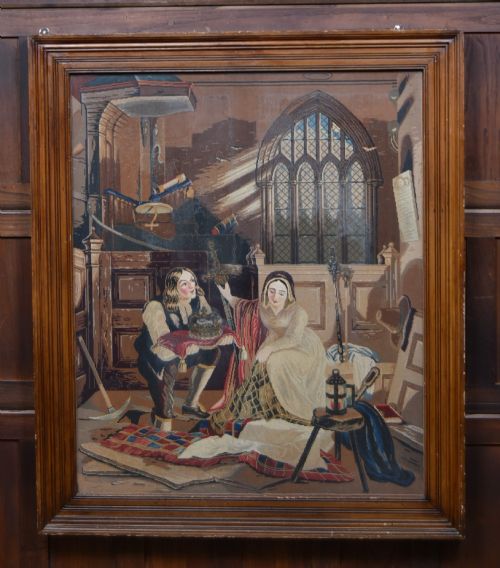
When you search for brown wooden framed art, you encounter a varied assortment of wall pieces, paintings, and mirrors enclosed within timber boundaries. The selections span from nineteenth-century watercolours and oil paintings to maps, marquetry panels, and embroidered textile works.
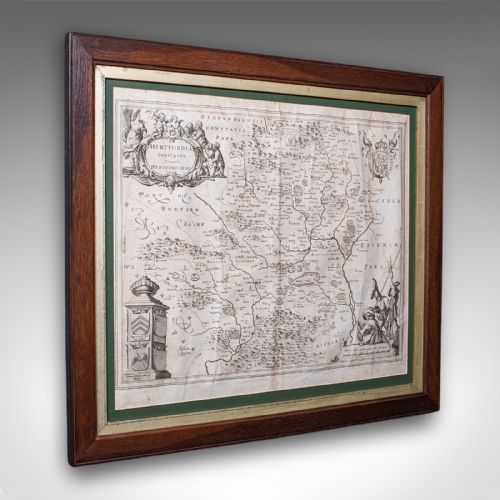
The most frequent examples on this page are nineteenth-century watercolours and oils, alongside Edwardian and Victorian mirrors mounted in oak or other wooden frames. Alongside these pictorial works, items like seventeenth-century cartography and medieval-style tapestries appear encased in wood.
Origins stretch across British, French, Dutch, and global workshops, reflecting domestic portraiture, landscape studies, and decorative panels. The unifying element across the inventory is the timber surround housing the canvas, paper, glass, or panel.
What varies in quality
Quality rests in the harmony between the artwork and its wooden border, alongside the skill evident in both creation and preservation. Finer examples display meticulous brushwork, crisp cartography, or detailed carving within the frame.
The integrity of the timber, the originality of the housing, and the distinction of the artist or maker elevate certain pieces above standard decorative items. Condition of the underlying canvas, paper, or panel also dictates the standing of each work.
Brown Wooden Framed Art Retail Price Guide 2026
Typical asking prices for brown wooden framed art among the pieces listed under this phrase on Sellingantiques today, from the lower quarter to the upper quarter. They describe what is for sale here now, not the wider market.
Among the painted portraits and maps, a pair of sorcerer's convex witch's mirrors watches the room.
Stanley Webb Davies·Oliver Morel·John Hassall·F.J. Snell·Gustave De Bréanski
The Brown Wooden Framed Art Glossary
- Watercolour
- A painting method where fine pigment is suspended in water-based solution, typically applied to paper. These works are sensitive to light and require protective glass framing.
- Oil on canvas
- Pigment mixed with drying oil applied to a woven fabric stretched over a wooden frame. This medium allows for rich colour blending and texture.
- Chromolithography
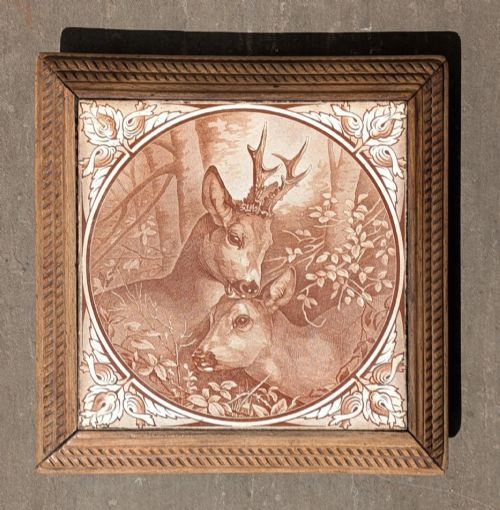
- A planographic colour printing technique used to produce multi-coloured pictorial images. It became widespread in the nineteenth century for affordable art reproductions.
- Marquetry
- The art and craft of applying pieces of veneer to a structure to form decorative designs. Panels utilising this method display intricate patterns made from various woods.
- Convex mirror
- A spherical mirror that reflects a wide, curved field of view, frequently housed in round wooden or gilt frames during the Victorian era.
Brown Wooden Framed Art: Frequently Asked Questions
What periods do these pieces date from?
The listings span multiple centuries, including seventeenth-century cartography, eighteenth-century panel paintings, and numerous examples from the Victorian, Edwardian, and Art Deco eras.
Later twentieth-century works also appear, showing how timber framing traditions persisted across generations.
Are the frames original to the artwork?
Many items retain their period frames, such as nineteenth-century watercolours housed in contemporaneous wooden surrounds or specialised manufacturer housings.
Some pieces have been paired with frames from later dates or restored to ensure structural stability.
How should I hang a heavy wooden framed piece?
Due to the weight of solid oak or walnut frames combined with glass and panel supports, secure wall fixings into masonry or wall studs are essential.
Professional picture wire or heavy-duty D-rings mounted firmly into the timber back frame provide safe suspension.
What types of wood are most common?
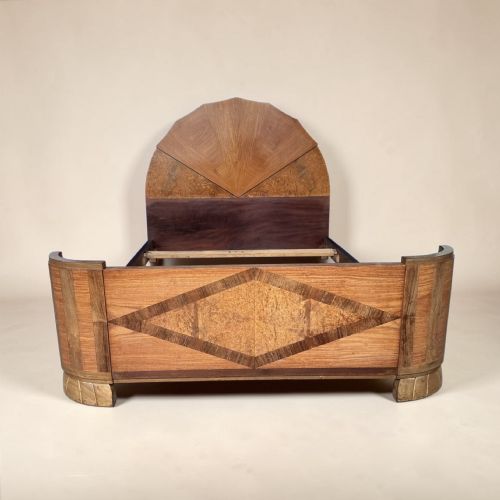
Oak is frequently encountered in wall mirrors and Edwardian panels, alongside walnut in Art Deco pieces and fruitwood in specific cabinet-made items.
Other selections incorporate mixed hardwoods and marquetry veneers matching the aesthetic of the period.