
French School Portrait Painting
A French school portrait painting captures centuries of human character through confident brushwork and enduring continental style.
French School Portrait Painting
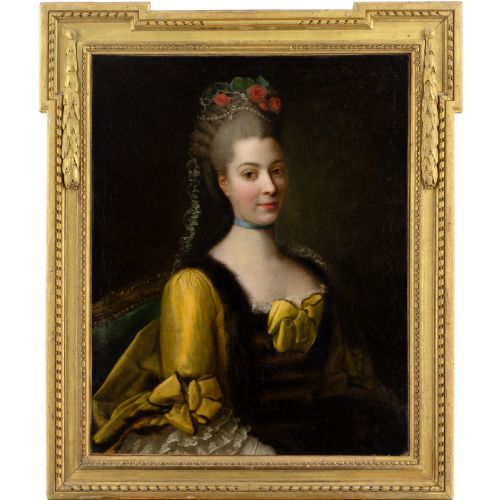
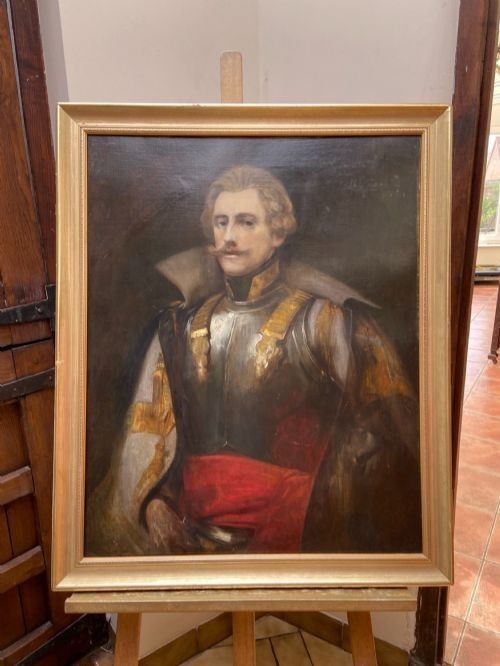
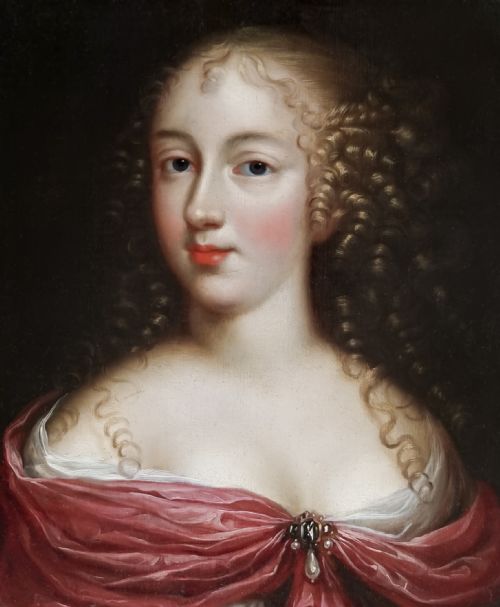
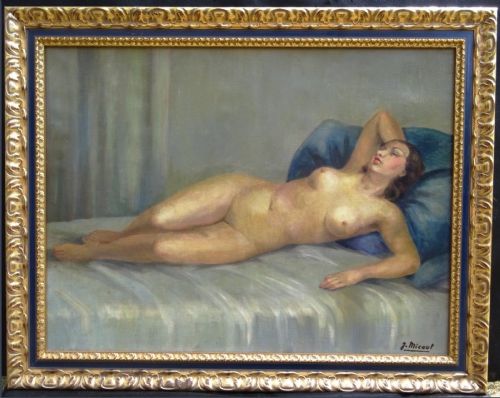
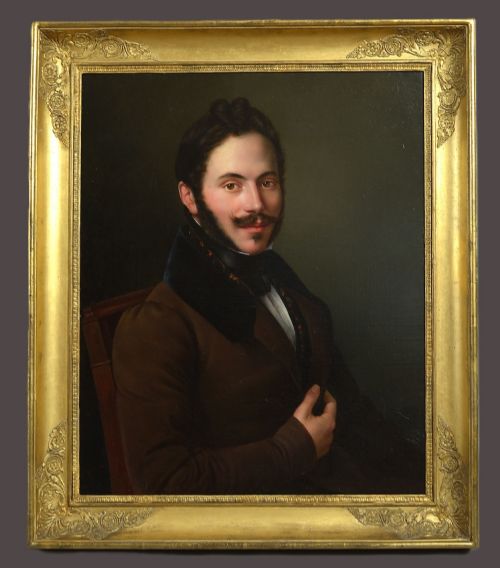
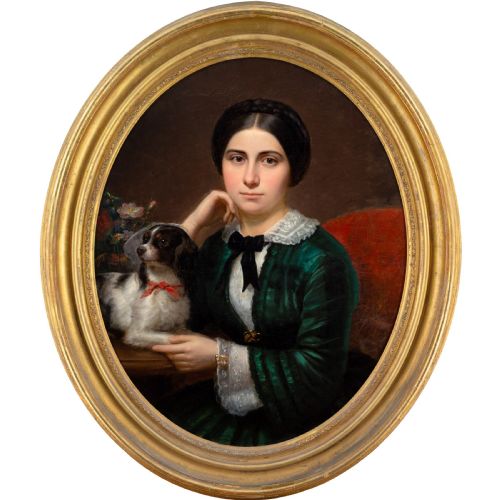
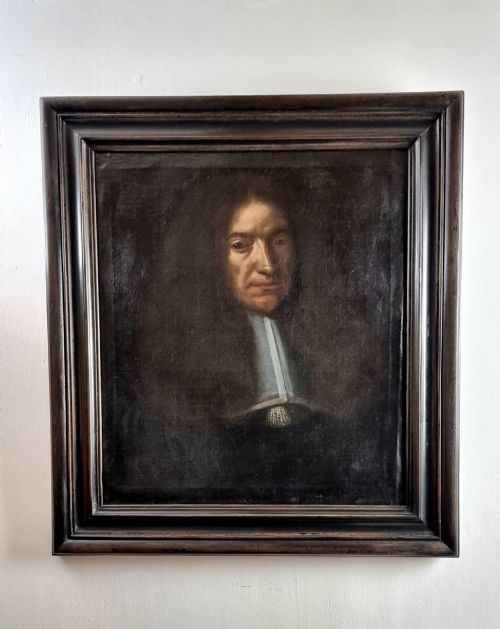
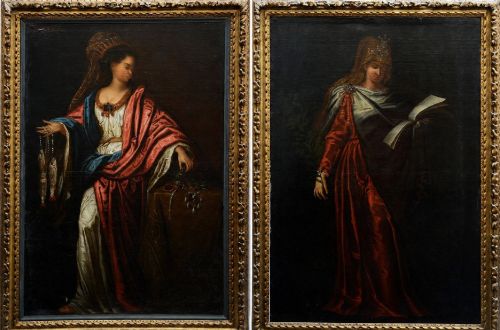
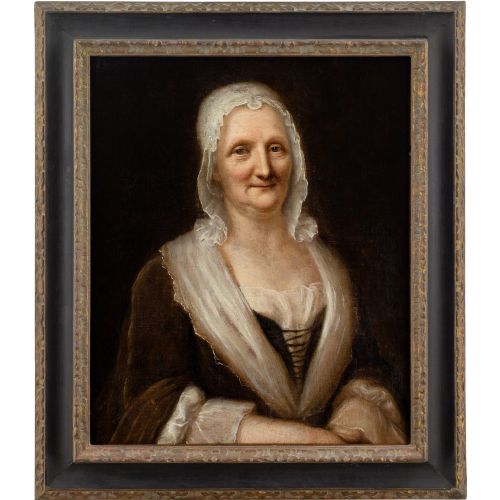
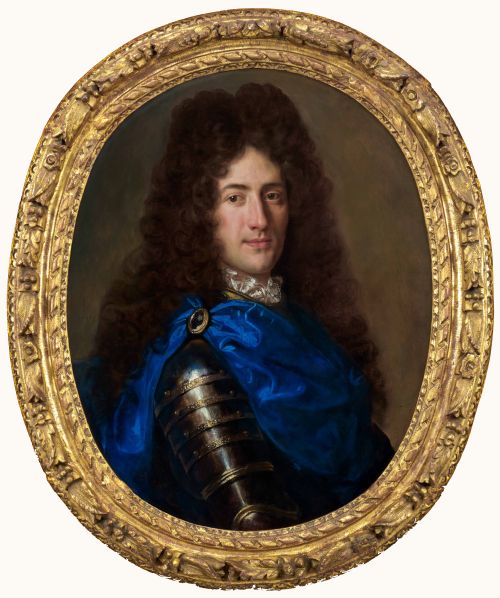
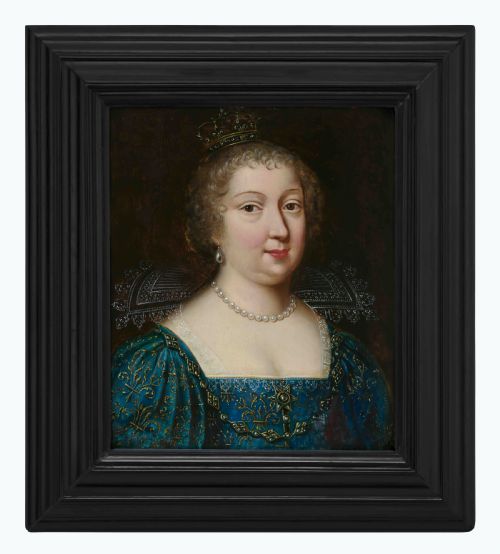
A French school portrait painting records the likenesses of nobility, military officers, judges, and fashionable society figures across the seventeenth, eighteenth, and nineteenth centuries. These works range from tightly rendered Baroque and Rococo studies to expressive nineteenth-century romantic and realist canvases.
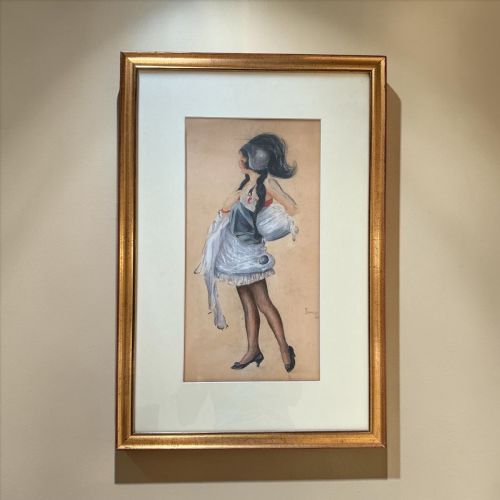
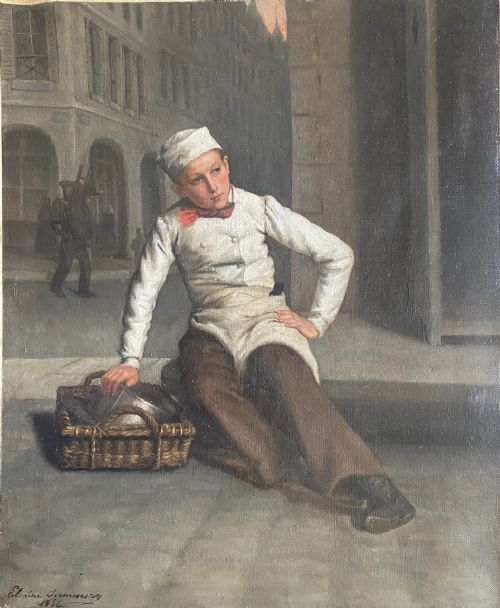
The selection includes oval pastels, miniature portraits framed with seed pearls, and intimate depictions of children, dogs, and working models from later decades. Buyers encounter both formal commissioned pieces and anonymous salon studies.
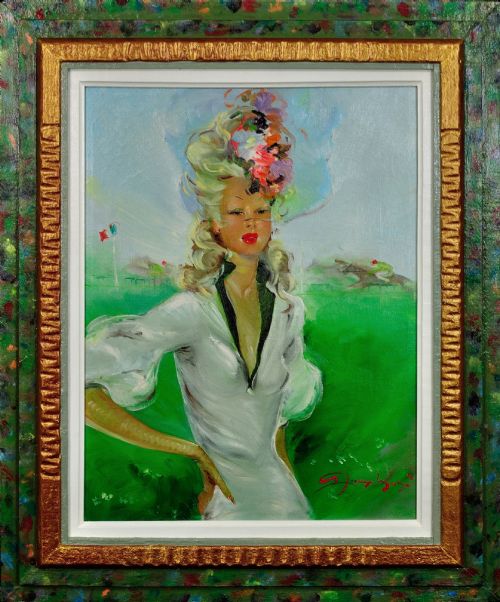
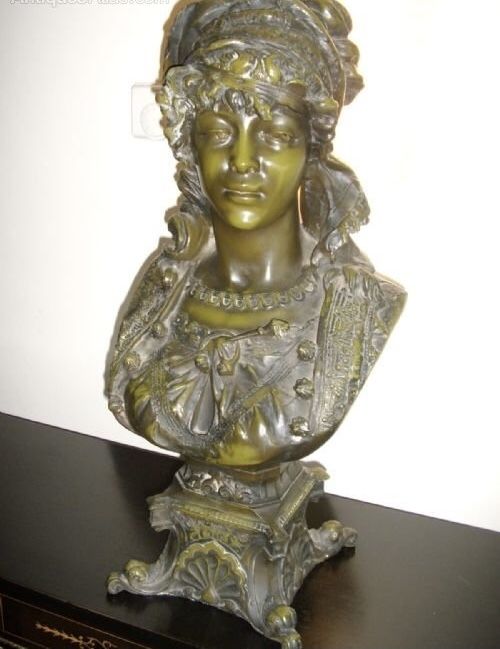
Works attributed to regional workshops, followers of major masters, and identified artists like Edouard Pingret or Joseph Vivien appear alongside unsigned canvases. The historical scope extends from early seventeenth-century panels through to mid-twentieth-century Parisian art deco figures.
Materials and Technique
Painters applied oil paint to stretched canvas, prepared wood panels, and occasionally copper plates. Pastels on paper and delicate miniatures in glass-fronted giltwood frames also represent the tradition.
Subtle glazes build up flesh tones while heavier impasto defines lace jabots, velvet cloaks, and gilded frames. Draftsmanship relies on tonal contrast and precise linear definition to convey texture in garments and hair.
French School Portrait Painting Retail Price Guide 2026
Typical asking prices for french school portrait painting among the pieces listed under this phrase on Sellingantiques today, from the lower quarter to the upper quarter. They describe what is for sale here now, not the wider market.
Several portraits preserve the likenesses of family dogs, horses, and even a pet goat alongside their human companions.
Assessing Quality
Execution of the subject's hands, eyes, and facial expression separates routine workshop output from masterworks. Superior paintings demonstrate anatomical understanding and atmospheric depth rather than rigid symmetry.
Condition of the pigment layer, original canvas tension, and presence of period frames influence desirability. Intact historical provenance and legible signatures add archival weight to individual pieces.
Pierre Mignard·Edouard Pingret·Joseph Vivienne·Henri and Charles Beaubrun·Hyacinthe Rigaud·Louis De Silvestre·Jean-Gabriel Domergue·Gaetan Dumas·Pinchus Krémègne·Michel Katzaroff
The French School Portrait Painting Glossary
- French School
- A term applied to works created by artists trained or working within France, encompassing diverse stylistic movements from the Baroque era onward. It often denotes anonymous or studio-attributed pieces.
- Oil on Canvas
- A painting medium where pigments are suspended in a drying oil and applied to woven fabric stretched across a wooden frame. This support became standard for formal portraiture from the seventeenth century.
- Giltwood
- Wood that has been coated with a thin layer of gold leaf or metallic powder. Elaborately carved giltwood frames frequently complement nineteenth-century salon paintings.
- Pastel
- A dry drawing medium composed of powdered pigment and a binder, worked onto tinted paper or parchment. These works require glass protection to prevent surface smudging.
- Portrait Miniature
- A small, highly detailed painting executed on vellum, ivory, or copper, often worn as personal jewellery or kept in a protective case.
French School Portrait Painting: Frequently Asked Questions
What defines a French school painting?
The designation groups works produced within the French artistic tradition, ranging from strict academic portraiture to looser impressionistic studies. These pieces reflect the prevailing aesthetic values of their specific century.
Attributions often point to followers, circles, or workshops of prominent Parisian masters when the exact hand remains unverified.
How should I hang antique oil portraits?
Display paintings away from direct sunlight and fluctuating heat sources to protect fragile canvas fibres and oil pigsets. Adequate wall spacing prevents moisture accumulation behind wooden stretchers.
Pairing companion portraits together mirrors historical salon hanging practices used in period interiors.
How do I identify the period of a portrait?
Costume details, lace collars, hairstyles, and framing styles provide the most reliable chronological indicators. Fashion changes offer precise clues for dating works lacking documentation.
Canvas preparation and stretcher construction types further help narrow down the decade of creation.
Are unsigned French portraits still valuable?
Unsigned works by skilled anonymous hands frequently represent the bulk of historical salon output and remain highly decorative. Quality of execution outweighs the presence of a signature.
Subject matter, psychological depth, and original framing contribute more to historical interest than an obliterated monogram.