


Old Master Portrait Painting
An old master portrait painting brings centuries of European history into your room, offering an authentic glimpse through the eyes of Baroque and seventeenth-century portraitists.
Old Master Portrait Paintings
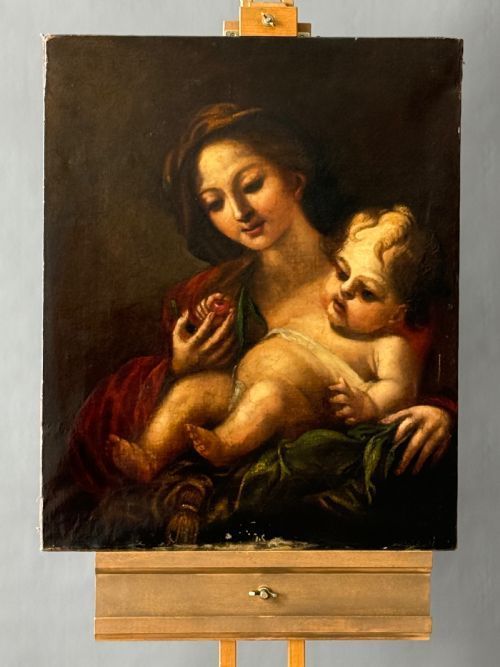
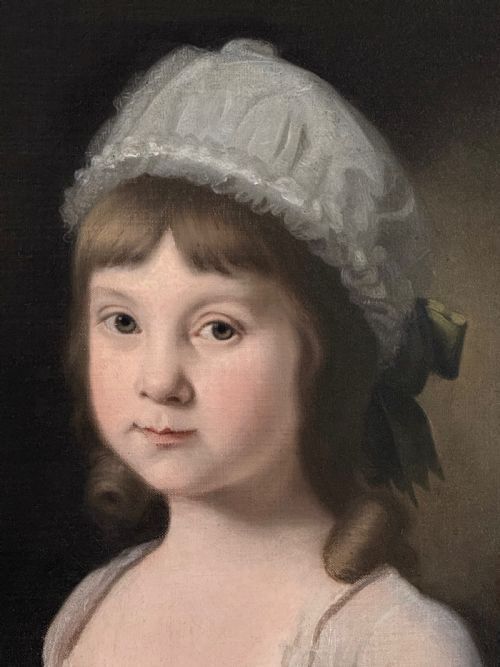
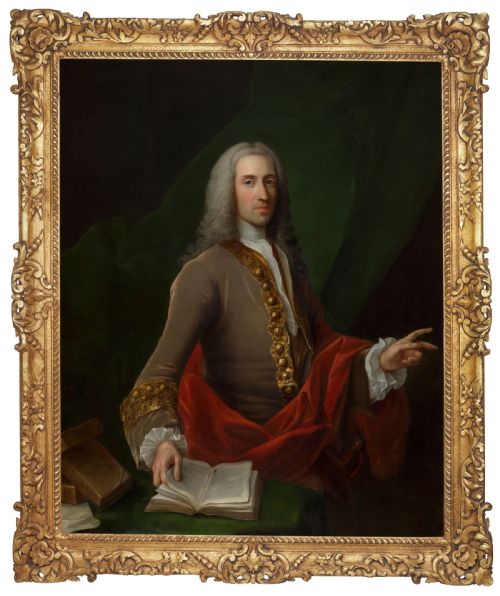
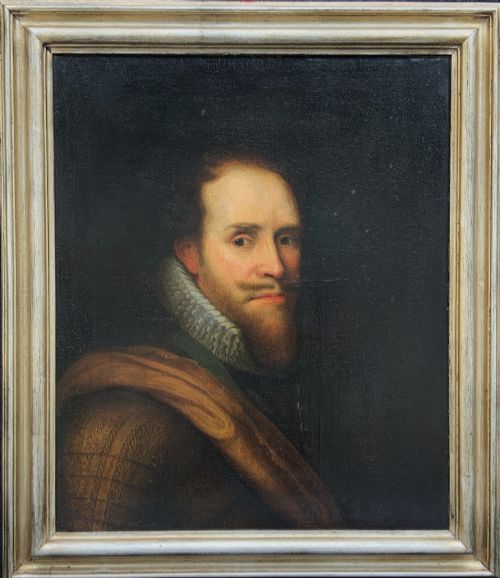
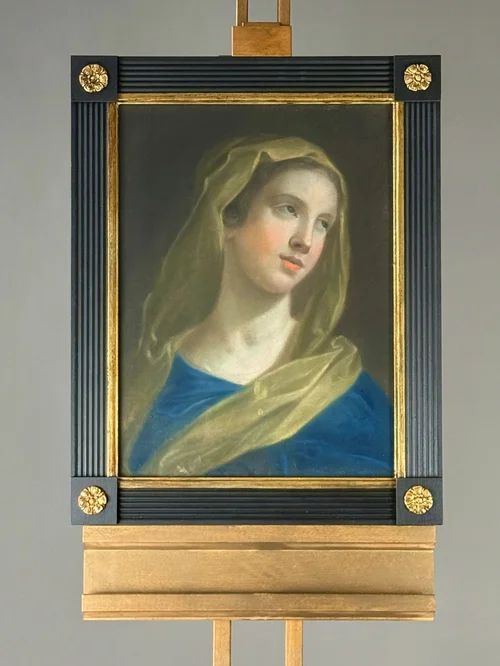
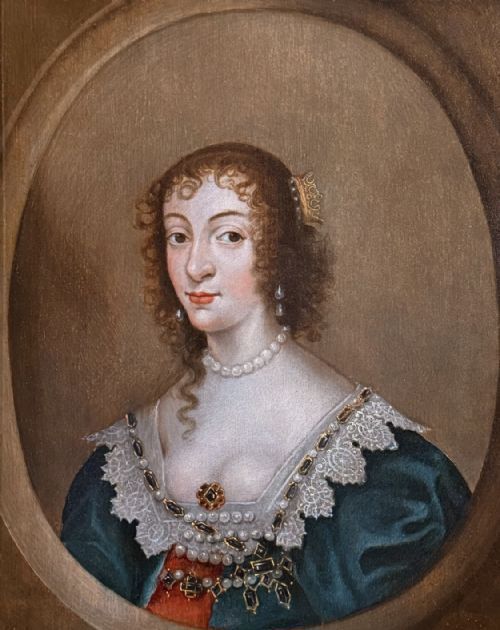
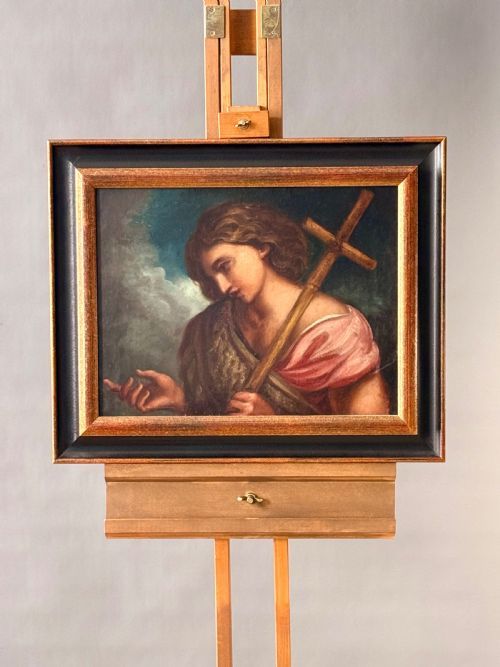
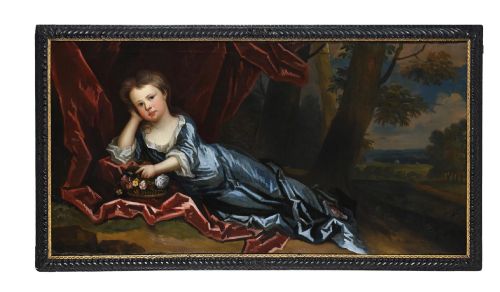
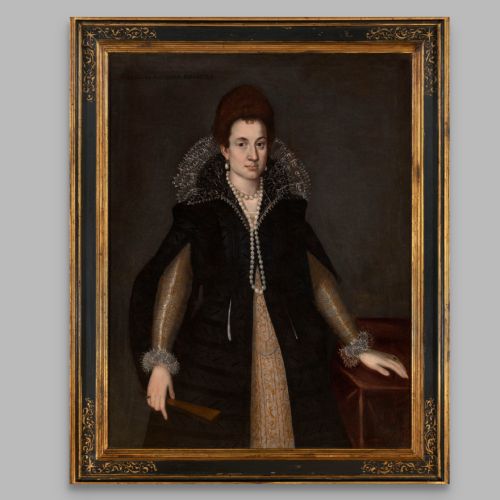
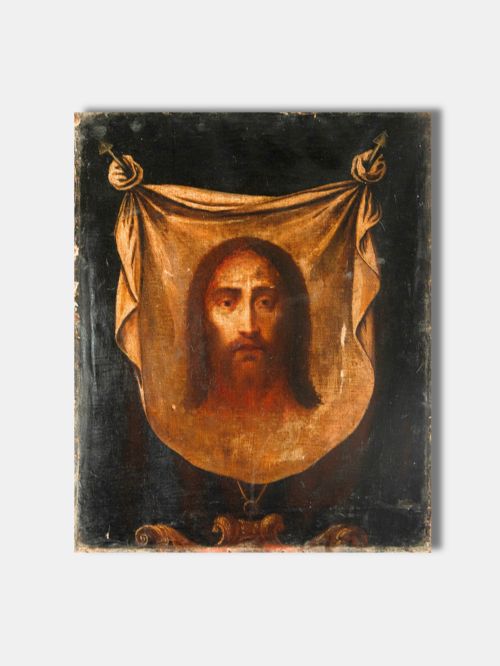
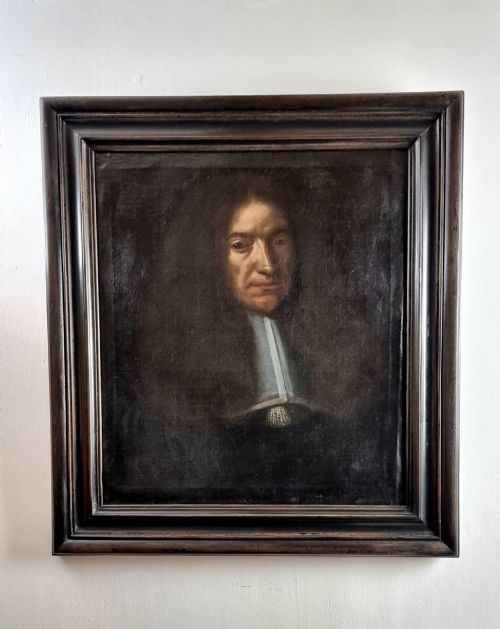
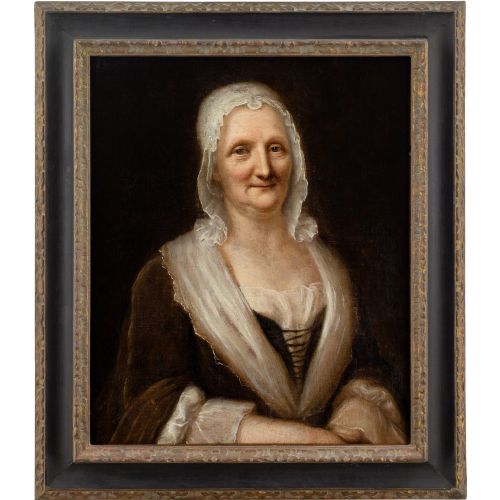
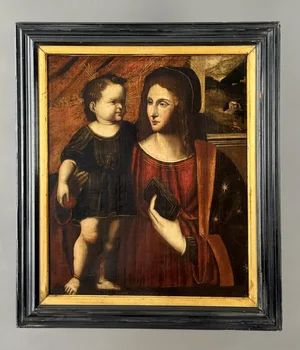
When you search for an old master portrait painting, you enter a domain dominated by seventeenth-century works and later copies after prominent historic masters. These pieces typically depict subjects ranging from royalty and judges to theologians and noble ladies.
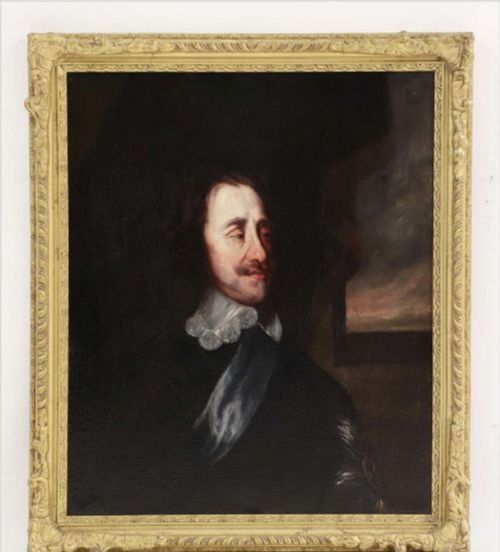
The selections span distinct European schools, including Dutch, Spanish, and Italian Baroque, alongside English subjects in period gilt frames. You will frequently encounter works linked to circles of famous painters or executed as historical studies after artists like Van Dyck and Rembrandt.
Materials and Construction
These works rely principally on oil paint applied to canvas or supported by wooden panels. Artists utilised traditional pigments to build rich tones across the surface of the painting.
Surviving examples are frequently housed in their original or period frames fashioned from wood, giltwood, and gilded wood. Hand-carved elements and gold leaf detailing often accentuate the depth of the framing.
Retail Price Guide 2026
Typical UK retail prices for old master portrait painting, calculated from the Sellingantiques database of over a million retail prices indexed since 2003. This retail price guide relies exclusively on Sellingantiques data; no external sources or auction records are used, so the figures do not describe the wider market.
Listings feature seventeenth-century works executed in oil on canvas or wood panel, framed in period giltwood.
The Spectrum of Quality
Quality rests upon the subtlety of brushwork and the expressive capture of the sitter's character. Works originating directly from a master's studio display superior handling compared to later studio copies or follower pieces.
The preservation of the underlying canvas or wooden panel dictates the integrity of the surface. Furthermore, the originality and craftsmanship of the accompanying giltwood frame heavily influence the historical cohesion of the piece.
Sir Peter Lely·Sir Anthony Van Dyck·Rembrandt·Hans Holbein The Younger·Godfrey Kneller·Gilbert Jackson·Jacob Huysmans
The Old Master Portrait Painting Glossary
- Old Master
- A term applied to European painters of skill working before the nineteenth century. It denotes the historical era of the piece.
- Baroque
- An artistic style prevalent during the seventeenth century characterised by dramatic lighting and deep shadows. This movement shaped the theatricality of portraiture.
- Giltwood
- Wood that has been treated with gold leaf or a gold-coloured finish. This material defines the ornate frames typical of historic paintings.
- Panel
- A solid piece of wood used as a rigid support for painting before canvas became standard. Wooden panels frequently reveal early construction methods.
- Sibyl
- A prophetic female figure frequently chosen as a classical subject in historic art. These allegorical depictions allowed artists to explore dramatic portraiture outside strict commission work.
Frequently Asked Questions
How do I identify a seventeenth-century portrait?
Examine the costume details such as ruff collars, fabrics, and hairstyles characteristic of the period. Pigment analysis and the construction of the canvas or wooden panel also offer clues to age.
The style of the brushwork and the preparation layers beneath the oil paint help confirm whether a work belongs to the Baroque era or represents a later revival.
What does after an old master mean?
This designation indicates that the painting is a later copy or study based on an original work by a celebrated artist. These pieces were often created by studio assistants or subsequent artists learning technique.
Such works still hold historical importance and demonstrate the lasting influence of master painters across later centuries.
How should I care for an old canvas painting?
Keep the artwork away from direct sunlight, extreme temperature fluctuations, and high humidity to protect both the oil paint and the canvas support. Stable environmental conditions prevent cracking and warping.
Dust the surface very gently with a soft, dry brush and avoid using any liquid cleaners or commercial solvents on the painted area.
Why are wooden panels used in early paintings?
Wooden panels served as the standard rigid support for fine art before stretched canvas gained widespread popularity in the sixteenth and seventeenth centuries. Oak and other dense timbers provided a smooth, stable surface for detailed oil work.
These panels require careful humidity management to prevent the wood from splitting as it ages over the centuries.
What is a follower of an artist?
A follower is a painter working in the immediate style, tradition, or workshop circle of a well-known master. These artists adopted the techniques and aesthetic approaches of the primary figure without necessarily being direct pupils.
Such attributions help art historians categorise works that share strong stylistic similarities with documented masterpieces.