




Baroque Style Portrait
A baroque style portrait brings dramatic presence and rich historical character to any room.
Understanding the baroque style portrait
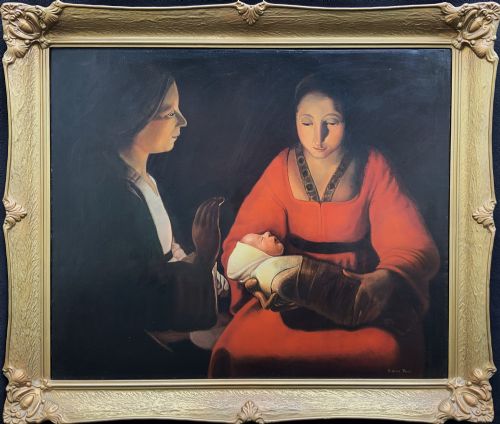
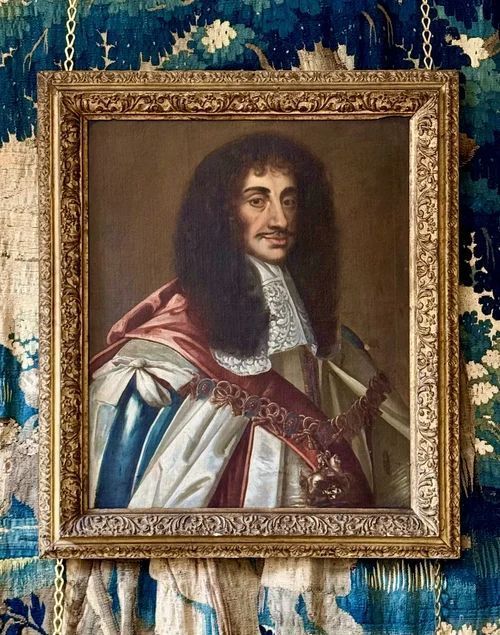
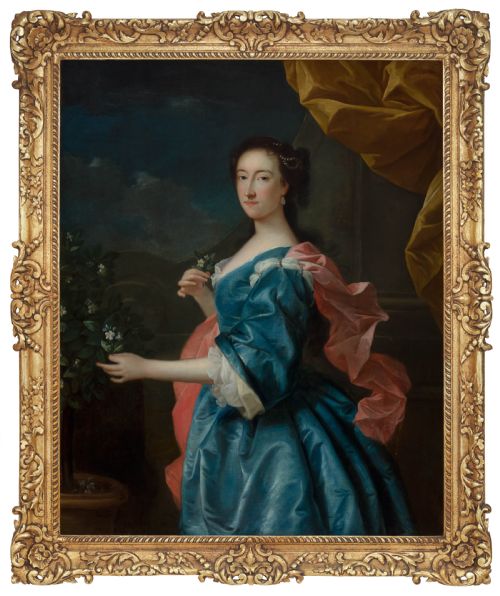
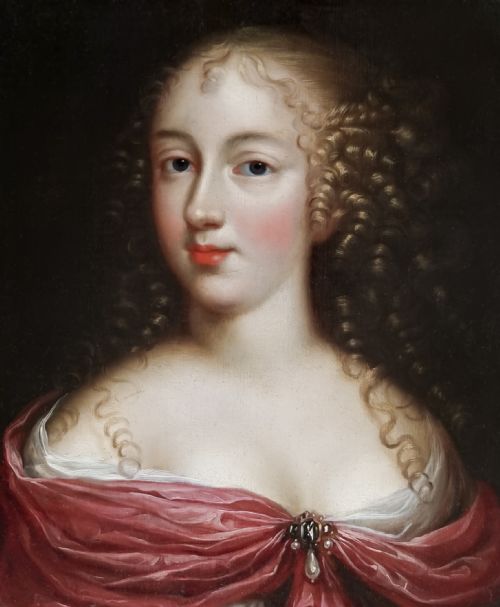
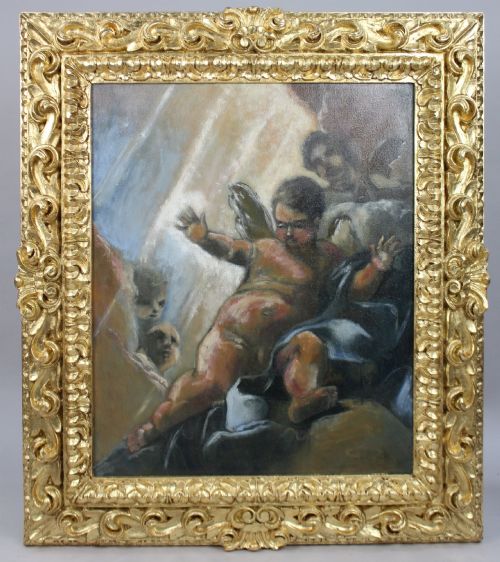
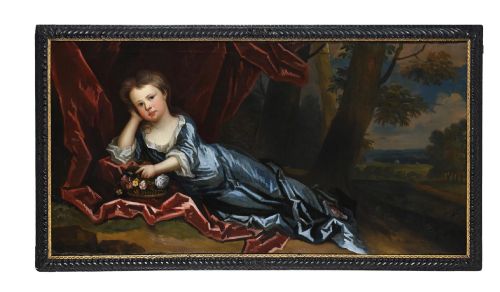
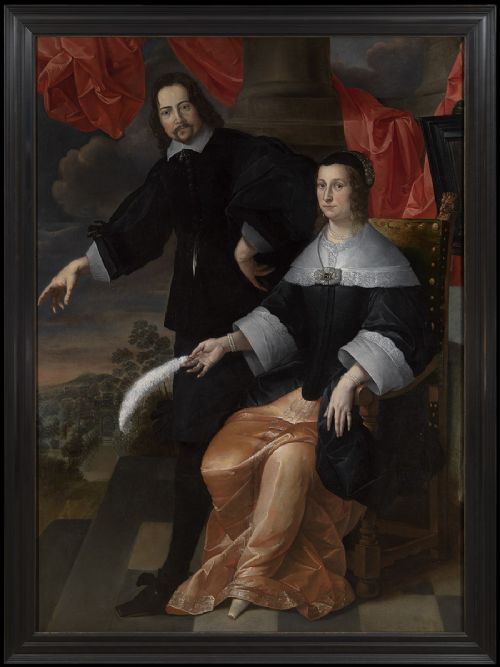
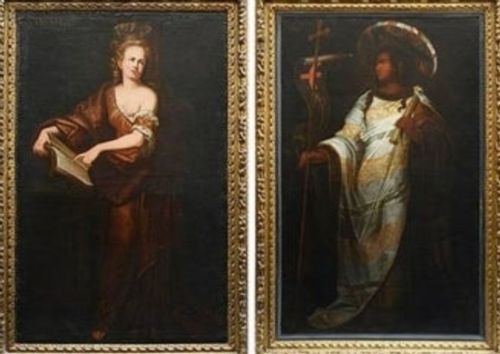
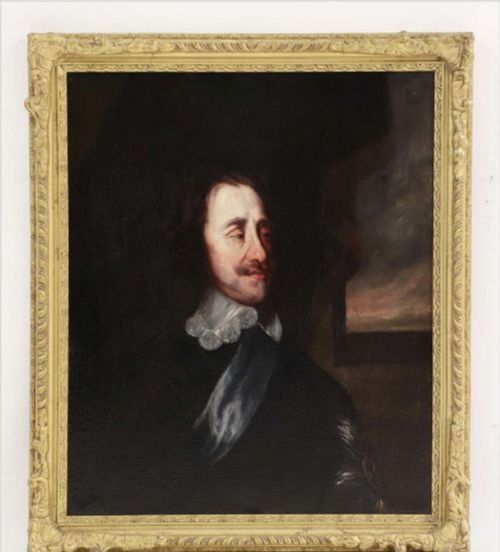
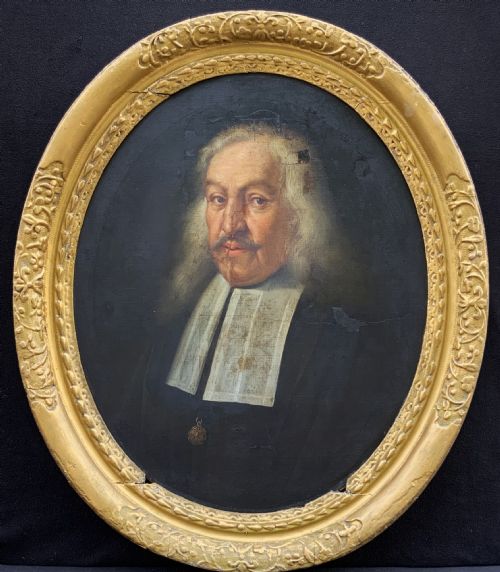
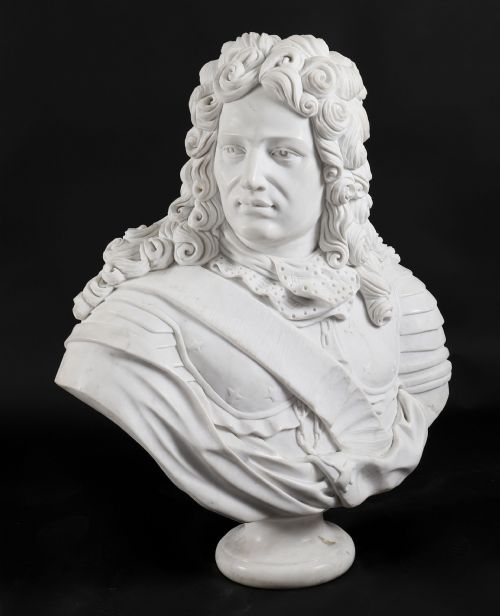
A baroque style portrait captures subjects with striking depth and theatrical presence, drawing on centuries of tradition. These works range from grand oils on canvas to fine framed prints representing figures like nobility, royalty, and religious subjects.
The selections available here span several distinct periods, including original seventeenth and eighteenth-century works alongside later revivals from the nineteenth century and nineteen hundred. Many pieces follow established traditions, being created in the manner or style of master painters.
Subjects include distinguished sitters such as Agatha Halyburton, King Charles the First, Queen Mary Second, and Lord Wharton. Alongside these, buyers encounter sacred depictions like Saint Catherine and character studies such as the flower girl.
Materials and methods
Traditional pieces employ oil paint applied to canvas, often housed within ornate giltwood frames finished with gold leaf. Other examples utilise paper and wood, reflecting the diverse material practices of different periods.
Artists relied on rich pigment layering and careful handling of light and shadow to create the characteristic depth associated with these works. Framing materials such as glass and giltwood further enhance the presentation of both paintings and fine prints.
Retail Price Guide 2026
Typical UK retail prices for baroque style portrait, calculated from the Sellingantiques database of over a million retail prices indexed since 2003. This retail price guide relies exclusively on Sellingantiques data; no external sources or auction records are used, so the figures do not describe the wider market.
Listings feature works spanning the seventeenth, eighteenth, and nineteenth centuries, executed in oil on canvas, giltwood, and paper.
Distinctions in quality
Quality in these works rests upon the fidelity of execution and the strength of the lineage connecting the piece to its historical source material. Direct period attribution and studio connections separate standard interpretations from more compelling examples.
The treatment of frame materials also plays a part, with genuine giltwood and period framing adding tangible historical weight to the artwork. The nuance in brushwork and the management of canvas condition determine the visual impact of each painting.
Jeremiah Davison·Sir Peter Lely·Sir Anthony van Dyck·Rembrandt·William Wissing·Godfrey Kneller
The Baroque Style Portrait Glossary
- Baroque
- An artistic style originating in the seventeenth century characterised by drama, tension, and rich detail. It seeks to evoke emotional intensity through dynamic composition.
- Giltwood
- Wood carved and coated with a thin layer of gold leaf or metallic powder. This material frequently frames important historical paintings.
- Follower
- An artist working in the manner of a recognised master, often during the same period or shortly thereafter. Such works adopt the stylistic traits of the primary artist.
- Canvas
- A heavy woven fabric used as a surface for oil painting. It provides the necessary texture and durability for centuries of preservation.
- Fine print
- A high-quality reproduction of an original artwork, often produced with careful attention to detail and coloration.
Frequently Asked Questions
What is a baroque style portrait?
A baroque style portrait is a painting or print that employs the dramatic lighting, deep shadows, and emotional intensity typical of seventeenth and eighteenth-century art.
These pieces often depict nobility, historical figures, or religious subjects with a theatrical presence.
How do I identify the period?
Identifying the period involves examining the materials, canvas preparation, and framing techniques used in the work.
Studying the sitter's clothing and the stylistic conventions of the artist provides further clues to dating.
Where should I hang these portraits?
These portraits suit formal spaces such as dining rooms, libraries, or hallways where their dramatic lighting can make an impact.
Pairing them with traditional interiors allows the rich giltwood frames and oil on canvas textures to stand out.
What does manner of mean?
The phrase manner of indicates that an artist created the work in the distinct style of a well-known master without being a direct pupil.
It reflects the widespread influence of prominent painters across subsequent generations.