

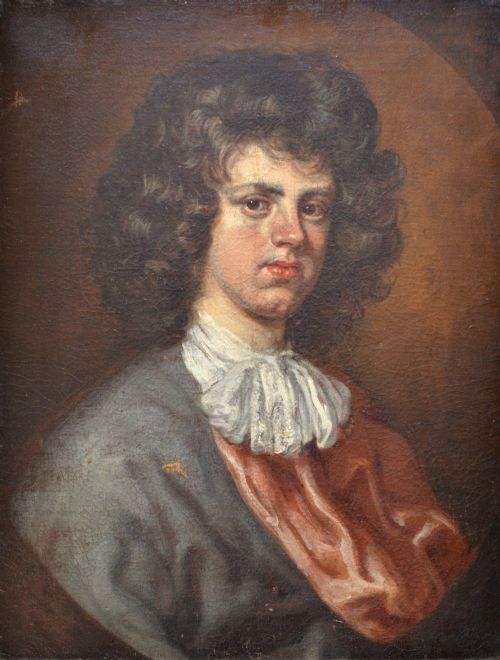
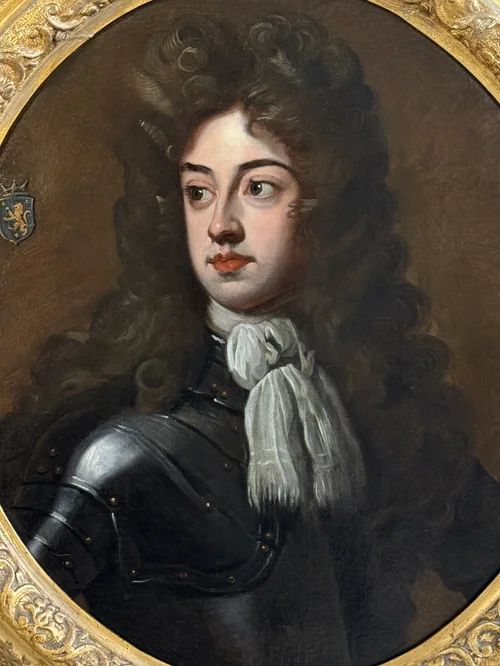
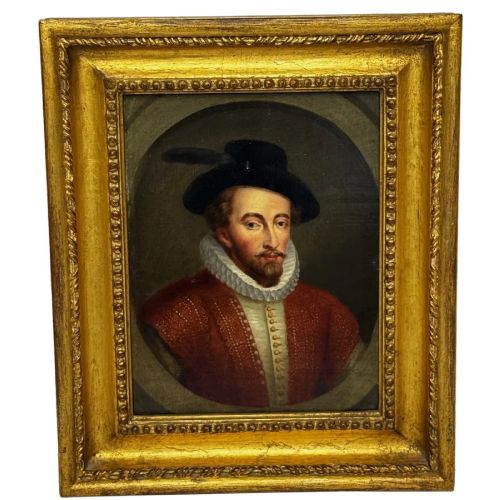
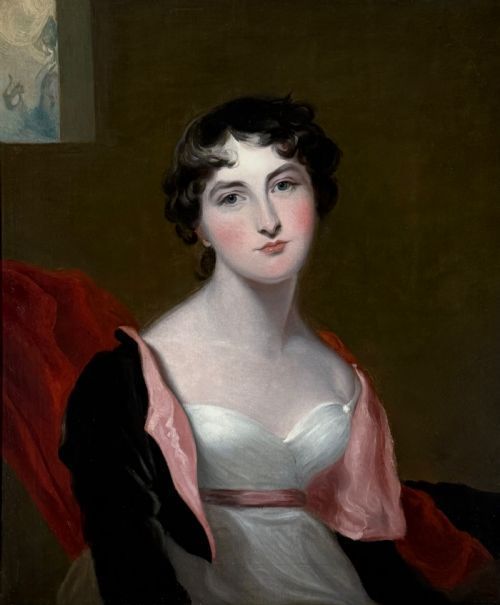
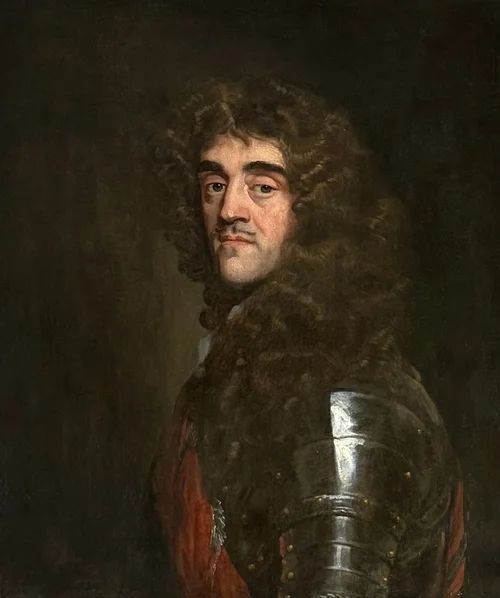
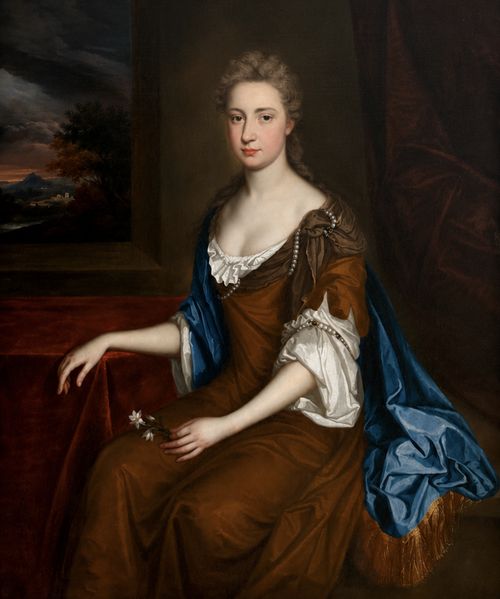
English School Oil Portrait
An english school oil portrait captures centuries of character on canvas, offering collectors a direct link to historical figures through accomplished brushwork.
English School Oil Portrait
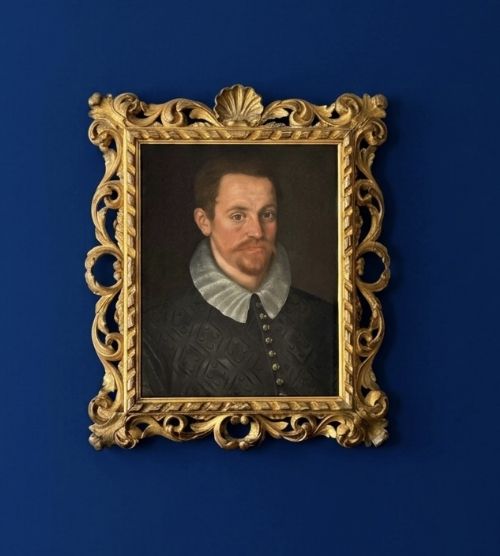
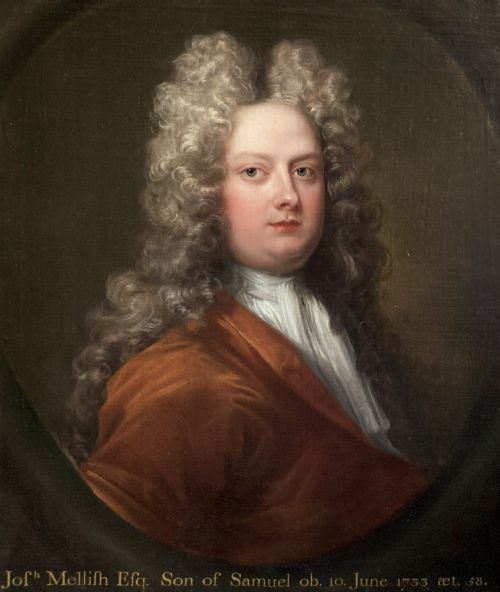
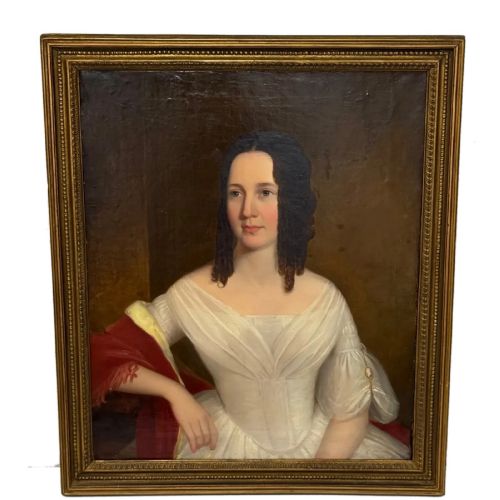
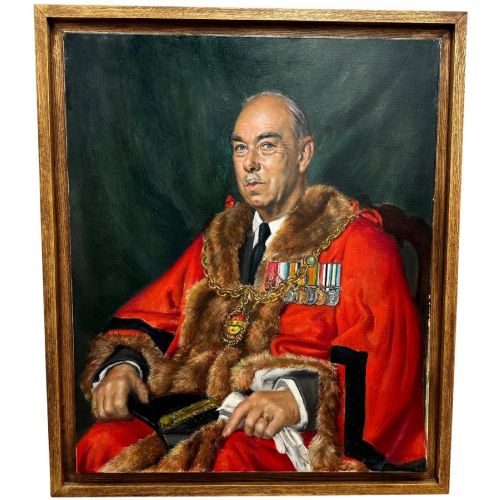
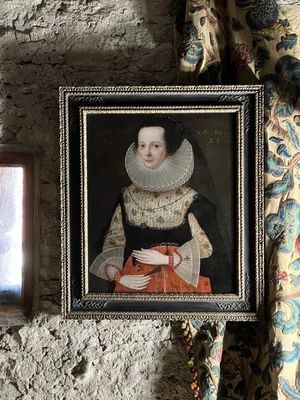
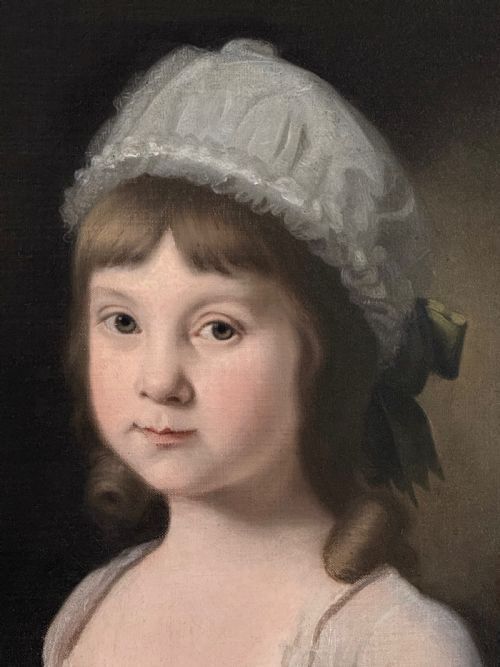
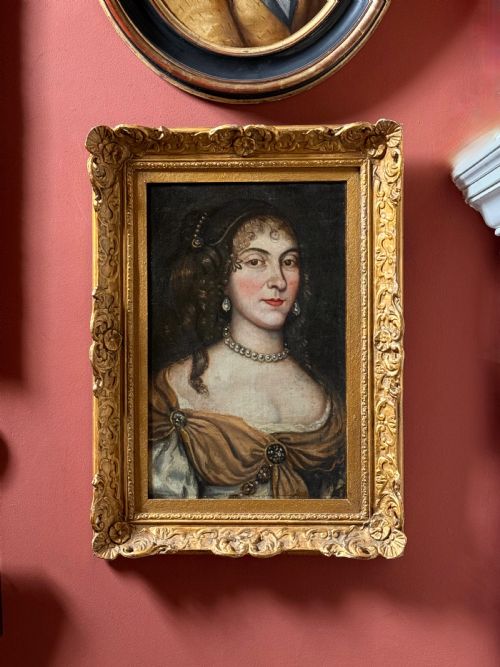
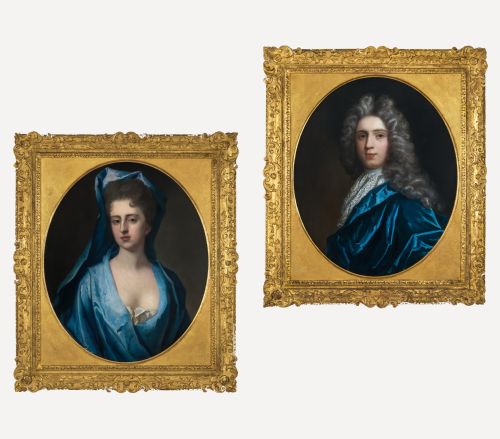
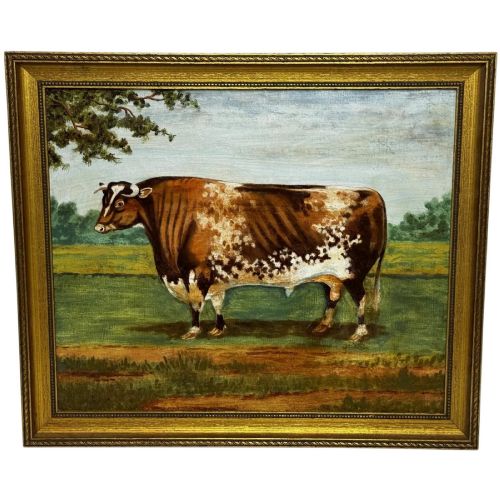
An english school oil portrait represents painted likenesses produced in Britain from the seventeenth century through to the modern era, encompassing both formal commissions by established masters and anonymous works by regional hands. Buyers searching this phrase encounter canvases depicting noblemen, ladies, children, and occasionally animals, rendered with varying degrees of academic precision.
The selections span distinct historical movements including Jacobean stiffness, Georgian elegance, and Victorian sentimentality. Many pieces remain attributed to specific studios or followers of prominent portraitists, while others simply reflect the prevailing aesthetic of their decade.
Subjects range from civic dignitaries and landowners to family groups and children with pets, providing a tangible record of historical costume, posture, and social status.
How They Were Made
These works rely fundamentally upon oil paint applied to prepared canvas, wood panel, or board, often stretched over wooden frames and housed in decorative giltwood surrounds. Artists built up their compositions through successive layers of pigment, utilising opaque body colour for garments and translucent glazes for flesh tones.
Ground preparations and priming methods evolved across the centuries, shifting from heavy wooden panels in the early seventeenth century to finely woven linen canvases by the Georgian period. Original gilt frames frequently incorporate carved wood and gold leaf, matching the period of the painting they enclose.
English School Oil Portrait Retail Price Guide 2026
Typical asking prices for english school oil portrait among the pieces listed under this phrase on Sellingantiques today, from the lower quarter to the upper quarter. They describe what is for sale here now, not the wider market.
Listings feature works spanning the 17th, 18th, and 19th centuries, utilising oil on canvas, wood panel, and giltwood frames.
What Varies In Quality
The handling of the background and drapery also distinguishes masterworks from standard studio production, where assistants often completed secondary elements while the master reserved their attention for the sitter's face.
Sir William Beechey·Charles Jervas·Sir Godfrey Kneller·Sir Thomas Lawrence·Cornelius Johnson
The English School Oil Portrait Glossary
- Canvas
- A heavy woven fabric stretched across a wooden frame to serve as a support for oil painting. It became the standard substrate for British portraits from the seventeenth century onward.
- Giltwood
- Wood carved and covered with a thin layer of gold leaf or metallic powder. It forms the traditional material for ornate antique picture frames.
- Doublet
- A close-fitting men's jacket worn during the sixteenth and seventeenth centuries. Its elaborate embroidery and cut often help date early portraits.
- Ruff
- A prominent starched pleated collar worn by both men and women in the late sixteenth and early seventeenth centuries. It provides a distinct chronological marker in early British portraiture.
- Impasto
- Paint applied thickly to a canvas so that it stands proud of the surface. This technique preserves the physical gesture of the artist's brush.
English School Oil Portrait: Frequently Asked Questions
How do I date an english school oil portrait?
Dating relies heavily upon the sitter's costume, hairstyle, and framing conventions, which changed rapidly across the seventeenth, eighteenth, and nineteenth centuries. Details such as lace collars, military uniforms, and bonnet styles offer precise chronological clues.
Signatures, inscriptions on the reverse of the canvas, and the construction methods of the wooden stretcher or frame provide further supporting evidence for the period of creation.
What is the difference between attributed works and studio pieces?
An attributed work suggests strong stylistic similarities to a named master, indicating that an expert believes the hand of that specific artist is present. Studio pieces originate from the workshop of a prominent painter, where assistants and pupils executed portions of the composition under the master's supervision.
Both categories reflect high standards of execution, but attribution directly links the canvas closer to the primary artist's personal output.
How should I hang an oil portrait at home?
Oil portraits require stable indoor environments away from direct sunlight, which can fade pigments and dry out historical canvases. Hang them on interior walls where temperature and humidity fluctuations remain minimal.
Ensure the wall fixings securely support the weight of both the heavy canvas and its original giltwood frame without placing undue strain on the structural joints.
Why are some sitters unidentified in the titles?
Many historical sitters lost their identities over generations as family lineages dispersed and written records became separated from the artwork. Anonymous portraits were common when sitters commissioned paintings for regional homes without recording biographical details.
Despite the missing name, these portraits remain valuable historical documents of costume, social standing, and artistic technique.