
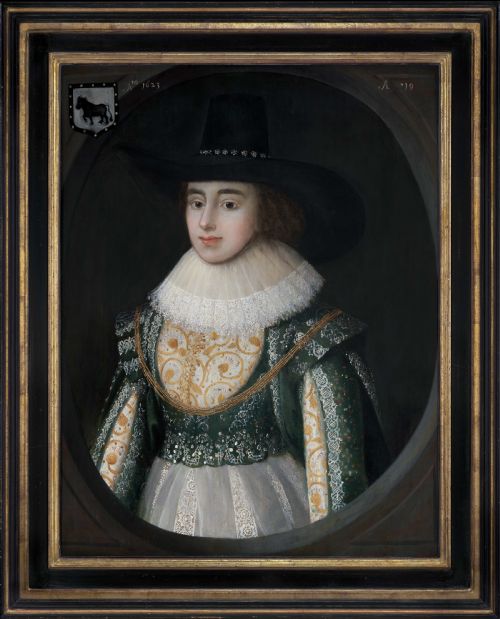
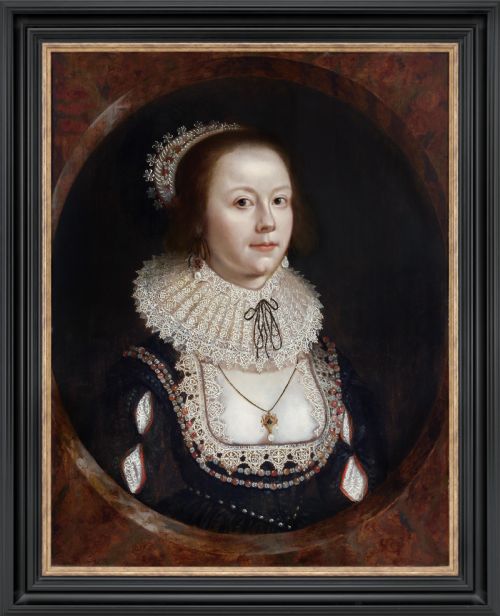


Feigned Oval Portrait
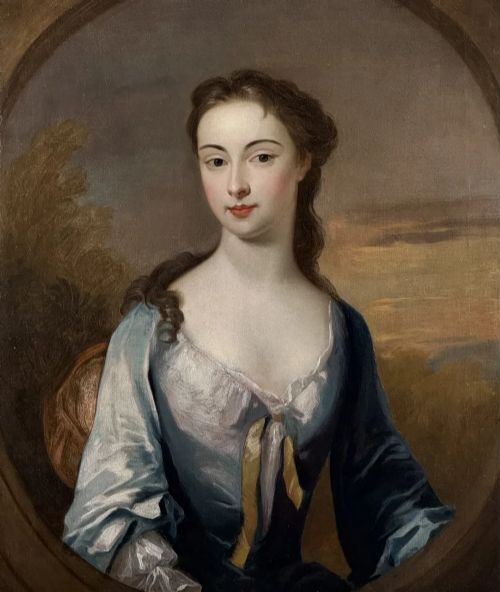
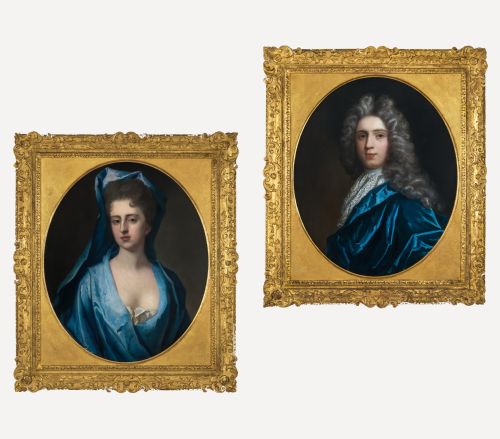
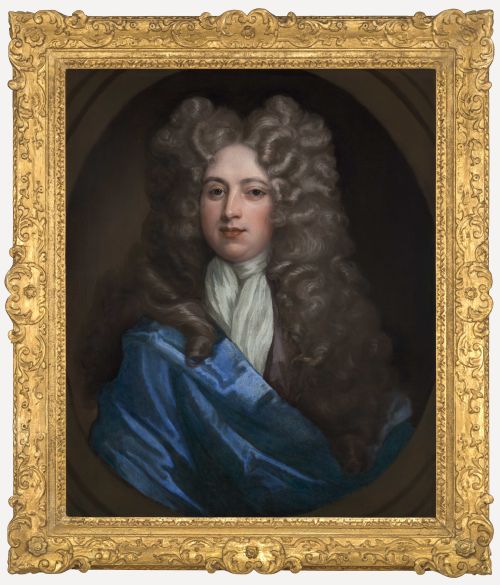
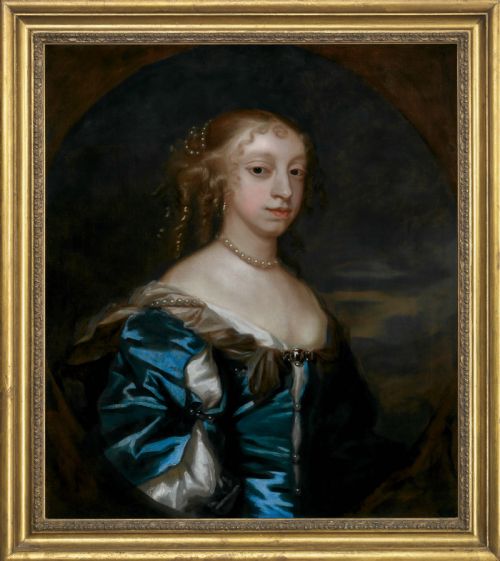
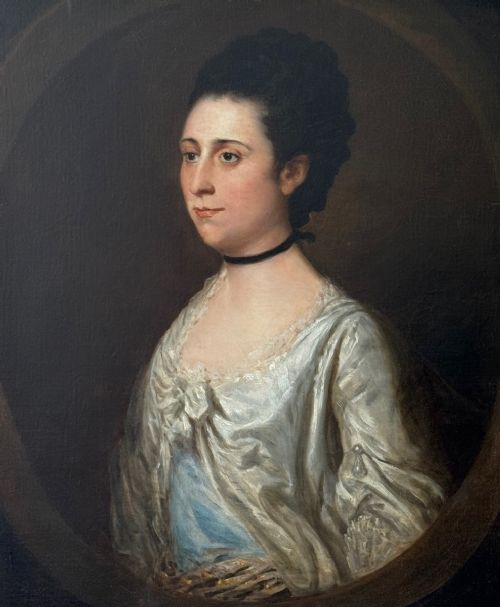
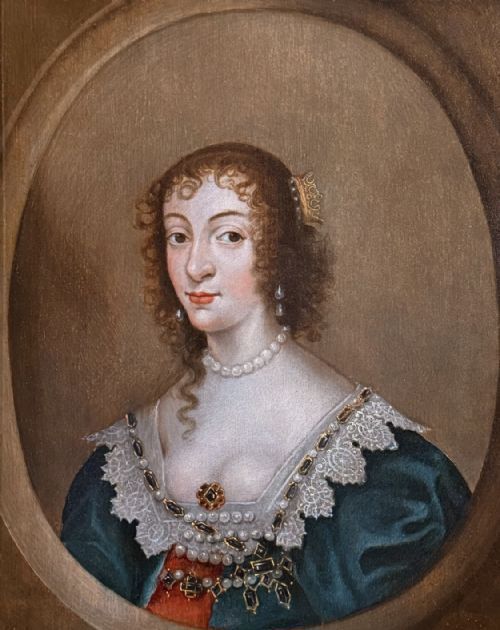
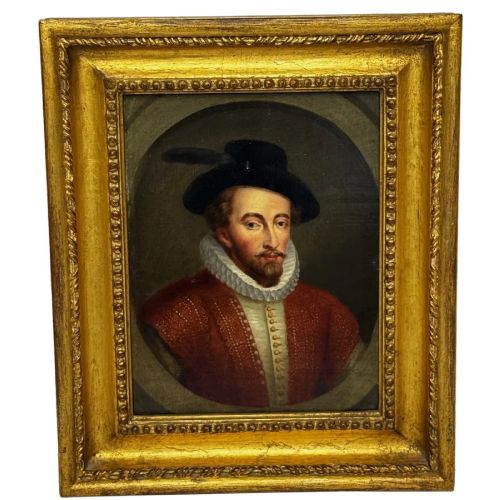
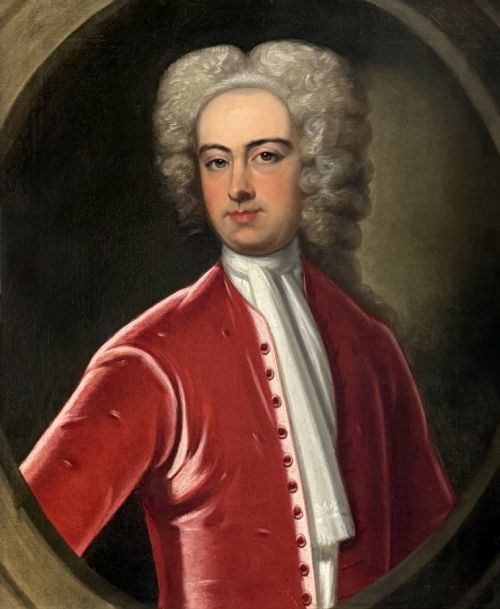
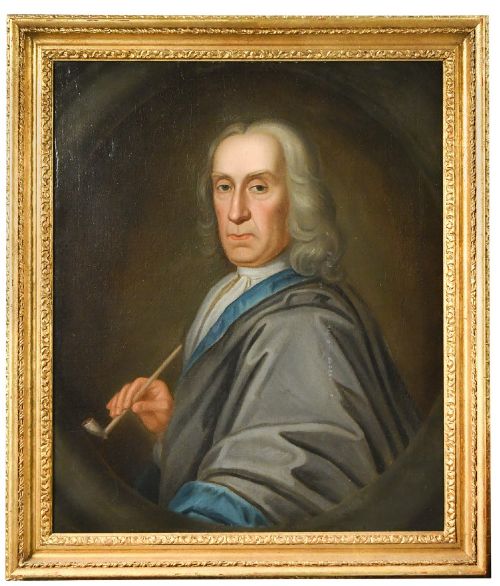
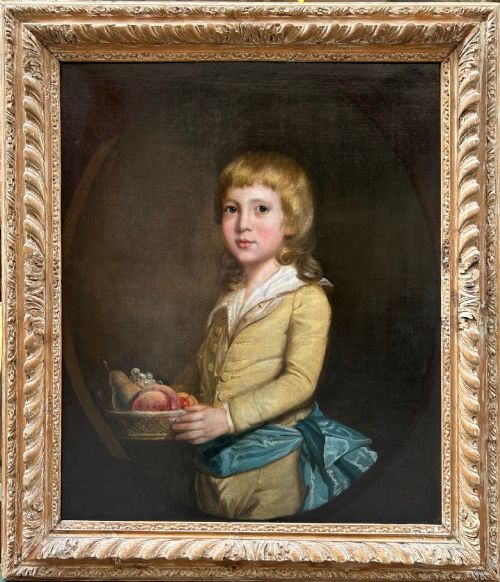
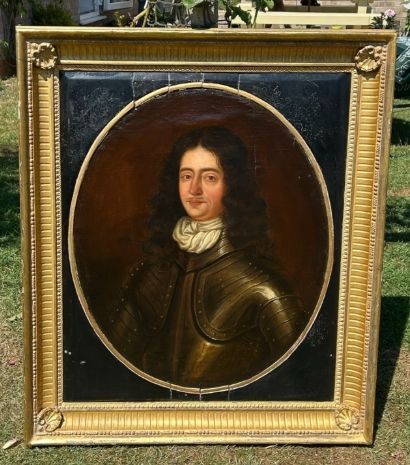
A feigned oval portrait frames a sitter within a painted stone or architectural surround, creating an illusion of depth that collectors value.
Feigned Oval Portrait
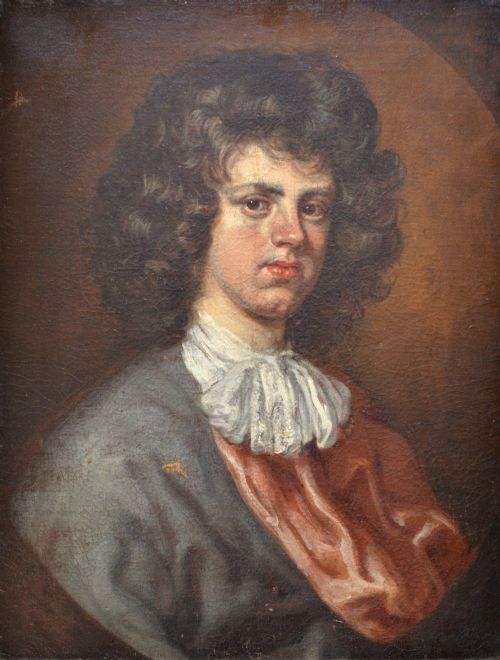
A feigned oval portrait uses a trompe-l'œil border painted directly onto the canvas or panel to simulate a stone, wooden, or carved stone window frame. This device directs the viewer's eye straight to the subject while adding architectural weight to the composition.
The pieces available on this page originate primarily from the seventeenth and eighteenth centuries, executed in oil on canvas or oil on panel. They span English, Scottish, and wider European schools, representing sitters from nobility to merchants.
Works in this group align with Baroque, Jacobean, and Georgian styles. Portrait paintings from these periods frequently employed the feigned oval to mimic the prestige of sculpted reliefs or miniature frames within a full-scale format.
How They Were Made
Artists built these compositions using oil paint on stretched canvas or prepared wooden panels, layering pigments to achieve rich tones for garments and flesh. Gold leaf and giltwood often complemented the physical frames housing these painted illusions.
The painted spandrels - the corners outside the curved faux frame - were typically rendered in darker, neutral shades to push the central oval forward. This technique required precise control of light and shadow to sustain the three-dimensional illusion.
Feigned Oval Portrait Retail Price Guide 2026
Typical asking prices for feigned oval portrait among the pieces listed under this phrase on Sellingantiques today, from the lower quarter to the upper quarter. They describe what is for sale here now, not the wider market.
Listings feature oil on canvas and oil on panel formats spanning the seventeenth and eighteenth centuries.
What Varies in Quality
Quality rests upon the artist's handling of facial anatomy, drapery, and the convincing depth of the painted border. Superior examples display subtle shifts in tone around the faux stone curve, whereas lesser works treat the border as a flat, heavy line.
The preservation of the original canvas or panel surface dictates the visual integrity of these portraits. Works retaining their untouched seventeenth or eighteenth-century pigment layers offer greater historical coherence than heavily restored surfaces.
Charles Jervas·Michael Dahl·Thomas Murray·Mary Beale·Thomas Beach·Cornelius Johnson·Pieter Nason·George Knapton·Thomas Hudson·John Closterman·Andrea Soldi
The Feigned Oval Portrait Glossary
- Feigned oval
- A painted trompe-l'œil border that creates the illusion of an oval frame on a rectangular canvas. This convention was popular in British and European portraiture.
- Spandrel
- The triangular space between the curved edge of a feigned oval and the rectangular corners of the painting. Painters usually filled these areas with dark, flat tones to enhance depth.
- Oil on panel
- A painting technique utilising wooden boards as a rigid support for oil pigments. This method appears frequently in seventeenth-century works.
- Baroque
- An artistic style spanning the seventeenth and early eighteenth centuries characterised by drama, rich colour, and robust movement. Portraits from this era emphasise theatrical lighting and sumptuous attire.
Feigned Oval Portrait: Frequently Asked Questions
How should I care for an oil on canvas portrait?
Keep the painting away from direct sunlight and steady humidity fluctuations to protect the canvas and oil pigments. Gentle dusting with a soft, dry brush is sufficient for routine maintenance.
Avoid using water or cleaning solutions on the painted surface. Consult a professional conservator if the canvas requires deeper cleaning or structural stabilization.
How can I tell a seventeenth-century portrait apart from an eighteenth-century one?
Seventeenth-century portraits often display the dense lace collars, rich drapery, and stark lighting associated with Baroque and Jacobean styles. Sitters frequently wear periwigs or elaborate court attire.
Eighteenth-century works, particularly Georgian examples, tend toward softer palettes, more relaxed postures, and lighter garment styles. Brushwork in later pieces can also exhibit greater fluidity.
Why did artists use painted spandrels?
Painted spandrels fill the corners outside the curved faux frame to create contrast and push the central portrait forward. This optical trick enhances the three-dimensional illusion of the composition.
Dark, muted tones in the spandrels keep the focus entirely on the sitter's face and clothing. It remains a defining characteristic of this portraiture tradition.