

Historic Portrait Painting
Historic portrait painting preserves the likenesses of notable figures, nobles and everyday sitters through centuries of evolving artistic styles.
Historic Portrait Painting
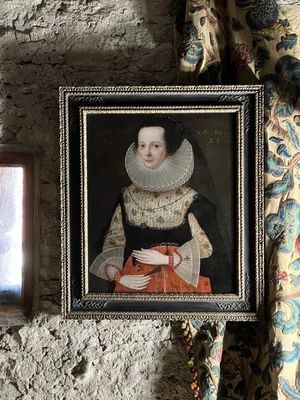
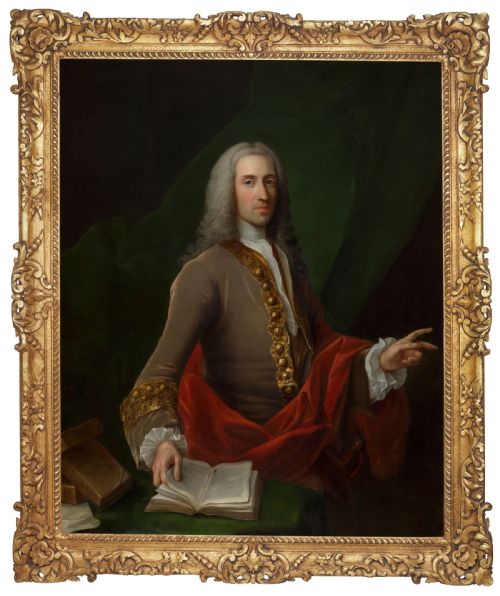
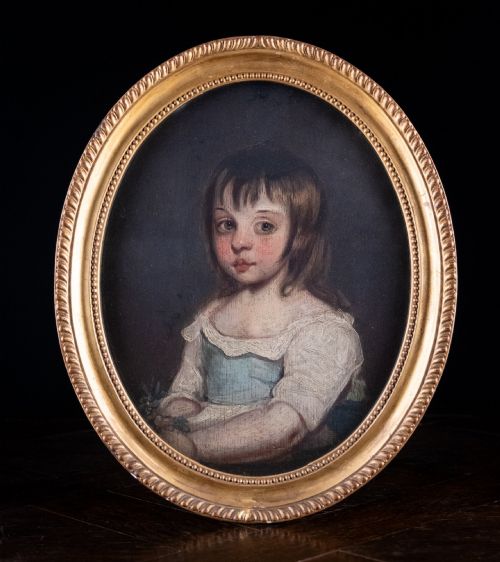
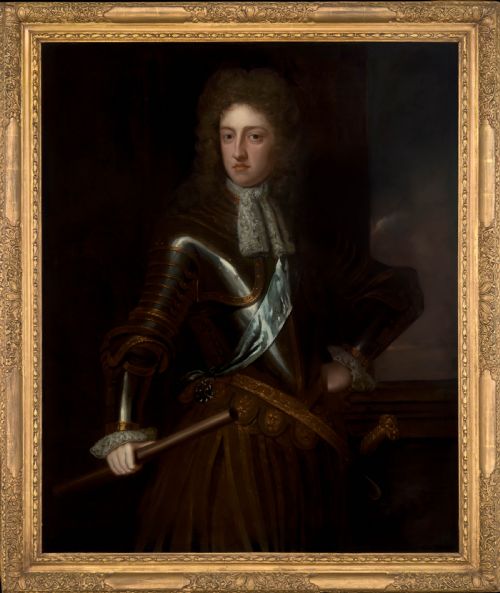
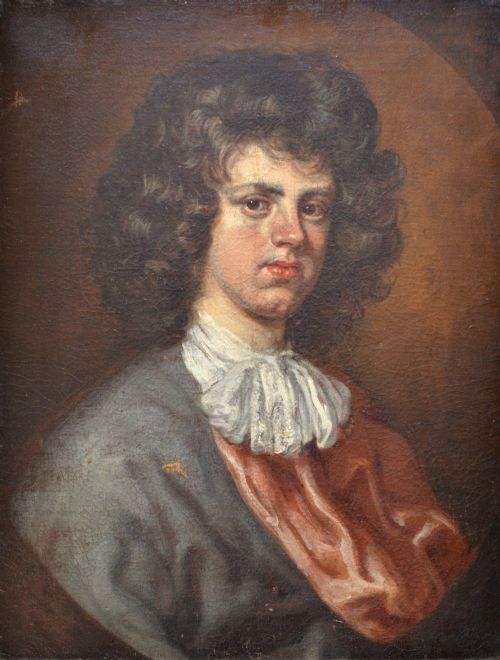
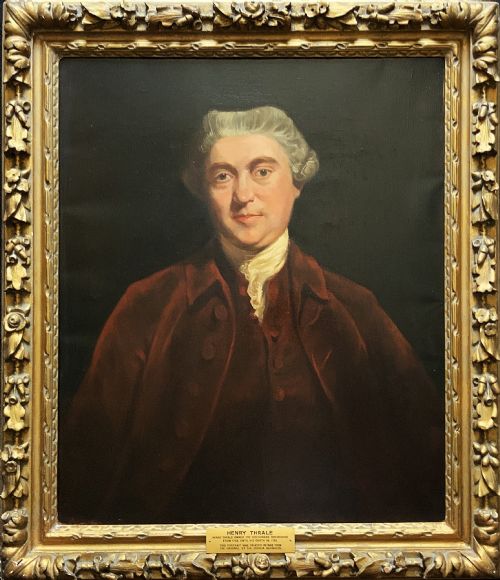
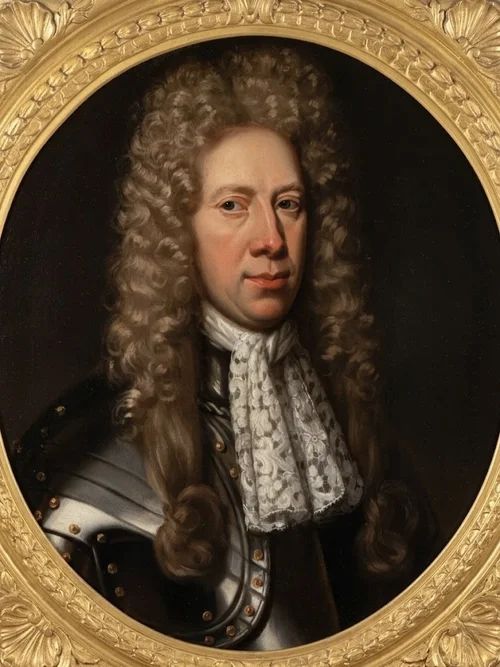
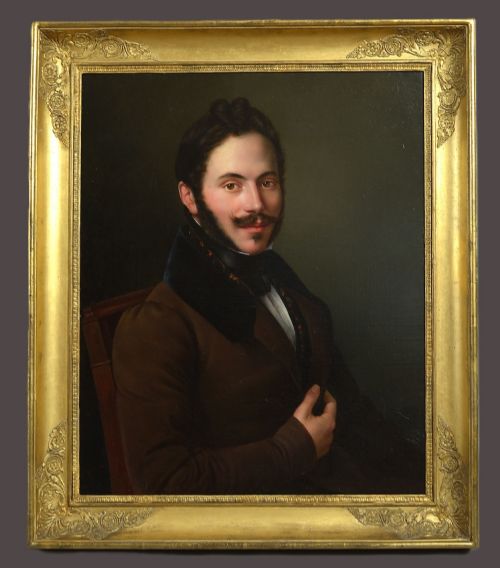
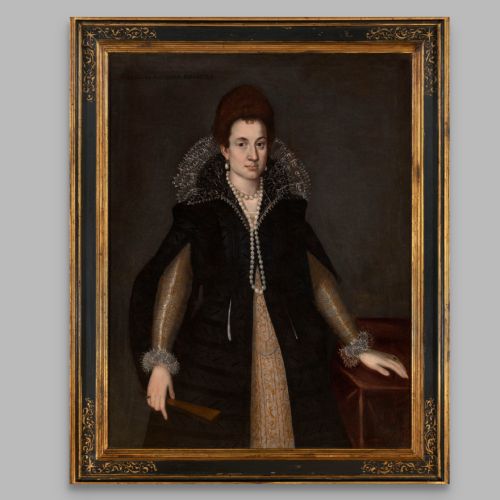
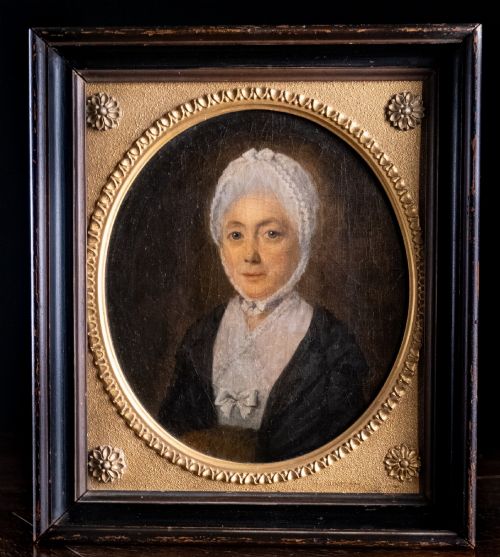
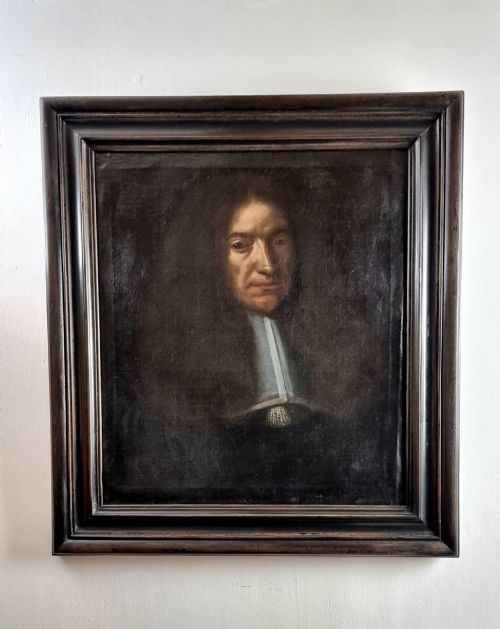
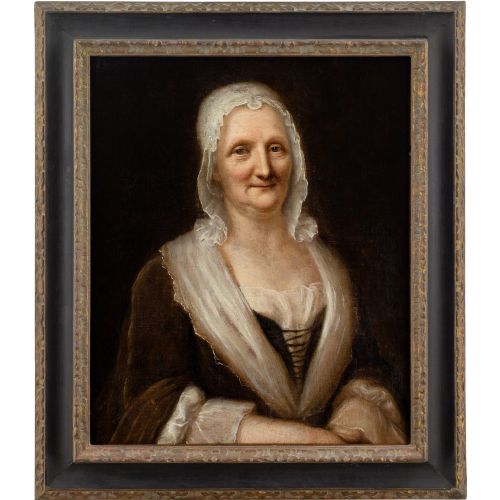
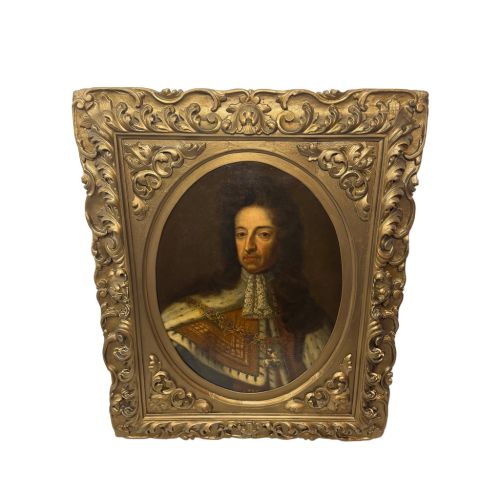
A historic portrait painting captures the physical appearance and social standing of individuals from past centuries, serving as both a personal record and a work of fine art. When exploring historic portrait painting on this page, buyers encounter oils on canvas and panel alongside portrait miniatures spanning the seventeenth through the nineteenth centuries. These works range from formal depictions of nobility and military officers in elaborate costume to studies of country girls, gentlemen and scholars.
The selection includes pieces attributed to specific European schools as well as works associated with named portraitists and studios. Subjects appear in various settings, holding objects such as books, pipes or skulls, or dressed in period attire including armour, azure cloaks and crimson coats. Formats vary from large canvas paintings housed in original frames to smaller portrait miniatures executed on paper or other supports.
How They Were Made
Some works utilise techniques such as reverse glass printing or mezzotint engraving to reproduce painted compositions on paper.
Historic Portrait Painting Retail Price Guide 2026
Typical asking prices for historic portrait painting among the pieces listed under this phrase on Sellingantiques today, from the lower quarter to the upper quarter. They describe what is for sale here now, not the wider market.
Listings feature works spanning the seventeenth, eighteenth and nineteenth centuries, executed in oil on canvas, wood and paper.
What Varies in Quality
The standard of execution in a historic portrait painting depends on the artist's ability to render anatomical proportion, facial expression and the convincing texture of fabrics like lace, velvet and armour. Works produced by the primary hand of a master painter or established studio typically display superior handling of light, shade and psychological depth compared to more formulaic provincial copies.
Condition also plays a significant role in the overall character of the piece, including the stability of the original canvas or panel, the retention of underlying pigment layers, and the preservation of contemporaneous frames.
Sir William Beechey·Jeremiah Davison·Sir Godfrey Kneller·Mary Beale·Edouard Pingret·Pietro Fachetti·Joseph Vivienne·Henri and Charles Beaubrun·John Greenhill·Frank Moss Bennett
The Historic Portrait Painting Glossary
- Oil on Canvas
- A traditional painting medium where oil-based pigments are applied to a stretched fabric support. This combination provides durability and allows for subtle blending of tones.
- Portrait Miniature
- A small, highly detailed painting designed for intimate viewing or personal portability. These works often feature meticulous brushwork executed on materials such as vellum, paper or ivory.
- Panel Painting
- A work executed on a flat piece of wood rather than stretched fabric. Wooden supports were frequently utilised in earlier centuries before canvas became the dominant medium.
- Mezzotint
- A printmaking process of the tonal method, enabling the creation of prints with rich dark areas and subtle gradations of light. It was frequently used to reproduce popular painted portraits.
- Giltwood
- Wood that has been carved and coated with a thin layer of gold leaf or gold powder. This finish is commonly found on period frames enclosing fine art.
Historic Portrait Painting: Frequently Asked Questions
How do I identify the period of a portrait?
Dating relies heavily on the sitter's costume, hairstyle and collar style, which followed strict historical fashions of the seventeenth, eighteenth and nineteenth centuries. Supporting clues appear in the canvas preparation, stretcher construction and framing techniques.
Signatures, inscriptions on the reverse, or attribution to known schools and artists further narrow down the exact decade of execution.
What is the difference between canvas and panel portraits?
Canvas supports became widely adopted for larger works because woven fabric is lightweight and less prone to warping than solid timber. Wooden panels were favoured for smaller, earlier pieces due to their rigid surface.
Panel paintings often indicate an earlier date of origin, particularly within the sixteenth and seventeenth centuries.
How were historic portraits originally displayed?
Wealthy patrons hung these paintings in the grand rooms, galleries and libraries of country houses to display lineage, status and political allegiance. Smaller portrait miniatures were often kept in private chambers, carried in pockets or worn as lockets.
Frames were selected to complement the interior decoration schemes of the period, utilising carved giltwood to catch candle or natural light.
What does attribution to a school mean?
Attribution to a specific regional school indicates that an anonymous artist worked within the geographic area, stylistic tradition and workshop practices of that region. It links the piece to a broader cultural context rather than a single documented master.
Terms like 'circle of' or 'studio of' suggest a closer working relationship with a named painter.